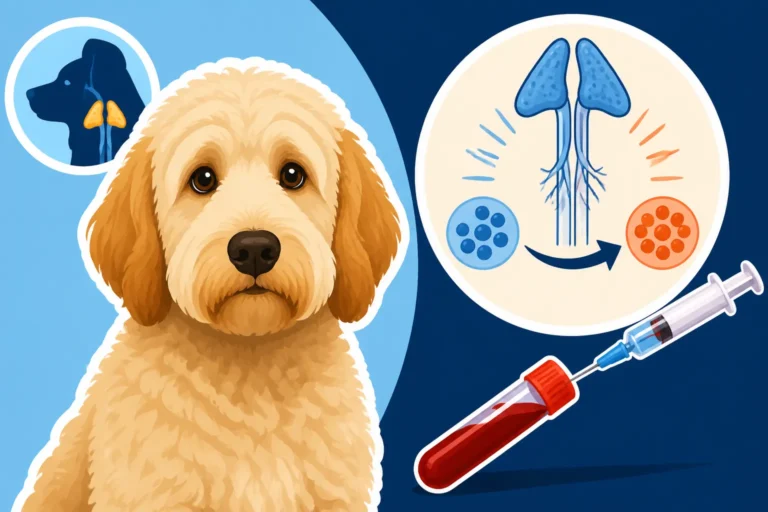
Monthly Injections for an Addisonian Labradoodle
The diagnosis of Addison's disease can feel like a punch to the gut for any Labradoodle owner. Suddenly, you're faced with a serious condition that affects your beloved companion's adrenal glands, impacting their body's ability to handle stress and maintain essential functions. But here's the reassuring truth: with diligent care, particularly through consistent monthly injections, your Addisonian Labradoodle can absolutely lead a long, happy, and remarkably normal life. This guide will walk you through everything you need to know about managing this condition with these vital injections.
Understanding Addison's Disease in Labradoodles
Addison's disease, medically known as hypoadrenocorticism, is a tricky condition because its symptoms can be so vague and come and go, often mimicking other common ailments. It occurs when your Labradoodle's adrenal glands, two small glands located near the kidneys, don't produce enough hormones, specifically glucocorticoids (like cortisol) and/or mineralocorticoids (like aldosterone). These hormones are critical for nearly every bodily function, from managing stress and regulating metabolism to maintaining electrolyte balance.
What Addison's Disease Means for Your Dog
Imagine your body's essential control center suddenly going haywire, or simply not having the resources to respond when it needs to. That's essentially what happens with Addison's disease. Cortisol is vital for regulating stress response, immune function, glucose metabolism, and even blood pressure. Without enough cortisol, your Labradoodle can become lethargic, weak, vomit, have diarrhea, and lose their appetite. It’s why some days they might seem okay, and other days they are completely flat.
Aldosterone, on the other hand, is the key player in regulating electrolytes – specifically sodium and potassium – and water balance. When aldosterone is deficient, your Labradoodle struggles to maintain these delicate balances, leading to dangerous electrolyte imbalances that can severely impact heart and kidney function. This is why a classic Addisonian crisis, often triggered by stress, can be life-threatening if not addressed immediately. It's a condition that truly requires vigilant attention and consistent medical management.
Recognizing the Subtle Signs of Addison's
One of the most frustrating aspects of Addison's disease is how subtle and non-specific its early signs can be. It's often called "the great imitator" because symptoms like intermittent vomiting, diarrhea, lethargy, poor appetite, and weight loss could point to a dozen other conditions. Your Labradoodle might have a few bad days, then perk up, only for the symptoms to return weeks later. This waxing and waning nature makes diagnosis a real challenge, and many owners describe a long, worrying journey to finally pinpoint the issue.
You might notice your typically energetic Labradoodle seems more subdued after exercise, or they might just not finish their food as enthusiastically as usual. They might shiver or tremble, or seem extra sensitive to cold. Some dogs might even experience increased thirst and urination. These are exactly the kinds of vague, on-again-off-again symptoms that can leave owners scratching their heads and vets running multiple tests. If you've been grappling with similar mysteries with your furry friend, it's always worth discussing Addison's with your veterinarian. You can learn more about these often-missed indicators in our detailed guide on The Vague Signs of Addison's in a Labradoodle.
The Role of Monthly Injections in Addison's Management
Once your Labradoodle receives an Addison's diagnosis, usually confirmed by an ACTH stimulation test (you can find more information on The ACTH Test That Confirms Addison's in a Labradoodle), the focus immediately shifts to management. For many dogs with "classic" Addison's, where both cortisol and aldosterone production are low, monthly injections become a cornerstone of treatment. These injections are designed to replace the missing mineralocorticoid hormones, primarily aldosterone, which are crucial for maintaining electrolyte balance.
Why Monthly Injections Are the Cornerstone of Treatment
Addison's disease isn't something that can be cured, but it's highly manageable with proper hormone replacement. While some dogs with "atypical" Addison's may only need daily oral glucocorticoids (like prednisone), those with classic Addison's require replacement of both glucocorticoids and mineralocorticoids. While glucocorticoids are usually given as daily oral tablets, mineralocorticoid replacement often comes in the form of a long-acting monthly injection. This monthly injection offers a consistent and reliable way to deliver the necessary hormone, preventing the dangerous electrolyte imbalances that characterize the disease.
The alternative to the monthly injection for mineralocorticoid replacement is typically an oral medication called fludrocortisone, which has both glucocorticoid and mineralocorticoid properties. However, fludrocortisone needs to be given daily, sometimes twice daily, and the dosage can be tricky to regulate perfectly, often requiring a concurrent low dose of prednisone anyway. For many Labradoodle owners and their vets, the convenience and steady hormone release of a monthly injection make it the preferred method for mineralocorticoid replacement, leading to a much more stable and predictable life for the dog.
How the Medication Works to Restore Balance
The monthly injection for Addison's disease usually contains desoxycorticosterone pivalate (DOCP), commonly known by brand names like Percorten-V or Zycortal. DOCP is a synthetic mineralocorticoid that directly replaces the aldosterone your Labradoodle's adrenal glands are failing to produce. Once injected, it slowly releases into your dog's system over approximately 25-30 days, steadily working to regulate sodium and potassium levels.
By keeping these electrolytes in check, DOCP helps to prevent the severe dehydration, heart rhythm abnormalities, and kidney issues that can arise from Addison's disease. It essentially gives your Labradoodle the essential hormone their body needs to function normally, allowing their cells to maintain proper fluid balance and nerve and muscle activity. This consistent delivery is what helps prevent acute Addisonian crises and allows your dog to feel and act like their happy, healthy self.
The Difference Between DOCP and Prednisone
It's common for owners to get confused between the different medications used for Addison's, especially since many dogs receive both. The monthly injection (DOCP, like Percorten-V or Zycortal) is specifically a mineralocorticoid replacement. Its primary job is to control those crucial sodium and potassium levels. Without it, your Labradoodle is at risk of severe electrolyte imbalance and potential Addisonian crisis.
Prednisone, on the other hand, is a glucocorticoid. It replaces the cortisol that the adrenal glands aren't producing. Cortisol is essential for handling stress, regulating blood sugar, and modulating the immune system. Most Labradoodles with classic Addison's will need a very low, daily dose of oral prednisone in addition to their monthly DOCP injection. This small daily dose helps them cope with everyday stressors and keeps their cortisol levels at an appropriate baseline. It’s important to understand these distinct roles, as both are vital for comprehensive management. We've delved deeper into daily oral medications in our article on Monthly Fludrocortisone for an Addisonian Labradoodle, which often serves as an alternative to DOCP, though it has its own considerations.
The Administration of Percorten-V (Desoxycorticosterone Pivalate – DOCP)
Once your Labradoodle is diagnosed with Addison's and your vet determines that a monthly injection is the best course of action, the practicalities of administration become important. This isn't just about getting the medicine into your dog; it's about consistency, comfort, and ongoing monitoring to ensure optimal health.
The Monthly Ritual: At Home or Vet Clinic?
For many owners, the idea of a monthly vet visit for an injection might seem daunting, but it quickly becomes a routine. Your veterinarian will administer the DOCP injection, typically deep into a muscle, and ensure your Labradoodle is comfortable. These visits also offer a regular opportunity for your vet to assess your dog's overall health, discuss any changes in symptoms, and check in on their general well-being.
However, some experienced and confident owners, after proper training from their vet, may be able to administer the monthly injection at home. This can be a huge convenience, saving time and reducing stress for dogs who find vet visits anxious. If you're considering home administration, talk to your vet about the training and supplies you'd need. It requires strict adherence to sterile techniques and understanding the correct injection site and method. Ultimately, whether it's at the clinic or at home, the most important thing is that your Labradoodle receives their injection consistently on schedule.
Preparing for the Injection and Post-Injection Care
Whether you're administering the injection yourself or taking your Labradoodle to the vet, a calm environment is key. At home, choose a quiet space where your dog feels secure. Ensure you have all necessary supplies: the medication, appropriate syringe and needle, alcohol wipes, and perhaps a favorite treat for after. Always double-check the dosage and expiration date. Your vet will guide you on the exact procedure, including how to properly hold your Labradoodle, identify the injection site, and administer the medication safely and effectively.
After the injection, simply observe your Labradoodle. Some dogs might be a little sore at the injection site, just like humans might feel after a shot. Offer praise and a treat to make it a positive experience. While serious reactions are rare, always watch for any unusual swelling, pain, or changes in behavior. Remember, this monthly routine is about maintaining health, so making it as stress-free as possible for your Labradoodle will benefit everyone.
Adjusting Dosage and Monitoring for Efficacy
Finding the perfect dose of DOCP for your Labradoodle often involves a bit of fine-tuning, especially in the initial months after diagnosis. Your veterinarian will likely recommend regular blood tests, particularly checking electrolyte levels (sodium and potassium), typically around 25-30 days after the first few injections. This helps them determine if the medication is lasting the full month and if the dose is adequate to keep electrolytes balanced.
It's not uncommon for the dose or frequency to be slightly adjusted based on these blood results and your Labradoodle's clinical signs. If your dog starts showing subtle Addisonian symptoms a few days before their next scheduled injection, it might indicate that the medication isn't lasting quite long enough, and your vet may adjust the timing or the dose. Consistent monitoring and open communication with your vet are crucial to ensure your Labradoodle is receiving the optimal level of care. If you're wondering about ongoing monitoring, our guide on Whether an Addisonian Labradoodle Needs Bloodwork More Often offers further insights.
Living a Full Life with an Addisonian Labradoodle
The journey of caring for a Labradoodle with Addison's disease is truly a marathon, not a sprint. But with the consistency of monthly injections and attentive home care, these dogs can thrive. It's about developing a routine, understanding the nuances of the disease, and being prepared for any bumps in the road.
Monitoring Your Labradoodle's Health Between Injections
Even with monthly injections, it's vital for you, as the owner, to be your Labradoodle's primary health observer. Keep a keen eye on their energy levels, appetite, thirst, and bathroom habits. Any return of the previous subtle symptoms—even if mild—such as lethargy, vomiting, diarrhea, or reduced interest in food, should be noted. It's often helpful to keep a small journal or use a smartphone app to track these observations. This information is invaluable for your vet to assess how well the treatment protocol is working and if any adjustments are needed.
Also, be mindful of any unusual stressors in your Labradoodle's life, as increased stress can sometimes necessitate a temporary increase in their daily oral prednisone dose (if they are on it, which most classic Addisonians are). Travel, changes in routine, new pets, or even loud noises can be stressors. Being proactive and reporting any concerns to your vet, rather than waiting for the next scheduled appointment, is key to preventing a potential crisis.
Emergency Preparedness for Addisonian Crises
Despite the best preventative care, an Addisonian crisis can sometimes occur, especially if the dog experiences extreme stress or goes too long between injections. These crises are medical emergencies characterized by severe weakness, collapse, profuse vomiting and diarrhea, extreme dehydration, and potentially shock. Recognizing these signs and acting quickly is paramount. Your vet will likely provide you with emergency contact information and advise you on what to do if you suspect a crisis.
It's highly recommended to have an emergency plan in place. This usually involves having a small supply of injectable or oral prednisone (often a higher "stress dose") on hand as prescribed by your vet, along with instructions for its administration. Know the fastest route to your emergency veterinary clinic and keep their number readily accessible. Being prepared can make all the difference in a critical situation. For more detailed information, check out our article on Whether an Addisonian Labradoodle Needs an Emergency Plan.
Quality of Life and Long-Term Outlook
The good news is that Addison's disease, once properly diagnosed and managed with consistent monthly injections and any necessary oral medications, has an excellent prognosis. Most Labradoodles with Addison's can look forward to a normal lifespan, full of joy and activity, just like any other healthy dog. The key is strict adherence to the treatment schedule and vigilant monitoring for any changes.
It truly is a testament to modern veterinary medicine that a condition once considered fatal is now so manageable. Your Labradoodle can continue to enjoy walks, play with family, and snuggle on the couch, often showing no outward signs of their underlying condition. This long-term stability and positive outlook are why the commitment to monthly injections is so incredibly worthwhile. You can explore this further in our discussion on Whether an Addisonian Labradoodle Lives Normally.
Financial Considerations for Lifelong Treatment
Caring for an Addisonian Labradoodle is a lifelong commitment, and while the quality of life is high, there are financial considerations to keep in mind. The monthly injections, along with any daily oral prednisone, regular blood tests, and vet visits, add up over time. It's important to budget for these ongoing expenses to ensure your Labradoodle receives uninterrupted care.
Many owners find that pet insurance can be an invaluable tool for managing these costs. Companies like Healthy Paws offer coverage that can help offset a significant portion of chronic illness treatments, making lifelong care more financially feasible. It’s always wise to research pet insurance options early in your dog’s life, as pre-existing conditions are typically not covered. Understanding the potential costs upfront, from the initial diagnostic bills (which can be substantial, as discussed in What the Bill for Diagnosing Addison's in a Labradoodle) to emergency crisis care (What an Addisonian Crisis Costs Overnight), can help you plan for your Labradoodle's long-term health and well-being.
Here's a quick comparison of the two main mineralocorticoid replacement options for Addison's disease:
| Feature | DOCP (Percorten-V / Zycortal) Monthly Injection | Fludrocortisone (Florinef) Oral Daily Medication |
|---|---|---|
| Administration | Monthly injection (vet or trained owner) | Daily or twice-daily oral tablet |
| Type of Hormone | Synthetic Mineralocorticoid | Synthetic Mineralocorticoid & Glucocorticoid |
| Primary Function | Regulates Sodium/Potassium, Fluid Balance | Regulates Na/K, Fluid Balance, some Cortisol effect |
| Consistency | Steady release over ~25-30 days | Daily dosing, requires owner diligence |
| Commonly Combined With | Low-dose oral Prednisone (for Glucocorticoid) | Sometimes combined with additional Prednisone if Fludrocortisone is insufficient for cortisol needs |
| Vet Visits | Monthly for injection (often includes exam/discussion) | Less frequent, usually for monitoring blood work |
| Electrolyte Monitoring | Essential, especially initially, ~25-30 days post-inj. | Essential, especially initially, to fine-tune dose |
| Owner Convenience | High (once a month), but requires vet visit or training | Lower (daily meds), but can be done at home |
Disclaimer
This article is intended for informational purposes only and does not constitute professional veterinary advice. Always consult with a qualified veterinarian for any health concerns or before making any decisions about your Labradoodle's care or treatment plan.