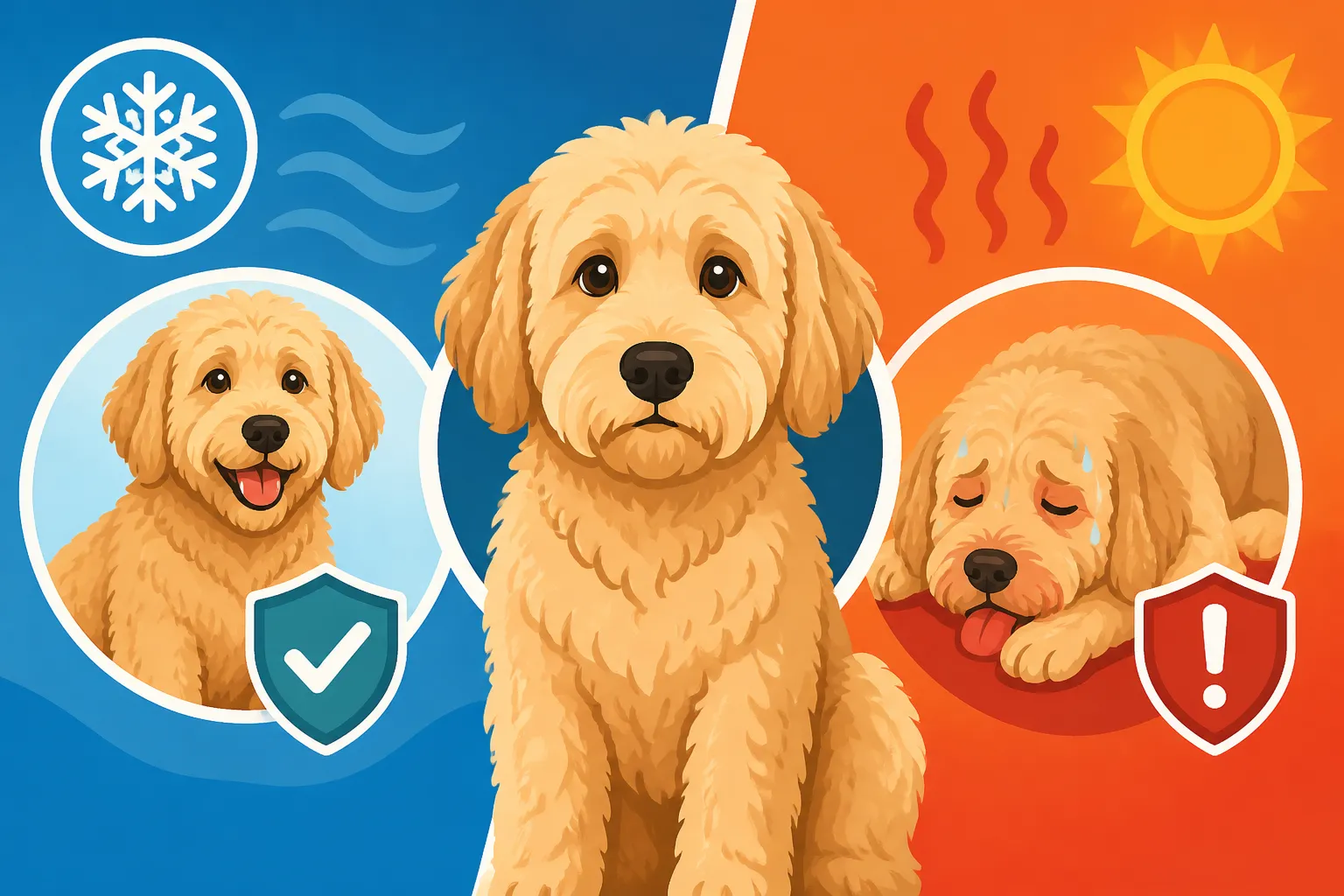
Telling EIC From Heatstroke in a Labradoodle
It's one of the most terrifying things a Labradoodle owner can witness: your energetic, loving companion suddenly collapsing or showing severe distress. When faced with such a frightening situation, your mind races. Is it something specific to the breed, or something more common but equally dangerous? This guide will walk you through the critical differences between Exercise-Induced Collapse (EIC) and heatstroke in Labradoodles, empowering you to recognize the signs and act quickly when every second counts.
Understanding Exercise-Induced Collapse in Labradoodles
Exercise-Induced Collapse (EIC) is a condition that, as the name suggests, causes a dog to collapse after periods of intense physical activity or extreme excitement. It's a genetic condition, and while it doesn't always lead to a complete loss of consciousness, it's certainly alarming to witness. Many Labradoodle owners often confuse it with simple overexertion or, more dangerously, with heatstroke.
What EIC Looks Like
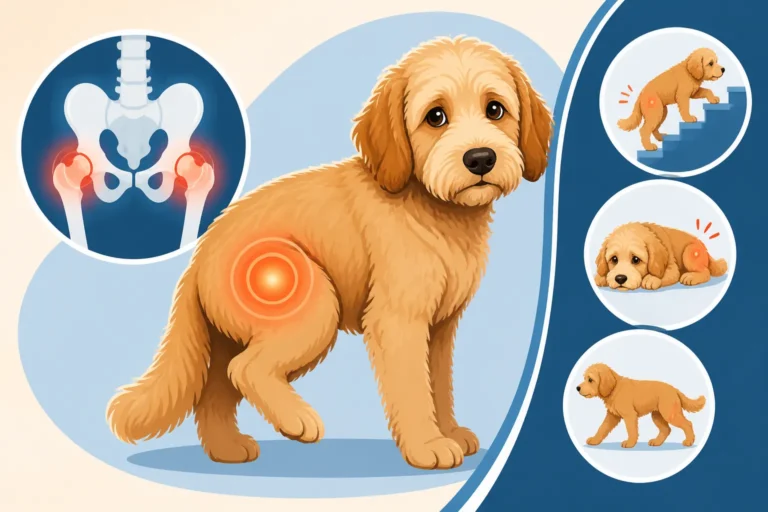
Imagine your Labradoodle, full of life, tearing across the park after a frisbee, or intensely focused on a training session. They might be having the time of their life, pushing their limits. Then, seemingly out of nowhere, you notice a change. Their gait might become wobbly, particularly in their hind limbs. They might drag their back legs, appear uncoordinated, or even stumble and collapse. This isn't just a dog getting tired; it's a distinct loss of muscle control.
The collapse itself can vary in severity. Some dogs might just sit down abruptly, unable to continue, while others might completely lose the use of their hindquarters, sometimes even progressing to their front legs. What's often remarkable is that during an EIC episode, most Labradoodles remain mentally alert and aware of their surroundings, even if they can't move properly. They might try to wag their tail or acknowledge you, a stark contrast to the disoriented state seen in other conditions. Typically, these episodes last anywhere from 5 to 30 minutes, with most dogs recovering almost completely with rest. It's truly a rollercoaster of emotions for any owner. For a more detailed look into what happens during these episodes, you can read about What a Labradoodle Collapse Episode Looks Like.
The DNM1 Mutation and Triggers
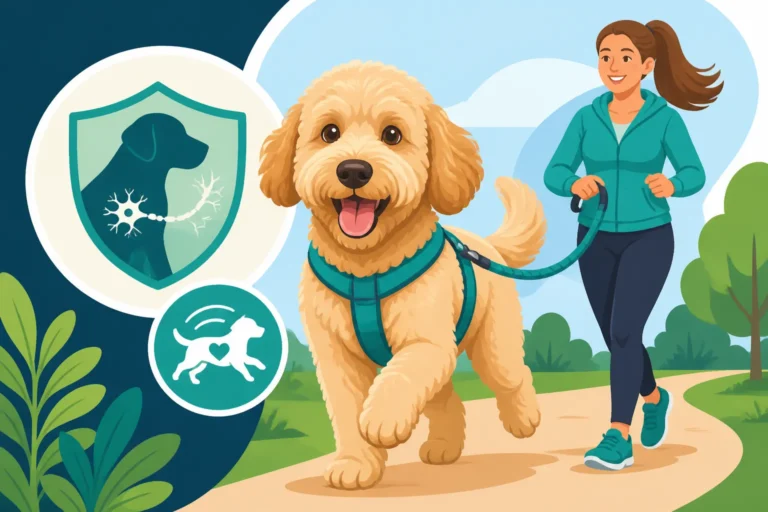
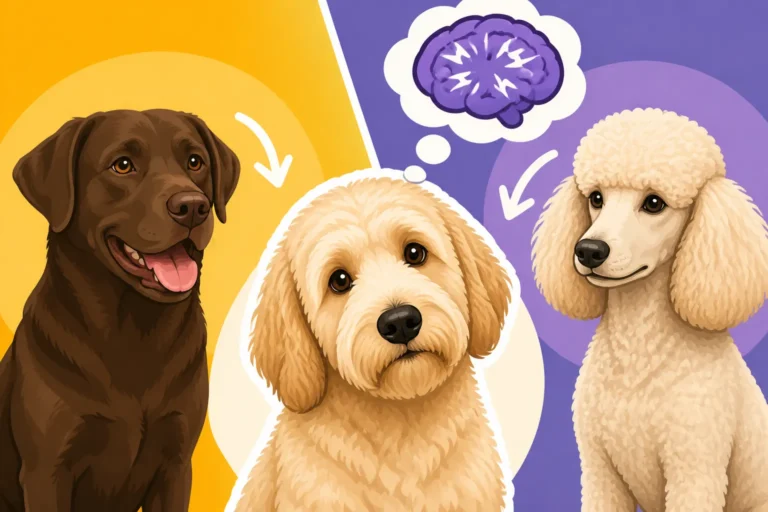
At the heart of Exercise-Induced Collapse in Labradoodles is a specific genetic mutation in the DNM1 gene. This gene is responsible for producing a protein vital for proper nerve function. When this mutation is present, it disrupts the communication between nerves and muscles during periods of high demand, leading to the collapse. It's not a muscle problem itself, but rather a neurological glitch. While both Labrador Retrievers and Poodles can carry this mutation, it's the Labrador side that typically brings the EIC gene into the Labradoodle mix. Understanding The DNM1 Mutation Behind Labradoodle Collapse is crucial for breeders and owners alike.
Common triggers aren't just limited to prolonged, strenuous exercise like long runs or retrieving games. High excitement levels can also play a significant role. Think about situations where your Labradoodle is incredibly hyped up – meeting new dogs, a super exciting training drill, or even intense play with another dog. The combination of physical exertion and mental adrenaline can overload the system. Even seemingly normal activities can trigger an episode if the dog is particularly enthusiastic. What makes it even more challenging is that episodes can occur even in cooler weather, making it distinct from purely heat-related issues. This distinction is vital when considering What Triggers a Labradoodle's Collapse Episode.
Recognizing Heatstroke in Your Labradoodle
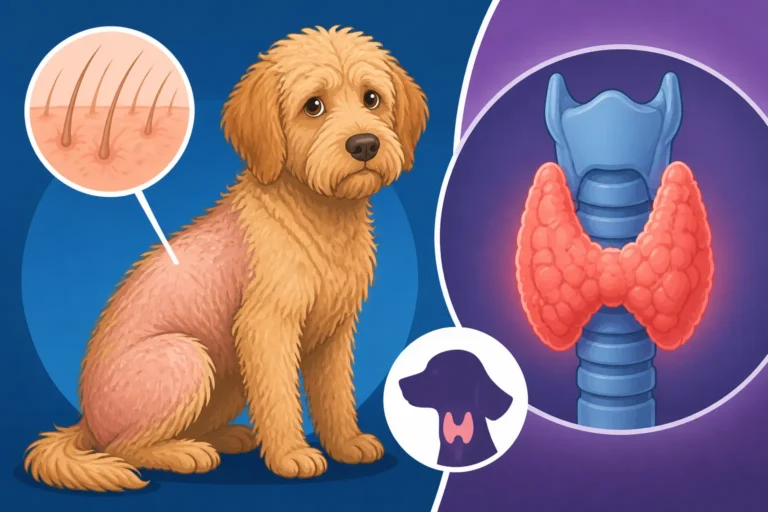
Heatstroke, or hyperthermia, is a severe and life-threatening condition that occurs when a dog's body temperature rises to dangerously high levels, usually above 104°F (40°C), and they can no longer regulate their internal temperature. Unlike EIC, which is genetic and specific, heatstroke can affect any dog, regardless of breed or genetic predisposition, if exposed to excessive heat or humidity. It's a medical emergency that requires immediate intervention.
Early Warning Signs and Progression
The initial signs of heatstroke can be subtle, and it's easy to dismiss them until the situation becomes critical. Excessive panting is usually the first sign – your Labradoodle will be panting much harder and faster than usual, even after minimal activity. This is their primary way of cooling down, but if it's ineffective, their body temperature continues to climb. You might also notice profuse drooling, as their salivary glands work overtime. Their gums may appear bright red, indicating increased blood flow as the body tries to dissipate heat. An increased heart rate and rapid breathing are also common.
As heatstroke progresses, the symptoms become far more severe. Your Labradoodle might become weak, stagger, or even collapse. Unlike EIC where mental alertness is often maintained, a dog suffering from heatstroke will likely appear disoriented, confused, or even unresponsive. Vomiting and diarrhea, sometimes bloody, can occur, and in severe cases, seizures and loss of consciousness are possible. Without rapid intervention, heatstroke can lead to organ damage, brain damage, and even death. It’s a terrifying progression that highlights the urgency of recognizing these signs early, especially if you know Whether a Labradoodle Overheats in Summer.
Factors Increasing Heatstroke Risk
Several factors can increase a Labradoodle's risk of heatstroke. The most obvious are environmental conditions: high ambient temperatures, especially coupled with high humidity. Humidity makes it harder for dogs to cool themselves through panting because the air is already saturated with moisture, making evaporation less efficient. Lack of shade and access to fresh, cool water also significantly heighten the risk. Leaving a dog in a parked car, even for a few minutes with the windows cracked, is a recipe for disaster, as car interiors heat up incredibly fast.
Individual characteristics of your Labradoodle can also play a role. While Labradoodles aren't typically brachycephalic (short-nosed) breeds like Pugs or Bulldogs, who are notoriously susceptible, their thick, often dense coats can certainly retain heat, especially the wool or fleece types. Overweight or obese dogs are at higher risk because fat acts as an insulator and their bodies have to work harder. Older dogs or those with underlying health conditions, such as heart or respiratory problems, are also more vulnerable. Vigorous exercise during the hottest parts of the day or without adequate hydration is a major contributing factor. It's essential to understand that even moderate exercise on a hot, humid day can be enough to trigger heatstroke if precautions aren't taken. You might want to consider Whether a Wool Coated Labradoodle Needs Daily Work in terms of thermal regulation.
Key Differences: EIC vs. Heatstroke Symptoms
When your Labradoodle suddenly goes down, it's easy for panic to set in. However, taking a moment to observe the circumstances and physical signs can be crucial in differentiating between EIC and heatstroke, guiding your immediate response. These two conditions, while both causing collapse, have distinct indicators.
Differentiating the Onset and Circumstances
One of the primary ways to distinguish EIC from heatstroke lies in when and where the collapse occurs. With Exercise-Induced Collapse, the episode almost always follows a period of intense, often highly exciting, activity. Your Labradoodle might have been playing a vigorous game of fetch, running at top speed, or participating in an agility class. Crucially, EIC episodes often begin after the most intense part of the exercise, or even during a cool-down period. They can also happen regardless of the ambient temperature; a Labradoodle can have an EIC episode on a cool spring day just as easily as a warm one. The initial weakness usually starts in the hind limbs, giving a wobbly, uncoordinated appearance before progressing to a full collapse.
Heatstroke, on the other hand, is directly linked to environmental heat and/or intense exercise in hot or humid conditions. The collapse or severe distress typically happens during or immediately after exposure to these high-risk conditions. Think of a long walk on a hot afternoon, or an extended play session in the summer sun without sufficient shade or water. With heatstroke, the dog will generally show signs of overheating before collapsing, such as excessive panting and bright red gums. The collapse itself might be more generalized, affecting the whole body rather than starting specifically in the hind limbs. Knowing The Age Exercise Induced Collapse First Shows in a Labradoodle might give you an idea of your dog's predisposition to EIC.
Physical Clues and Temperature
The single most critical diagnostic difference between EIC and heatstroke that you, as an owner, can quickly assess is your Labradoodle's body temperature.
- EIC: Dogs experiencing EIC will typically have a normal or only slightly elevated body temperature (usually below 104°F or 40°C). Their internal thermostat is still working, even if their muscles aren't. They usually remain mentally alert, even if they can't move. Their eyes might be bright, and they'll respond to your voice, albeit weakly.
- Heatstroke: A Labradoodle suffering from heatstroke will have a significantly elevated body temperature, often 104°F (40°C) and above. This is the hallmark of the condition. You might feel their body radiating heat. They will also likely be lethargic, disoriented, or even unconscious. Their gums might be a deep brick red or even purplish, and they might have thick, ropey saliva.
Having a rectal thermometer in your pet first-aid kit and knowing how to use it safely can be a true lifesaver in these situations. It's not about diagnosing the condition yourself, but about gathering crucial information for your vet and guiding your initial response.
Here's a quick comparison table to help differentiate the two conditions:
| Feature | Exercise-Induced Collapse (EIC) | Heatstroke |
|---|---|---|
| Onset | After intense exercise/excitement, even in cool temps | During/immediately after exposure to heat/humidity |
| Initial Symptoms | Hind limb weakness, wobbly gait, uncoordinated | Excessive panting, heavy drooling, red gums, rapid breathing |
| Body Temperature | Normal to slightly elevated (typically < 104°F) | Significantly elevated (104°F / 40°C and above) |
| Mental State | Generally alert, aware of surroundings | Disoriented, confused, lethargic, possibly unconscious |
| Recovery with Rest | Usually recovers in 5-30 minutes | Requires immediate active cooling and vet care |
| Triggers | Specific genetic mutation, intense retrieving, high excitement | Environmental heat, humidity, lack of water, vigorous exercise in heat |
Immediate Action: What to Do in Each Scenario
Seeing your Labradoodle in distress is terrifying, but knowing what to do immediately can make all the difference. Your response should be tailored to whether you suspect EIC or heatstroke, as the urgency and type of intervention differ significantly.
Responding to Suspected EIC
If you suspect your Labradoodle is experiencing an EIC episode, the first and most critical step is to stop all activity immediately. Do not try to make them continue moving or push through it. Gently guide them to a quiet, calm, and ideally cool spot where they can rest undisturbed. The goal is to reduce their physiological and emotional arousal.
Offer them some fresh, cool water, but don't force them to drink. They should be able to recover on their own within 5 to 30 minutes. Most Labradoodles will slowly regain control of their limbs and return to normal after this rest period. Stay with them, speak calmly, and monitor their breathing and demeanor. If they don't start recovering within a reasonable timeframe, if their symptoms worsen, or if you're ever in doubt, contact your veterinarian right away. They can guide you further and rule out other potential issues. If you haven't already had your Labradoodle genetically tested for EIC, this might be a good time to discuss it with your vet, especially if you're considering future breeding or want to understand their genetic predisposition better. Having pet insurance from a provider like Healthy Paws can truly be a lifesaver in these unexpected situations, covering a portion of your vet consultation and any necessary diagnostics. Understanding Whether a Collapsed Labradoodle Recovers on Its Own can also help manage your expectations and actions.
Emergency Measures for Heatstroke
Heatstroke is a true medical emergency, and rapid intervention is crucial for survival. Do not wait to see if your Labradoodle recovers; every second counts. Your immediate actions can drastically improve their prognosis.
- Move to a Cooler Area Immediately: Get your Labradoodle out of the sun and into the coolest available shade, an air-conditioned car, or indoors.
- Begin Cooling: This is the most critical step. Use cool (not ice cold) water to douse their entire body, especially focusing on areas with less fur like the groin, armpits, and paw pads. You can use a hose, wet towels, or even just pour water from bottles.
- Use a Fan: If possible, place a fan near your dog. Evaporation is key to cooling, and air movement helps this process.
- Offer Water: Provide small amounts of cool water. Do not force them to drink, especially if they are disoriented or unconscious, as they could aspirate it.
- Get to the Vet NOW: While you are performing initial cooling, arrange for immediate transport to the nearest emergency veterinary clinic. Call ahead if you can, so they are prepared for your arrival. Continue cooling efforts on the way. It's important not to overcool your dog once their temperature drops below 103°F (39.4°C), as this can cause other complications. The vet will monitor their temperature and provide intravenous fluids and other supportive care. When facing an emergency vet visit, knowing you have support from a company like Healthy Paws can ease the financial burden.
Prevention and Long-Term Management
The best approach to both EIC and heatstroke is prevention. Understanding your Labradoodle's individual needs and predispositions will allow you to create a safe and healthy environment for them to thrive.
Preventing EIC Episodes
For Labradoodles genetically predisposed to EIC, prevention revolves around careful management of their activity levels and excitement. If you know your Labradoodle carries the DNM1 mutation, or if they've had episodes in the past, it's wise to:
- Moderate Exercise: Avoid high-intensity, sustained exercise, especially retrieving games or prolonged, high-adrenaline play sessions. This doesn't mean no exercise, but rather shorter bursts of activity or alternative, lower-impact exercises like swimming or gentle walks.
- Manage Excitement: Try to keep excitement levels down before and during activities. For some dogs, even the anticipation of a game can contribute to an episode.
- Know Your Dog's Limits: Pay close attention to early signs of fatigue or hind limb weakness and stop activity immediately.
- Genetic Testing: If you're getting a Labradoodle puppy, always ask the breeder about EIC genetic testing for both parents. Reputable breeders should be able to provide clear results. For a comprehensive overview, read about The DNA Test That Clears a Labradoodle of EIC. If your dog is a carrier but not affected, understanding Exercising a Labradoodle That Carries EIC is crucial for their well-being. Regular check-ups as part of The Yearly Screening a Labradoodle Should Get can also help monitor overall health.
Preventing Heatstroke
Preventing heatstroke involves common-sense measures, especially during warmer months or in hot climates.
- Avoid Peak Heat: Restrict exercise and outdoor activity to the coolest parts of the day, typically early mornings and late evenings. Avoid mid-day heat entirely.
- Provide Constant Access to Water: Always ensure your Labradoodle has fresh, cool water available. If you're out and about, bring a portable water bottle and bowl.
- Seek Shade: If outdoors, make sure there is ample shade for your dog to rest in.
- Never Leave in a Car: This cannot be stressed enough. Even on mild days, the temperature inside a car can skyrocket in minutes, leading to fatal consequences.
- Be Mindful of Humidity: High humidity exacerbates heat risk, making it harder for dogs to cool down.
- Grooming: While shaving a Labradoodle is generally not recommended as it can damage their coat, keeping them well-groomed and free of mats, especially in summer, can help with air circulation. Discuss with your groomer about a shorter, summer-friendly clip. You can explore Whether a Labradoodle Should Be Clipped in Summer for more insights.
- Consider Cooling Accessories: Cooling vests, mats, or even a splash in a kiddie pool can help keep your Labradoodle comfortable and safe in hot weather.
- Health Checks: Regular veterinary check-ups and ensuring Whether Health Tested Parents Add Years to a Labradoodle are foundational steps in proactive care that can help identify any underlying conditions that might increase heatstroke risk.
By understanding the distinct characteristics of EIC and heatstroke and implementing appropriate preventive measures, you can help ensure your beloved Labradoodle stays happy, healthy, and safe, ready for many more adventures by your side.
Disclaimer
The information provided in this article is for general informational purposes only and is not a substitute for professional veterinary advice. Always consult with a qualified veterinarian for any health concerns or before making any decisions related to your pet's health and treatment.