The DNA Test That Clears a Labradoodle of EIC
The moment you see your energetic Labradoodle suddenly weaken, stumble, and even collapse after a burst of exercise, it's absolutely terrifying. Your heart races, your mind jumps to the worst conclusions, and you're left wondering what on earth just happened to your beloved companion. This guide is here to shed light on Exercise-Induced Collapse (EIC), a serious genetic condition that can affect Labradoodles, and, more importantly, to walk you through the DNA test that offers invaluable peace of mind for both current and prospective owners.
Understanding Exercise-Induced Collapse (EIC) in Labradoodles
Exercise-Induced Collapse, or EIC, is one of those scary health issues that can sneak up on you, especially if you have an active, high-energy Labradoodle. It's a debilitating neuromuscular disorder that, as the name suggests, causes dogs to lose control of their hind limbs and eventually collapse after periods of intense physical activity. It’s not just "getting tired"; it's a dramatic and often frightening event for owners.
What EIC Looks Like
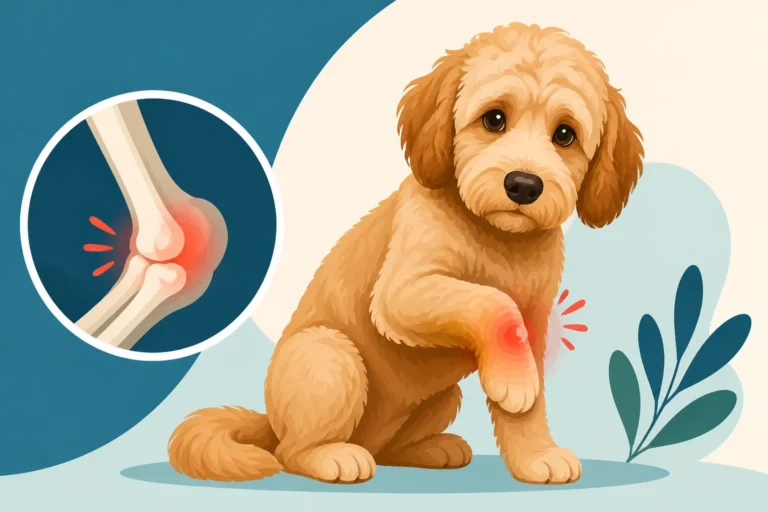
Imagine you're out playing fetch in the park, and your Labradoodle is having the time of its life, sprinting after the ball with boundless enthusiasm. Then, seemingly out of nowhere, you notice a subtle shift. Perhaps their hind legs start to wobble, or they appear to be losing coordination, almost as if they're drunken. This often happens after 5 to 20 minutes of strenuous exercise, especially in warmer weather or during highly exciting activities. Their gait might become wobbly, their hindquarters may sway, and eventually, they might lose the ability to use their back legs, collapsing completely. Sometimes, it can even affect all four limbs.
The episodes typically last 5 to 25 minutes, and during this time, your dog will often remain conscious and alert, just unable to move their body properly. It's truly heartbreaking to watch, and the recovery usually involves lying down and resting until their muscle function returns. It’s a stark contrast to something like heatstroke, where you might see heavy panting, drooling, and confusion. If you're wondering, you can learn more about What a Labradoodle Collapse Episode Looks Like and Telling EIC From Heatstroke in a Labradoodle in our other articles. These episodes usually don't appear in very young puppies; often, The Age Exercise Induced Collapse First Shows in a Labradoodle is between 5 months and 3 years old, just when they're hitting their peak activity levels.
The Genetic Link
EIC isn't just bad luck; it's a condition caused by a specific genetic mutation. Specifically, it's linked to a mutation in the DNM1 gene. This gene is responsible for producing a protein that is crucial for nerve communication with muscles during high-intensity exercise. When there's a mutation, this protein doesn't function correctly, leading to a breakdown in communication and subsequent muscle failure and collapse.
The inheritance pattern is what we call autosomal recessive. What this means in plain language is that a dog needs to inherit two copies of the mutated gene—one from each parent—to actually develop EIC. If a dog inherits only one copy of the mutated gene and one normal copy, they are considered a "carrier." Carriers typically don't show any symptoms of EIC themselves, but they can pass the mutated gene on to their offspring. This is incredibly important when it comes to breeding decisions, which we'll delve into shortly. Understanding The DNM1 Mutation Behind Labradoodle Collapse is key to grasping why testing is so vital.
Why Labradoodles Are at Risk
The Labradoodle, being a crossbreed of a Labrador Retriever and a Poodle, inherits traits and potential health predispositions from both sides of its family tree. When it comes to EIC, the risk primarily stems from the Labrador Retriever side. EIC is well-documented in Labrador Retrievers and several other retriever breeds, as well as some spaniels. Since many Labradoodles have a significant Labrador heritage, especially in earlier generations like F1s, they carry the potential for this genetic vulnerability.
While the Poodle parent generally doesn't carry the EIC gene, if a Labrador parent or even a Labradoodle parent is an EIC carrier or affected, there's a clear risk of passing that gene down. This is why multi-generational Labradoodles, while often touted for their more consistent coat types, aren't automatically free from EIC risk if their parent lines haven't been rigorously health tested. The presence of the Labrador's retrieving drive, which means these dogs often love intense, repetitive exercise, also makes them more prone to exhibiting symptoms if they are genetically predisposed. You might wonder What Triggers a Labradoodle's Collapse Episode, and it's usually those sustained bursts of activity.
The EIC DNA Test: Your Peace of Mind
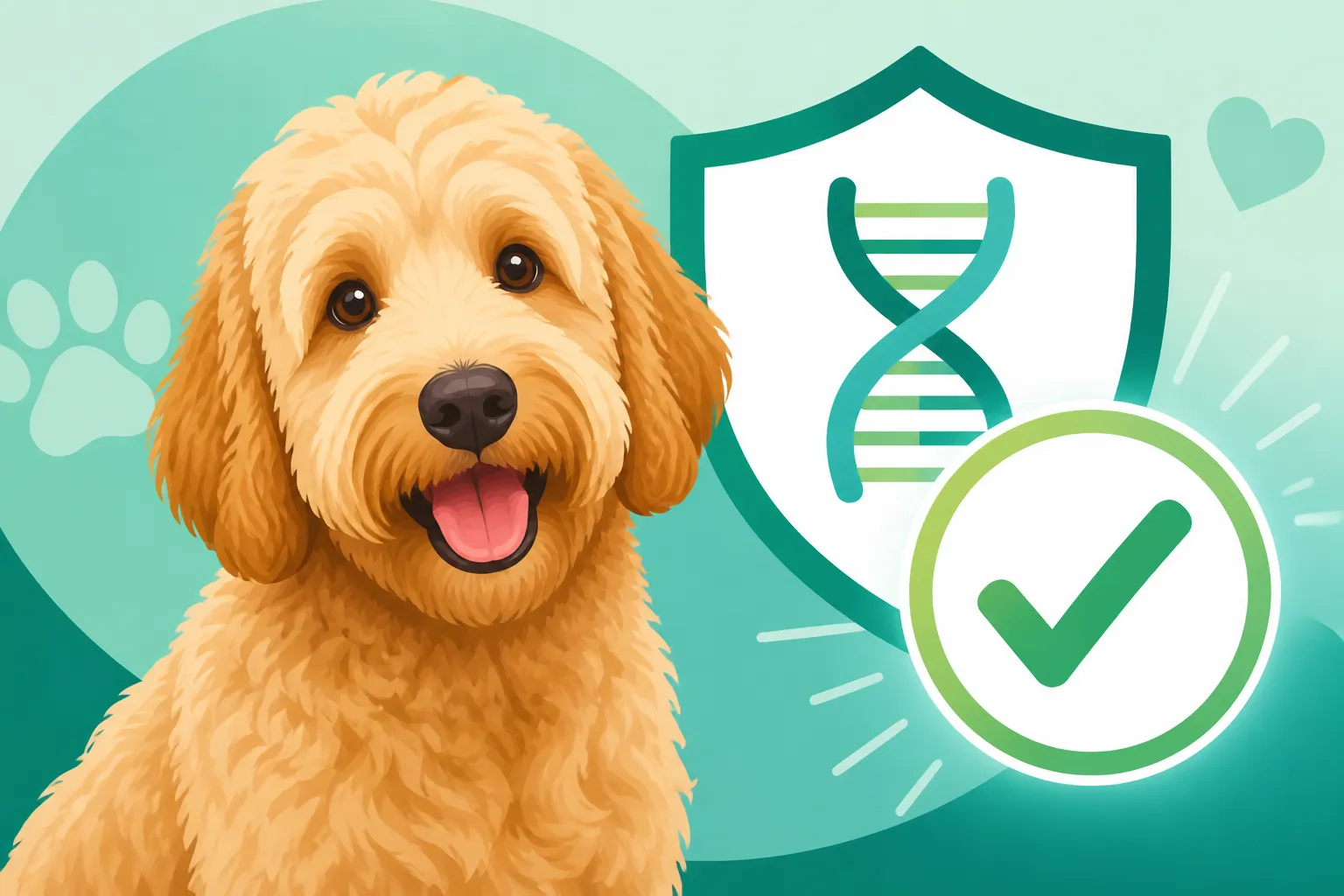
For anyone owning or considering getting a Labradoodle, understanding the EIC DNA test is paramount. This simple test is a game-changer because it allows you to definitively know your dog's genetic status for EIC, long before any potential symptoms might appear. It's truly the best way to safeguard your Labradoodle's health and make informed breeding or purchasing decisions.
How the Test Works
Getting your Labradoodle tested for EIC is remarkably straightforward and non-invasive. Most commonly, it involves a simple cheek swab. You can often obtain a testing kit directly from a veterinary genetic testing laboratory. The kit typically includes sterile cotton swabs. You'll gently swab the inside of your dog's cheek for about 10-20 seconds to collect enough cheek cells (containing DNA). It's crucial to ensure your dog hasn't eaten or drunk anything for at least 30 minutes prior to prevent contamination.
Once you've collected the sample, you'll let the swab air dry according to the instructions, then place it in the provided packaging and mail it back to the lab. Within a few weeks, you'll receive a detailed report outlining your dog's EIC genetic status. Some breeders may even have puppies tested before they go to their new homes, providing this information upfront. This proactive step can provide tremendous relief and guidance for how to manage your dog's exercise.
Interpreting the Results
The results of an EIC DNA test will typically fall into one of three categories:
- Clear (or Normal): This is the best-case scenario. A "clear" dog has two normal copies of the DNM1 gene and does not carry the EIC mutation. They will not develop EIC themselves, nor can they pass the gene on to their offspring. This means they can be safely bred with any other dog without the risk of producing EIC-affected puppies.
- Carrier: A "carrier" dog has one normal copy of the DNM1 gene and one copy of the mutated gene. As mentioned, carriers typically do not show symptoms of EIC, though very rarely, some might exhibit extremely mild, fleeting signs under extreme circumstances. The main significance of being a carrier is that they can pass the mutated gene to their puppies. If a carrier is bred with another carrier, there's a 25% chance per puppy of having an affected dog. However, Whether an EIC Carrier Labradoodle Is Safe to Own is generally yes, as long as you're aware of their status and monitor exercise.
- Affected: An "affected" dog has two copies of the mutated DNM1 gene. These dogs are highly likely to develop EIC symptoms during periods of intense exercise. For affected dogs, management of exercise is critical to prevent collapse episodes, and they should never be used for breeding.
Here's a quick summary table of the inheritance patterns:
| Parent 1 Status | Parent 2 Status | Offspring Probabilities (per puppy) |
|---|---|---|
| Clear | Clear | 100% Clear |
| Clear | Carrier | 50% Clear, 50% Carrier |
| Clear | Affected | 100% Carrier |
| Carrier | Carrier | 25% Clear, 50% Carrier, 25% Affected |
| Carrier | Affected | 50% Carrier, 50% Affected |
| Affected | Affected | 100% Affected |
This table clearly illustrates why testing both parents is so critical in responsible breeding.
The Importance of Testing Both Parents
For responsible Labradoodle breeders, EIC DNA testing is not just recommended; it's essential. By testing both prospective parents, breeders can make informed decisions to prevent producing affected puppies. A responsible breeder will never knowingly breed two EIC carriers together. They might, however, breed a carrier with a clear dog, knowing that all puppies will be either clear or carriers, but none will be affected. Those carrier puppies can then be identified through testing and strategically bred in future generations to eventually eliminate the gene from their lines.
As a prospective puppy owner, always ask to see the EIC DNA test results for both parents of your potential puppy. A reputable breeder will be transparent and proud to share these health clearances. If a breeder tells you that their dogs are "clear by parentage" without providing actual test results for the parents themselves, proceed with caution. While "clear by parentage" can be legitimate for puppies whose own parents were tested clear, it shouldn't be a stand-alone claim for the breeding dogs themselves without verifiable proof. Prioritizing Whether Health Tested Parents Add Years to a Labradoodle is a smart choice, as it helps mitigate risks for many conditions, not just EIC. Looking at The Health Tests a Labradoodle Breeder Should Show will give you a comprehensive list of what to expect.
Beyond the Test: Managing EIC and Ensuring Health
Even with the best intentions and rigorous testing, life with dogs can throw curveballs. What if your beloved Labradoodle is a carrier, or even, in rare cases from a less reputable breeder, affected? Or what about the countless other health concerns that pop up? Proactive care and knowledge are your best defense.
Living with an EIC Carrier or Affected Labradoodle
If your Labradoodle is a carrier, honestly, for most owners, it won't change much day-to-day. Since carriers typically don't show symptoms, you can still enjoy all the wonderful activities with your dog. The main consideration is ensuring they aren't bred without careful planning. If, however, your Labradoodle is one of the rare affected dogs, managing their activity becomes paramount.
For an affected Labradoodle, it's about moderation and understanding their limits. This means avoiding those sustained, high-intensity fetch sessions or long, fast runs, especially on hot days. Instead, opt for shorter, less strenuous play, swimming (which can be great low-impact exercise), or mental stimulation games. You'll become an expert at reading your dog's body language and recognizing the early signs of fatigue before a collapse occurs. Many owners find that they can still provide a fulfilling life for their affected Labradoodle, just with a more mindful approach to exercise. Check out our guide on Exercising a Labradoodle That Carries EIC for more specific tips. It's also important to remember that What Triggers a Labradoodle's Collapse Episode can vary, so observe your individual dog closely.
Choosing a Responsible Breeder
When bringing a new Labradoodle puppy into your home, the breeder you choose plays an enormous role in your dog's future health. A responsible breeder will prioritize the health and temperament of their breeding dogs above all else. This means they will perform all recommended genetic health tests, including the EIC DNA test, on both parents. They should be transparent with these results and willing to discuss their breeding practices openly.
Beyond EIC, they should also screen for other common Labradoodle health issues, such as hip and elbow dysplasia, eye conditions like progressive retinal atrophy, and cardiac health. They will likely be members of reputable breed clubs or associations that uphold high breeding standards. A good breeder will also provide a health guarantee for their puppies and be a lifelong resource for you as your dog grows. Don't be afraid to ask tough questions; a good breeder welcomes them. You don't want to find yourself dealing with unexpected, expensive health issues down the line that could have been prevented with proper screening, which is where having good pet insurance like that offered by Healthy Paws can really help cushion the financial blow.
Broader Health Considerations for Your Labradoodle
While EIC is a serious concern, it's just one piece of the puzzle when it comes to your Labradoodle's overall health and lifespan. Labradoodles, like all breeds, can be prone to a variety of other conditions inherited from their Poodle and Labrador ancestors. These include orthopedic issues like hip and elbow dysplasia, various eye conditions, certain cancers, and endocrine disorders like Addison's Disease.
Regular veterinary check-ups are non-negotiable, and maintaining a healthy weight is crucial, as The Weight a Labradoodle Puts On Without Anyone Noticing can exacerbate joint problems. A balanced diet, appropriate exercise for their age and size, and consistent grooming to prevent skin issues are all part of responsible ownership. Unexpected illnesses and accidents happen, and having a reliable pet insurance plan from a provider like Healthy Paws can make a significant difference in your ability to provide the best possible care without financial stress. It’s also wise to research Whether Two Carrier Parents Are a Problem in Labradoodles for other genetic conditions if you're considering breeding or concerned about a rescue dog's unknown parentage. Investing in preventative care and being prepared for potential health challenges is simply part of being a loving Labradoodle owner. Knowing you have resources like Healthy Paws can alleviate some of the worries that come with pet ownership.
Disclaimer
This article is for general informational purposes only and does not constitute professional advice. Laws, prices and regulations vary by location and change over time. Consult a qualified professional for guidance on your specific situation.