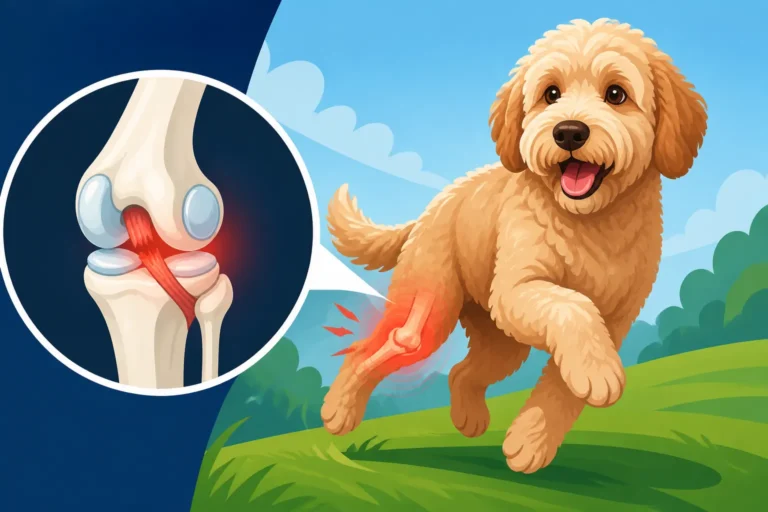
Cancer in an Older Labradoodle
Finding out your beloved Labradoodle, who has been your shadow and joy for years, might have cancer is one of the most heartbreaking moments a pet parent can face. It’s a terrifying diagnosis, often accompanied by confusion, fear, and a mountain of questions about what comes next. This guide aims to demystify the complex world of cancer in older Labradoodles, offering a compassionate, realistic look at recognizing signs, understanding diagnoses, and navigating treatment options to ensure your furry family member receives the best possible care during their golden years.
Understanding Why Cancer Strikes Older Labradoodles
It's a tough reality that as our Labradoodles age, their risk of developing cancer increases significantly. Just like in humans, the cells in an older dog's body have had more time to accumulate damage, leading to mutations that can result in uncontrolled cell growth. This isn't a reflection of anything you've done wrong; it's simply a part of the aging process. However, understanding some of the predispositions can help you be more vigilant.
Genetic Predispositions from Parent Breeds
Labradoodles are a wonderful mix of Labrador Retrievers and Poodles, and unfortunately, both parent breeds bring their own set of genetic predispositions to certain types of cancer. For example, Labradors are known to have a higher incidence of mast cell tumors and lymphoma, while Poodles can be prone to certain skin cancers and hemangiosarcoma. When these lines combine in a Labradoodle, there's a chance they inherit a blend of these genetic susceptibilities. It’s not a guarantee, of course, but it means that some Labradoodles might be walking around with a slightly higher genetic lottery ticket for particular cancers. This makes regular check-ups and being aware of any subtle changes even more critical as they enter their senior years, typically around the age we consider them senior, which is often around The Birthday a Labradoodle Counts as Senior.
It’s not just about what they inherit, though. Lifestyle factors and environmental exposures over a lifetime also play a role. Think about your Labradoodle's life: what they eat, where they play, any chemicals they might have been exposed to. While it's impossible to shield them from everything, recognizing these background risks helps us approach their senior health with an informed perspective. It truly emphasizes the importance of a watchful eye and proactive veterinary care as they age.
The Role of Age in Cancer Development
Age truly is the biggest risk factor for cancer in dogs, including our beloved Labradoodles. As dogs get older, their immune systems naturally become less efficient at identifying and destroying abnormal cells. This decline in immune surveillance means that those tiny cellular errors that might have been corrected in their youth can now go unchecked, leading to tumor formation. It’s a gradual process, often starting long before any visible signs appear.
Beyond the immune system, the cumulative effect of environmental factors also takes its toll. Years of exposure to various carcinogens – whether from pesticides in the yard, cigarette smoke, or even just natural metabolic byproducts – can chip away at cellular health. This combination of an aging immune system and accumulated cellular damage creates a fertile ground for cancer to take hold. It’s why What a Labradoodle Owner Should Watch For After Eight often includes a heightened awareness for any new lumps, bumps, or unexplained changes in behavior or appetite. It's not that older dogs are destined to get cancer, but the odds unfortunately increase with each passing year.
Spotting the Subtle Red Flags: Recognizing Cancer Symptoms
One of the trickiest parts about cancer in older Labradoodles is that the early signs can be incredibly subtle, easily mistaken for general aging, or even ignored until they become more pronounced. Our dogs are masters at hiding discomfort, a remnant of their wild ancestors who wouldn't show weakness. This means you, as their dedicated owner, need to be their advocate and pay close attention to any deviations from their normal routine or physical state.
Changes in Lumps, Bumps, and Skin Anomalies
Every Labradoodle owner knows the joy of running their hands through that glorious coat. This is also your best opportunity to perform regular "pat-downs" for any new growths or changes. What might seem like an innocent fatty lump (lipoma) today could, over time, become something more concerning. Always pay attention to:
- New Lumps or Bumps: Any new growth, regardless of size or location, warrants a vet visit. Even if it feels soft and movable, it's best to get it checked out.
- Changes in Existing Lumps: Perhaps your Labradoodle has had a benign fatty tumor for years. Has it suddenly grown rapidly? Changed shape or color? Become firm? Is it bothering them or bleeding? These are all red flags.
- Skin Lesions or Sores That Don't Heal: If you notice a persistent sore, a crusty patch, or an area of skin that just won't seem to heal, especially on the nose, ears, or abdomen, it could be a sign of skin cancer. Melanoma and squamous cell carcinoma are possibilities, particularly in areas with less hair or sun exposure.
Many owners find themselves thinking, "Oh, it's just a wart," or "That's probably just another fatty lump," especially as their dogs get older. It's completely natural to want to dismiss these things. But remember, when it comes to a lump under a Labradoodle's coat that gets missed, early detection is paramount. A quick needle aspirate or biopsy can often differentiate between something benign and something serious, saving precious time.
Behavioral Shifts and Energy Levels
Beyond physical lumps, cancer can manifest through very noticeable changes in your Labradoodle's daily behavior and energy. These are often the first, most insidious signs that something isn't quite right, but they're also the easiest to attribute to "just getting old."
- Lethargy and Decreased Stamina: Is your once-energetic Labradoodle suddenly less interested in walks, or tiring out much faster? Do they seem generally "off" or reluctant to play? A persistent lack of energy or increased sleeping can be a sign of many underlying health issues, including cancer, especially if it's progressing rapidly.
- Loss of Appetite or Pickiness: Most Labradoodles are food motivated, so a sudden disinterest in food, or becoming very picky about what they eat, is a significant red flag. They might nibble or refuse meals entirely. This could indicate pain, nausea, or a mass interfering with their digestive system.
- Unexplained Weight Loss: Even if your Labradoodle is still eating, if they're losing weight without any change in diet or exercise, it's cause for concern. Cancer cells can consume a huge amount of energy, leading to muscle wasting and overall weight loss. It can be hard to notice The Weight a Labradoodle Puts On Without Anyone Noticing let alone loses, beneath all that fluffy coat, so regular weigh-ins at home or during vet visits are key.
It’s easy to think, "Well, they're ten, they're just slowing down." And yes, aging dogs do slow down. But a sudden or dramatic shift in behavior or energy that isn't temporary should always prompt a call to your vet. Don't dismiss these changes as merely signs of old age; they could be critical clues your Labradoodle is trying to give you.
Digestive and Respiratory Troubles
Sometimes, cancer can affect internal organs, leading to symptoms that are less obvious than external lumps but equally concerning. Pay close attention to any persistent digestive or respiratory issues.
- Chronic Vomiting or Diarrhea: While occasional digestive upset is normal, if your Labradoodle is experiencing frequent or prolonged bouts of vomiting, diarrhea, or changes in stool consistency, it could be a sign of gastrointestinal cancer or a tumor pressing on digestive organs. These symptoms might come and go, making them frustratingly hard to pinpoint.
- Difficulty Breathing or Persistent Cough: Labradoodles are generally active dogs, and any change in their breathing patterns should be noted. A persistent cough, especially if it's unproductive or worsens with exercise, could indicate lung cancer or cancer that has spread to the lungs. Similarly, increased panting without exertion or labored breathing are serious signs that require immediate veterinary attention.
- Bloating or Abdominal Distension: While bloat (GDV) is an acute emergency, particularly in deep-chested breeds like the Poodle side of a Labradoodle, persistent or unexplained abdominal swelling could also point to internal tumors, fluid accumulation (ascites), or organ enlargement due to cancer. If your Labradoodle’s belly looks bigger or feels firmer than usual, especially without recent overeating, it’s worth investigating.
These internal symptoms are often more insidious than external ones because you can't see the tumor directly. Your vigilance in noticing these consistent changes can literally be life-saving, prompting earlier diagnosis and potentially more effective treatment.
The Diagnostic Journey for an Older Labradoodle
Once you’ve noticed something concerning, the next step is a trip to the veterinarian. This can feel daunting, especially when the "C" word is looming, but your vet is your best partner in unraveling what's going on. They have the tools and expertise to move beyond suspicion and get to a definitive diagnosis.
Initial Veterinary Examination and Bloodwork
Your vet will start with a thorough physical examination. This isn't just a quick pat-down; they’ll meticulously palpate your Labradoodle's body, checking lymph nodes, feeling the abdomen, listening to the heart and lungs, and examining their mouth, eyes, and ears. This comprehensive check can often reveal lumps, tenderness, or other abnormalities you might have missed.
Following the physical exam, bloodwork is usually the next step. A complete blood count (CBC) can reveal anemia (low red blood cells), which can be a sign of internal bleeding from a tumor or bone marrow involvement. It might also show an elevated white blood cell count, indicating inflammation or infection, which can sometimes accompany tumors. A chemistry panel assesses organ function (kidney, liver, etc.) and can detect imbalances caused by cancer or its impact on the body. While bloodwork rarely gives a definitive cancer diagnosis on its own, it provides crucial clues and helps your vet understand your dog's overall health picture, which is vital before considering more invasive diagnostics or treatments. It's often the first step in The Yearly Screening a Labradoodle Should Get as they age.
Imaging and Biopsies: Getting a Clearer Picture
If the physical exam or bloodwork raises red flags, your vet will likely recommend further diagnostics. This is where things can get a bit more involved, but these steps are essential for confirming a diagnosis and understanding the extent of any potential cancer.
- Radiographs (X-rays): X-rays are excellent for looking at bones and lungs. If your Labradoodle is limping, X-rays might reveal bone tumors like osteosarcoma. For persistent coughing or breathing issues, chest X-rays can show masses in the lungs or enlarged lymph nodes.
- Ultrasound: An abdominal ultrasound provides a much more detailed view of soft tissues and internal organs like the liver, spleen, kidneys, and gastrointestinal tract. It can detect tumors, assess their size, and determine if they've spread to nearby organs. This is often how a vet might find, for example, a hemangiosarcoma on the spleen.
- Biopsy or Fine Needle Aspirate (FNA): This is often the gold standard for diagnosis. For external lumps, an FNA involves using a small needle to collect cells directly from the mass. It's minimally invasive and can often be done in the exam room. If the FNA isn't conclusive, or for internal masses, a surgical biopsy might be necessary. This involves removing a small piece of the tumor (or the entire tumor if it's small and accessible) for pathological examination. The lab report will not only confirm if it's cancer but also identify the specific type and often its grade (how aggressive it is). This information is crucial for determining prognosis and treatment options.
It's natural to feel overwhelmed by the battery of tests, and the costs can certainly add up. Many pet parents find comfort in knowing that pet insurance providers like Healthy Paws can often help cover a significant portion of these diagnostic expenses, easing the financial burden during such a stressful time.
Specific Cancer Types Common in Labradoodles
Given their genetic background, some cancer types are more frequently seen in Labradoodles. Knowing what to look for can help you identify symptoms sooner.
- Lymphoma: This is a cancer of the lymphatic system, which is part of the immune system. It often presents as enlarged lymph nodes, which you might feel as firm, movable lumps under your dog's jaw, in their armpits, or behind their knees. Other signs can include lethargy, weight loss, and decreased appetite. Whether Labradoodles Get Lymphoma is a real concern for owners, as it can be quite aggressive.
- Mast Cell Tumors: These skin tumors can appear anywhere on the body and can vary greatly in appearance, from a small lump that looks like a wart to an angry, red, ulcerated mass. They can also be internal. They are sometimes called "the great imitator" because they can look like anything. They can fluctuate in size, becoming itchy or red when irritated. Mast Cell Tumors on a Labradoodle require prompt attention due to their potential to spread.
- Osteosarcoma: A very aggressive bone cancer often seen in larger breeds. If your older Labradoodle develops unexplained lameness, swelling in a limb (especially near a joint), or pain when touched, osteosarcoma could be a concern. It can be incredibly painful.
- Hemangiosarcoma: This is a highly malignant cancer of the blood vessel lining, often affecting the spleen, heart, or liver. It's insidious because internal bleeding can occur with minimal external signs until it becomes an emergency. Symptoms can include sudden weakness, pale gums, a distended abdomen, or collapse.
Each of these cancers requires a specific diagnostic approach and treatment plan. A confirmed diagnosis is the first step toward understanding the path forward.
Navigating Treatment Options and Palliative Care
Receiving a cancer diagnosis for your older Labradoodle is a profoundly emotional experience. It opens a floodgate of questions: "Can it be treated?", "What are the chances?", "Will they suffer?" The good news is that veterinary oncology has advanced tremendously, offering various treatment options tailored to your dog's specific cancer, age, and overall health.
Surgical Intervention
For many solid tumors, surgery remains the primary and most effective treatment option. If the tumor is localized and hasn't spread, surgical removal can be curative. For example, if your Labradoodle has a mast cell tumor that is easily accessible and contained, removing it with wide margins can prevent recurrence. Similarly, an isolated tumor on the spleen might be removed.
However, surgery on an older Labradoodle comes with its own set of considerations. Their bodies might not recover as quickly, and there are inherent risks with anesthesia. Your vet will conduct thorough pre-surgical screenings to assess organ function and overall fitness for surgery. This includes ensuring Whether Anesthesia Is Safe for an Addisonian Labradoodle or any other underlying health conditions they might have. Post-operative care is also crucial, involving pain management, wound care, and restricted activity to allow for proper healing. The goal is always to balance the benefits of tumor removal with your dog's quality of life during recovery.
Chemotherapy and Radiation Therapy
Just like in human medicine, chemotherapy and radiation therapy are vital tools in treating cancer in dogs.
- Chemotherapy: Often used for systemic cancers like lymphoma, or as an adjunctive treatment after surgery to catch any microscopic cancer cells that might have been left behind or spread. Canine chemotherapy protocols are generally designed to be less aggressive than human ones, focusing on maintaining a good quality of life. Side effects are typically milder and may include transient nausea, decreased appetite, or temporary hair thinning (though most Labradoodles don't lose their curly coats). Your vet will carefully monitor your Labradoodle's bloodwork throughout treatment to manage any side effects.
- Radiation Therapy: Involves using high-energy radiation to target and destroy cancer cells. It's often used for localized tumors that are difficult to remove surgically, or to alleviate pain from bone tumors. Radiation typically requires several treatment sessions, usually under general anesthesia, which means it’s a significant commitment and often requires visits to a specialized oncology center. Side effects are localized to the treated area, such as skin irritation or temporary hair loss.
Deciding on chemotherapy or radiation is a complex discussion between you and your veterinary oncologist, weighing the potential benefits against the financial commitment and the impact on your Labradoodle's daily life. It's during these times that a good pet insurance plan from a provider like Healthy Paws can be incredibly valuable, helping to cover the high costs associated with advanced cancer treatments.
Palliative Care and Comfort Management
Sometimes, a cure isn't possible, or the treatments would significantly diminish your Labradoodle's quality of life. In these situations, the focus shifts entirely to palliative care – making your dog as comfortable and happy as possible for their remaining time. This is not "giving up"; it's a compassionate choice to prioritize comfort and dignity.
Palliative care can include:
- Pain Management: Aggressive use of pain medications, anti-inflammatory drugs, and sometimes even alternative therapies like acupuncture or therapeutic laser, to keep your Labradoodle free from discomfort.
- Nutritional Support: Tailoring their diet to maintain weight, stimulate appetite, and provide essential nutrients, especially important when they are becoming picky with food.
- Symptomatic Treatment: Addressing symptoms like nausea, vomiting, or diarrhea with appropriate medications to improve their daily comfort.
- Quality of Life Assessments: Regularly evaluating your Labradoodle's happiness, appetite, mobility, and engagement. This helps you and your vet make informed decisions about when the tough choices might need to be made, ensuring they don't suffer unnecessarily.
This phase of care is deeply personal and incredibly challenging. It's about cherishing every moment and ensuring your loyal companion feels loved and at peace.
Supporting Your Senior Labradoodle Through Cancer
Living with a Labradoodle diagnosed with cancer, especially in their golden years, demands a holistic approach to care. It’s not just about medication and vet visits; it’s about nurturing their emotional well-being, adjusting their lifestyle, and maintaining your own strength through a challenging time.
Nutritional Adjustments and Appetite Support
Cancer can play havoc with a dog's appetite and metabolism. It's not uncommon for Labradoodles undergoing cancer treatment to become finicky eaters or lose weight. Providing optimal nutrition becomes critical for supporting their immune system and overall strength.
- High-Quality, Digestible Food: Your vet or a veterinary nutritionist might recommend a specialized diet that is highly palatable, nutrient-dense, and easy to digest. Often, this means higher protein and fat content.
- Appetite Stimulants: For dogs struggling to eat, your vet might prescribe appetite stimulants.
- Small, Frequent Meals: Instead of two large meals, offer smaller portions throughout the day.
- Warming Food and Add-ins: Warming food slightly can enhance its aroma and appeal. Adding low-sodium broth, cottage cheese, or a tiny bit of cooked chicken can also entice a hesitant eater. Remember to consult your vet before adding anything new to their diet, as some supplements or human foods can interfere with medications or specific health conditions.
Keeping track of The Weight a Labradoodle Should Hold is a good practice, and even more so when they are fighting cancer. Any sudden drops should be discussed with your vet immediately.
Maintaining Comfort and Mobility
As cancer progresses, or as a side effect of treatment, your Labradoodle might experience pain, weakness, or reduced mobility. Ensuring their physical comfort is paramount.
- Orthopedic Beds: Provide a soft, supportive orthopedic bed to cushion joints and prevent pressure sores.
- Ramps or Steps: If they struggle with stairs or jumping onto furniture, introduce ramps or pet steps to help them access their favorite spots without strain. This is especially helpful for breeds prone to joint issues like Hips and Elbows in a Sixty Pound Labradoodle.
- Assistance Harnesses: For larger Labradoodles that have difficulty rising or walking, a sling or full-body assistance harness can provide support and help you move them safely. Supporting a larger dog can be tough, as discussed in Supporting a Sixty Pound Labradoodle That Cannot Rise.
- Gentle Exercise: While intense exercise might be out, gentle, short walks can still provide mental stimulation and help maintain muscle mass, as long as your Labradoodle is comfortable. Always listen to your dog and don't push them if they're showing signs of pain or fatigue.
Regular pain assessments by your vet are crucial, as their pain needs may change. Don't hesitate to advocate for strong pain relief if you suspect your Labradoodle is uncomfortable.
Emotional Support for Your Labradoodle and Yourself
Your Labradoodle is incredibly attuned to your emotions. Staying calm and positive, even when your heart is breaking, can provide immense comfort to them. Spend extra quality time together, offer gentle reassurance, and maintain as much of their routine as possible.
For you, the owner, it’s vital to acknowledge the immense emotional toll this journey takes. It’s okay to feel sad, angry, or overwhelmed. Seek support from friends, family, or online communities of pet parents who have walked a similar path. Consider consulting with a pet bereavement counselor if you're struggling. This process is tough, and you don't have to go through it alone. Remember that providing the best care for your Labradoodle often means taking care of yourself too.
The Difficult Decisions: Quality of Life
As your Labradoodle ages and potentially battles cancer, there will come a point where you need to honestly assess their quality of life. This is perhaps the hardest aspect of pet ownership, but it's a profound act of love.
Assessing Your Labradoodle's Daily Life
There are many tools and scales available to help you objectively assess your Labradoodle's quality of life. These often look at factors such as:
- Pain Management: Is their pain adequately controlled, or are they constantly uncomfortable despite medication?
- Appetite and Hydration: Are they eating and drinking enough, or are they severely underweight and dehydrated?
- Hygiene: Can they still keep themselves clean, or are they experiencing frequent accidents and unable to move away from them?
- Happiness and Engagement: Do they still show interest in their favorite activities, wag their tail, seek your affection, or do they seem withdrawn and depressed? This is where observing for signs of Canine Cognitive Decline in an Old Labradoodle might overlap with cancer symptoms, adding to the complexity.
- Mobility: Can they move around on their own, or are they struggling constantly, unable to get up without significant help?
It’s helpful to keep a journal of their good days and bad days. Sometimes, we become so accustomed to their gradual decline that we forget what a truly good day looked like. This helps you and your vet make an informed decision when the time comes.
Understanding When It's Time
The decision of when to say goodbye is agonizing and deeply personal. There's no right or wrong answer, and no one can make it for you. It's about finding that delicate balance where the bad days begin to consistently outweigh the good ones, and where their suffering cannot be alleviated.
Your vet will be a crucial partner in this discussion. They can provide clinical assessments of their condition and help you understand the progression of their disease. They can also offer compassionate guidance on euthanasia, explaining the process and what to expect, ensuring a peaceful transition. Many vets also offer in-home euthanasia, allowing your Labradoodle to pass peacefully in the comfort and familiarity of their own home, surrounded by those they love.
It is absolutely normal to question if you are making the right choice, or if it is too soon, or too late. Trust your instincts, consult with your vet, and remember that making the choice to end suffering is a final act of kindness and love. The memories of your beautiful Labradoodle will live on, a testament to the incredible bond you shared.
Disclaimer
The information provided in this article is intended for general informational purposes only and does not constitute veterinary medical advice. Always consult with a qualified veterinarian for any health concerns or before making any decisions related to your Labradoodle's health and treatment.