Slipping Kneecaps in a Miniature Labradoodle
There’s nothing quite like the boundless energy of a Miniature Labradoodle, but when you notice that little skip in their step or a sudden lameness, a wave of worry can wash over you. Many Miniature Labradoodle owners grapple with the concern of slipping kneecaps, a condition that can cause discomfort and impact their beloved companion’s quality of life. This guide is here to shed light on what a slipping kneecap actually means, why it’s particularly common in smaller doodles, how to spot the signs, and most importantly, what you can do to manage and treat it effectively.
Understanding Patellar Luxation in Miniature Labradoodles
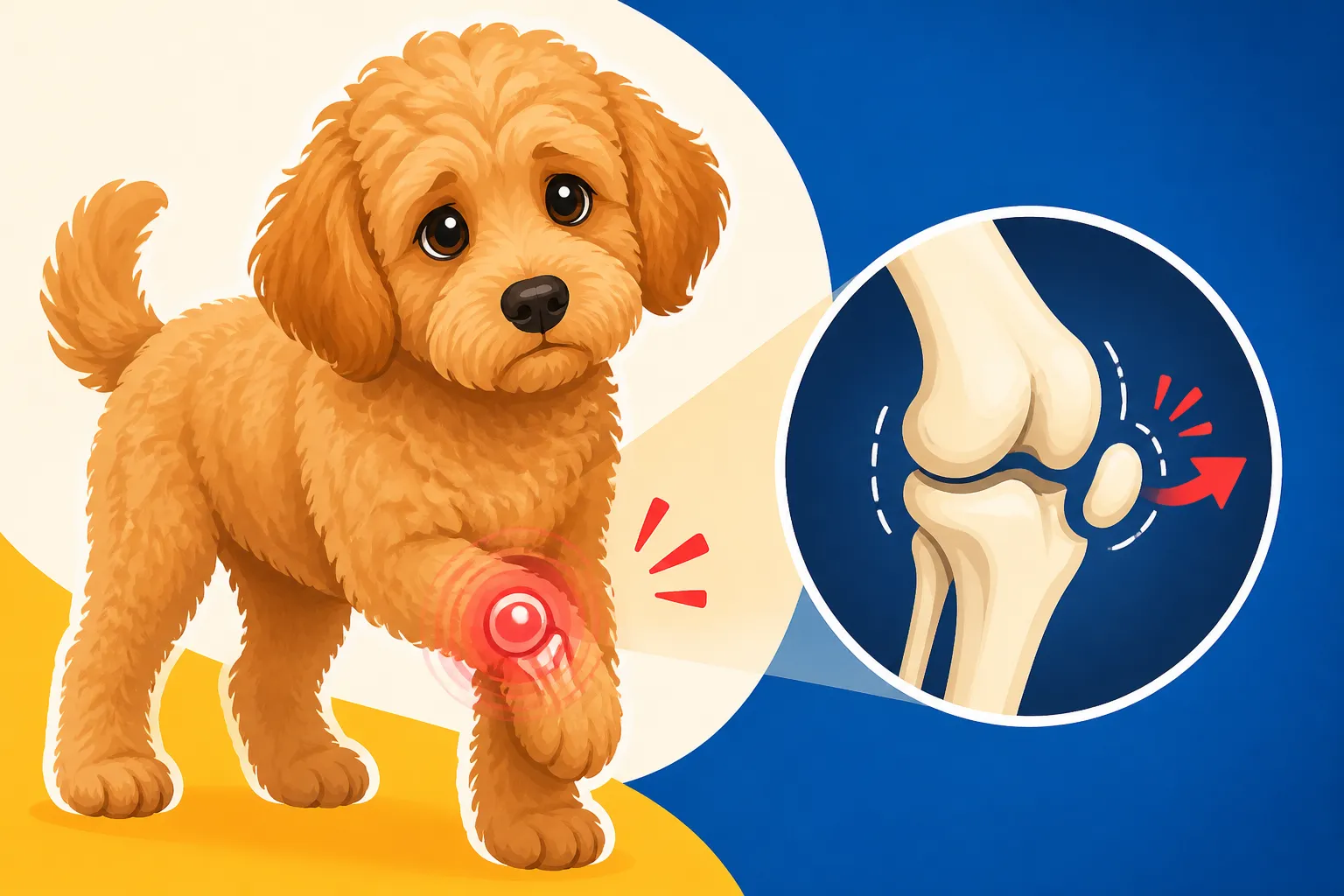
When we talk about a "slipping kneecap" in dogs, the veterinary term is patellar luxation. It sounds a bit intimidating, but it simply refers to the kneecap (patella) dislocating or slipping out of its normal groove (trochlear groove) on the thigh bone (femur). For Miniature Labradoodles, this condition is more prevalent due to their genetic makeup and smaller stature.
What Exactly is a Slipping Kneecap?
Imagine your knee joint: the kneecap sits in a shallow groove at the end of your thigh bone, held in place by ligaments and muscles. In a dog with patellar luxation, this groove isn't deep enough, or the ligaments aren't strong enough, allowing the kneecap to pop out to either the inside (medial luxation) or outside (lateral luxation) of the leg. Medial luxation is far more common, especially in small breeds like the Miniature Labradoodle.
The kneecap needs to slide smoothly within this groove for proper leg movement. When it slips, it can cause pain, instability, and an altered gait. Sometimes, it pops back into place on its own, which is why owners often observe an intermittent limp or skip. Other times, it stays dislocated, leading to more persistent lameness. Over time, the constant rubbing and abnormal movement can lead to cartilage damage and early onset arthritis in the joint, which is something every owner wants to avoid.
Why Miniature Labradoodles are Prone to This Condition
It's no secret that the "doodle" breeds are a mix, and with that mix comes a blend of genetic predispositions. In the case of Miniature Labradoodles, the propensity for patellar luxation largely stems from their Poodle heritage. Miniature Poodles are one of the breeds most commonly affected by this condition, and when they're crossed with Labradors to create the Labradoodle, this genetic trait can be passed down. It's not just about the Poodle genes, though. Smaller breeds, in general, tend to have more delicate bone structures and often a shallower trochlear groove by design, making them inherently more susceptible to the kneecap slipping out.
The way a Miniature Labradoodle develops, particularly during their rapid growth phases as a puppy, can also play a role. If their bones don't grow in perfect alignment, it can increase the chances of the kneecap not tracking correctly in its groove. This means that even with the best intentions and responsible breeding, an owner might still encounter this issue. That's why understanding The Health Tests a Labradoodle Breeder Should Show is so important when selecting a puppy, as a good breeder will screen their breeding stock for patellar luxation to minimize the risk.
Recognizing the Signs and Symptoms
Spotting a slipping kneecap can sometimes be tricky because the symptoms can be intermittent and vary in severity. It's not always an obvious, painful limp, especially in the early stages. However, paying close attention to your Miniature Labradoodle's movement and behavior can help you catch it early.
The Tell-Tale Skip and Limp
This is perhaps the most classic and frequently observed sign of patellar luxation. You might be watching your Labradoodle happily trotting along, and suddenly, they'll pick up one hind leg for a few steps, almost as if they've stepped on something. Then, just as quickly, they'll put it down and continue as if nothing happened. This "skipping" motion occurs when the kneecap slips out of its groove, causing the leg to lock up briefly. Once it pops back into place, movement returns to normal.
The frequency and duration of these skips can vary. Some dogs might do it once a week, others several times a day. As the condition progresses, or if the luxation is more severe, the lameness might become more constant, or the skips might be accompanied by a visible flinch or vocalization of pain. It's crucial to understand that even if the limp seems to resolve quickly, the underlying issue is still there, and it's slowly causing wear and tear on the joint.
Other Indicators of Trouble
While the skip is often the first thing owners notice, there are other subtle and not-so-subtle cues that your Miniature Labradoodle might be struggling with a slipping kneecap. One common sign is a reluctance to perform activities they once enjoyed, such as jumping onto the couch, going up or down stairs, or even standing on their hind legs to greet you. They might hesitate, appear stiff, or cry out if they accidentally put weight on the affected leg in a way that causes the kneecap to luxate.
Over time, if the condition is persistent, you might also notice that the muscles in the affected hind leg appear thinner compared to the other leg. This is due to muscle atrophy, as your dog subconsciously avoids putting full weight on the painful limb, leading to disuse. Sometimes, you might even feel a subtle "click" or "pop" if you gently flex and extend their knee, although this is better left to a veterinarian to diagnose. Any changes in your dog's gait, posture, or enthusiasm for physical activity warrant a visit to the vet to rule out patellar luxation or other orthopedic issues like Elbow Dysplasia in a Labradoodle Puppy.
Diagnosis and Grading Patellar Luxation
If you suspect your Miniature Labradoodle might have a slipping kneecap, getting a professional diagnosis from your veterinarian is the crucial next step. They have the expertise to accurately assess the joint and determine the severity of the condition.
The Vet Visit: What to Expect
During your visit, your veterinarian will typically start with a thorough physical examination, including a comprehensive orthopedic assessment. They'll observe your Miniature Labradoodle's gait, paying close attention to how they walk, run, and bear weight on their hind legs. They'll then carefully palpate each knee joint, gently manipulating the kneecap to see if it slips out of its groove. This manipulation often involves extending the leg and rotating the foot to try and induce luxation. It’s usually not painful for the dog, but they might be a little uncomfortable with the handling.
Your vet will also check for other signs like crepitus (a grinding sound or feeling), swelling, or pain response. X-rays are often recommended to assess the bony structures of the knee and hip joints, look for signs of arthritis, and evaluate the depth of the trochlear groove. While the luxation itself might not always be visible on an X-ray if the kneecap is in place, it helps rule out other conditions and gives a clearer picture of the overall joint health. Remember that The Yearly Screening a Labradoodle Should Get often includes a physical exam that can catch these issues early.
Grading the Severity: Understanding the Scale
Once patellar luxation is diagnosed, your vet will assign a grade to the condition, typically on a scale from I to IV. This grading system is essential because it helps determine the most appropriate course of treatment and provides an indication of the potential impact on your dog's quality of life.
Here's a breakdown of what each grade generally means:
| Grade | Description | Clinical Signs |
|---|---|---|
| Grade I | The kneecap can be manually luxated (slipped out) but returns to its normal position spontaneously. | Occasional skipping or intermittent lameness, often mild and infrequent. Dog may show no signs at all. |
| Grade II | The kneecap luxates spontaneously or can be manually luxated, and remains luxated until manually repositioned or the dog extends its stifle. | More frequent skipping, occasional limping, or holding the leg up for longer periods. May show some discomfort. |
| Grade III | The kneecap is permanently luxated but can be manually repositioned into the trochlear groove. | Consistent lameness, abnormal crouched gait, pain, and reluctance to bear full weight on the affected leg. Muscle atrophy may be evident. |
| Grade IV | The kneecap is permanently luxated and cannot be manually repositioned into the trochlear groove. | Severe, persistent lameness, significant pain, and often a severely abnormal gait where the dog may walk with a permanently bent leg. Significant muscle atrophy. |
Understanding these grades is crucial for making informed decisions with your vet about your Miniature Labradoodle's care plan. A Grade I might be managed conservatively, while a Grade IV almost always requires surgical intervention.
Treatment Options for Slipping Kneecaps
Once your Miniature Labradoodle has been diagnosed with patellar luxation, you and your vet can discuss the best course of action. Treatment approaches can range from conservative management for milder cases to surgical intervention for more severe or debilitating conditions.
Conservative Management and Lifestyle Adjustments
For Miniature Labradoodles with Grade I or mild Grade II patellar luxation, or those where surgery isn't an immediate option, conservative management can often be very effective in minimizing symptoms and slowing progression. The cornerstone of this approach is maintaining a healthy weight. Excess weight puts additional strain on all joints, especially compromised ones, exacerbating pain and accelerating wear and tear. Discussing The Weight a Labradoodle Should Hold with your vet can help you establish an ideal weight and diet plan.
Controlled, low-impact exercise is also vital. While you want to avoid activities that involve sudden twisting, jumping, or hard stops (which can dislodge the kneecap), regular walking, swimming, or gentle leash-led activities help build and maintain strong muscles around the knee. Strong quadriceps muscles can help stabilize the kneecap, providing a natural form of support. Physical therapy, including specific exercises and stretches, can be highly beneficial. Many owners also find joint supplements containing ingredients like glucosamine, chondroitin, and MSM helpful. You might be wondering Whether Glucosamine Helps a Labradoodle's Joints, and for many, it can offer supportive relief by promoting cartilage health and reducing inflammation. During flare-ups of pain or discomfort, your vet might prescribe anti-inflammatory medications (NSAIDs) to help manage the symptoms.
Surgical Interventions: When and Why
When conservative measures aren't enough, or if your Miniature Labradoodle has a Grade III or IV luxation, or experiences significant pain and lameness even with milder grades, surgery becomes the most effective treatment option. The goal of surgery is to realign the kneecap within its groove and prevent it from slipping out.
Several surgical techniques are commonly employed, often in combination, to achieve this. One primary procedure is trochlear sulcoplasty (also called trochlear modification), where the shallow femoral groove is deepened to provide a more secure channel for the kneecap to track in. Another common technique is tibial tuberosity transposition, which involves moving the attachment point of the patellar ligament on the shin bone (tibia) to correctly align the kneecap with the deepened groove. Additionally, procedures like lateral imbrication might be performed, where the joint capsule on the side the kneecap is slipping towards is tightened to help hold it in place.
Recovery from surgery is a critical phase and typically involves several weeks of strict rest, followed by a gradual increase in controlled exercise. Physical therapy is often highly recommended post-operatively to help rebuild muscle strength, improve range of motion, and ensure proper healing. While the thought of surgery for your beloved pet is daunting, the success rates for patellar luxation surgery are generally very high, significantly improving the dog's comfort and long-term mobility. For an idea of how similar procedures might be considered, you could look into resources on Whether an FHO Suits a Miniature Labradoodle, even though FHO is specifically for hip issues, the decision-making process for orthopedic surgery in small breeds shares many considerations.
Prevention and Long-Term Care
While some cases of patellar luxation are simply due to genetics and cannot be entirely prevented, there are significant steps you can take to minimize the risk in your Miniature Labradoodle and ensure their long-term joint health.
Responsible Breeding Practices
The most impactful way to reduce the incidence of patellar luxation is through responsible breeding. Reputable breeders understand the genetic component of this condition and meticulously screen their breeding dogs. This means that both parent dogs should have their patellas evaluated by a veterinarian, and ideally, certified as free of luxation by organizations like the Orthopedic Foundation for Animals (OFA). The OFA offers patella certification, which involves a physical examination by a vet to manually assess the kneecaps and grade them. Breeders should be transparent and willing to share these health certificates with prospective puppy buyers.
Choosing a puppy from parents with clear patella certifications significantly decreases the likelihood that your Miniature Labradoodle will develop the condition. While a "clear by parentage" status exists for some genetic diseases, patellar luxation isn't a simple Mendelian trait, and even clear parents can, rarely, produce an affected offspring. However, buying from a breeder who prioritizes health testing, including patella evaluations, shows a commitment to producing healthy puppies and helps ensure Whether Health Tested Parents Add Years to a Labradoodle. This proactive approach helps reduce the genetic predisposition for such orthopedic issues down the line.
Supporting Your Miniature Labradoodle's Joint Health
Even if your Miniature Labradoodle comes from excellent lines with clear health testing, ongoing care plays a huge role in maintaining their joint health. As mentioned earlier, keeping them at a lean, healthy weight is paramount. Every extra pound puts undue stress on their joints, accelerating wear and tear. Your vet can help you determine the ideal weight for your individual dog and recommend a suitable diet.
Appropriate exercise is another key factor. While Miniature Labradoodles are energetic, avoid excessive high-impact activities, especially during their growth phase, which can put strain on developing joints. Instead, focus on regular, moderate exercise like leash walks, swimming, and mental stimulation. These activities build muscle tone around the joints without excessive stress. You can find more specific guidance on The Exercise Limit for a Growing Labradoodle to ensure you're not overdoing it.
High-quality nutrition, potentially supplemented with joint-supporting ingredients, also contributes to overall orthopedic health. Regular veterinary check-ups are essential for monitoring joint health, catching any subtle signs of discomfort, and allowing your vet to intervene early if issues arise. Finally, considering pet insurance from a provider like Healthy Paws can offer peace of mind. Orthopedic conditions like patellar luxation can incur significant veterinary costs, especially if surgery is required, and having a good insurance policy in place can help alleviate the financial burden.
Living with a Miniature Labradoodle with Patellar Luxation
Finding out your Miniature Labradoodle has slipping kneecaps can feel overwhelming, but with the right approach, many dogs live comfortable and happy lives. It's about adapting your home and lifestyle to support their specific needs.
Adapting Your Home Environment
Making a few adjustments around your home can go a long way in minimizing stress on your Miniature Labradoodle's knees and preventing further injury. Think about where your dog jumps frequently. If they love to hop on and off the couch or bed, consider providing dog ramps or steps. These tools allow them to access their favorite spots without the impact of jumping, which can easily cause the kneecap to luxate or worsen an existing condition.
Stairs can also be a challenge, especially for dogs with more severe luxation or during recovery from surgery. Limiting stair access, either by using baby gates or by carrying smaller dogs, can be beneficial. Additionally, ensure your home has non-slip flooring, particularly in areas where your dog runs or plays. Slippery surfaces like hardwood or tile can cause them to splay out, putting awkward strain on their knee joints. Placing rugs or runners in high-traffic areas can provide better traction and confidence for your dog.
Monitoring and Ongoing Management
Living with a Miniature Labradoodle with patellar luxation means committing to ongoing monitoring and management. This isn't a condition that typically "goes away" on its own, so consistent attention to their joint health is paramount. Regular check-ups with your veterinarian are crucial, even if your dog isn't showing obvious signs of discomfort. Your vet can assess the joint, monitor for any changes in luxation grade, and address any early signs of arthritis, a common long-term consequence. These regular visits align with the importance of Keeping a Labradoodle Sound Into Its Teens by addressing health issues proactively.
Pay close attention to your dog's gait, willingness to exercise, and general demeanor. Any increase in lameness, reluctance to move, or signs of pain should prompt a call to your vet. Stick diligently to any prescribed medications, supplements, or physical therapy exercises. If your dog has undergone surgery, faithfully follow the post-operative instructions to ensure the best possible recovery and long-term outcome. Managing a chronic condition like patellar luxation can be costly, and this is where pet insurance, such as a plan from Healthy Paws, can really make a difference by helping to cover the expenses of ongoing vet visits, medications, and potential future interventions, allowing you to focus on your dog's well-being without added financial stress.
Disclaimer
This article is for general informational purposes only and does not constitute professional advice. Laws, prices and regulations vary by location and change over time. Consult a qualified professional for guidance on your specific situation.