The Progressive Retinal Atrophy Labradoodles Are Tested For
It's incredibly distressing to imagine your beloved Labradoodle slowly losing their sight, navigating a once-familiar home with increasing difficulty. This fear is a very real concern for many dog owners, especially when it comes to hereditary conditions. This guide aims to shed light on Progressive Retinal Atrophy (PRA) in Labradoodles, demystifying this genetic eye disease and explaining how responsible testing and informed care can protect your furry family member's vision for as long as possible.
Understanding Progressive Retinal Atrophy in Labradoodles
Progressive Retinal Atrophy (PRA) is a blanket term for a group of genetic diseases that cause the degeneration of the retina in dogs, eventually leading to blindness. For Labradoodles, the most common form we talk about is often linked to the prcd-PRA gene mutation. This isn't just a simple case of blurry vision; it's a profound change that impacts their ability to see the world around them.
What is prcd-PRA?
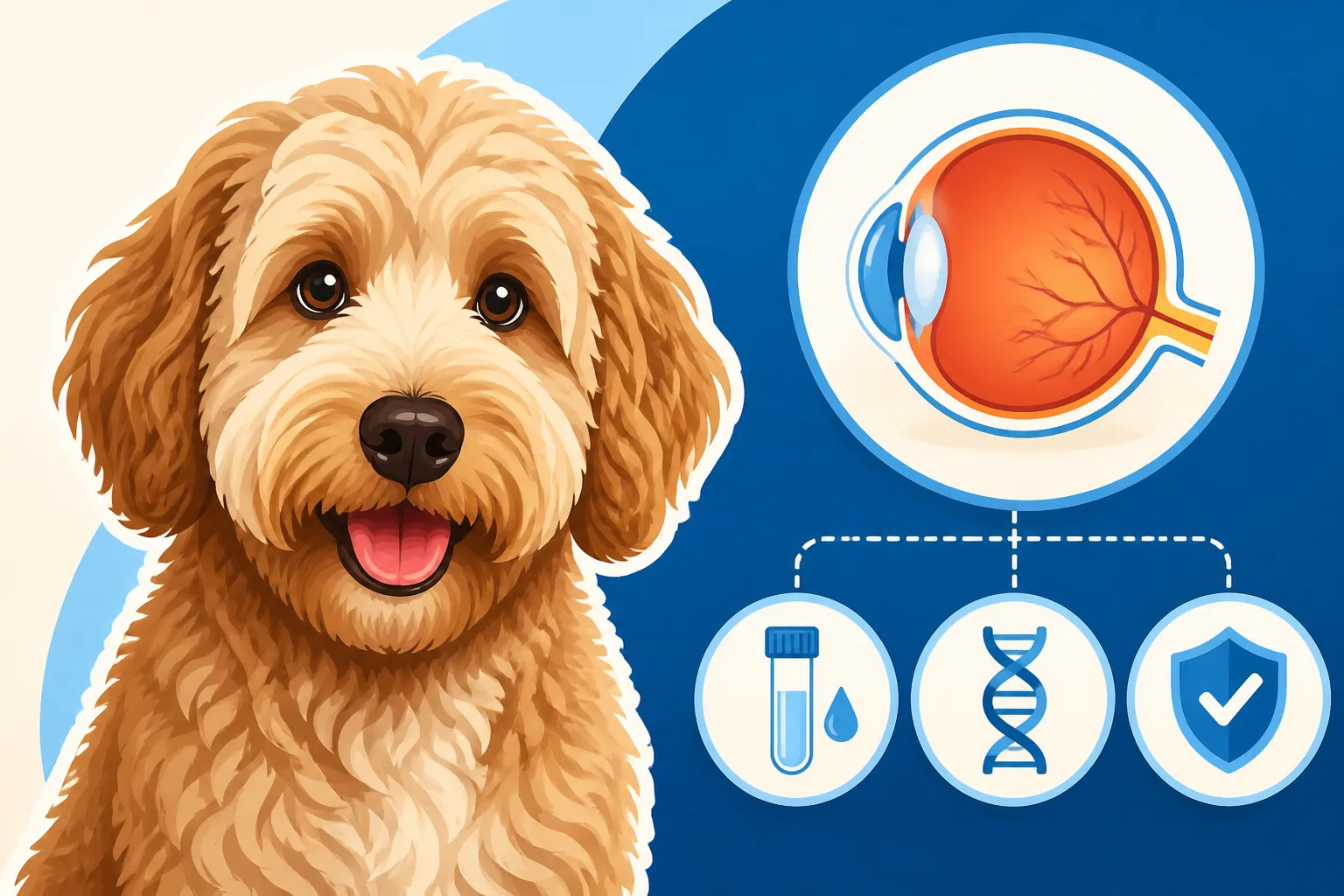
Imagine the back of your dog's eye, the retina, as a delicate film filled with millions of tiny light-sensitive cells – rods for dim light and cones for bright light and color. In a Labradoodle affected by prcd-PRA (Progressive Rod-Cone Degeneration PRA), these cells gradually break down and die. The "prcd" stands for "progressive rod-cone degeneration," which is a perfect description of what happens. Initially, the rod cells, which are crucial for night vision, are affected. This means your otherwise healthy Labradoodle might start bumping into furniture in dimly lit rooms or seem hesitant to go outside after sunset. As the disease progresses, the cone cells also begin to degenerate, leading to a loss of daytime vision as well. This isn't an overnight process; it's a slow, relentless march towards complete blindness, typically unfolding over several months to a few years. It's truly heartbreaking to watch, and a primary reason why awareness and testing are so vital.
How Labradoodles Inherit prcd-PRA
The inheritance of prcd-PRA in Labradoodles follows an autosomal recessive pattern. What does this complicated-sounding term actually mean for your dog? It means that a dog must inherit two copies of the defective gene – one from each parent – to actually develop the disease and eventually go blind. If a Labradoodle inherits only one copy of the defective gene and one normal copy, they are considered a "carrier." A carrier dog will not develop prcd-PRA themselves and will have normal vision throughout their life. However, they can pass that single defective gene on to their offspring.
This is where things get tricky, and why understanding the genetics is so crucial for breeders. If two carrier Labradoodles are bred together, there's a 25% chance with each puppy that it will inherit two copies of the defective gene and be "affected" by prcd-PRA. There's a 50% chance the puppy will be a carrier, and a 25% chance it will be completely clear of the gene. This intricate dance of genetics highlights why responsible breeders are so meticulous with their breeding pairs. Understanding this inheritance pattern is key to appreciating why The prcd-PRA Test Both Labradoodle Parents Need is such a non-negotiable step in ethical breeding programs.
Signs and Symptoms of prcd-PRA in Your Labradoodle
The frustrating part about prcd-PRA is its insidious onset. The earliest signs can be subtle, easily mistaken for normal clumsiness or a dog just being a bit tired. Typically, the first symptom owners notice is a gradual loss of night vision, often referred to as "night blindness." Your Labradoodle might become hesitant to go down stairs in the evening, bump into familiar objects in low light, or be more easily startled by unexpected sounds at dusk. These changes might begin to appear when your Labradoodle is still relatively young, sometimes as early as 3-5 years old, but it can vary. The Age prcd-PRA Takes a Labradoodle's Night Vision can differ depending on the specific genetic mutation and individual dog.
As the disease progresses and cone cells are affected, daytime vision also deteriorates. You might observe your Labradoodle bumping into things even in bright light, becoming more reliant on their other senses, or having trouble finding toys they've dropped. Their pupils might appear more dilated than usual, trying to let in as much light as possible to compensate. If you shine a light into their eyes, you might notice an increased "eye shine" or tapetal reflection, which is a visible change in the reflective layer behind the retina. If you observe any of these signs, don't hesitate to consult your veterinarian for an ophthalmic examination. Early recognition and a proper diagnosis can help you plan for their future care and make necessary adjustments to their environment.
The Importance of Genetic Testing for prcd-PRA
Genetic testing has been a game-changer for many breeds, including the Labradoodle, allowing responsible breeders to make informed decisions and reduce the incidence of hereditary diseases like prcd-PRA. It’s a proactive step that can save countless puppies from a life of blindness and heartache for their future families.
The prcd-PRA DNA Test: What It Is and How It Works
So, how exactly does this test work? It's surprisingly simple and non-invasive. The prcd-PRA DNA test usually involves collecting a buccal swab from inside your Labradoodle's cheek. This simple swab collects cells containing their DNA. This sample is then sent to a specialized veterinary genetic testing laboratory. The lab analyzes the DNA to identify whether your dog carries the specific gene mutation associated with prcd-PRA. The results typically classify your dog into one of three categories: "Clear" (meaning they don't have the mutation and cannot pass it on), "Carrier" (meaning they have one copy of the mutation and won't be affected but can pass it on), or "Affected" (meaning they have two copies of the mutation and will develop the disease). This objective information is invaluable.
Why Breeders Must Test Their Labradoodles
For any ethical Labradoodle breeder, genetic testing for prcd-PRA isn't just a recommendation; it's a fundamental responsibility. Without testing, breeding two carrier dogs together by chance means a significant risk of producing affected puppies. This is a gamble no responsible breeder should take. By knowing the genetic status of their breeding dogs, breeders can strategically plan pairings to ensure that no puppy will ever be affected by prcd-PRA. For instance, a carrier dog can safely be bred to a clear dog, as all offspring will either be clear or carriers, but none will be affected. Whether Health Tested Parents Add Years to a Labradoodle isn't just about longevity; it's about quality of life and preventing entirely avoidable suffering from conditions like PRA. When you're looking for a Labradoodle puppy, always insist on seeing the genetic health clearances for both parents. Asking a Breeder for Labradoodle Eye Certificates is your right as a prospective owner.
Interpreting Your Labradoodle's Test Results
Receiving your Labradoodle's prcd-PRA DNA test results can bring immense clarity, but it's important to understand what each outcome truly signifies.
- Clear: This is the best-case scenario. A "clear" Labradoodle has two normal copies of the gene. They will not develop prcd-PRA and cannot pass the defective gene on to their offspring. This gives you peace of mind regarding this specific disease for your pet, and for breeders, it means this dog can be safely bred with any other tested dog, even a carrier, without producing affected puppies.
- Carrier: A "carrier" Labradoodle has one normal copy and one defective copy of the gene. Critically, these dogs will not develop prcd-PRA themselves; their vision will remain normal. However, they can pass the defective gene to approximately half of their offspring. For pet owners, this simply means your dog is healthy and will have normal vision. For breeders, it means careful selection of a "clear" mate is essential to ensure no affected puppies are born. This addresses the common question of Whether One Clear Parent Is Enough for a Labradoodle for breeding purposes – yes, if the other parent is a carrier, but it's ideal to breed clear to clear to minimize carrier offspring.
- Affected: An "affected" Labradoodle has two copies of the defective gene, one from each parent. These dogs will develop prcd-PRA and will eventually go blind. The onset and progression can vary, but the disease is inevitable. For affected pets, the focus shifts to supportive care and adapting their environment. Affected dogs should never be used for breeding, as they will pass on a defective gene to all their offspring, ensuring all puppies are at least carriers, if not affected themselves.
Living with a Labradoodle Affected by prcd-PRA
Discovering your Labradoodle is affected by prcd-PRA or is already experiencing vision loss can be heartbreaking. However, dogs are incredibly resilient and adapt remarkably well to changes in their vision, especially with a little help and understanding from their human companions. Their other senses become finely tuned, allowing them to navigate their world with surprising grace.
Adapting Your Home Environment for Vision Loss
Creating a safe and predictable environment is paramount for a visually impaired Labradoodle. The key is consistency. Avoid rearranging furniture or leaving obstacles in unexpected places. If you must make changes, guide your dog through the new layout several times. Use familiar scents or textures as markers; for example, a rug at the top and bottom of stairs, or a specific scent near their food and water bowls. Consider placing bells on other pets or even your own shoes so your Labradoodle can track their movements. For their safety, restrict access to stairs, swimming pools, or areas with sharp objects. Baby gates can be invaluable for containing them in safe zones. Consistent routines for feeding, potty breaks, and playtime will also help build their confidence and reduce anxiety.
Maintaining Quality of Life for Your Visually Impaired Labradoodle
A visually impaired Labradoodle can still lead a full and happy life! The focus shifts from sight-based activities to engaging their other senses. Scent work, where they use their incredible noses to find hidden treats or toys, can be hugely rewarding. Interactive puzzle toys that dispense treats are also excellent for mental stimulation. Stick to familiar walking routes, allowing them to rely on their memory and scent trails. When out and about, a leash and harness are essential for their safety. Talk to your dog frequently, using verbal cues to warn them of steps, turns, or obstacles. Consistent vocal cues, like "step up" or "watch out," can become their guiding light. Regular veterinary check-ups are still crucial to monitor their overall health and address any other age-related concerns.
When Vision Loss Affects Other Aspects of Health
While dogs adapt well, severe vision loss can sometimes impact other areas of their well-being. A dog that can no longer see might become more prone to anxiety or fear in unfamiliar situations, leading to changes in behavior. They might become clingier, what some call a "Velcro Labradoodle," as they rely heavily on your presence. Their confidence in new environments can decrease, potentially affecting their desire to exercise or interact with other dogs. Owners need to be extra vigilant to prevent accidents, as a dog that can't see a curb or an approaching person could be injured. It's also vital to ensure other pets or young children in the household understand how to interact gently and respectfully with a dog that can't see them coming. Your vet can provide guidance and resources, and if you have pet insurance like Healthy Paws, it's worth checking if it can help with the costs of veterinary care or specialist consultations should any secondary health issues arise.
Differentiating prcd-PRA from Other Eye Conditions
When your Labradoodle starts showing signs of vision change, it's natural to jump to conclusions, but it's important to remember that not all vision loss is prcd-PRA. There are several other eye conditions that can affect Labradoodles, and a proper diagnosis from a veterinary ophthalmologist is always the first step.
Comparing prcd-PRA to Cataracts in Labradoodles
One of the most common causes of vision impairment in older dogs is cataracts, and they can certainly affect Labradoodles. A cataract is an opacity or cloudiness in the lens of the eye, which blocks light from reaching the retina. Visually, a severe cataract can make your dog's pupil appear cloudy or white. The key differences from prcd-PRA are crucial:
- Appearance: prcd-PRA doesn't usually cause a visible cloudiness in the lens (though secondary cataracts can sometimes develop in affected eyes). Instead, the retina degenerates. Cataracts, however, are a physical change within the lens itself.
- Onset & Progression: While prcd-PRA typically starts with night blindness and progresses slowly, cataracts can appear suddenly or gradually, depending on their cause (genetics, diabetes, injury, or age).
- Genetics vs. Age: While some cataracts are hereditary, many are age-related or secondary to other health issues like diabetes. prcd-PRA is strictly genetic and always progressive.
- Treatment: In many cases, cataracts can be surgically removed to restore vision. prcd-PRA, however, has no cure; once the retinal cells are gone, they cannot be regenerated. This makes understanding Whether Cataract Surgery Suits a Labradoodle a very different conversation than discussing PRA.
Distinguishing prcd-PRA from General Age-Related Vision Decline
Just like humans, dogs experience age-related changes, and their vision isn't immune. One very common age-related change that often gets confused with cataracts or PRA is nuclear sclerosis. This is a normal hardening and graying of the lens nucleus that occurs with age, usually after 6-8 years old. While it might make your Labradoodle's eyes look a little cloudy, it generally causes minimal, if any, vision impairment. It's like presbyopia in humans, where the lens becomes less flexible. Your vet can easily Telling Nuclear Sclerosis From Cataracts in a Labradoodle during a routine eye exam. The key distinction from prcd-PRA is that nuclear sclerosis does not involve retinal degeneration and does not lead to blindness. True age-related vision decline is often a much slower, less debilitating process than prcd-PRA, and it's accompanied by other signs of aging, such as stiffness, hearing loss, or cognitive changes.
The Importance of Regular Ophthalmic Exams
Given the various conditions that can affect a Labradoodle's eyes, regular ophthalmic exams by a qualified veterinarian are incredibly important. These exams, often referred to as CAER (Companion Animal Eye Registry) exams, involve a thorough inspection of all parts of the eye, from the eyelids and cornea to the lens and retina. A veterinary ophthalmologist has specialized equipment and expertise to detect subtle changes that a general practitioner might miss. They can diagnose specific conditions, differentiate between prcd-PRA, cataracts, glaucoma, and other issues, and advise on the best course of action. This is why The Yearly Eye Exam a Labradoodle Should Have is not just a recommendation but a vital part of proactive care, especially as your Labradoodle gets older. Early detection can't cure prcd-PRA, but it can prepare you for the changes to come and ensure your dog receives the best supportive care.
Responsible Breeding Practices and the Future of Labradoodle Eye Health
The responsibility for minimizing hereditary diseases like prcd-PRA ultimately rests with ethical breeders. Their commitment to health testing and transparent practices directly impacts the health and longevity of future Labradoodle generations.
The Role of Health Testing in a Breeding Program
A comprehensive health testing program is the cornerstone of responsible breeding. It goes far beyond just prcd-PRA. For Labradoodles, this typically includes screening for hip and elbow dysplasia, cardiac health, other genetic eye conditions like hereditary cataracts, and other relevant DNA tests. A breeder should be able to provide clear documentation for all health screenings of their breeding dogs, not just verbal assurances. This allows them to make informed decisions about pairings, aiming to produce puppies that are genetically clear of common debilitating conditions. This dedication is what helps ensure the overall vitality of the breed and contributes to Whether Health Tested Parents Add Years to a Labradoodle. It's about more than just a pretty face; it's about a lifetime of health.
Asking a Breeder for Labradoodle Eye Certificates
When you're looking for a Labradoodle puppy, don't be shy about asking direct questions about health testing. A reputable breeder will welcome your questions and be eager to share their health clearances. Specifically for eye health, ask to see the official eye certificates for both parents. These typically come from organizations like the Orthopedic Foundation for Animals (OFA) or the Canine Health Information Center (CHIC) in North America, or equivalent organizations internationally. These certificates should explicitly state the results of prcd-PRA DNA testing (Clear, Carrier, or Affected) and often include recent CAER (eye exam) clearances. Asking a Breeder for Labradoodle Eye Certificates means looking for dated documents with the sire and dam's registered names, not just a generic statement on a website. If a breeder is hesitant or provides vague answers, that's a significant red flag.
Debunking "Clear by Parentage" Claims
Sometimes, a breeder might claim a puppy is "clear by parentage" for prcd-PRA. This means they assert the puppy is clear because both of its parents were genetically tested as "clear" for the condition. In such a scenario, the claim is valid; if both parents are clear, all their offspring will also be clear. However, the phrase "clear by parentage" can sometimes be misused or misunderstood. It is not a substitute for individual testing if one or both parents were only carriers, or if there's any uncertainty about the parentage.
For example, if one parent is a carrier and the other is clear, a puppy cannot be "clear by parentage" as it still has a 50% chance of being a carrier itself. In these cases, individual testing of the puppy is the only way to confirm its status. Therefore, Whether a Labradoodle Clear by Parentage Still Needs Testing depends entirely on the genetic status of the proven parents. Always seek concrete DNA test results for the actual parents to verify such claims, and remember, genetic testing labs generally offer the most reliable results.
Financial Considerations and Support for Eye Health
Caring for a Labradoodle, especially one with specific health needs, involves financial planning. Understanding the costs associated with prcd-PRA testing and potential care is part of being a responsible owner.
The Cost of prcd-PRA Testing and Veterinary Care
The good news is that prcd-PRA DNA testing is relatively affordable, especially when done as part of a comprehensive genetic panel. Typically, a single DNA test can range from $60 to $200, depending on the lab and whether it's bundled with other tests. This upfront cost for breeders is negligible compared to the heartache and expense of managing an affected dog.
If your Labradoodle is affected, the costs shift to ongoing veterinary support and adaptations. This might include:
- Ophthalmic Specialist Consultations: Initial consultations and follow-up exams with a veterinary ophthalmologist can range from $100-$300 per visit.
- Medications: While there's no cure for prcd-PRA, sometimes secondary conditions like glaucoma can develop, requiring specific eye drops or medications, which can be $30-$100+ per month.
- Home Adaptations: While not vet bills, things like baby gates, sensory toys, or specialized harnesses can add up.
- General Vet Visits: Regular check-ups are essential to monitor overall health and address any related anxieties or changes in behavior that may stem from vision loss.
These costs emphasize why considering a pet insurance policy early in your Labradoodle's life is a wise decision.
Pet Insurance and Hereditary Conditions
This is where pet insurance can truly be a lifesaver, though it's crucial to understand the fine print, especially regarding hereditary and pre-existing conditions. Most pet insurance policies, including those from providers like Healthy Paws, will not cover conditions that are diagnosed before enrollment or during a waiting period. This means if your Labradoodle is diagnosed with prcd-PRA before you get insurance, or if signs appear during the policy's waiting period, it will likely be considered a pre-existing condition and excluded from coverage.
However, if you enroll your Labradoodle in a comprehensive policy like Healthy Paws when they are a puppy and before any signs of prcd-PRA appear or a diagnosis is made, then any future diagnostic tests, specialist consultations, or treatments for secondary complications related to prcd-PRA (if covered by your specific plan) could potentially be covered. It's always best to review the policy details thoroughly, paying close attention to hereditary condition coverage and waiting periods, to ensure you have the best possible financial safety net for your furry friend. Being proactive with insurance can alleviate significant financial stress if your Labradoodle ever faces a hereditary health challenge.
| Feature | prcd-PRA (Progressive Retinal Atrophy) | Cataracts | Nuclear Sclerosis (Age-Related) |
|---|---|---|---|
| What it is | Degeneration of retinal cells (rods then cones) | Opacity/cloudiness in the lens of the eye | Normal hardening and graying of the lens nucleus with age |
| Primary Effect | Progressive loss of vision, starting with night blindness | Blocks light from reaching retina, blurring/loss of vision | Minimal to no impact on vision |
| Genetic Basis | Yes, typically autosomal recessive inheritance | Can be hereditary, diabetic, traumatic, or age-related | No, a normal aging change |
| Visible Signs | Dilated pupils, increased eye shine (tapetum), no initial lens cloudiness | Cloudy, white, or opaque appearance within the pupil | Hazy, graying appearance in the pupil, less opaque than cataracts |
| Onset Age | Typically 3-5 years, but can vary | Can be any age (congenital, juvenile, adult, geriatric) | Usually after 6-8 years of age |
| Progression | Always progressive, leading to complete blindness | Can be stable, slowly progressive, or rapidly progressive | Non-progressive once developed |
| Curable/Treatable | No cure; supportive care only | Often treatable with surgery to remove the affected lens | No treatment needed as it does not impair vision |
| Diagnosis | DNA test for prcd-PRA gene; ophthalmic exam confirms retinal changes | Ophthalmic exam | Ophthalmic exam |
Disclaimer
The information provided in this article is for general informational purposes only and is not a substitute for professional veterinary advice. Always consult with a qualified veterinarian or veterinary specialist for any health concerns or before making any decisions about your Labradoodle's care or treatment.