The DNM1 Mutation Behind Labradoodle Collapse
It's incredibly frightening when your active, bouncy Labradoodle suddenly starts to stumble, drag their hind legs, or even completely collapse during a fun game of fetch. Many owners initially fear the worst – a heart attack, a stroke, or something equally devastating. This guide will delve into Exercise Induced Collapse (EIC), a condition specifically linked to the DNM1 gene mutation, to help you understand what's happening, how to get a diagnosis, and most importantly, how to manage your beloved companion's life safely and happily.
Understanding Exercise Induced Collapse EIC in Labradoodles
Seeing your dog go from full-throttle joy to a wobbly, confused mess in mere moments is a truly heart-stopping experience. For Labradoodle owners, this can be particularly distressing given the breed's energetic nature and the expectation of a robust, active companion. Exercise Induced Collapse, or EIC, is a well-documented neurological disorder that can affect several retriever and Poodle crosses, including our wonderful Labradoodles, primarily stemming from their Labrador Retriever heritage. It's not a sign of weakness or poor conditioning, but rather an underlying genetic predisposition.
What EIC Looks Like The Scary Moments
Imagine you're at the dog park, tossing a tennis ball for your Labradoodle, who is sprinting with pure delight. After about 10-20 minutes of intense activity, you might notice something is off. Their gait changes, perhaps their hind legs start to look a little stiff or wobbly, like they're trying to run through thick mud. Sometimes, it progresses quickly to a complete collapse, where the dog is conscious but unable to move their hind limbs, or even all four limbs. Their eyes might dart around, and they might seem a bit disoriented or dazed, but they are typically aware of their surroundings. This episode of paralysis or severe weakness can last anywhere from 5 to 25 minutes, slowly resolving on its own.
During these episodes, it's common for owners to panic, thinking their dog is experiencing extreme pain or is dying. However, affected dogs usually don't show signs of pain, just profound weakness. They'll often try to drag themselves up, but their legs simply won't cooperate. It’s crucial to remain calm, stop all activity immediately, and provide a quiet, cool place for them to recover. Overexcitement or continued activity can exacerbate the symptoms and prolong the recovery. Many owners describe the feeling of helplessness as their dog lies there, unable to move, slowly regaining control. This condition often begins to show its signs early, with "The Age Exercise Induced Collapse First Shows in a Labradoodle" typically being around six months to two years of age.
The Difference Between EIC and Heatstroke
One of the biggest anxieties for Labradoodle owners witnessing a collapse is distinguishing EIC from other serious conditions, especially heatstroke. Both can involve a dog falling down after exercise, but the underlying mechanisms and immediate care are very different. Heatstroke is a life-threatening emergency caused by dangerously elevated body temperature, leading to organ damage if not addressed quickly. An EIC episode, while terrifying, is usually not life-threatening if activity is stopped immediately and the dog allowed to recover.
Here’s a quick comparison to help you tell the difference, though any collapse warrants immediate veterinary attention to be safe.
| Feature | Exercise Induced Collapse (EIC) | Heatstroke |
|---|---|---|
| Onset | Usually during or just after 5-20 minutes of intense exercise | Can occur rapidly with moderate activity in hot/humid conditions |
| Temperature | Body temperature usually normal or slightly elevated initially, normal post-recovery | Body temperature significantly elevated (>105°F / 40.5°C) |
| Awareness | Conscious, aware, sometimes dazed, but not unconscious | Can become lethargic, confused, collapse, or lose consciousness |
| Recovery | Spontaneous recovery within 5-25 minutes, no lasting effects | Requires immediate cooling and veterinary intervention; can be fatal |
| Muscle Tone | Flaccid paralysis or profound weakness of hind limbs, sometimes all four | Muscle tremors, seizures, weakness, potentially rigid muscles |
| Other Signs | No excessive panting, drooling, or vomiting unless concurrent | Excessive panting, profuse drooling, dark red gums, vomiting, diarrhea |
Understanding "What Triggers a Labradoodle's Collapse Episode" is key. For EIC, it's specifically intense, sustained exercise, especially when coupled with high excitement or extreme temperatures, whereas heatstroke is solely about the body's inability to cool itself. If you're ever in doubt, treat it as heatstroke first by actively cooling your dog while heading to the vet. It’s better to be safe than sorry, especially since heatstroke can rapidly become fatal.
The Science Behind the Collapse DNM1 Mutation Explained
When your Labradoodle collapses, it's natural to feel utterly confused and helpless, wondering what could possibly be going on internally. This isn't just a physical exhaustion; it's a specific neurological glitch. The scientific community has made great strides in understanding the genetic basis of EIC, pinpointing a particular gene mutation as the primary culprit. This knowledge empowers owners and breeders to make informed decisions about care and breeding.
What is the DNM1 Gene
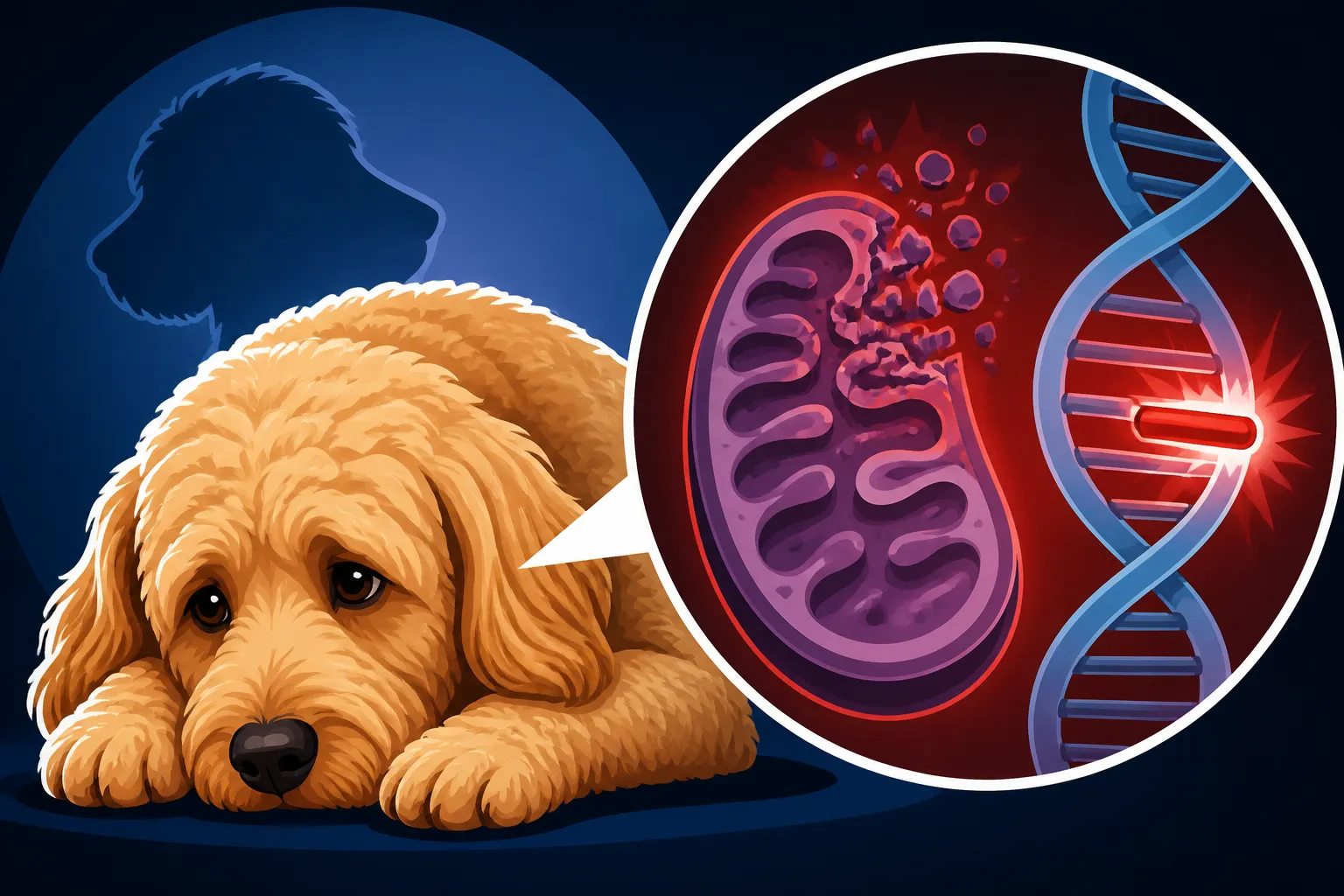
At the heart of Exercise Induced Collapse in Labradors and many of their crosses, including Labradoodles, is a specific mutation in the DNM1 gene. This gene is responsible for producing a protein called Dynamin 1. Dynamin 1 plays a critical role in the proper functioning of nerve cells, particularly in the recycling of neurotransmitters at nerve synapses. Think of neurotransmitters as chemical messengers that allow nerve cells to communicate with each other and with muscles. When your dog exercises intensely, these nerve cells are firing rapidly, releasing and reabsorbing neurotransmitters at a furious pace to keep the communication flowing smoothly.
The DNM1 mutation essentially creates a faulty Dynamin 1 protein. This faulty protein disrupts the efficient recycling of neurotransmitters. During periods of high-intensity exercise and excitement, the demand for neurotransmitter recycling skyrockets. A dog with the DNM1 mutation can't keep up with this demand. The nerve synapses become depleted of functional neurotransmitters, leading to a breakdown in communication between the brain and the muscles, particularly those in the hind limbs. This loss of communication manifests as the sudden weakness and collapse we see in EIC-affected dogs.
How the Mutation Affects Nerve Function
To put it simply, the DNM1 mutation throws a wrench into the finely tuned machinery of nerve transmission. When a dog with this mutation engages in strenuous activity, their nerve cells try to work overtime. In healthy dogs, Dynamin 1 ensures that the "used" neurotransmitter packets are quickly gathered up and refilled, ready to be sent out again. But in EIC-affected dogs, the defective Dynamin 1 protein can't perform this recycling job efficiently.
As a result, the nerve cells essentially run out of "ammo" – they can't send new messages to the muscles because they're stuck waiting for the old neurotransmitters to be recycled. This leads to the temporary paralysis or profound weakness. It's not a muscle problem itself; the muscles are fine. It's a communication breakdown between the brain and the muscles. Interestingly, once the dog rests and the intense demand on the nervous system subsides, the faulty Dynamin 1 can slowly catch up, and neurotransmitter recycling resumes, allowing the dog to recover "Whether a Collapsed Labradoodle Recovers on Its Own". This is why recovery is often complete and without lasting deficits, which is a small comfort for owners going through such a scary ordeal. Understanding this intricate process emphasizes the genetic nature of the condition and why specific triggers are so impactful.
Genetic Testing Uncovering the DNM1 Status
The good news is that we don't have to guess if a Labradoodle carries the DNM1 mutation. Thanks to advancements in veterinary genetics, there's a simple, reliable test available. This has been a game-changer for responsible breeders and worried owners alike, taking much of the mystery and fear out of EIC. Knowing your dog's genetic status for the DNM1 mutation is a powerful tool for preventing EIC in future generations and managing the health of an existing affected dog.
Why DNA Testing is Crucial for Labradoodles
For any Labradoodle owner or prospective buyer, DNA testing for the DNM1 mutation is absolutely crucial. Without it, you're essentially flying blind. A puppy from untested parents could unknowingly carry the gene, or worse, be affected. Imagine bringing home an energetic Labradoodle puppy, expecting years of hiking and vigorous play, only to discover at a year old that they collapse after short bursts of activity. This is a devastating reality for many unprepared owners. Proactive testing allows breeders to make informed decisions, ensuring they don't produce affected puppies. It also provides peace of mind for buyers, especially those looking for a truly active companion.
Many breeders today are diligent about health screening, and a reputable one will happily provide proof of genetic testing for both parent dogs. This is part of "The Health Tests a Labradoodle Breeder Should Show" and should be a non-negotiable part of your research when selecting a puppy. The test itself is usually a simple cheek swab, which can be done by a vet or even at home with a kit. It's a small investment for such significant information, and reputable pet insurance providers like Healthy Paws often highlight the value of preventive care, which includes genetic testing that can help mitigate future health costs and ensure a longer, happier life for your dog.
Understanding Carrier vs. Affected Status
The results of a DNM1 DNA test will typically categorize a dog into one of three statuses:
- Clear/Normal: This dog does not carry the DNM1 mutation and cannot pass it on to their offspring. They will not develop EIC due to this mutation.
- Carrier: This dog carries one copy of the DNM1 mutation but usually does not show symptoms of EIC themselves. They can, however, pass the mutation on to approximately 50% of their offspring. While an EIC carrier Labradoodle is generally safe to own and won't develop the condition, it's vital to understand their genetic contribution if they are part of a breeding program. "Whether an EIC Carrier Labradoodle Is Safe to Own" is a common question, and the answer is typically yes, but with careful consideration for breeding.
- Affected: This dog has two copies of the DNM1 mutation (one from each parent) and is at high risk of developing EIC symptoms during intense exercise.
EIC is inherited in an autosomal recessive pattern. This means that a dog must inherit two copies of the mutated gene (one from each parent) to be "affected" and show symptoms. If a dog only inherits one copy, they are a "carrier" and typically remain asymptomatic. The implications for breeding are clear: two "clear" dogs will only produce "clear" puppies. A "clear" dog bred with a "carrier" will produce 50% "clear" and 50% "carrier" puppies. However, if two "carriers" are bred together, there's a 25% chance of "clear," 50% chance of "carrier," and a 25% chance of "affected" puppies – a scenario that responsible breeders strive to avoid. This is why "The DNA Test That Clears a Labradoodle of EIC" is so incredibly valuable.
Managing Life with an EIC-Affected Labradoodle
Discovering your Labradoodle is affected by EIC can feel overwhelming. You might envision a life of severe restrictions, but that's rarely the case. While EIC does require careful management and an understanding of your dog's limits, many affected Labradoodles live full, happy lives. The key is to shift your perspective from expecting an "unlimited" exercise partner to a "smartly exercised" companion. It's all about learning to listen to your dog and adapting their lifestyle to their genetic reality.
Identifying and Avoiding Triggers
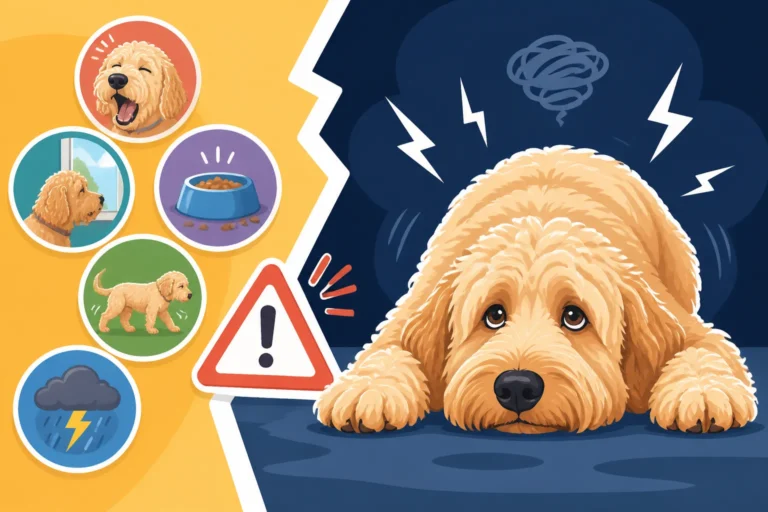
The most critical aspect of managing EIC is meticulously identifying and then rigorously avoiding the specific triggers that cause your dog to collapse. While intense exercise is the primary trigger, it's often a combination of factors. High excitement levels, even without extreme physical exertion, can contribute. Think about those moments when your Labradoodle is absolutely ecstatic: greeting you after a long day, chasing a favorite toy, or meeting new dog friends. This emotional arousal amps up their nervous system, making them more susceptible.
Furthermore, environmental factors play a significant role. High ambient temperatures and humidity are well-known to increase the likelihood and severity of EIC episodes, even if they aren't directly causing heatstroke. Swimming can also be a trigger for some affected dogs, possibly due to the combined physical exertion and the excitement of water play. "Exercising a Labradoodle That Carries EIC" requires a nuanced approach. Keep a journal of your dog's activities and any episodes, noting the type of exercise, duration, intensity, weather conditions, and excitement level. This will help you pinpoint their individual triggers and thresholds, allowing you to create a safe exercise routine.
Exercise Modifications and Safe Play
Once you understand your Labradoodle's triggers, you can implement appropriate exercise modifications. This doesn't mean your dog can't enjoy physical activity; it just means the type and intensity of that activity need to be carefully controlled. Forget long, sustained fetch sessions where they're running full tilt for extended periods. Instead, opt for shorter, less intense bursts of activity with plenty of rest in between. Walking on a leash, sniffing around, and controlled play in cooler temperatures are generally safe.
Consider replacing high-impact games with activities that are mentally stimulating but less physically demanding. Scent work, puzzle toys, obedience training, or even shorter, slower walks in the neighborhood can provide enrichment without pushing your dog past their collapse threshold. If your dog loves the dog park, try to go during off-peak hours when there are fewer dogs, reducing over-excitement, and keep sessions brief and supervised. Always carry water and offer frequent breaks. Above all, learn to recognize the early warning signs – a change in gait, hind leg weakness, or a dazed expression – and stop the activity immediately. Your proactive management ensures your Labradoodle can still enjoy an active, fulfilling life safely. Investing in pet insurance like Healthy Paws can also offer peace of mind, knowing that if an unforeseen event or complication arises, you'll have support for their care.
Breeding Responsibly Preventing EIC in Future Generations
The advent of genetic testing for the DNM1 mutation has placed a powerful tool in the hands of responsible Labradoodle breeders. It's no longer acceptable to breed dogs without knowing their EIC status. Preventing affected puppies from being born is a moral imperative and a hallmark of ethical breeding practices. This proactive approach not only saves future owners from the heartbreak and management challenges of an EIC-affected dog but also contributes to the overall health and reputation of the Labradoodle breed.
The Role of Health Tested Parents
Responsible breeding begins with comprehensive health testing of both parent dogs. For Labradoodles, this includes not only genetic screening for EIC but also checks for other common conditions inherited from their parent breeds, such as hip and elbow dysplasia, eye conditions like PRA, and other genetic diseases prevalent in Labradors and Poodles. A breeder who prioritizes the health of their puppies will insist on full genetic panels for all potential breeding stock. They will be transparent about these results and willing to explain what "clear," "carrier," and "affected" mean for their breeding program.
When considering a Labradoodle puppy, always ask for proof of parentage health testing. A reputable breeder will provide documentation from laboratories like Optimal Selection, Embark Veterinary, or the Orthopedic Foundation for Animals (OFA) for structural clearances. If a breeder is unable or unwilling to provide these documents, it's a significant red flag. Choosing a puppy from health-tested parents drastically reduces the risk of inheriting serious genetic conditions, including EIC. This commitment to health screening is a key indicator of a breeder's dedication to producing robust, healthy companions.
Making Informed Decisions for Breeding Pairs
For breeders, making informed decisions about breeding pairs is critical to preventing EIC. The goal should always be to avoid producing "affected" puppies. This means:
- Never breed two "carriers" together. This combination carries a 25% risk of producing affected puppies.
- Ideally, breed "clear" dogs to "clear" dogs. This guarantees all offspring will be clear of the DNM1 mutation.
- A "carrier" can be safely bred to a "clear" dog. In this scenario, all puppies will be either "clear" or "carrier," but none will be "affected." The breeder can then test the puppies and only keep or sell the "clear" ones for breeding, or inform prospective owners of the "carrier" status.
By following these simple genetic principles, breeders can systematically eliminate EIC from their lines. This doesn't mean "carrier" dogs should never be bred; sometimes a carrier dog may possess other desirable traits that are beneficial to the breed's genetic diversity. However, any breeding involving a carrier must be carefully planned with a clear partner, and the offspring thoroughly tested. This ensures that the DNM1 mutation is slowly phased out, moving towards a healthier future for all Labradoodles. Pet insurance providers like Healthy Paws recognize the benefits of such responsible breeding, as healthier dogs often lead to fewer major veterinary claims over their lifetime.
A Lifetime of Vigilance and Joy with Your Labradoodle
Living with a Labradoodle, whether they're EIC-affected, a carrier, or clear, means committing to their well-being. If your dog is affected, the journey involves learning their limits and adjusting activities, but it certainly doesn't mean a diminished quality of life. Owners of EIC-affected dogs often find unique ways to bond with their companions, focusing on mental stimulation and controlled physical activity. The joy a Labradoodle brings is immense, and with a bit of understanding and proactive care, you can ensure they live a long, happy life by your side. Remember, every dog is an individual, and learning to read your Labradoodle's subtle cues will be your greatest asset in managing their specific needs.
Disclaimer
The information provided in this article is for general informational purposes only and is not a substitute for professional veterinary advice. Always consult with a qualified veterinarian for any health concerns or before making any decisions about your pet's medical care or treatment.