How the Labradoodle Reached America
It's quite a common frustration for folks trying to trace the origins of popular dog breeds, especially when they aren't recognized by major kennel clubs. The Labradoodle, in particular, has a fascinating, somewhat accidental, journey from its very specific beginnings in Australia to becoming a beloved family member across American homes. This guide will walk you through how this delightful crossbreed made its way to the United States, tracing its path from a functional need to a global phenomenon.
The Origin Story Down Under: A Guide Dog for the Allergic
The story of the Labradoodle really begins with a specific, poignant problem in Australia. Back in the late 1980s, Guide Dogs Victoria, a respected organization that trains guide dogs for people with visual impairments, faced a unique challenge. They had a client, a woman named Pat Blum, who needed a guide dog but whose husband suffered from severe allergies to dog hair. This was a significant hurdle, as their typical Labrador Retrievers, while excellent guide dogs, were definitely not hypoallergenic.
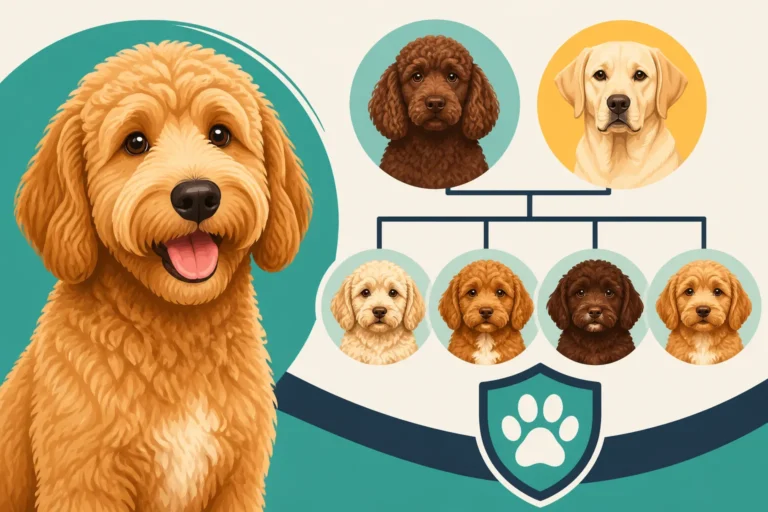
Enter Wally Conron, the breeding manager for Guide Dogs Victoria at the time. His mission was clear: create a guide dog that possessed the intelligence, trainability, and gentle temperament of a Labrador, but with the low-shedding, allergy-friendly coat of a Standard Poodle. It seemed like a perfect combination on paper. After careful consideration, Conron initiated The 1989 Cross That Made the First Labradoodle. He bred a Standard Poodle to a Labrador Retriever, hoping for the best of both worlds.
The first litter produced three puppies. One of them, a dog named Sultan, indeed possessed the desired traits, proving to be an excellent guide dog candidate with a coat that didn't trigger Pat Blum's husband's allergies. This initial success was promising, yet Conron, the man many credit with the breed's inception, would later become known as Wally Conron and the Labradoodle He Regrets. He had hoped that the cross would maintain the rigorous standards of guide dog work and health, but the future of the Labradoodle would take a very different turn from his original vision. This early work by The Royal Guide Dogs Program Behind the Labradoodle was purely functional, not for widespread pet ownership.
The Global Ripple: From Niche Solution to International Interest
Despite Conron's later public regrets, the idea of the Labradoodle didn't stay confined to Guide Dogs Victoria for long. News of this unique allergy-friendly guide dog began to spread, first locally in Australia, and then, perhaps surprisingly, internationally. The concept of a dog that combined the beloved traits of the Labrador with the non-shedding coat of the Poodle was simply too appealing to ignore. People started hearing about these "Labradoodles" and immediately saw the potential for a wonderful family pet, not just a service animal.
This surge in interest, however, quickly outpaced the careful, health-focused breeding practices Conron had envisioned. The informal nature of the "designer dog" movement meant that anyone with a Labrador and a Poodle could, and did, start breeding them. The name "Labradoodle," initially coined for a practical purpose, became a catchy, marketable term. What started as a thoughtful genetic experiment began to transform into a popular trend, fueled by demand from families eager for a dog that might not trigger their allergies and was known for a friendly demeanor. It's a key part of understanding Why Conron Called the Labradoodle a Mistake – he saw the uncontrolled explosion of breeding as detrimental to the welfare of the dogs.
Breeders outside of Australia began to take notice. They saw the public's eagerness for this new type of dog, and the relatively simple F1 cross (first generation, direct Labrador to Poodle) became a starting point for many. There was a genuine belief that these dogs would inherit the best traits of both parents. At this point, the "breed" was far from standardized, and the consistency of coats and temperaments varied wildly. This initial global spread was more organic, driven by individual breeders responding to consumer interest rather than a coordinated effort. Many were simply trying to replicate the success story they'd heard about from Australia, without necessarily understanding the full implications of genetic variation in a crossbreed. The public's perception was generally positive, and the demand only grew, paving the way for the Labradoodle's eventual strong presence in the American market.
Establishing a Foothold in North America: The Rise of the Doodle Craze
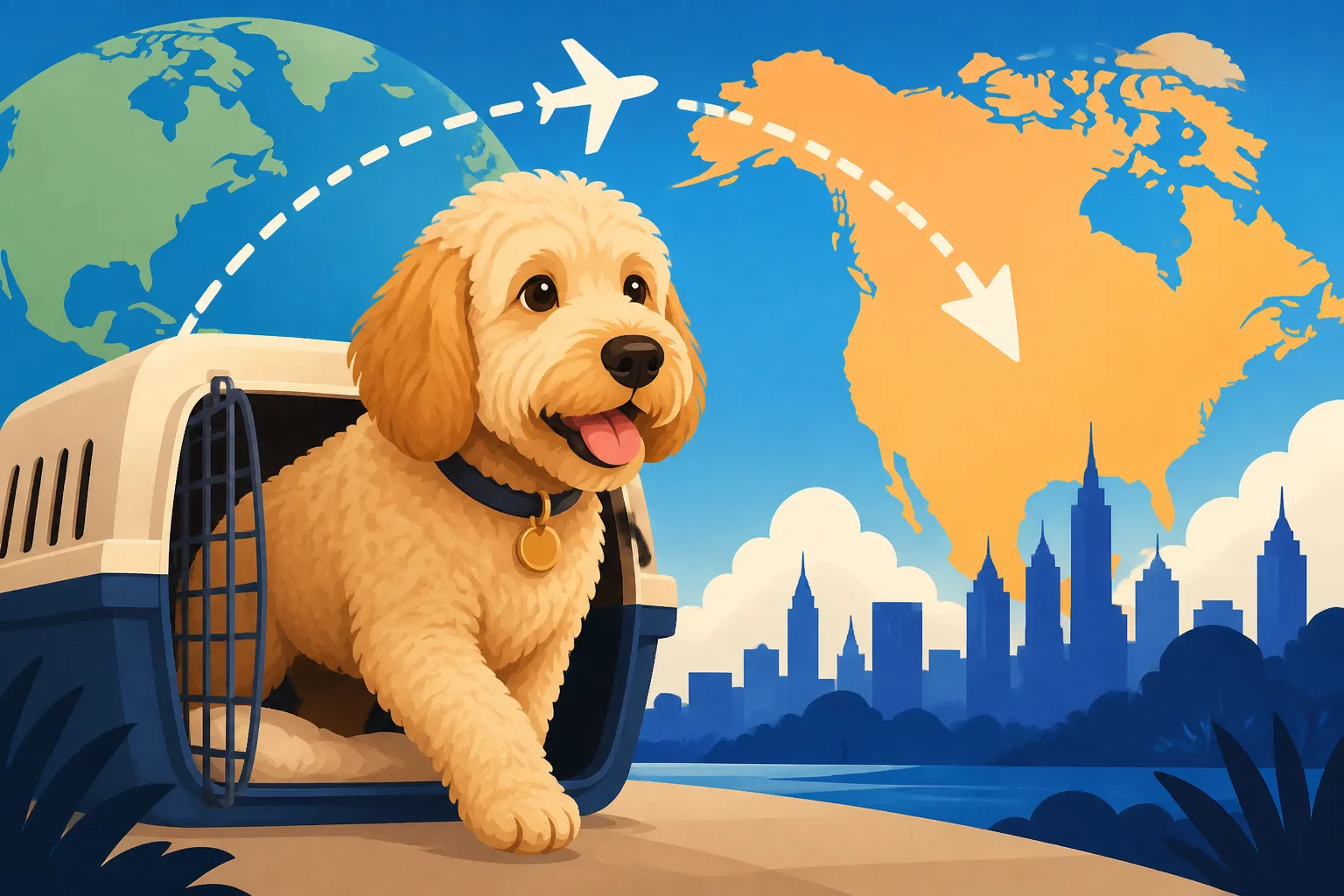
The Labradoodle's journey across the Pacific to North America wasn't a single, documented event, but rather a gradual infiltration driven by increasing awareness and consumer demand. As stories of the "hypoallergenic" and friendly Labradoodle gained traction, American dog lovers and breeders started seeking out these dogs. Many initially imported Australian Labradoodles, or at least the idea of them, in the late 1990s and early 2000s, eager to replicate the perceived benefits.
However, the "Australian Labradoodle" is its own distinct entity, often including other breeds like the Cocker Spaniel or Irish Water Spaniel to stabilize traits and further reduce shedding, making it different from the original Labrador-Poodle cross. Understanding What Makes a Labradoodle Australian is crucial here, as it signifies a more developed, multi-generational breeding program aimed at creating a consistent "breed." For many American breeders, the initial entry into Labradoodle breeding involved the simpler F1 crosses, breeding a Labrador Retriever directly to a Standard Poodle. This approach could lead to unpredictable results in terms of coat type, shedding, and even temperament, as puppies from the same litter could favor either parent significantly. Some puppies would have the desired low-shedding fleece or wool coat, while others would have a more Labrador-like hair coat that shed considerably. This variability often left new owners wondering about their puppy's future appearance and needs, especially when purchasing grooming supplies from retailers like Chewy.
Over time, American breeders began to implement more sophisticated breeding programs, often focusing on later generations (F1b, F2, Multigen) to achieve greater consistency, particularly regarding the desirable low-shedding coats. The goal was to produce dogs that looked and behaved more uniformly, aligning with the public's expectations. This period saw a significant increase in the number of Labradoodle breeders across the United States. Many of these breeders joined emerging associations that aimed to establish ethical breeding practices and health testing protocols, even in the absence of traditional kennel club recognition.
This burgeoning popularity also brought its challenges. Without the oversight of established kennel clubs, a wide range of breeding practices emerged. Some breeders meticulously health-tested their breeding stock for genetic conditions common to Labradors and Poodles, such as hip and elbow dysplasia, eye conditions, and certain cancers. Others, however, saw the demand as a quick way to profit, leading to what are often referred to as "backyard breeders." These breeders might skip essential health screenings, potentially perpetuating genetic issues and leaving new owners with unexpected veterinary bills. This inconsistency made it difficult for potential owners to navigate the market and find a reputable source for their new companion. Despite these hurdles, When Labradoodles Became Popular in the United States marks a significant cultural shift, with the breed becoming a staple in many families.
The Rise to Popularity and Public Perception: A Household Name
Once established in North America, the Labradoodle's popularity soared, reaching peak recognition in the early 2000s. They quickly became a household name, largely driven by their perceived attributes: a friendly, intelligent nature combined with a low-shedding, "hypoallergenic" coat. Celebrities and media endorsements further fueled the craze, portraying them as the ideal family dog. This rapid ascent made them a desirable choice for many first-time dog owners, who might have otherwise shied away from purebreds due to health concerns or grooming demands.
This period saw a significant shift in how people viewed crossbreeds. Previously, mixed-breed dogs were often associated with rescues or accidental litters. The Labradoodle, and subsequently other "doodles," elevated the status of deliberate crossbreeding, making it fashionable and desirable. For many, the Labradoodle offered a compelling alternative to purebreds like the Labrador or the Poodle. They were often marketed as having "hybrid vigor," suggesting they would be healthier than their purebred parents, though this concept is more nuanced in practice. This perception led many to seek out these dogs specifically, often overlooking the extensive health testing that responsible breeders should conduct for parent breeds. For instance, knowing What F1 Means on a Labradoodle became part of the common vocabulary for discerning buyers.
However, this rapid rise in popularity also brought its share of misconceptions and difficulties. The term "hypoallergenic" became widely associated with the breed, leading many allergic individuals to believe a Labradoodle would be a guaranteed solution. While many Labradoodles do shed less and produce less dander than their Labrador parents, no dog is truly 100% hypoallergenic. This often led to heartbreaking situations where allergic families adopted a Labradoodle only to find their allergies still triggered, sometimes resulting in the dog being rehomed. Finding appropriate food, toys, and grooming tools became essential for these new owners, often relying on large online retailers like Chewy for a wide selection.
Moreover, the lack of official breed recognition from major kennel clubs like the American Kennel Club (AKC) meant there was no single, unifying standard for the Labradoodle. Why No Kennel Club Registers the Labradoodle stems from their crossbreed status, which means breeders operate outside of traditional frameworks. This absence of a governing body contributed to the inconsistency in breeding practices, leading to a wide spectrum of health, temperament, and coat quality within the general Labradoodle population. Potential owners often faced the challenge of distinguishing reputable breeders, who performed extensive health testing and offered robust guarantees, from those who were simply breeding for profit without due diligence. Many owners, drawn by the charm and intelligence of the breed, later discovered the significant grooming commitment required, particularly for wool or fleece coats, which can easily mat if not properly maintained.
Despite these challenges, the Labradoodle firmly cemented its place in American hearts. Its unique blend of intelligence, affection, and often appealing low-shedding coats resonated with countless families. They proved themselves adaptable companions, suitable for various lifestyles, from active families looking for a hiking buddy to those seeking a calm, cuddly companion. The success of the Labradoodle paved the way for the explosion of other "doodle" crosses, forever changing the landscape of popular dog breeds in America. Comparing The Labradoodle Against the Goldendoodle became a common discussion point for prospective owners. Many new owners, especially those who hadn't owned a dog before, were sometimes surprised by the energy and training needs, as Whether a Labradoodle Is Really an Easy First Dog is a common misconception. It quickly became clear to many that What Labradoodle Owners Say They Underestimated most often was the grooming demands or the sheer commitment to exercise and training.
| Factor | Early Days (Australia/Early US) | Peak Popularity (US) | Current Landscape (US) |
|---|---|---|---|
| Primary Driver | Specific need (allergy-friendly guide dog) | Public demand for "hypoallergenic" pet | Established niche, focus on quality & ethics |
| Breeding Focus | Functional cross | Replicating initial success, F1s | Multi-generational, consistent traits |
| Coat Consistency | Highly variable | Variable (F1s), improving (F1bs, Multigens) | More consistent (Multigens), still some variation |
| Health Testing | Primarily for guide dog standards | Inconsistent, buyer beware | Emphasis by reputable breeders |
| Market Perception | Novelty, niche | "Designer dog," trendy | Beloved family pet, awareness of commitment |
| Breed Recognition | None | None (outside of breed clubs) | None (outside of breed clubs) |
Disclaimer
This article is for general informational purposes only and does not constitute professional advice. Laws, prices and regulations vary by location and change over time. Consult a qualified professional for guidance on your specific situation.