Whether Conron Coined the Term Labradoodle
It’s a common assumption that the person credited with intentionally breeding the first Labradoodle must also be the one who coined its now-famous name. After all, if you invent something, you usually get to name it, right? But the history of our beloved Labradoodle, like many things in the world of crossbreeds, is a little more complex and full of fascinating twists. This guide will take a deep dive into the origins of the "Labradoodle" moniker and uncover who truly gave this wonderful dog its name.
The Man Behind the First Intentional Cross: Wally Conron's Story
When we talk about the beginnings of the Labradoodle, one name consistently comes up: Wally Conron. He was the breeding manager for the Royal Guide Dogs Association of Australia in the late 1980s, and his story is truly at the heart of the breed's initial creation. He wasn't setting out to create a new "designer dog" or a trend; his motivations were purely practical and deeply empathetic.
The Quest for an Allergy-Friendly Guide Dog
The real impetus for Conron's innovative crossbreeding came from a specific, pressing need. A blind woman in Hawaii required a guide dog, but her husband was allergic to dogs. This presented a significant challenge. Traditional guide dog breeds, like Labradors and German Shepherds, often have coats that trigger allergies. Conron's mission was clear: find a dog with the intelligence and trainability of a guide dog, but with a coat that wouldn't cause an allergic reaction.
He started by looking at Standard Poodles. Poodles are incredibly smart, highly trainable, and renowned for their low-shedding coats, which are often better tolerated by people with allergies. However, he quickly ran into a common issue – the perception of Poodles at the time. Many people didn't view them as serious working dogs, especially not as guide dogs. There was a stigma, a perception that they were perhaps too "fancy" or not robust enough for the job. This made finding a suitable Poodle challenging, and convincing the blind woman to accept one even harder. You can read more about Why a Guide Dog Had to Be Allergy Friendly to understand the context of the situation better.
The Birth of Sultan: Conron's Solution
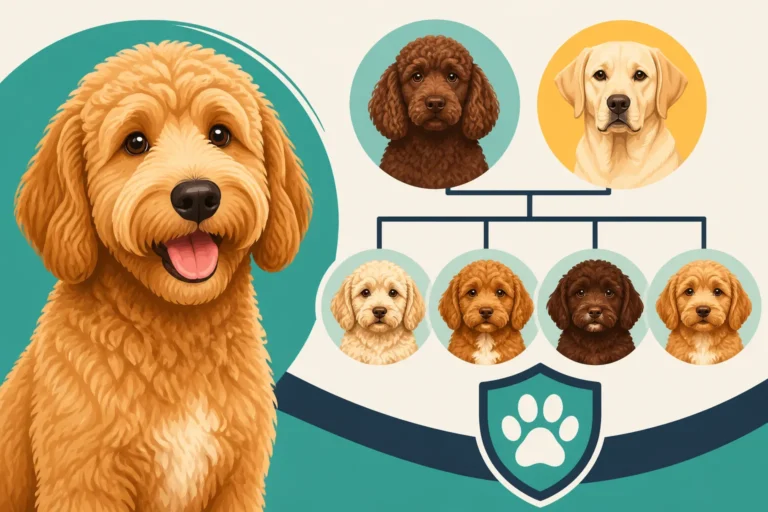
After some deliberation, Conron hit upon an idea: cross a Labrador Retriever with a Standard Poodle. The Labrador brought the well-established temperament, trainability, and reputation as an excellent guide dog, while the Poodle offered the low-shedding coat. It seemed like a brilliant compromise. He bred a Standard Poodle named Harley with a Labrador Retriever, and from that litter, a special puppy emerged named Sultan.
Sultan was the dog that ultimately traveled to Hawaii to fulfill the blind woman's need. He was a success, proving that the cross could indeed produce a guide dog with a more allergy-friendly coat and the necessary working aptitude. It was a significant moment, marking the intentional creation of what we now know as the Labradoodle. But even with Sultan's success, the path to widespread recognition and the popularization of the name was just beginning. You can delve into Sultan, the Labradoodle That Proved the Idea for more on this pioneering dog.
So, Who Actually Coined the Term "Labradoodle"?
This is where the story takes an interesting turn and often surprises people. While Wally Conron was the orchestrator of the initial cross, he wasn't actually the one who coined the catchy, now-ubiquitous term "Labradoodle."
Conron's Initial Struggle to Rehome Puppies
After Sultan's success, Conron bred a few more litters. The hope was to find more allergy-friendly guide dogs. However, not all puppies from these early crosses met the strict requirements for guide dog work. They still needed homes, and this is where Conron faced a new dilemma. He found that people were reluctant to adopt these "Poodle-cross" puppies. The perception of them being "mongrels" or simply not purebred was a hurdle. He needed a way to make them sound more appealing, more unique, and more desirable to the public.
It's a common frustration for breeders of crossbreeds, even today, especially if they are trying to find homes for dogs that don't fit a specific mold. The perceived value of a dog can often be tied to its name and how it's presented. Conron was trying to solve a very real marketing problem long before "designer dogs" became a widespread phenomenon.
The Real Originator of "Labradoodle"
The term "Labradoodle" itself was actually coined by Wally Conron's marketing team at the Royal Guide Dogs Association of Australia. Conron recounted in later interviews that he suggested to his public relations team that they needed a "catchy name" to generate interest in these puppies and help them find suitable homes. They came up with "Labradoodle" as a blend of the two parent breeds, Labrador and Poodle.
It was a stroke of marketing genius. The name was memorable, easy to pronounce, and hinted at the desirable qualities of both parent breeds. It transformed the perception of these crossbreeds from mere "mutts" to something new and exciting. This really illustrates the power of a name, doesn't it? It wasn't about a scientific classification; it was about creating appeal and giving these dogs a fighting chance at finding loving families. Whether the Word Labradoodle Was Invented in 1989 delves further into this specific aspect.
The Term's Meteoric Rise and Unintended Consequences
Once the name "Labradoodle" was out there, it spread like wildfire. What started as a clever marketing tactic to rehome a few puppies quickly evolved into a global phenomenon, changing the landscape of dog breeding forever.
From Guide Dog to Global Trend
The appealing name, coupled with the genuine charm and often desirable traits of the dogs themselves, meant the Labradoodle quickly gained popularity far beyond Australia. People were drawn to the idea of a dog that combined the friendly, outgoing nature of a Labrador with the intelligence and low-shedding coat of a Poodle. Celebrities and media attention further fueled this demand, turning the Labradoodle into a highly sought-after companion animal. Suddenly, everyone wanted a "Labradoodle."
This rapid rise in popularity, however, brought with it a host of challenges that Wally Conron himself would later express regret over. The term "Labradoodle" became a blueprint for countless other "doodle" crosses, paving the way for Goldendoodles, Bernedoodles, Aussiedoodles, and many more. The simplicity and success of the name were undeniable, creating an entirely new category in the canine world.
Conron's Subsequent Regret and the "Pandora's Box"
Despite the initial success in rehoming puppies and creating a beloved companion, Wally Conron later expressed deep regret about unleashing the "Labradoodle" upon the world. He felt that the term and the subsequent demand it created led to irresponsible breeding practices, with people prioritizing profit over health and temperament. He famously referred to it as his "life's regret" and even as opening "Pandora's Box." You can learn more about Wally Conron and the Labradoodle He Regrets and Why Conron Called the Labradoodle a Mistake.
He saw an explosion of poorly bred Labradoodles and other "doodles" with significant health issues and unpredictable temperaments, all trading on the appealing name his marketing team had helped create. It was a stark reminder that a clever name, while great for popularization, doesn't guarantee ethical breeding or responsible ownership. The intention behind the name was good – to find homes for good dogs – but the consequences of its widespread adoption were, for Conron, devastating. This is why it's so important for prospective owners to research thoroughly, looking beyond just a catchy name. Even reputable brands like Chewy, where you might buy your dog's food and toys, emphasize responsible pet ownership and proper nutrition for healthy dogs.
The Enduring Legacy of the Term "Labradoodle"
Regardless of Conron's regrets, the term "Labradoodle" has firmly cemented its place in our lexicon. It's not just a dog name; it's a cultural touchstone that ignited the "doodle craze" and forever changed how we perceive crossbreeds.
A Naming Convention That Defined a Generation of Dogs
The success of "Labradoodle" created a template for naming other Poodle crosses. The simple formula of combining part of the other parent breed's name with "-doodle" became the standard. This isn't just about fun names; it speaks to a shift in how the public views mixed-breed dogs. Before the "doodle" phenomenon, many mixed breeds were simply referred to as "mutts" without specific recognition. The Labradoodle, and its catchy name, helped elevate the perception of intentional crossbreeds, making them desirable and often premium-priced.
This naming convention has become so prevalent that it's often the first thing people think of when they consider a Poodle cross. It created a clear, easily understandable identity for these dogs, even if it sometimes oversimplified the genetic complexities involved. It also made these dogs incredibly recognizable. When you say "Labradoodle," most people instantly have an image in their mind, which is a testament to the power of that original, brilliantly simple name. When you are browsing for pet supplies online, perhaps on Chewy, you'll find entire sections dedicated to 'doodle' specific items, from grooming tools to toys suitable for their unique energy levels.
The Term in Today's Dog World
Today, "Labradoodle" is used globally to describe a cross between a Labrador Retriever and a Standard, Miniature, or Toy Poodle. It's important to distinguish this from the "Australian Labradoodle," which is a distinct developing breed with a more complex lineage involving several other breeds like the Cocker Spaniel and Irish Water Spaniel, and typically adheres to a breed standard maintained by associations like the Australian Labradoodle Association of America (ALAA) or the Worldwide Australian Labradoodle Association (WALA). What ALAA Membership Requires of a Labradoodle Breeder can give you more insight into this.
The initial term "Labradoodle" usually refers to the first or second generation crosses (F1 or F1b) directly descended from a Labrador and a Poodle. This distinction is crucial for prospective owners, as it can impact coat type, temperament, and health predictability. Regardless, the original term, coined by Conron's team, laid the groundwork for all these variations and the entire "doodle" phenomenon. It remains a powerful name that continues to influence dog enthusiasts and breeders alike. This widespread recognition makes it easier to find specialized products, from specific grooming brushes to joint supplements on platforms like Chewy, tailored to the unique needs of doodle breeds.
Here's a quick look at the origins of some popular "doodle" names:
| Doodle Name | Parent Breeds | Originator of Name (Generally Credited) | Primary Motivation for Cross |
|---|---|---|---|
| Labradoodle | Labrador Retriever + Poodle | Wally Conron's PR Team | Allergy-friendly guide dog |
| Goldendoodle | Golden Retriever + Poodle | Unclear, emerged after Labradoodle | Companion, allergy-friendly |
| Bernedoodle | Bernese Mountain Dog + Poodle | Unknown, part of general "doodle" trend | Companion, lower shedding |
| Aussiedoodle | Australian Shepherd + Poodle | Unknown, part of general "doodle" trend | Companion, intelligent |
| Schnoodle | Schnauzer + Poodle | Unknown, part of general "doodle" trend | Companion, lower shedding |
It's truly incredible how a simple, well-chosen name can spark a movement and leave such an indelible mark on an entire industry. The story of the Labradoodle's name is a testament to the power of language, marketing, and the enduring human desire for a loving canine companion.
Protecting Your Labradoodle's Health Journey
Understanding the history and the varying qualities of Labradoodles available is crucial, especially when it comes to their health. While a catchy name can draw you in, responsible breeding practices and health testing are what truly matter for a long, happy life with your dog. Just like you'd get quality food and toys from Chewy, you want to ensure your Labradoodle comes from a background that prioritizes health.
Some of the health concerns that can arise in Labradoodles, stemming from both parent breeds, include hip and elbow dysplasia, eye conditions like progressive retinal atrophy, and certain inherited diseases. For example, Hips and Elbows in a Sixty Pound Labradoodle is a critical read for any owner, as is understanding The prcd-PRA Test Both Labradoodle Parents Need. By being informed and asking breeders about these specific tests, you're not just buying a dog; you're investing in a lifetime of companionship and doing your part to support ethical practices.
Disclaimer
This article is for general informational purposes only and does not constitute professional advice. Laws, prices and regulations vary by location and change over time. Consult a qualified professional for guidance on your specific situation.