The Treats a Labradoodle Trains Best For
It’s a common scenario for Labradoodle owners: you're trying to teach your bouncy, intelligent companion a new trick, or perhaps reinforce good manners, but finding the right treat can feel like a quest. Not every snack holds the same allure, and a "good" treat for one dog might be completely ignored by another. This guide is here to demystify the world of training treats, helping you discover what makes a particular reward irresistible to your Labradoodle, and how to use them effectively to build a well-behaved and happy dog.
The Psychology Behind Labradoodle Training Treats: Why They Work So Well
Training a Labradoodle, with their wonderful blend of intelligence and enthusiasm, often comes down to finding the right motivator. For many, that motivator is food. These dogs often inherit a robust appetite and a keen desire to please, making treats an incredibly powerful tool in positive reinforcement training. Understanding why treats work, and how your particular Labradoodle perceives them, is the first step to unlocking their full training potential.
Tapping into the Labradoodle's Food Drive for Success
Labradoodles often come with a wonderful, sometimes challenging, predisposition to be very food-motivated. This trait often comes from their Labrador Retriever lineage, known for their love of a good meal or snack. For us as owners, this is a massive advantage in training! Instead of struggling to find ways to engage our dogs, we can lean into their natural inclination to work for food. It makes the process smoother, more enjoyable for both parties, and often yields quicker results.
When you think about it, offering a treat for a desired action creates a clear, immediate link in your dog's mind: "I did X, and good things happened!" This is the essence of positive reinforcement. It's not about bribery; it's about communication. You're showing your Labradoodle exactly what you want them to do, and making it worth their while. This builds confidence and a strong desire to repeat those behaviors, turning training into a fun game rather than a chore. If you've ever wondered Whether a Labradoodle Works for Food Like a Labrador, the answer is often a resounding yes, which is fantastic for training.
This food drive is especially useful when tackling more complex behaviors or working in distracting environments. Imagine trying to teach your Labradoodle to stay when a squirrel zips by, or to calmly greet a stranger at the door. A bland, unappealing treat just won't cut it. But a truly delicious, high-value reward can often override those natural instincts, helping your dog focus on you and the task at hand. It's all about making obedience more rewarding than any potential distraction.
The Spectrum of Treat Value: From Everyday Nibbles to Irresistible Rewards
Not all treats are created equal in the discerning palate of a Labradoodle. What your dog considers a "high-value" treat might be entirely different from what another dog values, or even what your own dog values in different situations. It's a spectrum, and understanding this is crucial for effective training. Low-value treats might be suitable for casual rewards around the house or for behaviors your dog already knows well. Think of these as your everyday "thank you" for being good.
However, when you're introducing a new, challenging command, or working on something in a highly distracting environment, you'll need to pull out the big guns: high-value treats. These are the treats that your Labradoodle would walk through fire for, the ones that immediately grab their attention and make them forget everything else. What makes a treat high-value? It's subjective, but generally, it's something intensely palatable, often soft, smelly, and not something they get all the time. Learning to distinguish between these categories and applying them appropriately is a game-changer.
To figure out your Labradoodle's personal treat hierarchy, pay close attention to their reaction. Do their eyes light up? Do they gobble it down instantly? Do they ignore external stimuli? If so, you've hit on a high-value winner. If they take it politely but without much enthusiasm, it's likely a lower-value option. Keep a variety on hand so you can match the treat to the training challenge. This approach helps you get the most bang for your buck, both in terms of treat cost and training efficacy.
Navigating Labradoodle Sensitivities and Preferences
While many Labradoodles are robust eaters, they can also inherit sensitivities or develop specific preferences that influence treat selection. It's heartbreaking to see your dog suffer from an upset stomach or an itchy skin flare-up, especially when you're just trying to reward them. So, being mindful of their individual health needs is paramount when choosing training treats. This might mean avoiding certain common allergens or opting for limited-ingredient options.
Some Labradoodles, for instance, might have sensitivities to common ingredients like chicken, beef, wheat, or corn. If your Labradoodle experiences symptoms like excessive itching, ear infections, or digestive upset, it’s worth discussing potential food allergies with your vet. In such cases, single-protein treats or novel protein sources like venison or duck might be a safer bet. For dogs prone to Allergies Behind a Labradoodle's Itching, careful treat selection is an absolute must.
Beyond allergies, some Labradoodles are just plain picky! You might offer a perfectly good treat that other dogs adore, only for your Labradoodle to turn up their nose. This isn't necessarily a bad thing; it just means you'll need to do a little more experimenting to find their culinary sweet spot. Don't get discouraged if the first few options don't work out. Keep trying different flavors, textures, and even brands. What one Labradoodle considers bland, another might find delightful, so knowing your own dog's unique palate is key.
What Makes a Treat Ideal for Labradoodle Training Sessions?
Choosing the right treat isn't just about what your Labradoodle likes to eat; it's also about what works practically during a training session. The ideal training treat has several key characteristics that maximize its effectiveness without creating unnecessary complications or slowing down your progress. Think of it as a tool, and like any good tool, it needs to be fit for purpose.
The Goldilocks Zone: Size, Texture, and Quick Consumption
When you're in the middle of a training session, especially when teaching a new command or working on rapid-fire repetitions, the last thing you want is a treat that takes ages for your dog to chew and swallow. This is where the "Goldilocks Zone" comes in: treats need to be small, soft, and easy to consume quickly. If your Labradoodle is spending twenty seconds crunching on a biscuit, you've lost valuable training time and interrupted their focus.
Ideally, each treat should be pea-sized or even smaller. This allows you to deliver multiple rewards in a short period, reinforcing the desired behavior many times over. Small pieces also help manage calorie intake, which is especially important if you're doing a long training session or if your Labradoodle is prone to gaining weight. Soft treats are generally preferred because they don't require much chewing, reducing choking hazards and ensuring quick consumption. Imagine trying to Build a Recall a Labradoodle Answers Off Leash – you need to reward them instantly when they turn towards you, not after they've finished wrestling with a crunchy snack.
The texture also plays a role in appeal. Many dogs prefer soft, slightly moist treats over hard, dry biscuits for training because they're more palatable and easier to digest quickly. This means less chewing, less crumbly mess, and more opportunities for rapid-fire rewards. When you can deliver a reward almost immediately after the desired action, the learning process becomes incredibly efficient.
Mindful Nutrition: Balancing Reward with Health
While treats are fantastic for motivation, they're also part of your Labradoodle's overall diet, and their nutritional content matters. It's easy to get carried away with high-value treats, but you want to ensure that those delicious rewards aren't undermining your dog's health or contributing to unwanted weight gain. Balancing reward with mindful nutrition is essential for a long, healthy life.
Look for treats with wholesome, recognizable ingredients. Avoid artificial colors, flavors, and excessive preservatives. Just like with their regular food, simple is often better. Treats should ideally be relatively low in calories, especially if you're giving many throughout the day. Remember, treats aren't just extra calories; they can also disrupt the balance of your Labradoodle's main diet if they make up too large a portion of their daily intake. This is particularly important for managing The Weight a Labradoodle Should Hold.
Consider your Labradoodle's main diet when selecting treats. If they eat a high-quality kibble, you might choose treats that complement that diet, perhaps with a different protein source for variety, or limited ingredients to avoid sensitivities. Always factor treats into your dog's total daily calorie count. A good rule of thumb is that treats should make up no more than 10% of their daily caloric intake. If you're using a lot of treats in training, you may need to slightly reduce their regular meal portions to compensate. For information on daily intake, see How Much an Adult Labradoodle Eats Daily.
The Practical Side: Minimizing Mess and Maximizing Focus
Training happens everywhere – in your living room, at the park, maybe even at a cafe if you're working on public manners like Teaching a Labradoodle to Settle Under a Restaurant Table. The practicality of your chosen treat can make or break a session. Sticky, greasy, or excessively crumbly treats can be incredibly frustrating. Imagine trying to deliver a reward when your fingers are covered in gunk, or crumbs are scattering everywhere, distracting your dog from the task at hand.
The best training treats are clean to handle and don't leave a greasy residue on your hands or in your treat pouch. This means you can focus on your Labradoodle and the training, rather than worrying about wiping your hands or vacuuming up crumbs. Non-messy treats are also less likely to attract unwanted attention from other dogs or wildlife when you're training outdoors, helping your Labradoodle maintain focus on you.
Consider portability as well. Treats that can be easily stored in a small pouch or pocket without melting or falling apart are ideal for on-the-go training. This is where many commercial training treats shine, as they are often designed with these factors in mind. If you're debating whether to buy a specific brand, think about how it will perform in real-world training scenarios, not just how delicious it might be.
Discovering Your Labradoodle's Favorite High-Value Rewards
With a better understanding of what makes a training treat effective, let's dive into some specific categories that often prove to be absolute gold for Labradoodles. The key is to find what truly motivates your dog, and don't be afraid to mix things up!
Commercial Training Treats: Convenience Meets Cravings
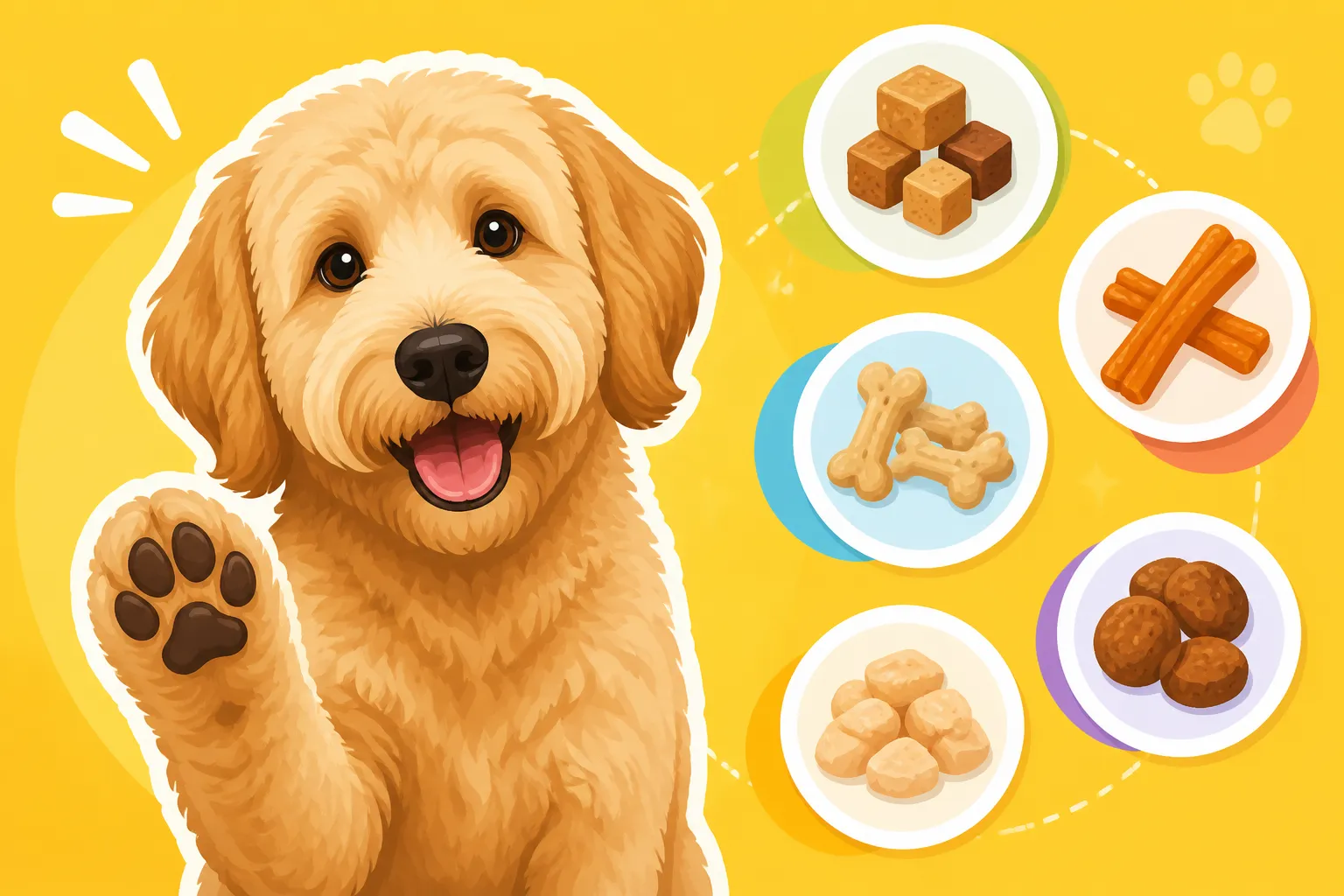
Many fantastic commercial training treats are specifically formulated to be ideal for training. These often come in small, soft, chewy bites that are easy to break apart, don't crumble, and are generally less messy than some other options. They're designed for rapid reward delivery and often come in enticing flavors that appeal to a wide range of dogs, including our beloved Labradoodles. The convenience factor here is huge; you can grab a bag and go, ready for any training opportunity.
When choosing commercial treats, always read the ingredient list carefully. Look for real meat as the first ingredient, and try to avoid treats with excessive fillers, by-products, or artificial additives. Brands often offer various flavors, so if your Labradoodle turns their nose up at one, try another. Some popular options come in mini sizes, perfect for multiple repetitions without overfeeding. You can often find a wide selection of these versatile treats on platforms like Chewy, making it easy to experiment with different types and find what works best for your Labradoodle's palate and your training style.
These treats are excellent for daily training, reinforcing known behaviors, and practicing in moderately distracting environments. They're a reliable staple in many trainers' treat pouches because of their consistent quality and practical design. Just remember to monitor the calorie count, as even small treats add up, especially for an enthusiastic learner.
Wholesome Alternatives: Single-Ingredient and Freeze-Dried Delights
Sometimes, commercial treats just don't cut it for those truly high-value moments, or perhaps your Labradoodle has specific dietary needs that make many commercial options unsuitable. This is where single-ingredient and freeze-dried treats become invaluable. These options often consist of nothing more than pure meat, fish, or organ meats that have been freeze-dried or gently dehydrated, preserving their natural flavor and nutritional value.
Think freeze-dried chicken, beef liver, or salmon. These treats are incredibly palatable for most dogs due to their intense natural aroma and flavor. They're also often fantastic for dogs with allergies or sensitivities, as they contain very few ingredients – sometimes just one! The lack of fillers and additives means you're giving your Labradoodle a pure protein boost. While they might be a bit more expensive than bulk commercial treats, their high-value nature means you typically use smaller amounts, reserved for critical training moments like perfecting a recall or working on major behavior modifications.
These kinds of treats are fantastic for scenarios where you need your Labradoodle's absolute, undivided attention. Imagine trying to work on Teaching a Labradoodle to Ignore Other Dogs in Public – a piece of freeze-dried liver can be a powerful incentive to keep their focus on you. Brands offering human-grade, fresh-prepared meals, like Ollie, often also have lines of high-quality, single-ingredient treats or toppers that can be broken into tiny training pieces. These can provide that extra 'oomph' when you need an irresistible reward.
Everyday Kitchen Staples as Training Gold
Don't overlook the potential in your own kitchen! Many common human foods, when prepared safely and in moderation, can be incredibly high-value training treats for your Labradoodle. This is a budget-friendly option and often allows you to control the ingredients completely, which is great for dogs with sensitivities. Just remember to research what's safe and what's not before offering anything to your pup.
Safe and popular options include small pieces of cooked lean chicken or turkey breast, boiled eggs, cheese (in very small amounts due to fat content), plain cooked sweet potato, or even small bits of certain fruits and vegetables like apple (no seeds) or carrots. These are often highly appealing due to their freshness and strong smell. The key is to cut them into tiny, pea-sized pieces to ensure quick consumption and prevent overfeeding.
Always ensure any human food is plain, without seasonings, onions, garlic, or other ingredients that can be toxic to dogs. While these can be incredibly effective, they might also be a bit messier or require refrigeration, making them less convenient for long outings. However, for at-home training sessions, or for an extra special reward, these kitchen staples can be absolute winners. You can even buy in bulk from places like Amazon if you know your Labradoodle loves a particular dehydrated single-ingredient treat, keeping your training arsenal well-stocked.
| Treat Type | Value for Labradoodles | Mess Factor | Best Use Cases | Common Examples |
|---|---|---|---|---|
| Soft Commercial Bites | Medium to High | Low | Everyday training, known behaviors, moderate distraction | Zuke's Mini Naturals, Wellness Soft Puppy Bites |
| Freeze-Dried Meats | High to Very High | Low | High-distraction environments, new behaviors, advanced training | Stella & Chewy's, PureBites, K9 Natural |
| Plain Cooked Chicken | High | Medium | New commands, picky eaters, at-home focus work | Boiled chicken breast, lean turkey |
| Small Cheese Bits | High | Medium | Special rewards, major breakthroughs (use sparingly!) | Cheddar cubes, mozzarella strings (very small amounts) |
| Plain Cooked Sweet Potato | Low to Medium | Low | Calorie-conscious rewards, sensitive stomachs | Small steamed or baked pieces |
| Kibble | Low | Very Low | Maintenance of known behaviors, casual reinforcement | Your Labradoodle's regular food |
Mastering the Art of Treat-Based Training with Your Labradoodle
Having the right treats is only half the battle; knowing how to use them effectively is where the magic truly happens. It's about precision, timing, and ultimately, building a dog that understands and performs behaviors reliably, even without a treat in sight.
Precision Rewarding: Timing, Delivery, and the Power of the Clicker
The most critical aspect of treat-based training is timing. Your Labradoodle needs to understand exactly what behavior they are being rewarded for. If there's a delay between the desired action and the delivery of the treat, your dog might get confused, associating the reward with whatever they were doing after the correct behavior. This is where the power of a "marker" signal comes in, most commonly a clicker or a verbal marker like "Yes!"
The sequence should be: Labradoodle performs desired behavior -> Marker (click or "Yes!") -> Treat. The clicker is particularly effective because it's a precise, consistent sound that is always followed by a reward, clearly marking the exact moment your dog did something right. This clarity helps your Labradoodle learn much faster. Without precise timing, you might find yourself in a situation where The Ten Month Old Labradoodle That Forgets Everything you just taught them, because the association wasn't strong enough.
When delivering the treat, bring it directly to your Labradoodle's mouth. Don't make them chase it or do extra maneuvers to get it, as this can inadvertently reward those extra actions. The treat should appear quickly, almost magically, right after the click. This reinforces the idea that the behavior earned the reward, not a chase or a sniff. Practice your timing, even without your dog initially, to ensure you're smooth and quick.
Phasing Out Treats and Generalization
A common concern with treat-based training is creating a "bribed" dog that only performs when food is visible. The goal is actually to use treats to teach a behavior, then gradually fade their use as the behavior becomes reliable, replacing them with other rewards like praise, petting, or playtime. This process is called fading or generalization.
Start by varying the frequency of treat delivery. Once your Labradoodle reliably performs a command, don't reward every single instance. Instead, reward every second, then every third, then randomly. Keep them guessing! This builds anticipation and strengthens the behavior because your dog never knows when the jackpot treat might appear. Eventually, you'll reach a point where your Labradoodle performs the command reliably most of the time without a treat, motivated by the hope of a reward, or simply by the desire to please. This is where you can begin to introduce other forms of reinforcement.
Another key part of fading treats is generalization. This means practicing commands in many different environments, with varying levels of distraction. A "sit" in your quiet living room is very different from a "sit" at a busy park. As you increase the challenge, you might need to bring back those high-value treats temporarily. This isn't a step backward; it's recognizing that a new environment is a new learning opportunity. The goal is for your Labradoodle to understand that "sit" means "sit" no matter where they are, and eventually, the behavior itself becomes rewarding. Remember, Whether a Labradoodle Is Too Soft for Correction often means positive reinforcement, including treats, is the most effective and humane way to teach.
Keeping the Spark Alive: Variety, Novelty, and Advanced Treat Use
Even the most delicious treat can become boring if it's the only thing your Labradoodle ever gets. To keep your dog engaged and excited about training, introduce variety and novelty to your treat selection. Don't be afraid to rotate through different types of commercial treats, mix in homemade options, and surprise them with that super high-value, special occasion reward. This keeps them interested and makes every training session feel fresh and exciting.
Beyond simple commands, treats can be instrumental in more advanced training and behavior modification. For example, if you're working on something like preventing A Labradoodle That Counter Surfs, you might use treats to reward them for keeping "four on the floor" when you're in the kitchen. For a highly driven dog, you might use treats in puzzle toys or scatter them in the yard for scent work, providing mental enrichment.
Treats aren't just for teaching; they're also fantastic for maintaining good behavior and strengthening your bond. A random, unexpected treat for calmly lying at your feet, or for simply being a good companion, goes a long way. It reinforces the idea that good things happen when they're well-behaved and that you're a consistent source of positive experiences. Ultimately, the best treats for a Labradoodle are the ones that motivate your unique dog, used wisely and with affection, to help them become the well-adjusted, joyful companion you know they can be.
Disclaimer
This article is for general informational purposes only and does not constitute professional advice. Laws, prices and regulations vary by location and change over time. Consult a qualified professional for guidance on your specific situation.