Whether Probiotics Settle a Labradoodle’s Stomach
It can be incredibly frustrating, and honestly, quite worrying, when your beloved Labradoodle starts showing signs of an upset stomach. One day they're bouncing around, full of life, and the next they're off their food, dealing with loose stools, or having a little "accident" in the house. It leaves you wondering if their diet is wrong, if they've eaten something they shouldn't, or if there's something more serious going on. Many of us find ourselves asking if adding probiotics to their routine could be the key to a more settled tummy and a happier pup. This guide will explore whether probiotics can indeed help settle a Labradoodle's stomach, looking into how they work, when they're most beneficial, and how to choose the right ones.
Understanding Your Labradoodle's Sensitive Stomach
Labradoodles, like all dogs, can experience a range of digestive issues, and sometimes it feels like their systems are just a bit more delicate than we expect. It's a common concern among owners, and understanding the root causes can help you better address these tummy troubles.
Common Digestive Woes in Labradoodles
You're not alone if your Labradoodle occasionally suffers from a sensitive stomach. Owners often report seeing their Labradoodles experience bouts of diarrhea, which can range from mildly soft stools to watery messes, sometimes coming on quite suddenly. Vomiting is another distress signal, whether it's an isolated incident or a recurring problem that leaves them lethargic and dehydrated. Then there's the less glamorous, but equally troubling, issue of excessive gas, which can make your home smell less-than-pleasant and often indicates digestive discomfort for your dog.
Beyond these acute symptoms, some Labradoodles might experience chronic issues like consistently loose stools, a rumbling stomach, or even a noticeable lack of appetite for extended periods. It's a cycle that can be tough to break, and it often leads owners down a rabbit hole of trying different foods and supplements. Sometimes, what might seem like a small issue can actually be a sign of deeper discomfort that affects their overall well-being and energy levels.
It's important to keep a close eye on these symptoms, noting their frequency, severity, and any accompanying changes in your Labradoodle's behavior. A quick episode of mild diarrhea after a new treat might not be a huge concern, but persistent loose stools or recurrent vomiting always warrant a deeper look. These signs are your dog's way of telling you something isn't quite right internally, and it's our job as responsible owners to listen and investigate.
The Role of Gut Microbiome in Dog Health
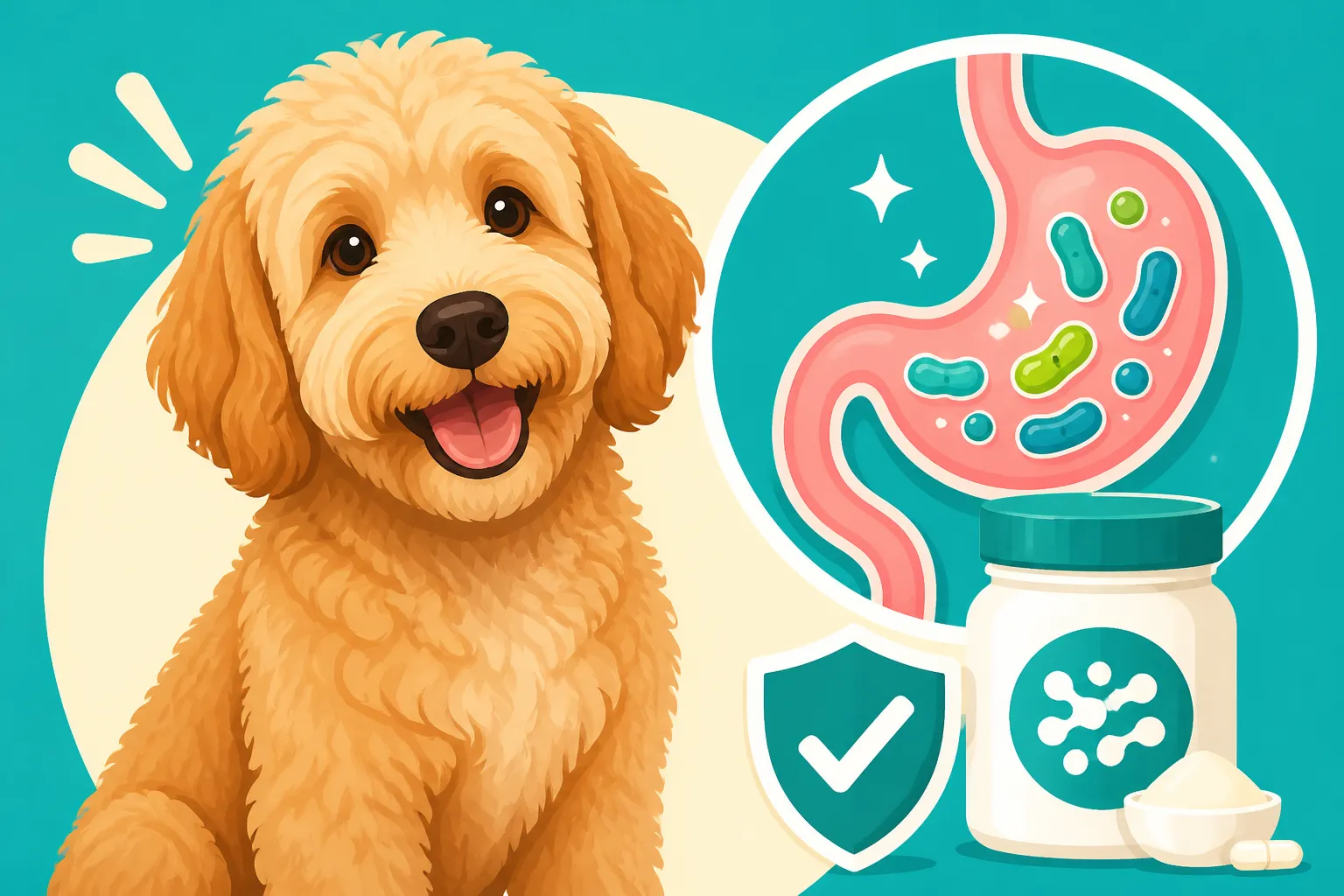
Think of your Labradoodle's gut as a bustling city, teeming with trillions of tiny residents – bacteria, fungi, and other microorganisms. This diverse community, known as the gut microbiome, plays an absolutely crucial role in far more than just digestion. It's intimately linked to their immune system, nutrient absorption, and even their mood and energy levels. A healthy microbiome has a balanced mix of "good" and "bad" bacteria, with the beneficial ones outnumbering the potentially harmful ones.
When this balance is thriving, your Labradoodle's digestive system can efficiently break down food, absorb essential nutrients, and produce vitamins. The good bacteria also form a protective barrier against pathogens, helping to prevent infections and keep inflammation at bay. It's a finely tuned ecosystem, and when it's working optimally, your Labradoodle can enjoy robust health from the inside out.
However, when the balance is thrown off – a state often called dysbiosis – problems can quickly arise. The "bad" bacteria can proliferate, leading to inflammation, malabsorption, and a weakened immune response. This imbalance manifests as those frustrating stomach issues we discussed, from loose stools and gas to more severe gastrointestinal upset. Supporting a healthy gut microbiome isn't just about alleviating symptoms; it's about bolstering your Labradoodle's entire bodily system.
Factors That Disrupt a Labradoodle's Gut Balance
There are so many everyday things that can throw a wrench into your Labradoodle's delicate gut balance, often without us even realizing it until their stomach starts acting up. One of the biggest culprits is dietary changes. If you suddenly switch your dog's food without a gradual transition, their digestive system might struggle to adapt, leading to upset. Even something as simple as a new treat or a different brand of chew can sometimes be enough to trigger a mild imbalance. We often mean well, trying to introduce variety or better quality food, but it needs to be done carefully. Switching a Labradoodle From Puppy Food for example, requires a slow, thoughtful approach.
Stress is another huge factor, and it's one we sometimes underestimate in our pets. A trip to the vet, boarding at a kennel, moving to a new home, or even just changes in your daily routine can cause anxiety in your Labradoodle, and this stress often manifests as digestive upset. Just like humans, a dog's gut and brain are closely linked. If you've ever seen a dog get an upset stomach before a car ride, you know exactly what I mean. Understanding Telling an Anxious Labradoodle From an Under Exercised One can help you differentiate behavioral issues from stress-induced physical ones.
Beyond stress and diet, medications, especially antibiotics, can significantly impact gut health. While necessary to fight bacterial infections, antibiotics don't discriminate between good and bad bacteria, often wiping out beneficial strains along with the harmful ones. This leaves the gut vulnerable to imbalance. Other factors include scavenging, where your Labradoodle might eat something questionable off the ground or raid the trash, leading to immediate upset, or even underlying health conditions. Even something like Pancreatitis After a Labradoodle Raids the Trash can have serious long-term effects on their digestive system.
What Are Probiotics and How Do They Work for Labradoodles?
When you hear the term "probiotics," it's easy to picture a complex scientific concoction, but at their heart, they're simply beneficial microorganisms designed to support a healthy gut. Understanding what they are and how they interact with your Labradoodle's digestive system is key to appreciating their potential benefits.
Defining Probiotics and Prebiotics
Let's clear up some common confusion: probiotics and prebiotics, while often discussed together, serve different but complementary roles. Probiotics are live microorganisms, primarily bacteria and sometimes yeast, which, when administered in adequate amounts, confer a health benefit on the host. Think of them as tiny, helpful workers that you introduce directly into your Labradoodle's gut to bolster the existing population of good bacteria. They're all about adding more of the beneficial guys to the team.
Prebiotics, on the other hand, are non-digestible food ingredients that selectively stimulate the growth and activity of beneficial bacteria already present in the gut. They act as "food" for the good bacteria, helping them to flourish and multiply. Common prebiotics include certain types of fiber found in ingredients like chicory root, beet pulp, and fructooligosaccharides (FOS). So, while probiotics introduce good bacteria, prebiotics feed them, creating an environment where they can thrive and do their best work. Many effective gut health supplements for dogs will actually combine both probiotics and prebiotics for a synergistic effect, often called a synbiotic approach.
The Science Behind Probiotics for Canine Digestion
The magic of probiotics lies in their ability to positively influence the gut microbiome. When your Labradoodle ingests probiotics, these beneficial bacteria make their way to the intestines and begin to establish themselves. One of the primary ways they help is through competitive exclusion. Essentially, they compete with harmful bacteria for space and nutrients along the intestinal wall. By occupying these spots and consuming resources, they prevent pathogenic bacteria from attaching, multiplying, and causing trouble. It's like filling all the seats at a concert so the troublemakers can't get in.
Beyond just physical competition, probiotics also play an active role in modifying the gut environment. They can produce antimicrobial substances that directly inhibit the growth of bad bacteria. Moreover, they help to strengthen the gut barrier, making it less permeable to toxins and allergens. This enhanced barrier function is crucial for preventing what's sometimes called "leaky gut," where unwanted substances can pass into the bloodstream and trigger inflammation or immune responses throughout the body.
The benefits extend to enhancing nutrient absorption, ensuring your Labradoodle gets the most out of their food. Probiotics can also modulate the immune system, with a significant portion of a dog's immune cells residing in the gut. A healthy gut microbiome can lead to a more balanced and responsive immune system, better equipped to fight off illness. For a Labradoodle, especially one prone to sensitivities, this comprehensive support from probiotics can be a game-changer for overall health and digestive comfort.
Specific Strains Beneficial for Dogs
Not all probiotic strains are created equal, and what works for humans might not be the best fit for your Labradoodle. When looking at probiotic supplements for dogs, you'll often see a few key players mentioned repeatedly because they've been studied and shown to be particularly effective in canine digestive systems.
One of the most common and well-researched groups is Lactobacillus. This genus includes strains like Lactobacillus acidophilus, Lactobacillus plantarum, and Lactobacillus casei, which are known for their ability to produce lactic acid, creating an acidic environment that inhibits the growth of many harmful bacteria. They're often associated with supporting nutrient absorption and maintaining a healthy gut lining. You'll find these in many human and canine supplements, but always opt for dog-specific formulations.
Another powerhouse group is Bifidobacterium, with strains such as Bifidobacterium animalis and Bifidobacterium longum. These strains are crucial for breaking down complex carbohydrates and aiding in the synthesis of certain vitamins. They also play a significant role in immune modulation within the gut. You might also encounter Enterococcus faecium, a specific strain often included in veterinary-formulated probiotics due to its proven efficacy in promoting gut health and firming up stools in dogs. Lastly, some products might include the yeast-based probiotic Saccharomyces boulardii, which is particularly robust and can be very helpful during antibiotic treatment or for addressing certain types of diarrhea, as it is not affected by antibiotics. When choosing, look for products that clearly list the specific strains and their colony-forming units (CFUs) to ensure you're getting a potent and effective supplement.
When to Consider Probiotics for Your Labradoodle
So, now that we understand what probiotics are and how they work, the big question is: when should you actually consider adding them to your Labradoodle's routine? They're not just a "fix-all" but can be incredibly beneficial in specific situations.
Addressing Acute Digestive Upset
This is often the first scenario that comes to mind for many owners. If your Labradoodle suddenly experiences a bout of acute digestive upset – think a sudden onset of mild diarrhea or temporary vomiting after, say, eating something suspicious in the yard – probiotics can be a fantastic tool to help their system bounce back more quickly. The goal here is to flood the gut with beneficial bacteria to help re-establish a healthy balance and outcompete any transient pathogens.
During these short-term episodes, the gut environment can become quite disrupted, and the natural population of good bacteria might take a hit. Introducing a high-quality probiotic can help reinforce the gut's defenses, soothe inflammation, and encourage the return of firmer stools. It's like sending in a clean-up crew to restore order after a minor disturbance. While it's always wise to consult your vet for any acute or severe symptoms, for mild, self-limiting issues, probiotics can provide welcome relief and support the recovery process.
It's important to remember that while probiotics can help manage the symptoms, they don't replace veterinary care for serious conditions. If your Labradoodle is lethargic, has blood in their stool, or is vomiting persistently, a vet visit is paramount. However, for those "oops, they ate a squirrel tail" or "new treat didn't agree with them" scenarios, probiotics can offer excellent supportive care, helping to shorten the duration of the upset and get your Labradoodle back to their normal, happy self.
Supporting Chronic Gastrointestinal Conditions
For Labradoodles that struggle with ongoing, chronic gastrointestinal issues, probiotics can become a vital part of their long-term management strategy, always under the guidance of a veterinarian. Conditions like Irritable Bowel Syndrome (IBS), Inflammatory Bowel Disease (IBD), or chronic soft stools often stem from an imbalanced or compromised gut microbiome and chronic inflammation. In these cases, consistent probiotic supplementation can help maintain a healthier gut environment over time.
By regularly introducing beneficial bacteria, you can help to modulate the immune response within the gut, reduce inflammation, and improve the integrity of the intestinal lining. This consistent support can lead to a significant reduction in the frequency and severity of flare-ups, offering a better quality of life for your Labradoodle. It’s not a magic bullet that cures these complex conditions, but it can certainly provide foundational support for a more stable and comfortable digestive system.
Working with your vet is non-negotiable here. They can help diagnose the underlying cause of chronic issues and recommend the most appropriate probiotic strains and dosage as part of a comprehensive treatment plan that might also include dietary changes, medication, or other supplements. Probiotics can be a powerful adjunctive therapy, helping to create a more resilient gut that's better equipped to handle the challenges of chronic conditions.
During or After Antibiotic Treatment
This is perhaps one of the most widely recognized and beneficial times to use probiotics for your Labradoodle. Antibiotics, while life-saving for bacterial infections, are indiscriminate in their action. They kill off not only the harmful bacteria causing the infection but also the beneficial bacteria that reside in your dog's gut, which are essential for healthy digestion and immune function. This collateral damage often leads to digestive upset, such as diarrhea, during or shortly after a course of antibiotics.
Administering probiotics concurrently with (but ideally a few hours apart from) antibiotics, and especially for several weeks after the antibiotic course is finished, can significantly help to mitigate these negative effects. The probiotics work to replenish the depleted good bacteria, helping to restore balance to the gut microbiome and prevent an overgrowth of opportunistic, potentially harmful pathogens. This proactive approach can reduce the likelihood of antibiotic-associated diarrhea and other digestive disturbances.
By supporting the rapid re-establishment of a healthy gut flora, probiotics help your Labradoodle recover their digestive equilibrium more quickly. This is particularly important because a compromised gut can also affect nutrient absorption and overall energy levels. Think of it as reseeding a lawn after a chemical treatment; you want to get those healthy grasses growing again as soon as possible to prevent weeds from taking over.
Managing Stress-Related Stomach Issues
Just like humans, dogs can "feel" stress in their stomachs. If your Labradoodle is prone to digestive upset during stressful events – whether it's car travel, a stay at a boarding facility, a visit from unfamiliar guests, or even fireworks – probiotics can play a preventative and supportive role. The gut-brain axis is a real thing, and stress hormones can directly impact gut motility and permeability, leading to those frustrating bouts of loose stools or vomiting.
Introducing probiotics a few days before a known stressful event and continuing through it can help fortify your Labradoodle's gut against these stress-induced changes. By maintaining a robust population of beneficial bacteria, you create a more stable internal environment that is less susceptible to disruption from external stressors. This can mean fewer upset tummies and a calmer, more comfortable experience for your dog.
It’s about building resilience. When the gut microbiome is strong and balanced, it’s better equipped to handle the physiological impact of stress, keeping digestion running smoothly even when your Labradoodle's nerves are a little frayed. This proactive approach can make a real difference for dogs that tend to "stress poop" or get sick to their stomachs during changes in routine or new experiences.
Choosing the Right Probiotic for Your Labradoodle
Navigating the world of probiotic supplements can feel a bit overwhelming with so many options out there. But by understanding a few key factors, you can make an informed choice that truly benefits your Labradoodle.
Different Forms: Powders, Chews, Food Additives
Probiotics for dogs come in a variety of forms, each with its own advantages, making it easier to find something that suits both your Labradoodle's preferences and your lifestyle.
Powders are one of the most common and versatile forms. They typically come in sachets or tubs with a scoop, designed to be sprinkled directly onto your Labradoodle's food. This is great for dogs who aren't picky eaters and will readily consume their meals with a little extra dusting. Powders often offer a high concentration of CFUs (colony-forming units) and can be easily adjusted in dosage if your vet recommends it. Many reputable brands offer powder forms, which you can easily find on platforms like Chewy or Amazon.
Chews or soft treats are another popular option, especially for Labradoodles who might be a bit more discerning about what goes into their bowl. These are formulated to be palatable, often flavored with ingredients like chicken or beef liver, making them feel more like a reward than a supplement. They're convenient, easy to administer, and can be a good way to ensure consistent intake, particularly if your dog loves treats. The downside can be that some chews might contain fillers or have a slightly lower CFU count per serving compared to some powders.
Food additives can include specific dog foods that are already fortified with probiotics. Some premium brands, like Ollie, incorporate probiotics into their fresh food recipes, which can be a great option for consistent gut support without adding another step to your routine. While convenient, the heat processing involved in some kibble manufacturing can sometimes reduce the viability of probiotics, so look for "post-biotic" or "probiotic-rich" formulations, or those where probiotics are added after cooling. Also, yogurt or kefir (plain, unsweetened) can be natural sources of probiotics, though the specific strains and CFU count might not be as high or targeted as in dedicated supplements.
Quality and Sourcing: What to Look For
When it comes to probiotics, quality isn't just a suggestion; it's absolutely crucial for effectiveness. A cheap, poorly formulated probiotic might contain dead bacteria or insufficient quantities, rendering it useless.
First and foremost, look for a product that clearly lists the specific bacterial strains (e.g., Lactobacillus acidophilus, Enterococcus faecium) and their colony-forming units (CFUs). A reputable probiotic will state the CFU count at the time of expiration, not just at the time of manufacture, ensuring the bacteria are still alive and active when your Labradoodle consumes them. A good starting point is often billions of CFUs, but the ideal amount can vary by product and purpose.
Third-party testing is another golden standard. This means an independent lab has verified the product's contents and potency, ensuring that what's on the label is actually in the supplement. Look for seals or statements on the packaging indicating such testing. You should also check for storage instructions – many probiotics require refrigeration to maintain viability, though some newer formulations are shelf-stable. If a product doesn't have clear storage guidance, it's a red flag.
Finally, consider the ingredient list. Avoid products with excessive fillers, artificial colors, flavors, or harmful preservatives. If your Labradoodle has specific allergies or sensitivities, scrutinize the inactive ingredients. Opt for brands with a strong reputation in pet health and transparent manufacturing practices. While you might find many options available, taking the time to research product reviews and manufacturer information on platforms like Chewy or Amazon can help you narrow down reliable choices.
Integrating Probiotics into Your Labradoodle's Diet
Once you've chosen a quality probiotic, integrating it into your Labradoodle's daily routine is usually quite straightforward. The most important thing is consistency, especially if you're addressing a chronic issue or supporting their gut during a stressful period.
For powdered probiotics, simply sprinkle the recommended dosage over your Labradoodle's regular meal. Many owners find it easiest to do this with wet food or by adding a little water or broth to kibble to help the powder adhere. Most Labradoodles won't even notice it, especially if they're food motivated. For those pickier eaters, you might need to mix it in thoroughly or even try a small amount of peanut butter (xylitol-free, of course) or plain yogurt to make it more appealing.
If you've opted for probiotic chews, simply offer them as a treat once a day, following the dosage instructions based on your Labradoodle's weight. This is often the easiest method for consistent administration, as most dogs love their treats. For specific probiotic-fortified foods like those from Ollie, the integration is seamless as it's already part of their meal plan. Remember that consistency is key, so try to administer the probiotic around the same time each day to establish a routine. If your Labradoodle is on antibiotics, space the probiotic dose a few hours apart from the antibiotic to maximize effectiveness.
| Probiotic Form | Pros | Cons | Ideal For |
|---|---|---|---|
| Powders | High CFU count, adjustable dosage, versatile | Can be messy, some picky eaters might refuse | Easy to hide in wet food, precise dosing |
| Chews/Treats | Palatable, easy to administer, convenient | May contain fillers, lower CFU than some powders | Dogs who love treats, on-the-go dosing |
| Food-Fortified | Seamless integration, consistent intake | Heat processing can affect viability (for kibble), less flexible dosing | Convenient for ongoing support, picky eaters |
| Natural (Yogurt/Kefir) | Readily available, generally palatable | Variable CFU and strain types, not targeted | Mild support, as a supplement to a dedicated probiotic |
What to Expect and Potential Considerations
Embarking on a probiotic regimen for your Labradoodle comes with expectations, but also a few things to keep in mind. Patience and close observation are your best tools during this process.
How Long Until You See Results?
This is a common question, and unfortunately, there's no single, definitive answer. The timeline for seeing results from probiotics can vary quite a bit depending on several factors: the severity and nature of your Labradoodle's digestive issues, the specific probiotic product you're using, and your dog's individual response.
For acute, mild digestive upset, you might notice improvements relatively quickly, sometimes within a few days. For instance, if your Labradoodle has temporary loose stools due to a minor dietary indiscretion, a high-quality probiotic might help firm things up within 3 to 5 days. The goal here is to help the gut quickly rebalance and recover.
However, if you're dealing with more chronic or complex gastrointestinal issues, or if you're trying to re-establish a healthy gut microbiome after a course of antibiotics, it can take longer. In these situations, you might not see noticeable improvements for several weeks, or even a couple of months. Consistent daily supplementation is key here, allowing the beneficial bacteria to properly colonize and exert their effects on the gut lining and immune system. It’s a marathon, not a sprint. Don't get discouraged if you don't see an overnight miracle; give it time to work.
Potential Side Effects
While probiotics are generally considered very safe for dogs, especially when using high-quality, pet-specific formulations, it's not uncommon for some Labradoodles to experience mild side effects, particularly when first starting supplementation. These are usually temporary and indicate that the probiotics are beginning to work and rebalance the gut flora.
The most common side effects are mild digestive disturbances, such as increased gas, slight bloating, or even a temporary change in stool consistency (sometimes slightly softer before firming up). This is often due to the introduction of new bacteria into an already sensitive or imbalanced system, causing a brief period of adjustment. These symptoms typically resolve on their own within a few days to a week as your Labradoodle's gut adapts.
In very rare cases, a dog might have an allergic reaction to an ingredient in the probiotic supplement, not necessarily the bacteria itself. This is why checking the full ingredient list for common allergens (like certain proteins) is important. If your Labradoodle experiences any severe or persistent side effects, such as prolonged vomiting, severe diarrhea, or lethargy after starting a probiotic, discontinue use immediately and consult your veterinarian. Always introduce any new supplement slowly and observe your dog closely.
The Importance of Veterinary Consultation
No matter how confident you feel about choosing a probiotic, always, always consult your veterinarian before starting your Labradoodle on any new supplement regimen, especially if they are already experiencing digestive issues. This is not just a formality; it's a critical step to ensure your dog's health and safety.
Your vet can help you determine if probiotics are truly appropriate for your Labradoodle's specific condition. Digestive upset can be a symptom of various underlying health problems, some of which require immediate and targeted veterinary intervention, not just a supplement. Conditions like Addison's disease, for example, can present with vague gastrointestinal signs, and simply treating with probiotics without a proper diagnosis could delay crucial treatment. The Vague Signs of Addison's in a Labradoodle are easily missed and can be life-threatening if ignored. Your vet can rule out more serious issues like parasites, infections, foreign bodies, or other chronic diseases before you start on a probiotic path.
Furthermore, your vet can offer personalized recommendations regarding specific probiotic strains, dosages, and brands that are best suited for your Labradoodle's age, size, and health history. They can also advise on how probiotics might interact with any other medications or supplements your dog is currently taking. Think of your vet as your co-pilot in your Labradoodle's health journey – their expertise is invaluable in navigating the best path forward.
Disclaimer
This article is for general informational purposes only and does not constitute professional advice. Laws, prices and regulations vary by location and change over time. Consult a qualified professional for guidance on your specific situation.