Mats in a Labradoodle’s Armpits
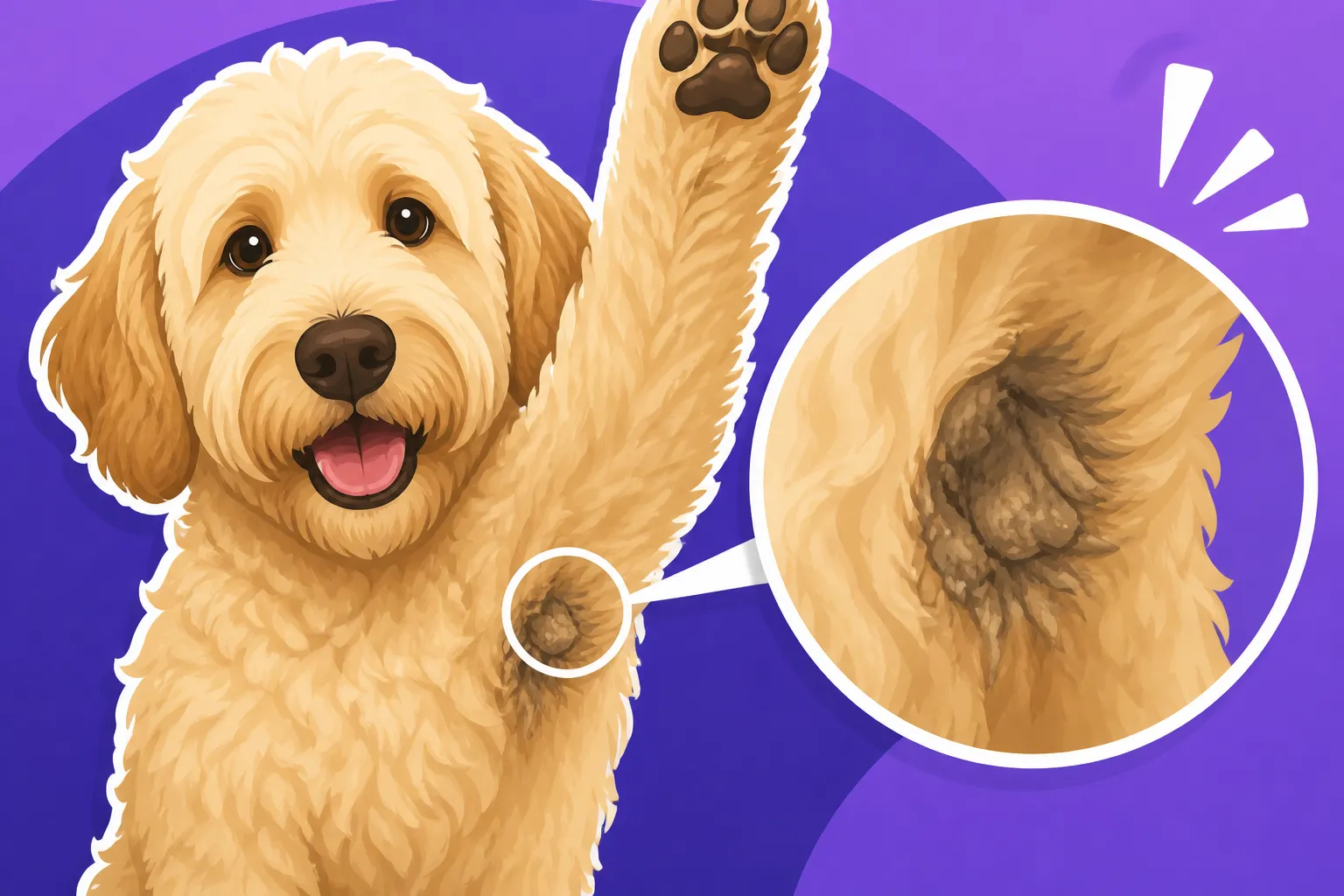
Oh, the dreaded armpit mats! If you own a Labradoodle, you've probably felt that sickening snag of your brush in their fluffy underarm area, and let me tell you, you are far from alone. This guide is all about tackling those persistent, painful mats that love to hide in your Labradoodle's armpits, offering practical advice to prevent them and handle them safely when they do appear.
Why Armpits Are a Matting Hotspot on Your Labradoodle
The armpit area on a Labradoodle is truly a perfect storm for mat formation. It's a combination of their unique coat structure, constant movement, and everyday interactions that makes this particular spot such a challenge for even the most diligent owners. You might be brushing diligently everywhere else, only to find a stubborn knot lurking right where you least expect it.
The Anatomy of a Labradoodle's Armpit
Think about how your Labradoodle moves throughout the day. Every step, every stretch, every playful pounce involves the front legs moving back and forth, creating friction right in the armpit. This constant rubbing isn't just a minor annoyance; it's a primary instigator of matting. The skin in this area can also have natural folds, especially if your dog is a little squishier or has extra skin, which further traps hair and creates tiny pockets for tangles to begin.
Beyond just the movement, the warmth and slight moisture that can accumulate in the armpits from body heat or outdoor adventures create an ideal environment for hair to clump together. It's not unlike how hair might mat more quickly on your own head when it's damp or sweaty. This combination of friction, warmth, and potential moisture makes the armpits a high-risk zone.
The Role of Coat Type and Texture
Labradoodles are renowned for their gorgeous coats, but those same coats are often the biggest contributors to matting woes. Whether your dog has a wavy fleece coat or a curly wool coat, the texture itself is designed to intertwine, which is fantastic for keeping dander contained but terrible for preventing knots. The softer, finer undercoat, which is typically dense, loves to grab onto the longer guard hairs, particularly in areas of high friction. You can learn more about these different textures in The Three Labradoodle Coats: Hair, Fleece and Wool.
The finer texture of the coat in the armpit area, often more akin to the delicate hair found behind the ears or on the belly, is especially vulnerable. This hair is usually softer and thinner than the tougher hair on their back or legs, making it prone to knotting at the slightest provocation. It's why even a well-brushed dog can develop a mat in this hidden spot almost overnight, leaving you wondering how it happened.
Environmental Factors and Lifestyle
Our Labradoodles are active, social creatures, and their daily lives are full of matting opportunities. A quick dip in a lake, a romp in the rain, or even just heavy dew on the grass can dampen the underarm hair. If this isn't thoroughly dried and brushed out, that moisture sets the stage for mats to tighten and harden. It's a bit like trying to comb wet, tangled human hair – it's much harder than dry hair. Whether Swimming Sets Off a Labradoodle's Ears is a good read, and the same principle applies to the coat.
Then there's the issue of gear. Many Labradoodles wear harnesses, which are fantastic for walks but terrible for armpit mats. The straps of a harness sit directly in the armpit region, causing constant rubbing and compression of the hair. Even a well-fitting harness can contribute significantly to matting here. If you've ever wondered Whether a Harness Mats a Labradoodle's Chest, the answer is often a resounding yes, and the armpits are ground zero. Even sweaters or dog coats, especially during colder months, can create similar friction if not carefully monitored.
The Impact of Armpit Mats on Your Labradoodle's Well-being
It's easy to dismiss a small mat as just a cosmetic issue, but for your Labradoodle, armpit mats can become a significant source of pain, discomfort, and even serious health problems. Understanding the potential ramifications can really motivate you to stay on top of that grooming routine.
Pain and Discomfort
Imagine having a tight knot of hair constantly pulling at your skin with every movement. That's what a mat feels like to your Labradoodle. Mats don't just sit on the surface; they tighten and pull at the delicate skin underneath, causing constant irritation and discomfort. In the armpits, this is amplified because it's a high-movement area. Every step your dog takes, every time they stretch or play, that mat is tugging.
Over time, this continuous pulling can lead to tenderness, bruising, and even open sores on the skin. It can make them reluctant to engage in activities they once loved, like running or playing fetch, simply because the movement causes pain. You might notice them walking more stiffly, or being unusually sensitive when you try to touch their chest or sides. A seemingly innocent tangle can severely impact their quality of life.
Skin Issues and Infections
Beyond the immediate pain, mats create a terrible environment for your dog's skin. They trap moisture, dirt, and debris against the skin, blocking proper air circulation. This warm, damp, and unventilated environment is a breeding ground for bacteria and yeast. You might notice redness, inflammation, and a foul odor emanating from beneath the mat.
Hot spots, a type of acute moist dermatitis, are common under mats. These are intensely itchy, painful skin infections that can spread rapidly. If left untreated, severe matting can restrict blood flow and even lead to skin necrosis in extreme cases, where the skin literally dies due to lack of circulation. This is why it's so critical to address mats promptly and not let them fester.
Behavioral Changes
A dog in constant discomfort or pain is not a happy dog. Armpit mats can lead to significant behavioral changes in your Labradoodle. They might become withdrawn, less playful, or even exhibit aggression when you try to touch them, especially in the sensitive matted areas. This isn't because they're being "bad" but because they're anticipating pain.
A dog that was once enthusiastic about walks might become hesitant if wearing a harness or moving causes pain. They might start guarding their sides or snapping when approached, simply as a protective measure. These behavioral shifts are often subtle at first, but can escalate, impacting the bond you share. Recognizing these signs early is crucial for both their physical and emotional well-being.
Essential Strategies for Preventing Armpit Mats
Prevention is always better than cure, especially when it comes to Labradoodle mats. Staying on top of their grooming needs, particularly in those tricky armpit areas, can save both you and your furry friend a lot of heartache and discomfort. It requires consistency, the right tools, and a bit of technique.
Daily Brushing Techniques
The absolute cornerstone of mat prevention, especially in high-friction areas like the armpits, is consistent, thorough brushing. This doesn't mean a quick run-through; it means line brushing all the way to the skin. To tackle the armpits effectively, you'll need to gently lift your Labradoodle's front leg and brush the hair underneath, starting from the skin and working outwards. It's often easier if your dog is lying down or standing on a grooming table so you can clearly see and access the area.
You need to work in small sections, making sure your brush reaches through the entire coat depth. Many owners make the mistake of only brushing the top layer, leaving the undercoat to mat against the skin. For detailed guidance, check out Brushing a Labradoodle to the Skin, Not the Surface. Use a slicker brush, followed by a metal comb, to ensure every tangle is removed. Pay special attention after walks, especially if your dog has been playing or getting wet, as these are prime times for mats to start forming.
The Right Grooming Tools
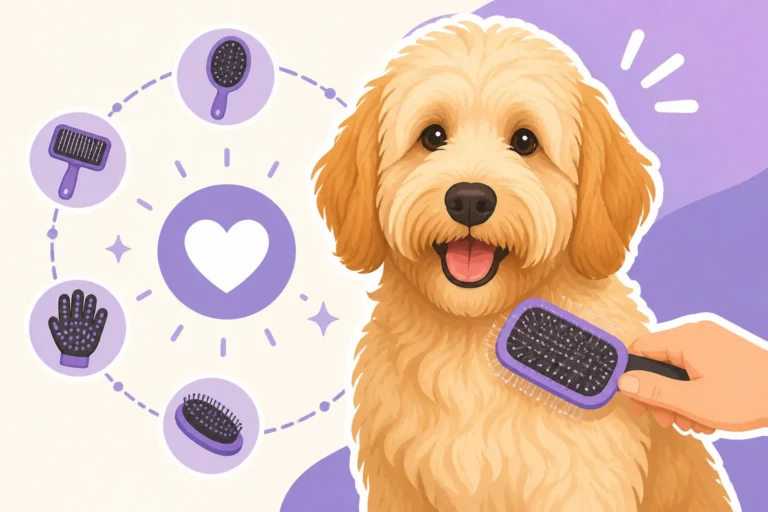
Having the correct tools makes all the difference. For Labradoodle coats, a good quality slicker brush is indispensable. Look for one with fine, firm pins that can penetrate the dense coat without scratching the skin. Following up with a long-toothed metal comb is crucial to catch any nascent tangles the slicker might miss. A greyhound comb with both wide and narrow teeth is perfect for this. The Slicker, Rake and Comb a Labradoodle Takes goes into more detail on tool selection.
Additionally, a good detangling spray can be a lifesaver. These sprays help to lubricate the hair, making it easier for the brush to glide through and loosen tangles before they become full-blown mats. Many excellent options are available from retailers like Chewy or Amazon. Apply a light mist before you start brushing, focusing on areas prone to matting like the armpits. If you encounter a tiny knot, a small amount of cornstarch or a mat-specific spray can also help to break it down.
Regular Professional Grooming
While daily home brushing is essential, it's often not enough to completely prevent mats, especially in a dense Labradoodle coat. Regular professional grooming is a vital part of their care, particularly for managing problem areas like the armpits. A professional groomer has specialized tools, techniques, and experience to tackle these challenging spots safely and effectively. They can also get your dog into the habit of standing still for longer grooming sessions, which makes your life easier.
Your groomer can recommend a suitable schedule, typically every 6-8 weeks, and advise on clips that help minimize matting. A shorter clip in the armpit area, blending into the rest of the coat, can dramatically reduce mat formation without altering their overall appearance too much. Don't be afraid to communicate your concerns about armpit mats; a good groomer will appreciate your diligence and work with you to keep your Labradoodle comfortable. This is particularly important for managing Mats in a Labradoodle's Armpits.
Strategic Use of Attire and Accessories
Since harnesses are a major culprit for armpit mats, re-evaluating their use and fit can be very beneficial. If your Labradoodle regularly wears a harness, ensure it fits properly, isn't rubbing excessively, and is removed immediately after walks. Consider a Y-front harness design rather than one that sits directly in the armpits, as this can reduce friction. For some dogs, a well-fitting collar might be a better option for walks, or a different style of harness that doesn't put pressure on the armpits.
If your dog needs to wear a coat or sweater in cold weather, choose options that are lightweight, breathable, and not too tight around the armpits. Make sure to remove any attire as soon as you come inside and brush out the areas that were covered, paying extra attention to where the fabric might have rubbed. Even simple choices like this can make a big difference in preventing those painful underarm tangles.
Dealing with Existing Armpit Mats Safely
Finding a mat in your Labradoodle's armpit can be disheartening, but the key is to approach it calmly and safely. Rushing in with scissors or pulling aggressively with a brush can cause immense pain and injury. There's a right way and a wrong way to handle these stubborn tangles, and knowing the difference is crucial.
Gentle Detangling at Home
If you discover a small, loose mat in your Labradoodle's armpit, you might be able to tackle it yourself with a lot of patience and the right tools. First, get your dog comfortable. Have them lie down on their side, or stand on a stable surface where you can easily access the armpit. Use a detangling spray generously on the mat and work it in with your fingers. You can find excellent detangling sprays from pet supply retailers like Chewy or on Amazon.
Next, gently use your fingers to try and tease apart the edges of the mat. Then, with a slicker brush, brush only the outer edges of the mat, working small sections at a time. The goal is to separate the matted hair strands gradually. Once it's looser, use a metal comb, starting from the tip of the hair and working your way towards the skin, one small section at a time. Always hold the hair at the base of the mat with your fingers to prevent pulling on the skin. If your dog shows any signs of pain or discomfort, stop immediately. Remember, if the mat is tight, close to the skin, or larger than a quarter, it’s often best to leave it to a professional.
When to Seek Professional Help
There are definite situations where attempting to remove an armpit mat yourself is not only difficult but also dangerous. If a mat is tight against the skin, large, or numerous, it's incredibly easy to accidentally cut your dog's skin with scissors, which can lead to serious injury and a trip to the vet. These areas are delicate, and the skin is often pulled up into the mat itself, making it almost impossible to safely get scissors underneath.
A professional groomer has specialized clippers with various blade lengths that can safely shave underneath a tight mat without damaging the skin. They also have experience dealing with dogs who are uncomfortable or in pain, and they can manage the process with minimal stress for your Labradoodle. Don't feel guilty about taking your dog to a groomer for mat removal; it's the safest and kindest option for a severe situation. While it might cost a bit more, it's worth it to avoid injury and stress for your pet.
The Importance of Communication with Your Groomer
When you take your Labradoodle to the groomer, especially if they have significant matting, be completely upfront and honest about the situation. Explain where the mats are, how long they've been there, and if your dog is sensitive in those areas. This information helps the groomer prepare and decide on the best course of action. They might recommend a full shave-down, particularly if the mats are extensive and tight. This is often the most humane option, as it removes all the painful pulling. Don't be surprised if your groomer suggests a shorter clip to get rid of the mats completely; it's for your dog's comfort and well-being.
Your groomer will also be able to offer advice on how to prevent future matting, recommend specific tools, and even show you quick techniques for daily maintenance. They are your partners in keeping your Labradoodle's coat healthy and comfortable. You might discuss options like What a One Inch Clip Looks Like on a Labradoodle to manage future growth. Remember, regular visits are key to keeping those armpit mats at bay.
| Matting Severity | Home Management Steps | When to Call a Professional Groomer |
|---|---|---|
| Small, Loose Mat | – Apply detangling spray. | – If dog shows discomfort. |
| – Gently tease apart with fingers. | – If mat is too large to comfortably handle. | |
| – Use slicker brush on outer edges, then metal comb. | ||
| Medium Mat | – Use detangling spray. | – Recommended for safer, less painful removal. |
| (Tight, pea-sized) | – Attempt very gentle teasing with fingers only. | – If mat is close to skin or dog is sensitive. |
| – Avoid brushes/combs if tight. | ||
| Large, Tight Mat | – Do not attempt at home. | – Immediately. This requires professional tools and expertise to avoid injury. |
| (Close to skin) | – Keep dog comfortable until groomer appointment. | – Expect a potential shave-down for comfort. |
Disclaimer
This article is for general informational purposes only and does not constitute professional advice. Laws, prices and regulations vary by location and change over time. Consult a qualified professional for guidance on your specific situation.