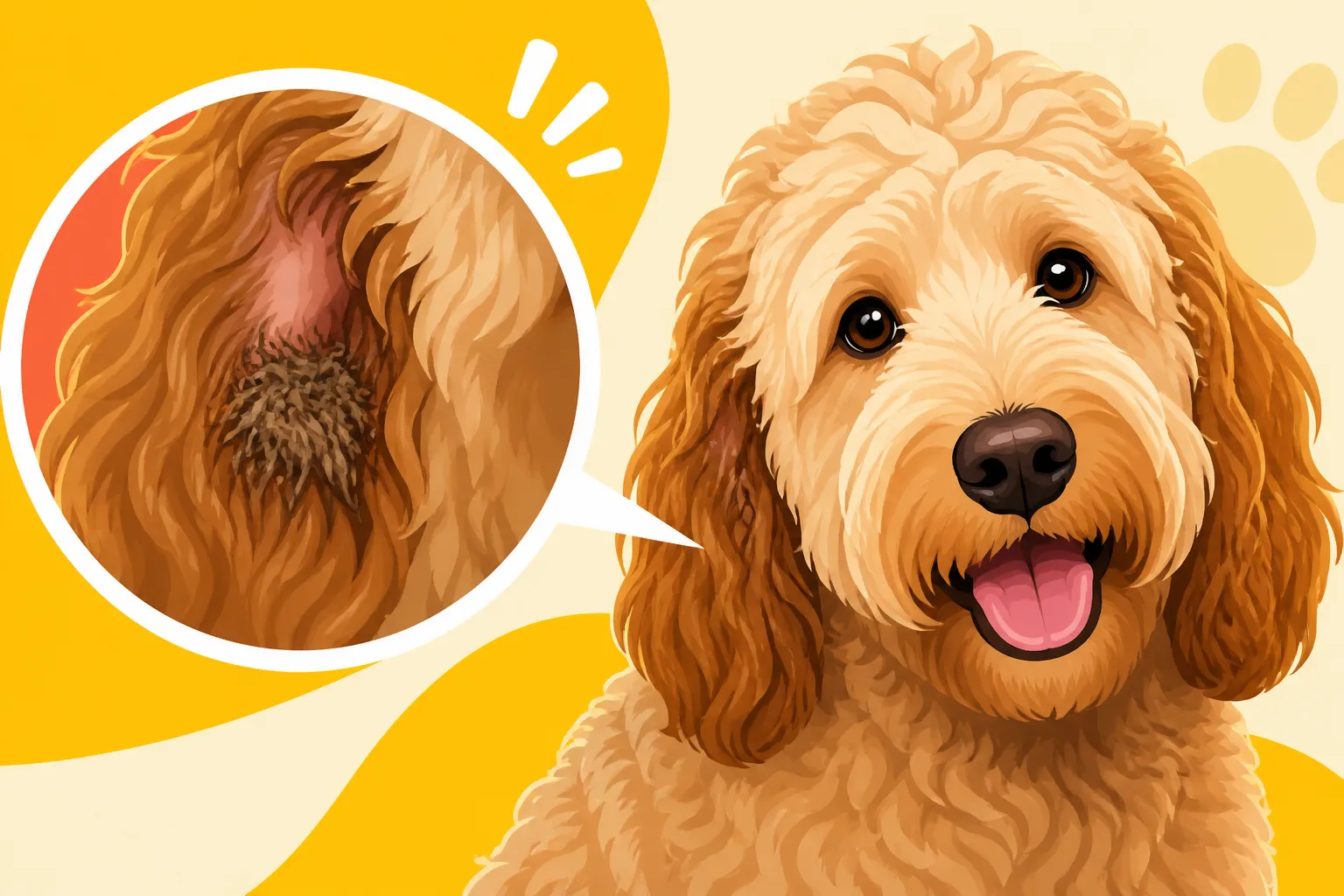
Mats Behind a Labradoodle’s Ears
Oh, the infamous mats behind a Labradoodle's ears! If you're a Labradoodle owner, you've probably experienced that heart-sinking moment when you're stroking your dog's silky, soft fur, only to discover a hard, felted lump hiding just out of sight. It's a universal struggle for those of us who adore these wonderful dogs, and it often feels like these mats appear out of nowhere, seemingly overnight, causing discomfort for our pups and frustration for us. This guide is here to walk you through exactly why these sneaky mats form, how to prevent them with practical, empathetic strategies, and what to do when you inevitably find one, ensuring your Labradoodle stays happy, comfortable, and mat-free.
Why Labradoodle Ears Are a Mat Magnet
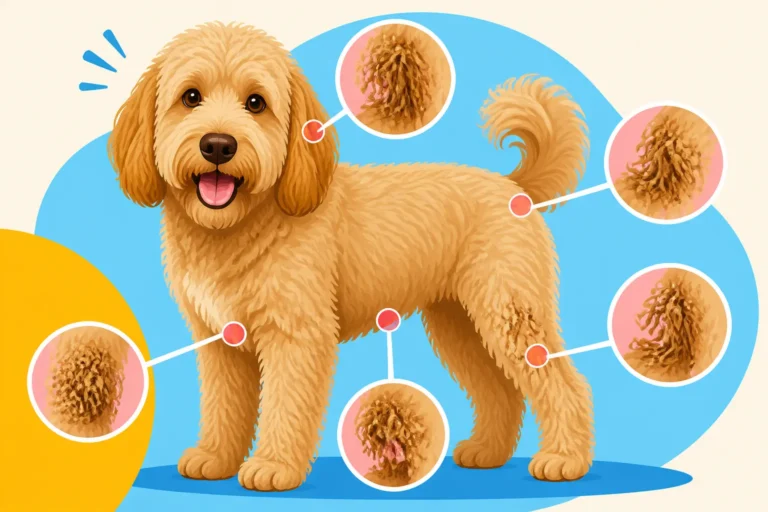
It truly feels like Labradoodles are designed to collect mats behind their ears, doesn't it? It's not just your imagination or a failing on your part. There are several very real, structural reasons why this particular spot is a hotspot for tangles, and understanding them is the first step in winning the battle against them.
The Unique Anatomy of a Labradoodle's Drop Ear
Unlike some breeds with prick ears that allow for plenty of air circulation and less friction, Labradoodles inherit those adorable, floppy, drop ears. These ears, whether more Poodle-like or Labrador-like, tend to lie close to the head and neck. This seemingly innocent feature creates a perfect storm for matting. Think about it: the fur directly behind the ear is constantly pressed against the fur on the neck and shoulder. This constant friction, combined with the warmth and often reduced airflow under the ear flap, encourages the individual hairs to intertwine and bind together.
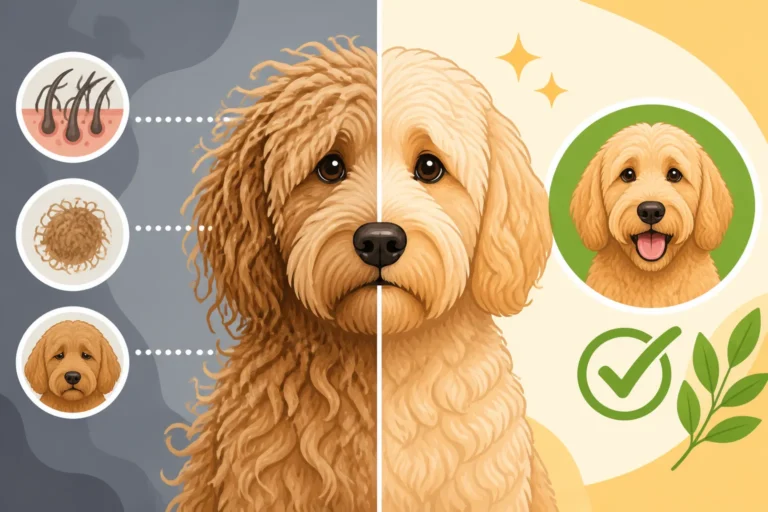
Beyond the external factors, the actual structure of the hair itself plays a huge role. Labradoodle coats, especially the fleece and wool varieties, are designed to be low-shedding, which means the dead hair doesn't fall out readily. Instead, it gets trapped within the healthy coat. When this trapped hair is subjected to friction and moisture in a confined space, like behind a floppy ear, it quickly becomes a tight, dense mat. It's a testament to the coat's design, but also its biggest maintenance challenge.
The Role of Coat Type, Growth, and Daily Life
Not all Labradoodle coats are created equal when it comes to matting, though all require diligence. A wool coat, with its dense, curly texture, is perhaps the most prone to matting because its tight curls lock together more easily. Fleece coats, while often softer and wavier, are still highly susceptible, especially if they are particularly dense. Even hair-coated Labradoodles, while shedding more, can develop mats if their fur is longer and not regularly brushed through. It's a common misconception that if a dog sheds, it won't mat. While less prone, long-haired shedding dogs can still get mats, especially in high-friction areas.
Then there's the notorious "coat change" that hits most Labradoodles between 8 and 14 months of age. This is when their soft puppy coat is gradually replaced by their denser adult coat. During this period, the shedding puppy hair gets tangled with the incoming adult hair, creating an absolute matting nightmare. This is often when owners first truly experience the struggle with ear mats, armpit mats, and all sorts of hidden tangles. The Coat Change That Hits a Labradoodle at Nine Months is a prime example of a time when vigilance is absolutely critical. Everyday activities also contribute: a collar rubbing behind the ears, a harness that shifts and creates friction, rolling around during play, or even just the way your Labradoodle sleeps with their head tucked in. These seemingly innocent actions constantly rub and compress the fur, setting the stage for mats to form.
Proactive Steps to Prevent Ear Mats
The old adage "an ounce of prevention is worth a pound of cure" couldn't be more true when it comes to Labradoodle mats. Trust me, it's far easier to prevent a mat than to remove one. Establishing a consistent, thoughtful grooming routine is your best defense.
Establishing a Regular Brushing Routine
This is, hands down, the most crucial preventative measure. You need to make brushing a non-negotiable part of your Labradoodle's week, if not their daily routine. For the areas behind the ears, daily, quick attention is ideal. The key is not just brushing the surface, but getting down to the skin. This technique is called line brushing. You gently part the fur and brush small sections at a time, making sure your brush reaches the skin, working your way through the entire coat layer by layer. This ensures you're removing all the trapped dead hair before it has a chance to bind with live hair. If you're only skimming the top, those mats are still brewing underneath. Brushing a Labradoodle to the Skin, Not the Surface is a skill worth mastering for every Labradoodle owner.
Consistency is more important than marathon brushing sessions. Ten minutes every day, focusing on those problem areas like behind the ears, armpits, and groin, will yield much better results than an hour-long session once a week trying to undo days of matting. Make it a positive experience with treats and praise, so your Labradoodle associates grooming with good things. This also makes future grooming sessions, especially with professional groomers, much easier. Many owners find it helpful to start with a soft slicker brush to work through surface tangles, followed by a metal comb to check for mats closer to the skin. You can find excellent quality slicker brushes and metal combs on sites like Chewy or Amazon.
Strategic Trimming and Grooming
Even with diligent brushing, some Labradoodles, especially those with very dense or curly coats, might benefit from strategic trimming around the ears. A professional groomer can often thin or shorten the hair directly behind and under the ear flap, reducing the amount of fur available to mat and increasing airflow. This doesn't mean giving your dog an extreme haircut, but rather a subtle trim that targets the high-friction zones. Discuss this option with your groomer; they can assess your dog's specific coat type and lifestyle to recommend the best approach.
Regular professional grooming, every 6-8 weeks, is also a powerful preventative measure. Your groomer has specialized tools and experience to thoroughly de-shed and demat your Labradoodle's coat in ways that are difficult to replicate at home. They can also identify nascent mats that you might miss and address them before they become serious. When your Labradoodle is getting a "teddy bear clip" or a similar style, ask your groomer to pay extra attention to thinning the hair behind the ears. This might be a slightly different approach than you'd expect, but it can make a world of difference in preventing those persistent ear mats. Don't forget, The Six to Eight Week Clock on a Labradoodle's Coat is a real thing if you want to stay ahead of the mats!
The Right Tools and Products
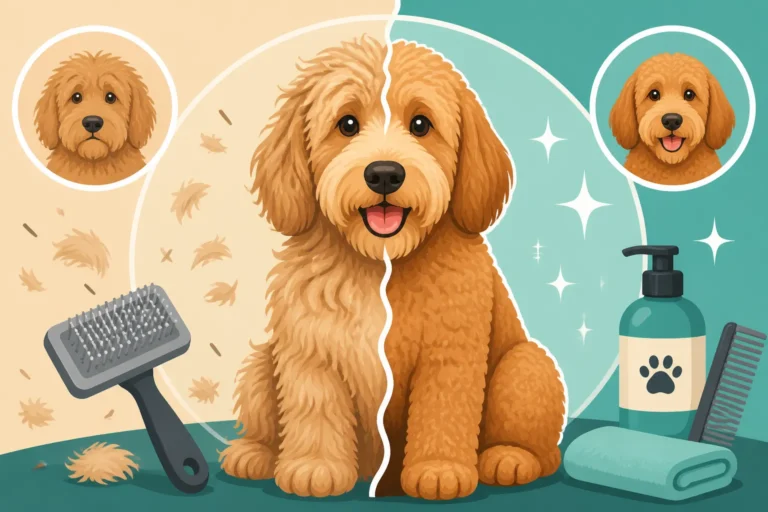
Having the right tools is half the battle. Invest in a good quality slicker brush that can penetrate the coat, a sturdy metal greyhound comb with both wide and fine teeth, and a detangling spray or conditioning spray. The detangling spray can be a real game-changer; a light mist before brushing helps the brush glide through the hair more easily, minimizing breakage and static, both of which can contribute to matting. Always spray, then brush. Never brush dry, matted hair as this will pull and hurt your dog, and can also damage the coat.
Consider a leave-in conditioner after baths. When you wash your Labradoodle, even if you’re careful, wet hair can tangle more easily as it dries. A good quality conditioner can help smooth the cuticle and make the coat more resistant to matting. You can find a wide range of conditioning sprays and detangling products from reputable brands on Chewy that are specifically formulated for curly or dense coats like your Labradoodle's. For dogs that love to swim, or those with very long ear fur, a snood or ear cover can also be helpful to keep the ears tucked back and prevent water from getting in, which can exacerbate matting if not dried thoroughly.
Dealing with Existing Mats Behind the Ears
So, despite your best efforts, you've found a mat. Don't despair, it happens to even the most diligent owners! The key is to address it as soon as possible, before it tightens and becomes painful or impossible to remove.
Assessing the Mat's Severity
Before you jump in, take a moment to assess the mat. Is it small and relatively loose, or is it a dense, tight clump that's pulled right against the skin? Can you see skin through or around it? Does your dog react negatively when you touch it? The size and tightness of the mat will dictate your approach. A small, loose tangle can often be worked out at home, but a large, tight mat that's pressing against the skin might be beyond your DIY capabilities and could cause significant pain if you try to force it out.
If the mat is painful to touch, or if your dog is showing any signs of aggression or fear when you try to handle it, it's a strong indicator that professional intervention is needed. Forcing a mat out can tear the skin, cause bruising, and make your dog utterly despise grooming, which can have long-term consequences. Remember, the goal is to remove the mat safely and with as little stress as possible for your Labradoodle. Knowing Whether a Tight Matted Labradoodle Has Any Other Option besides shaving is crucial, and often, it's best left to a professional.
Gentle Detangling Techniques at Home
For smaller, looser mats, you can try to gently work them out at home. Gather your tools: a detangling spray, a metal comb, and perhaps a seam ripper or a blunt-ended scissor (use with extreme caution, only to snip the mat, never close to the skin).
- Spray the Mat: Liberally apply a good quality detangling spray to the mat. Let it sit for a minute or two to penetrate the hair.
- Separate with Fingers: Gently try to tease apart the outer edges of the mat with your fingers. Work from the outside in, never pulling directly on the mat itself, but rather trying to separate individual strands from the main clump.
- Comb from the Edge: Using the wide-toothed end of your metal comb, start at the very edge of the mat, closest to the skin, and work small sections at a time. Hold the base of the hair with one hand (between the mat and the skin) to prevent pulling on your dog's skin, which can be very painful.
- Work Slowly: This is not a race. Take frequent breaks. If your dog gets antsy, stop and try again later. Treats and praise can help keep them calm.
- Consider Cornstarch: For very greasy or stubborn mats, a little cornstarch or baby powder can sometimes help by absorbing excess oil and giving the hair a bit more slip, making it easier to separate. Sprinkle a tiny bit, work it in, then follow the detangling steps.
When to Seek Professional Help
If a mat is large, tight, close to the skin, or if your Labradoodle is in pain or showing any signs of discomfort during your attempts, it's time to call in a professional groomer. They have specialized tools like dematting rakes, mat splitters, and clippers that can remove mats far more efficiently and safely than you can at home. A groomer can often work wonders, carefully shaving under the mat with a very short blade to remove it without causing injury. They're trained to handle matted coats with care and minimize stress for your dog.
Sometimes, a severe mat behind the ear might necessitate shaving the area very short, or even a full body shave if the matting is extensive. While it might look a little shocking at first, it's often the kindest and safest option for your dog. A good groomer will always prioritize your dog's comfort and safety over a perfect haircut. They might suggest a "kennel clip" if the matting is severe, which is a very short, all-over cut designed to get under the mats and give the coat a fresh start. Don't be embarrassed if you need to take your Labradoodle in for matting; it's a common issue, and a good groomer understands. Just be honest about the situation so they can prepare accordingly.
Long-Term Ear Health and Maintenance
Preventing ear mats isn't just about aesthetics; it's about your Labradoodle's overall health and well-being. Mats can pull on the skin, causing irritation, sores, and even skin infections if left untreated. Incorporating comprehensive ear care into your routine will make a big difference.
The Importance of Ear Cleaning
Labradoodles are prone to ear infections, partly due to those lovely drop ears which create a warm, moist environment perfect for yeast and bacteria to thrive. Mats behind the ears can further exacerbate this by trapping moisture and preventing air circulation, which contributes to overall poor ear health. Regularly cleaning your Labradoodle's ears is just as important as brushing. Use a veterinarian-approved ear cleaner and cotton balls (never cotton swabs down the ear canal). Gently wipe the visible parts of the ear, removing any wax or debris. If you notice a foul odor, excessive shaking of the head, or redness, consult your vet immediately.
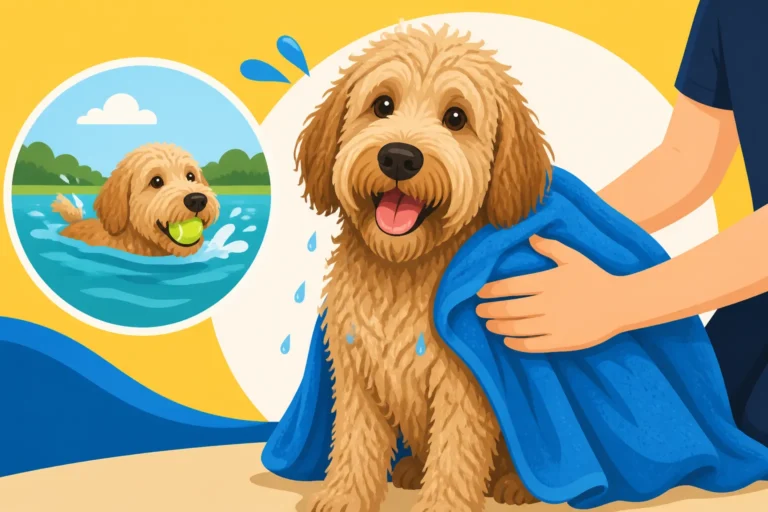
After baths or swimming, it’s absolutely critical to thoroughly dry your Labradoodle’s ears, inside and out. Water trapped in the ear canal can quickly lead to infection. Using a towel to gently blot the inner ear flap and a low-setting hairdryer (held at a safe distance) can help. For more detailed guidance, check out Drying a Labradoodle's Ears Properly. Healthy ears are less likely to develop skin issues that might worsen matting.
Nutrition and Skin Health
Believe it or not, your Labradoodle's diet can play a role in the health and manageability of their coat. A well-balanced diet rich in essential fatty acids (like Omega-3 and Omega-6) contributes to healthy skin and a strong, resilient coat that is less prone to breakage and matting. A healthy coat is often smoother, shinier, and easier to brush through. If your dog's coat seems unusually dry, brittle, or prone to static, it might be worth discussing their diet with your veterinarian.
High-quality dog food brands often formulate their products with skin and coat health in mind. Some owners even add fish oil supplements, but always discuss this with your vet first to ensure proper dosing. While brands like Ollie focus on fresh, human-grade ingredients that can contribute to overall wellness, including skin and coat health, ensure any changes to your dog's diet are gradual and approved by a professional. A healthy pup from the inside out will have a more manageable coat.
Partnering with Your Groomer
Think of your groomer as a vital partner in your Labradoodle's care team. Regular visits not only keep your dog looking sharp but also provide opportunities for professional coat and skin assessment. A good groomer can alert you to skin issues, lumps, or developing mats in hard-to-reach places. Establish clear communication with them about your struggles with ear mats. Don't hesitate to ask for advice on at-home techniques or product recommendations.
They can also suggest specific clips or grooming schedules that might work best for your Labradoodle's particular coat type and your lifestyle, especially if you find yourself constantly battling mats. For example, if you know your dog is prone to ear mats, you can specifically ask the groomer to keep the hair behind the ears shorter or thinned during each appointment. This collaboration ensures that your Labradoodle receives consistent, effective care, making life easier and more comfortable for both of you. It's truly a team effort when it comes to keeping that glorious Labradoodle coat in top condition.
| Grooming Task | Frequency | Key Tools Needed | Notes |
|---|---|---|---|
| Behind-Ear Brushing | Daily/Every other | Slicker brush, Metal comb, Detangling spray | Focus on line brushing to the skin. Hold hair at base to prevent pulling. |
| Full Body Brushing | 2-3 times/week | Slicker brush, Rake, Metal comb, Detangling spray | Essential for preventing all-over matting, especially during coat change. |
| Professional Grooming | Every 6-8 weeks | Professional clippers, Scissors, Force dryer | Ask for specific attention to ears, armpits, and other mat-prone areas. |
| Ear Cleaning | Weekly/Bi-weekly | Vet-approved ear cleaner, Cotton balls | Prevents infections, which can exacerbate matting issues around ears. |
| Bathing & Drying | As needed (2-4 weeks) | Dog shampoo & conditioner, High-velocity dryer | Always brush thoroughly before and after bathing; dry completely to prevent new mats. |
Disclaimer
This article is for general informational purposes only and does not constitute professional advice. Laws, prices and regulations vary by location and change over time. Consult a qualified professional for guidance on your specific situation.