Whether a Comb Beats a Slicker on a Labradoodle
The fluffy, adorable coat of a Labradoodle is one of their most defining features, but anyone who owns one knows it can quickly turn into a matted nightmare without the right care. Many new and even seasoned Labradoodle parents grapple with the age-old question: when it comes to tackling tangles and maintaining that luscious coat, is a grooming comb or a slicker brush the superior tool? This guide will dive deep into both, helping you understand their specific roles and how to use them effectively to keep your Labradoodle's coat healthy and mat-free.
Understanding Your Labradoodle's Coat and the Matting Challenge
Before we even pick up a brush or a comb, it's crucial to understand the very thing we're working with: your Labradoodle's unique coat. Unlike many breeds with predictable fur, Labradoodles can have a range of textures, each presenting its own grooming quirks and challenges. This inherent variability is often what catches new owners off guard, leading to coat struggles if not properly understood from the get-go.
The Unique Texture of Labradoodle Coats
Labradoodle coats are a blend of their Labrador Retriever and Poodle ancestry, and this genetic lottery means you might end up with a coat that's more like one parent than the other, or a delightful mix of both. Generally, we categorize them into three main types: hair, fleece, and wool. A hair coat is the closest to a Labrador's, often shedding more and feeling coarser. A fleece coat is soft and wavy, often described as feeling like an angora goat, and tends to be the most popular for its low-shedding qualities. Then there's the wool coat, which is dense and curly, much like a Poodle's, and requires the most intensive grooming. Each of these textures, from the looser hair to the tight curls of wool, responds differently to brushing and combing, making tool selection and technique paramount. Understanding The Three Labradoodle Coats: Hair, Fleece and Wool is the first step in winning the grooming battle.
Why Labradoodles Mat So Easily
The very qualities that make Labradoodle coats so desirable—their softness, density, and low-shedding nature—are also precisely what makes them incredibly prone to matting. When loose hairs don't fall out naturally (because they're "non-shedding" or low-shedding), they get trapped within the coat, intertwining with the live hair. This creates tangles that, if left unattended, quickly compact into dense, painful mats close to the skin. These mats aren't just an aesthetic issue; they can pull on the skin, causing discomfort, irritation, and even skin infections by trapping moisture and debris. Areas like behind the ears, in the armpits, on the belly, and around the tail are notorious mat traps because of friction and fine hair. You might find yourself battling Mats Behind a Labradoodle's Ears more often than you'd like.
The Dreaded "Coat Change" and Its Impact
Just when you think you've got your Labradoodle's puppy coat figured out, usually around nine to twelve months of age, they go through what's known as the "coat change." This is a period where their soft puppy fur is gradually replaced by their denser, adult coat. During this transition, the differing textures of the old and new hair intermingle, creating a perfect storm for matting. It's like trying to comb two different types of yarn together – they just want to tangle! This phase is arguably the most challenging grooming period for any Labradoodle owner and requires heightened vigilance and consistent grooming. Many owners find themselves asking What Happens to a Labradoodle's Coat at Nine Months as they suddenly face a surge in matting.
The Slicker Brush: Your First Line of Defense Against Mats
When it comes to the initial attack on tangles and the general upkeep of a Labradoodle's coat, the slicker brush is often the first tool professional groomers and experienced owners reach for. It's designed to penetrate dense coats and separate individual hairs, making it incredibly effective, but it requires correct technique to avoid discomfort for your dog.
What Exactly Is a Slicker Brush?
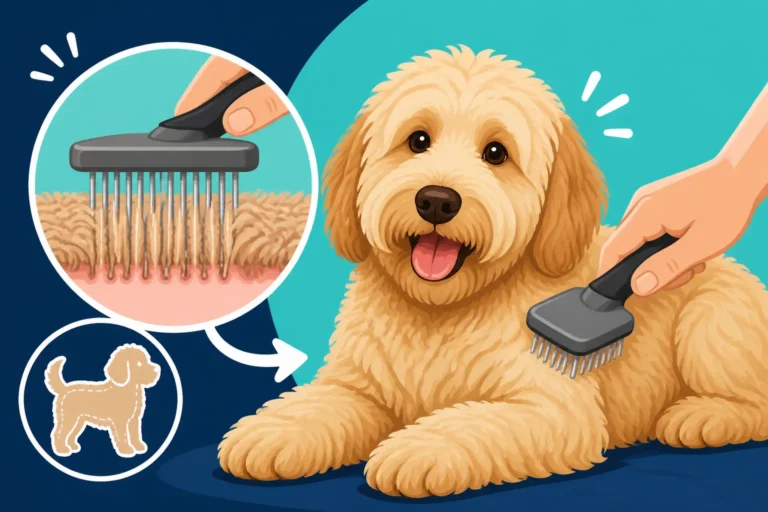
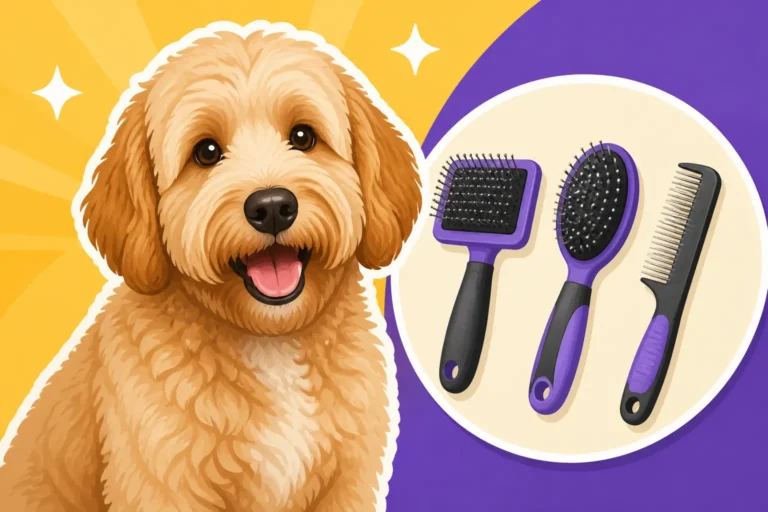
A slicker brush is characterized by its rectangular or oval head covered in fine, short wire bristles that are angled. These bristles are designed to gently pull through the coat, removing loose hair and breaking up small tangles without causing damage if used correctly. They come in various sizes and bristle stiffness, so finding one that's comfortable for both you and your dog is key. For many Labradoodles, especially those with thicker, woolier coats, a good quality, firm slicker brush can be a lifesaver. You can often find a wide selection of these brushes, including highly-rated ones, on platforms like Amazon or Chewy, making it easy to experiment and find what works best.
| Brush Type | Primary Function | Best For | Key Benefit | Potential Pitfall |
|---|---|---|---|---|
| Slicker Brush | Removing loose hair, detangling, breaking small mats | All Labradoodle coat types, especially dense fleece/wool | Deep penetration, effective detangling | Can cause "brush burn" if used incorrectly |
| Grooming Comb | Confirming mat-free status, line brushing, finishing | All coat types, post-slicker brushing | Reaches skin, identifies hidden mats | Won't detangle large mats efficiently |
When to Reach for Your Slicker Brush
Your slicker brush should be your go-to tool for daily or every-other-day maintenance brushing. It's excellent for working through the main body of the coat, gently lifting and separating hairs to prevent small tangles from escalating into major mats. Think of it as your primary sweep-and-clean tool. It’s particularly effective when your Labradoodle has been playing outside, has a slightly damp coat (though you should always aim for a fully dry coat for serious detangling), or simply needs a general tidying. For successful grooming, remember to always brush to the skin, not just the surface. This technique, known as Brushing a Labradoodle to the Skin, Not the Surface, ensures you're addressing potential mats deep within the coat.
Common Mistakes to Avoid with a Slicker Brush
While incredibly effective, slicker brushes can cause discomfort or even "brush burn" if used improperly. The biggest mistake is brushing too hard or using a raking motion that pulls on the skin. Always use a light touch, holding the handle loosely and letting the bristles do the work. Another common error is only brushing the top layer of the coat. This leaves the undercoat susceptible to matting, which you won't even see until it's too late. Finally, never try to pull a large, tight mat out with a slicker brush alone. This will cause pain and stress for your dog and can damage their skin. Instead, you'll need to gently separate large mats with your fingers or a dematting tool before attempting to brush them out. Using detangling spray, readily available on Chewy, can help reduce friction and make the process smoother.
The Grooming Comb: The Essential Follow-Up for Through Grooming
While the slicker brush is a powerhouse for initial detangling and general coat maintenance, it cannot truly confirm that your Labradoodle's coat is entirely mat-free down to the skin. That's where the grooming comb steps in, acting as your ultimate quality control tool and an indispensable partner in comprehensive grooming.
Identifying the Right Grooming Comb for Your Labradoodle
Not all combs are created equal, especially when dealing with the diverse textures of a Labradoodle's coat. You'll typically want a sturdy metal comb with both wide and fine-toothed sections. The wide-toothed side is perfect for navigating through thicker areas or gently working on minor tangles, while the fine-toothed side is crucial for ensuring complete mat removal and catching any tiny knots missed by the slicker brush. A good quality comb will have smooth, rounded teeth to prevent scratching your dog's skin. You can often find excellent grooming combs, sometimes even multi-packs with various tooth spacing, on Amazon, providing options for different stages of mat detection and removal. Look for brands that specialize in dog grooming tools for durability and effective design.
The Critical Role of the Comb in Mat Prevention
The grooming comb's most critical role is as a mat detector. After you've gone over your Labradoodle's coat thoroughly with a slicker brush, the comb is what you use to confirm your work. If your comb can pass through the coat from skin to tip without snagging, then you know you've successfully removed all tangles and mats in that section. If it snags, you've got more work to do! This is particularly important during periods like The Coat Change That Hits a Labradoodle at Nine Months, when new and old hair mix to create dense tangles. Regularly combing through the coat, even when it looks perfectly fine on the surface, prevents small issues from becoming significant, painful problems. This commitment to thoroughness is key to managing a Labradoodle's coat.
Best Practices for Using a Grooming Comb
Just like with the slicker brush, there's a technique to using a grooming comb effectively. Always use the comb after you've used the slicker brush. Start with the wide-toothed side, gently working through small sections of hair, ensuring the comb reaches all the way to the skin. Once the wide teeth pass through easily, switch to the fine-toothed side for the final check. If you encounter a snag, don't yank! Go back with your slicker brush or your fingers to gently work the tangle out, then re-comb the area. It’s also important to be especially diligent in those common matting areas like the ears, armpits, and groin. Your goal is to achieve a smooth, drag-free pass with the comb. Mastering Teaching Yourself to Line Brush a Labradoodle is an invaluable skill here, as it ensures you systematically cover every inch of your dog's coat.
Combining Forces: The Synergy of Slicker Brush and Comb for a Pristine Coat
The truth is, it's not a question of whether a comb beats a slicker brush. It's about how these two indispensable tools work together in harmony to create the best grooming routine for your Labradoodle. Neither tool is truly complete without the other, and understanding their combined power is the secret to a beautifully maintained, mat-free coat.
The Line Brushing Technique: A Step-by-Step Guide
The most effective way to use both a slicker brush and a grooming comb is through a technique called line brushing. This method ensures that every layer of your Labradoodle's coat is thoroughly brushed and combed, from the skin out. To perform line brushing, you'll need to work in small sections. Start by parting your dog's coat against the direction of hair growth, exposing a "line" of skin. Hold the hair above this line out of the way, and then, using your slicker brush, brush the hair below the line downwards, starting from the skin and working your way out to the ends. Once you've thoroughly brushed that section, take your metal grooming comb and comb through the exact same section to ensure no tangles were missed. Then, move your "line" down slightly and repeat the process, slowly working your way across your dog's body. This systematic approach is the only way to genuinely prevent and remove mats effectively.
When One Tool Excels Over the Other
While they work best together, each tool does have its moments in the spotlight where it truly excels. The slicker brush is your champion for daily maintenance, general detangling, and breaking up superficial tangles across the broader areas of the body. It’s fantastic for fluffing up the coat and removing loose hair that would otherwise contribute to matting. When you see a small, forming tangle, the slicker brush is often powerful enough to resolve it quickly and efficiently. However, when it comes to confirming the absence of mats, especially those sneaky ones close to the skin, the grooming comb is unparalleled. The fine teeth of the comb allow it to truly separate every strand of hair, revealing any hidden knots that the slicker brush might have simply glided over. If your slicker brush gets stuck, the comb is usually not the answer; it means you need to gently pick apart the mat with your fingers or a specific detangling tool before going back to brush.
Maintaining Your Grooming Tools for Longevity
Just like any other equipment, your grooming tools need proper care to remain effective and last for years. After each grooming session, take a moment to clean your slicker brush. The bristles can quickly accumulate a surprising amount of loose hair, which makes the brush less effective. Many slicker brushes come with a small cleaning tool, or you can use an old comb to rake out the trapped fur. For your grooming comb, simply pull out any hair caught between the teeth. Periodically, you might want to wash both tools with a mild soap and water, ensuring they are completely dry before storing them to prevent rust or mildew. Keeping your tools clean and sharp (for clippers, if you use them, but not brushes/combs) ensures they perform optimally every time, making the grooming process easier and more comfortable for your beloved Labradoodle. You can stock up on cleaning solutions and replacement parts for grooming tools, as well as a great selection of brushes and combs, through retailers like Chewy, ensuring you always have what you need.
Disclaimer
This article is for general informational purposes only and does not constitute professional advice. Laws, prices and regulations vary by location and change over time. Consult a qualified professional for guidance on your specific situation.