Whether Labradoodles Form Calcium Oxalate Stones
Labradoodle calcium oxalate stones risks, signs, and prevention methods based on Poodle genetics and urinary tract health.
Know what to watch for.
Breed-specific conditions, screening and DNA tests, what surgery actually costs, and the daily habits that stretch a healthy lifespan.
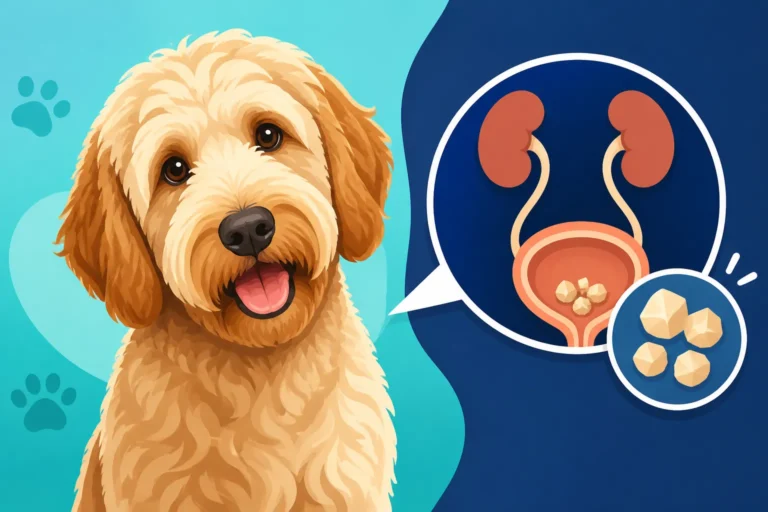
Labradoodle calcium oxalate stones risks, signs, and prevention methods based on Poodle genetics and urinary tract health.
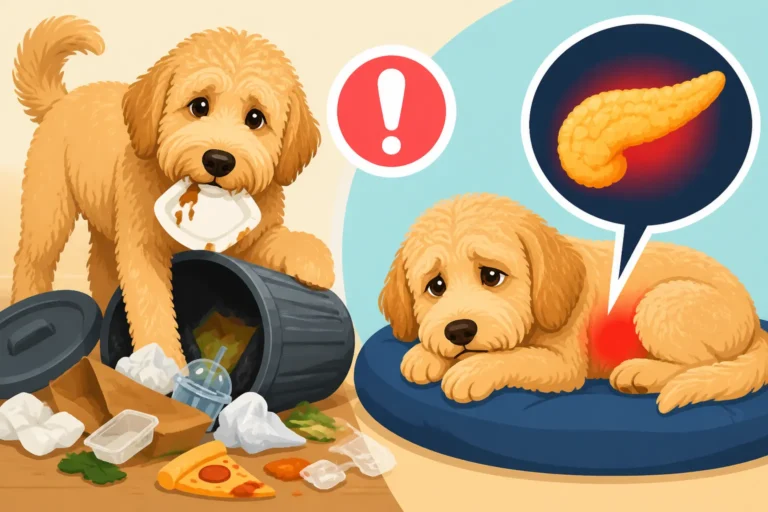
Labradoodle trash raids cause severe pancreatitis from fatty food scraps, requiring owners to recognize signs and protect dogs.
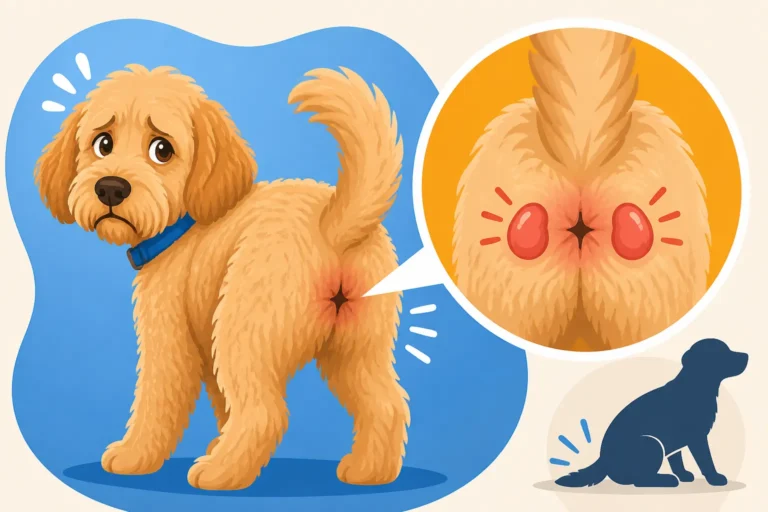
Labradoodle anal gland trouble causes scooting and odor. Learn the 4 and 8 o clock positions, signs, and diet tips to keep your dog healthy.

Addisonian Labradoodles facing surgery require careful hormone management because adrenal insufficiency impairs their response to stress and anesthesia.

Miniature Labradoodle jaw structure and forty-two adult teeth explain why smaller dogs often experience dental crowding.
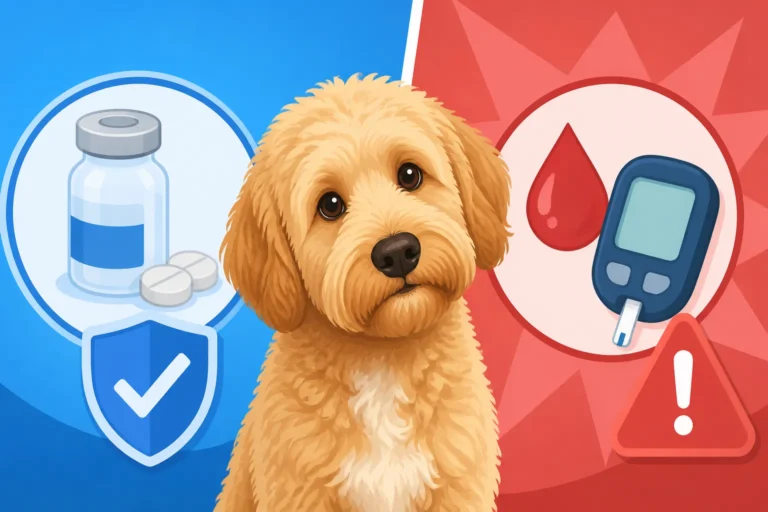
Long-term steroid treatment in Labradoodles causes insulin resistance and diabetes by raising blood glucose and exhausting beta cells.

Labradoodle kidney disease risk, inherited genetic predispositions from parent breeds, and early symptoms like increased thirst to watch.
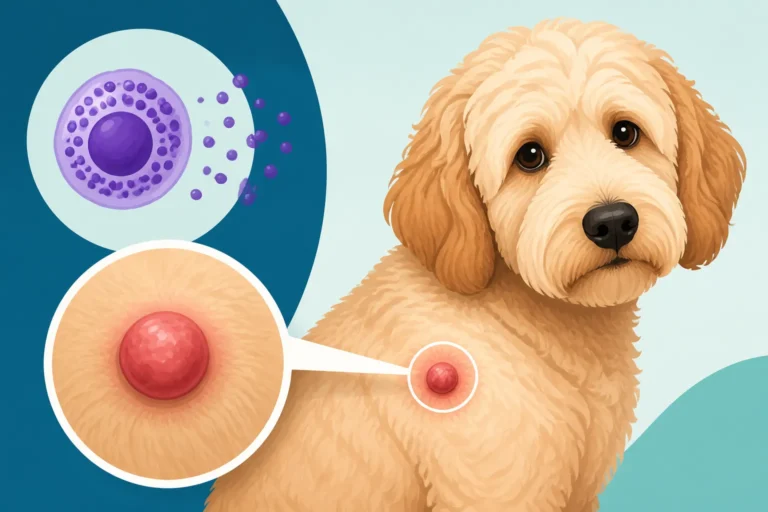
Mast cell tumors in Labradoodles explain what this canine skin cancer is, detailing how veterinarians diagnose and treat it.

Canine lymphoma affects lymphocytes in dogs. The text details the disease forms, cellular changes, and Labradoodle genetic risks.

Labradoodle coat types conceal hidden skin lumps, so checking armpits, groins, and chest spots early aids canine health.