Whether Two Labradoodles Double the Brushing
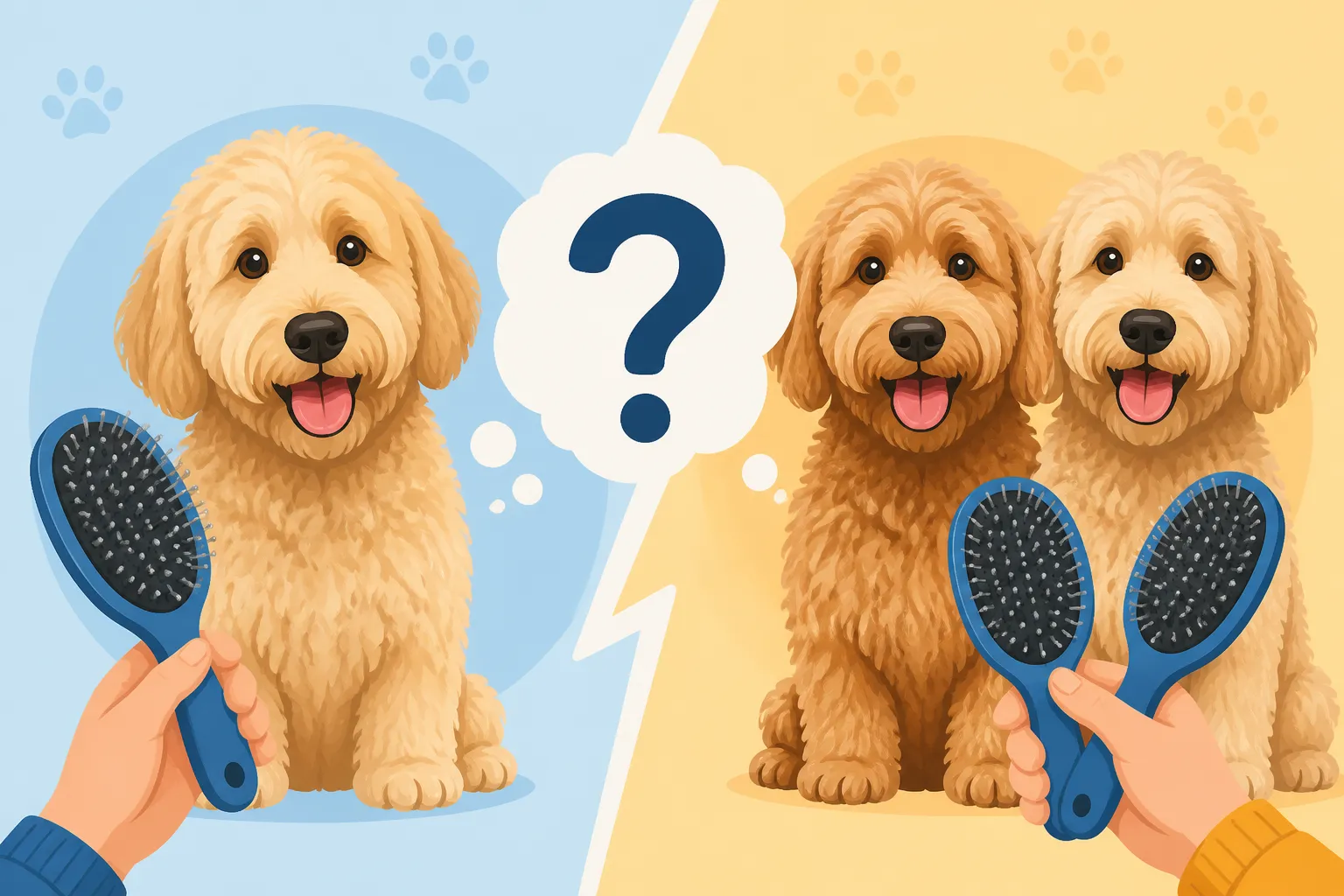
The thought of adding another adorable Labradoodle to your family is certainly tempting, isn't it? Many of us fall head over heels for their charming personalities and soft, curly coats. But if you're picturing twice the cuddles and twice the fun, you might also be wondering if it truly means twice the work, especially when it comes to that magnificent, high-maintenance coat. This guide dives deep into the reality of grooming two Labradoodles, helping you understand the commitment involved and how to keep both of your furry companions looking and feeling their best.
The Reality of Grooming a Single Labradoodle
Before we even consider a second Labradoodle, let's take a moment to acknowledge the grooming demands of just one. Many first-time Labradoodle owners are genuinely surprised by the sheer amount of effort required to keep that beautiful coat mat-free and healthy. It's not just a quick brush-over; it's a dedicated routine that needs consistency.
Understanding Labradoodle Coat Types
The first thing to understand is that not all Labradoodle coats are created equal, and this significantly impacts grooming time. There are generally three types: hair, fleece, and wool.
- Hair Coat: This is the least common and often sheds more, resembling a Labrador's coat more closely. While it might seem easier, it can still mat, especially if it has some wave or length.
- Fleece Coat: This is the most sought-after type, known for its soft, wavy or curly texture. It's typically low-shedding but prone to matting if not maintained regularly.
- Wool Coat: Similar to a Poodle's coat, this is dense, curly, and can feel like lamb's wool. It's also low-shedding but mats very easily and needs the most rigorous grooming.
Regardless of the specific type, all Labradoodle coats require regular attention. Many owners aim for the fleece coat, but even that can be a full-time job. You might think a good coat simply needs surface brushing, but that's a common mistake. You need to be Brushing a Labradoodle to the Skin, Not the Surface to prevent mats from forming deep within the coat, especially in areas where friction occurs.
The Ever-Present Threat of Matting
Mats are the bane of every Labradoodle owner's existence. They don't just look bad; they can be painful, pulling on the skin, causing hot spots, and even restricting movement. They tend to form quickly in certain areas, almost as if they have a mind of their own. You'll often find them Where Mats Form First on a Labradoodle: behind the ears, in the armpits, on the chest where a harness sits, and around the tail and rear. These are friction points that need extra vigilance.
Beyond daily activity, there's also the infamous "coat change" that most Labradoodles go through between 8-12 months of age. This is when their soft puppy coat transitions to a denser adult coat, and it's a period notorious for rapid matting. It's a critical time when daily, thorough brushing is absolutely essential to prevent severe matting that can necessitate a full shave-down. The Coat Change That Hits a Labradoodle at Nine Months can turn a manageable coat into a nightmare if you're not prepared.
When One Becomes Two: The Impact on Grooming
So, you've mastered the art of grooming one Labradoodle. Now you're thinking of bringing home another. Does two simply mean doubling your grooming time? Not quite. In many cases, it can feel like more than double, and here's why.
The Multiplicative Effect of Two Playful Pups
When you have two Labradoodles, especially if they are close in age or highly playful, their interactions inevitably lead to more mats. Picture this: they wrestle, they chase, they nip at each other's scruffs, they roll around together in the grass or dirt. All of this friction and entanglement can accelerate mat formation. What might have been a minor tangle on one dog after a solo romp can become a complex, interwoven mat when two dogs are constantly interacting.
It's not just direct play either. If one dog gets wet and you don't dry them meticulously (a big task in itself!), and then they rub against the other dog, you can inadvertently transfer moisture and create conditions ripe for matting on both. Plus, with two dogs, keeping them both pristine means twice the exposure to dirt, mud, and anything else they decide to roll in outside. If one comes in muddy, the other is likely to follow suit, or at least get some mud transferred during greetings.
Different Coats, Different Needs
What if your two Labradoodles have different coat types? This is a very common scenario. Maybe your first Labradoodle has a beautiful, easy-to-manage fleece coat, and your new puppy ends up with a denser wool coat. Suddenly, your established grooming routine for one dog won't cut it for the other. You'll need different brushes, different techniques, and varying amounts of time for each dog. This adds a layer of complexity beyond just adding an identical workload.
You might find yourself juggling specific tools for each dog – a wider-toothed comb for one, a super-fine slicker brush for another. How Many Times a Week a Labradoodle Needs Brushing might be different for each dog depending on their coat type and activity level. This is where the notion of "doubling" the brushing falls short; you're not just repeating a process, you're managing two unique grooming challenges.
The Challenge of Scheduling and Dedication
Finding the time for regular, thorough grooming for one Labradoodle is already a commitment. Squeezing in that same level of care for a second dog can become a logistical nightmare, especially if you have a busy household. It's easy to let one dog's grooming slide when you're overwhelmed, but with Labradoodles, even a few missed days can lead to significant matting.
Consider this: most Labradoodles need at least 30-60 minutes of dedicated line brushing a few times a week, plus daily spot checks. If you have two, that easily becomes 1-2 hours of brushing every other day, not to mention baths, ear cleaning, and nail trims. It's not just about finding the time; it's about maintaining the consistent dedication required to prevent discomfort for your dogs and costly professional dematting sessions.
Strategies for Managing Grooming Two Labradoodles
The good news is that managing the grooming of two Labradoodles is absolutely achievable with a proactive approach and the right tools. It requires commitment, consistency, and a little bit of strategic planning.
Establishing a Routine and Sticking to It
The most crucial step is to establish a strict grooming schedule for both dogs and adhere to it. This means regular brushing sessions, scheduled baths, and routine ear and nail care. Instead of trying to groom both dogs fully on the same day, you might stagger their longer brushing sessions. For example, Monday and Thursday for dog A, and Tuesday and Friday for dog B, with quick daily checks for both.
Consistency also means training both dogs from an early age to tolerate and even enjoy grooming. Positive reinforcement is key here. Make grooming a calm, rewarding experience with treats and praise. For new puppies joining your family, or even if you need to retrain an older dog, resources like BAXTER & Bella can provide excellent guidance on how to make grooming a positive experience right from the start. They offer structured programs that can help desensitize a puppy to brushes, dryers, and handling, which is invaluable when you have two to manage.
Investing in the Right Tools
Having the correct grooming tools can make a world of difference in efficiency and effectiveness. Trying to brush a thick Labradoodle coat with a flimsy human brush is a recipe for disaster. You'll need high-quality equipment designed for dense, curly coats.
Here’s a breakdown of essentials:
- Slicker Brushes: A good quality slicker brush with firm, angled pins is essential for getting down to the skin and working through tangles.
- Metal Combs: A sturdy greyhound comb with both wide and fine teeth is necessary for checking your work and finding hidden mats.
- Detangling Spray: A good conditioning detangling spray can help lubricate the coat, making it easier to work through knots without causing pain.
- Force Dryer: This is a game-changer. A high-velocity force dryer blasts water out of the coat quickly and efficiently after baths, preventing matting as it dries. You can find excellent options on Amazon.
- Clippers: If you plan on doing any home grooming, a good set of quiet, sharp clippers is crucial.
Remember, skimping on tools will only make the job harder and more time-consuming in the long run. Good tools are an investment that pays off in time saved and healthier coats for your dogs. The Clipper, Blade and Dryer a Labradoodle Owner Buys is an important consideration for any serious home groomer.
Professional Grooming vs. Home Grooming
With two Labradoodles, you have to seriously consider your approach to professional grooming. If you rely solely on a professional groomer, your costs will indeed multiply, potentially making The Yearly Grooming Total on a Standard Labradoodle a significant line item in your budget.
Here are a few options:
- Full Professional Grooming: If you have the budget, taking both dogs to a professional groomer every 6-8 weeks is the easiest way to keep them mat-free. You might even stagger their appointments to spread out the cost and effort.
- Hybrid Approach: Many two-Labradoodle households opt for a hybrid model. They take their dogs to a professional groomer for full clips and trims every few months and do all the in-between maintenance (brushing, bathing, ear cleaning) at home. This requires you to learn Teaching Yourself to Line Brush a Labradoodle and other home grooming skills, but it can save a lot of money.
- Full Home Grooming: This is the most cost-effective but most time-intensive option. It requires a significant investment in tools and your time to learn proper techniques. It's not for the faint of heart, but if you enjoy the process and have the patience, it's certainly possible. Just be aware that Whether Home Grooming a Labradoodle Ends Badly is a real concern if you don't commit to learning and practicing the right methods.
Beyond Brushing: The Full-Time Commitment
While the core of "doubling the brushing" focuses on the coat, it's crucial to remember that grooming is just one piece of the puzzle when you bring home a second Labradoodle. The overall time and financial commitment extend far beyond the brush.
Time Commitment Beyond the Brush
Two Labradoodles mean twice the walks, twice the playtime, twice the training sessions, and twice the clean-up. Each dog needs individual attention, training, and socialization. You'll be spending more time on basic needs like feeding, cleaning up after them, and ensuring they get enough mental and physical stimulation. This means you have less "free" time left over for grooming, making efficient routines even more critical.
Consider the time spent teaching them good manners, practicing recall, or even just Teaching a Labradoodle to Lie Still for a Ninety Minute Groom for those long grooming sessions. All of this demands your energy and hours from your week.
Financial Implications
Beyond the grooming costs, consider the doubled expenses for food, vet visits, toys, treats, and potentially larger crates or beds. Even unforeseen emergencies will double your potential financial strain. This isn't to discourage you, but to ensure you're going into this decision with open eyes and a realistic understanding of the full picture. Sometimes, Whether Grooming Costs Are Why Labradoodles Are Given Up is a sad reality because owners underestimate the cumulative financial and time drain.
Having two Labradoodles brings immense joy and companionship, but it's a decision that warrants careful consideration of all the commitments involved. If you're prepared for the intensified grooming demands and the overall increased investment of time and resources, then two Labradoodles can indeed be double the fun. But be honest with yourself about whether your schedule and dedication can truly accommodate two magnificent, high-maintenance coats.
| Grooming Task | One Labradoodle (Approx. Weekly Time) | Two Labradoodles (Approx. Weekly Time) | Notes |
|---|---|---|---|
| Thorough Line Brushing | 1.5 – 3 hours | 3 – 6+ hours | This is the big one. Matting can accelerate with two dogs playing, so more frequent sessions might be needed, not just double the individual time. |
| Daily Spot Checks | 15 minutes | 30+ minutes | Quick checks for tangles, burrs, or anything caught in the coat. With two, you're looking at double the friction points. |
| Bathing & Drying | 1 – 2 hours (every 3-4 weeks) | 2 – 4+ hours (every 3-4 weeks) | If you do it at home, washing and force drying two dogs can be a lengthy process. Staggering baths might be more manageable. |
| Ear Cleaning | 5 minutes | 10 minutes | Crucial for preventing infections, especially with their drop ears. |
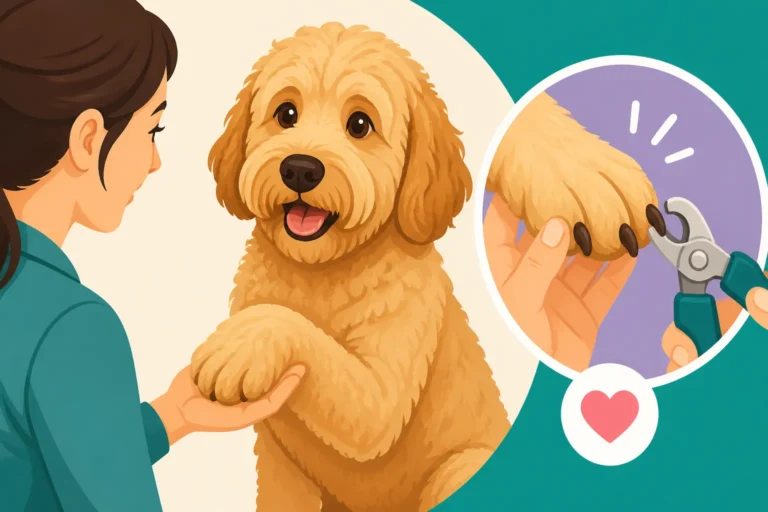
| Nail Trims | 10 minutes | 20 minutes | Keeping nails short is important for comfort and joint health. |
| Total Estimated Time | Approx. 2-4 hours/week | Approx. 4-8+ hours/week | This doesn't include professional grooming appointments or unexpected matting issues, which can significantly increase time. |
Disclaimer
This article is for general informational purposes only and does not constitute professional advice. Laws, prices and regulations vary by location and change over time. Consult a qualified professional for guidance on your specific situation.