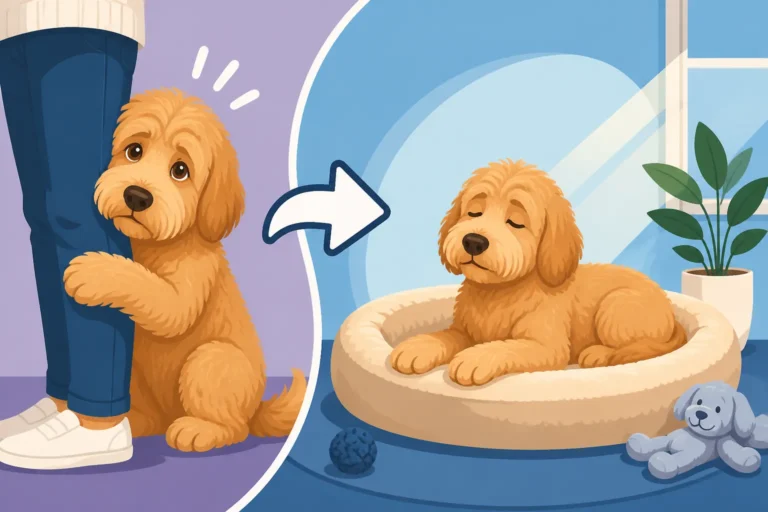
Whether a Crate Helps a Labradoodle Switch Off
It’s a scenario many Labradoodle owners know all too well: your furry friend has had a full day of walks, playtime, and mental enrichment, yet when evening rolls around, they’re still bouncing off the walls, pacing, or seemingly incapable of truly relaxing. This inability to "switch off" can be incredibly frustrating, leaving both you and your Labradoodle exhausted. This comprehensive guide explores how a properly introduced crate can become an invaluable tool in teaching your Labradoodle to settle, find calm, and enjoy much-needed downtime.
Understanding Your Labradoodle's Energy Levels
Let's be honest, Labradoodles are known for their zest for life! They're often enthusiastic, playful, and seem to have an endless supply of energy. While this makes them wonderful companions for active families, it can also present a challenge when it comes to helping them relax indoors. It's not a flaw in their personality; it's simply a strong characteristic stemming from their heritage.
The Lab and Poodle Influence on Energy
When you bring a Labradoodle into your life, you're essentially getting a wonderful blend of two highly intelligent and active breeds: the Labrador Retriever and the Poodle. Both of these parent breeds were developed for demanding jobs that required significant stamina and mental engagement. Labradors were bred for retrieving game in often cold, wet conditions, meaning they possess incredible physical endurance and a strong drive to work. They love to move, play, and be involved in everything.
Similarly, Standard Poodles, in particular, are far from the dainty show dogs some imagine. They were originally water retrievers, prized for their intelligence, agility, and robust nature. They thrive on mental stimulation and physical activity, and if these needs aren't met, they can easily become bored or restless. So, when you combine these two powerhouses, you often get a Labradoodle with a wonderfully eager-to-please nature, but also one that needs a substantial outlet for its energy. This means that after a good run, a Labradoodle might still have plenty of mental energy buzzing, making it hard for them to truly power down.
Why "Switching Off" Can Be a Challenge
For many Labradoodles, especially during their puppy and adolescent phases, the world is an incredibly exciting place. Every sight, sound, and smell offers a new adventure. This constant state of alertness, while charming, can make it genuinely difficult for them to disengage and relax. Imagine trying to unwind in a noisy, brightly lit room with a dozen interesting things constantly vying for your attention—that's often what your home environment feels like to an unguided Labradoodle. They might seem to be relaxing, perhaps lying down, but their ears are twitching, their eyes are scanning, and any small sound can trigger an immediate "on" switch.
Furthermore, many Labradoodles are what we affectionately call "Velcro dogs," meaning they love to be right by your side, involved in whatever you're doing. This strong attachment, while endearing, can make alone time or independent settling feel unnatural or even distressing to them. They might pace, follow you from room to room, or constantly seek attention, not out of naughtiness, but because they haven't learned how to be comfortably independent or how to self-regulate their excitement. This can be particularly pronounced in dogs that haven't been taught clear boundaries around downtime. Without a designated space and a clear signal for relaxation, they simply don't understand what "switching off" even means. You might notice this especially when your Labradoodle reaches adolescence, as discussed in The Ten Month Old Labradoodle That Forgets Everything.
How Crating Can Help a Labradoodle Settle
So, given your Labradoodle's energetic nature, how can a simple crate make such a difference? The answer lies in how a crate taps into a dog's natural instincts and provides a structured environment that encourages calm behavior. It's not about confinement; it's about providing a sanctuary.
Creating a Den-like Safe Space
Dogs, by their very nature, are den animals. In the wild, canids seek out small, enclosed spaces like caves or burrows to feel safe, secure, and protected from predators and the elements. A crate, when introduced correctly, appeals directly to this primal instinct. It becomes their personal den – a secure, private retreat where they can truly relax without feeling vulnerable or overwhelmed by the activity of the household.
When you cover a wire crate with a blanket or use a solid-sided kennel, it enhances this den-like feel, making it darker and quieter. This privacy is crucial for some Labradoodles who might otherwise feel compelled to constantly monitor their surroundings. Inside their den, they feel less pressure to "be on guard" and can finally let their nervous system calm down. It’s a place where they know they won't be bothered, where they can chew a favorite toy, nap peacefully, or simply decompress from a busy day. This isn't just about giving them a bed; it's about giving them a room of their own, designed specifically for their comfort and sense of security. The crate becomes a predictable, positive space that offers comfort and control, which is often exactly what an overstimulated or anxious dog needs.
Establishing Routine and Boundaries
One of the biggest hurdles for an energetic Labradoodle to "switch off" is the lack of clear, consistent boundaries around downtime. If they're allowed to roam freely and solicit attention whenever they please, they quickly learn that constant engagement is the norm. A crate provides a clear signal that it's time to settle. By incorporating crate time into your daily routine, you teach your Labradoodle the valuable skill of structured relaxation.
For instance, after a vigorous play session or a stimulating walk, a period of quiet time in the crate allows their adrenaline to subside and their minds to unwind. This isn't a punishment; it's a scheduled break. Just as a toddler needs a nap to avoid becoming overtired and cranky, many Labradoodles benefit immensely from enforced rest periods. This routine helps them understand that certain times of the day are for quiet relaxation, preventing them from developing habits of constant demand for attention. It teaches them patience and self-control, crucial skills for a well-adjusted dog. This structured approach can also be vital in managing the common issue of The Velcro Labradoodle That Cannot Be Left alone.
Preventing Overstimulation and Over-tiredness
In a busy household, with people coming and going, children playing, or guests visiting, it's incredibly easy for a sensitive or energetic Labradoodle to become overstimulated. They might try to join in every activity, or even react to every little thing, leading to a state of chronic arousal. An overstimulated dog often struggles to settle and might even resort to nuisance behaviors like nipping, excessive barking, or destructive chewing because they simply don't know how to calm themselves down.
The crate acts as a quiet retreat, offering a much-needed break from the hustle and bustle. It's a place where they can escape the sensory overload, similar to a child's "calm down corner." For puppies, enforced naps in their crate are absolutely essential, helping to prevent the "witching hour" zoomies that often come from being overtired. For adult Labradoodles, it provides a sanctuary during peak activity times in the home, like dinner prep or family gatherings, ensuring they get the mental and physical rest they need to avoid becoming cranky and over-aroused. This proactive management of their environment directly contributes to their ability to "switch off" when they need to most.
Practical Tips for Successful Crate Training Your Labradoodle
Crate training isn't just about putting your dog in a box; it's a process of positive association and gradual habit-building. Doing it right from the start will make all the difference in whether your Labradoodle sees their crate as a haven or a prison.
Making the Crate a Positive Place
The golden rule of crate training is to make the crate your Labradoodle's absolute favorite place. This means never using it for punishment. If your dog misbehaves, don't banish them to the crate. Instead, use a "time out" in a different, boring location, or simply remove your attention. The crate should always be associated with good things. Start by simply leaving the crate open with a soft, comfortable bed inside and occasionally tossing high-value treats like small pieces of cheese, boiled chicken, or a dollop of peanut butter into it. Let your Labradoodle explore it on their own terms.
Feed meals inside the crate, at first with the door open, then gradually closing it for short periods while they eat. Offer special, long-lasting chews or puzzle toys that they only get when they're in the crate. This creates a powerful positive association: "Crate equals awesome rewards!" Praise them calmly and enthusiastically when they go into the crate voluntarily. If you're looking for structured guidance on positive reinforcement techniques, online resources from reputable trainers like BAXTER & Bella can be incredibly helpful for navigating these initial steps. Remember, slow and steady wins the race here. The goal is for your Labradoodle to walk into their crate with a wagging tail, eager for the good things that await.
Choosing the Right Crate and Setup
Selecting the correct crate is fundamental to success. It needs to be appropriately sized for your Labradoodle. They should be able to stand up, turn around, and lie down comfortably. For puppies, a wire crate with a divider is ideal, as it allows you to expand the space as they grow, preventing them from using one end as a potty area. You can find a wide variety of crates, from wire to plastic and even stylish furniture-style crates, easily on platforms like Amazon.
Once you have the crate, make it as inviting as possible. Line it with a comfortable, washable bed or soft blankets. Some dogs prefer a firm surface, while others love plushness; observe your dog's preferences. Place the crate in a central, yet quiet, area of your home, like the living room or your bedroom, so your Labradoodle still feels part of the family without being in the direct path of constant activity. Ensure there's a water bowl that attaches to the side, especially for longer durations. Covering a wire crate with a blanket can further enhance the den-like feel, making it darker and more private. Remember, this investment in a good setup is part of The Full Cost of Fourteen Years With a Labradoodle.
Gradually Increasing Crate Time
Once your Labradoodle is happy to enter the crate voluntarily and eats meals inside with the door closed, you can begin to increase the duration. Start with very short periods, perhaps 5-10 minutes, while you're still in the room. Give them a special chew or toy, tell them "crate" or "kennel," and close the door. Sit quietly nearby. Before they have a chance to get anxious or start whining, let them out calmly. Avoid making a big fuss when they exit, as this can make the separation feel more significant.
As they become comfortable, gradually extend the time. Slowly work up to leaving the room for a few minutes, then leaving the house for very short errands. Always make sure they've had a potty break and some exercise before crating them for longer periods. Never use the crate as a solution for boredom or lack of exercise; it’s a place for rest after their needs are met. Consistency is key. Your Labradoodle needs to learn that you always come back, and that the crate is a safe place to be while you're gone. This slow, methodical approach is vital for building trust and helping your Labradoodle truly settle into their space, a crucial step in building their ability for The Alone Time a Velcro Labradoodle Can Build To.
Common Crate Training Challenges and Solutions
Even with the best intentions, crate training can present its own set of hurdles. It's important to understand these common issues and how to address them patiently and effectively.
Whining, Barking, and Resistance
It's completely normal for a Labradoodle to protest a bit when first introduced to the crate, especially if they're used to having free roam. A few minutes of whining or barking is often just a test to see if you'll let them out. In these instances, it's crucial to ignore the noise. If you let them out when they're making a fuss, you're inadvertently teaching them that whining and barking are effective ways to escape the crate. Wait for a brief moment of quiet before opening the door.
However, it’s also important to distinguish between normal protests and genuine distress. If your Labradoodle is frantically digging, panting excessively, drooling, or barking non-stop for extended periods, they might be experiencing more than just a little frustration. In such cases, re-evaluate your approach. Are you introducing the crate too quickly? Is the crate comfortable enough? Have they had enough exercise and potty breaks? Sometimes, taking a few steps back in your training, making the crate even more inviting with special treats, and shortening the duration can help rebuild a positive association. Never scold them for crying in the crate; this will only make them associate the crate with punishment and fear.
Separation Anxiety vs. Crate Resistance
It's vital to differentiate between a Labradoodle who simply doesn't like the crate yet and one who is truly suffering from separation anxiety. A dog with typical crate resistance might whine or bark, but they'll eventually settle, especially if they have a comfort item or chew. When you return, they might be eager to get out, but not frantic or destructive.
A Labradoodle experiencing true separation anxiety, however, will exhibit more severe symptoms when left alone, whether in or out of the crate. These can include destructive chewing (especially around exits like doors or windows), excessive drooling, frantic escape attempts (which can lead to injury), urination or defecation, and persistent howling or barking. These behaviors often start before you even leave the house. If you suspect your Labradoodle has separation anxiety, crating them without addressing the underlying anxiety can actually worsen the problem. In these situations, seeking guidance from a professional dog trainer or veterinary behaviorist is crucial. They can help you develop a comprehensive plan to address the anxiety, which may or may not include crate training as a part of the solution. Learning to recognize these signs is key to effectively managing their well-being, as explored in Telling an Anxious Labradoodle From an Under Exercised One.
Maintaining Crate Training Long-Term
Crate training isn't just a phase for puppies; it's a valuable life skill that can benefit your Labradoodle throughout their entire life. Many owners make the mistake of abandoning the crate once their puppy is house-trained or no longer destructive. However, maintaining its use can be incredibly beneficial. For instance, if your Labradoodle ever needs to stay overnight at the vet, or if you need to evacuate during an emergency, being comfortable and calm in a crate will reduce their stress significantly.
Even for adult dogs, occasional crate time can provide a quiet retreat. If your Labradoodle is recovering from an injury, the crate can be essential for restricted activity. Continuing to use the crate for short periods, even if it's just for their meal or a special chew, reinforces its positive association. As your Labradoodle matures and settles into a rhythm, the need for enforced naps might decrease, but the option to use their safe den will always be there. It becomes a permanent tool in your management toolkit, ensuring your Labradoodle always has a reliable place to "switch off" and find peace.
Crate Training Dos and Don'ts for Your Labradoodle
Making the crate a positive and effective tool for helping your Labradoodle relax takes consistency and a thoughtful approach. Here’s a quick overview of what to prioritize and what to avoid:
| Do's | Don'ts |
|---|---|
| Make it a happy place: Use high-value treats, favorite toys, and meals inside. | Never use as punishment: The crate should never be associated with negative experiences. |
| Ensure comfort: Provide soft bedding, a cover, and appropriate sizing. | Leave for too long: Ensure frequent potty breaks and adequate exercise before crating. |
| Establish a routine: Integrate crate time into daily schedules for predictable downtime. | Ignore signs of distress: Differentiate between protest and true anxiety, seek help if needed. |
| Start slowly: Introduce the crate gradually, increasing time only when comfortable. | Force your Labradoodle in: Always encourage voluntary entry with positive reinforcement. |
| Provide a special chew/toy: Offer a long-lasting, safe chew only when they are crated. | Make departures/arrivals a big deal: Keep hellos and goodbyes calm and low-key. |
| Ensure proper exercise: A tired Labradoodle is more likely to settle calmly in their crate. | Use a crate that's too big or too small: Correct sizing is crucial for comfort and house-training. |
Conclusion
Teaching your Labradoodle to truly "switch off" isn't always easy, especially with their inherent energy and zest for life. However, a properly introduced and positively reinforced crate can be an incredibly powerful tool in their journey toward calm and self-regulation. By understanding their needs, providing a secure den, establishing clear routines, and making the crate a consistently positive space, you're not just confining them; you're offering them a sanctuary. This safe haven will not only help them find much-needed downtime and prevent overstimulation, but it will also foster independence and confidence, ensuring your Labradoodle can enjoy a more balanced and relaxed life as a cherished member of your family.
Disclaimer
This article is for general informational purposes only and does not constitute professional advice. Laws, prices and regulations vary by location and change over time. Consult a qualified professional for guidance on your specific situation.