Whether a Labradoodle Copes With a Full Workday
It's a common dilemma for so many of us who dream of bringing a loving Labradoodle into our homes: how on earth will they cope when we're gone all day, grinding through a full workday? The guilt can be immense, wondering if our beloved furry family member is languishing in loneliness or, worse, developing destructive habits out of sheer boredom. This comprehensive guide is here to shed light on how Labradoodles typically handle alone time and, more importantly, to offer realistic, actionable strategies to ensure your dog thrives even when you're not there.
Understanding Your Labradoodle's Need for Companionship
Labradoodles are delightful dogs, known for their friendly dispositions and intelligence. However, these very traits can sometimes make alone time a real challenge for them. It’s not just about having a warm body in the house; it’s about their inherent desire for connection and engagement.
The "Velcro Dog" Tendency
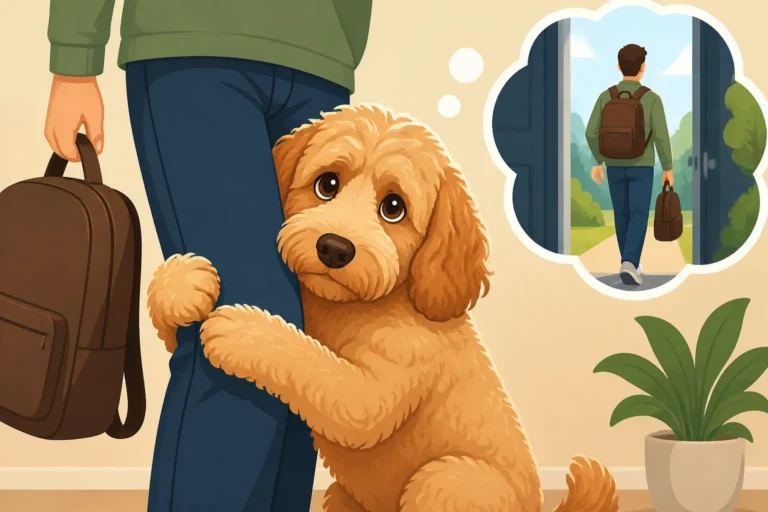
If you've spent any time with a Labradoodle, you've probably heard them described as "Velcro dogs," and it's a pretty accurate label! They form incredibly strong bonds with their human families and often prefer to be right by your side, following you from room to room. This isn't a flaw; it's a testament to the wonderful companionship traits inherited from both their parent breeds. The Poodle side brings a keen intelligence and sensitivity, often leading to a deep emotional connection with their owners. They're often highly attuned to your moods and presence.
Couple that with the Labrador Retriever's natural desire to be a devoted companion and working partner, and you have a dog that truly thrives on interaction. A Labrador's entire history is rooted in working closely with people, retrieving game, and being an active part of the family unit. When you combine these two breeds, you often get a dog that experiences genuine distress when separated from their people for extended periods. It’s not always full-blown separation anxiety, but a very real preference for company that can make an empty house feel overwhelmingly lonely. It's a natural part of their personality, and understanding it is the first step in addressing it. If this sounds familiar, you might find more insights in our article on The Velcro Labradoodle That Cannot Be Left.
The Importance of Mental and Physical Stimulation
Beyond companionship, Labradoodles are intelligent and energetic dogs. Simply leaving them with a bowl of food and water for eight hours isn't enough. They need significant mental and physical stimulation to be happy and well-adjusted. Think about it: a bored human might scroll through social media; a bored Labradoodle might redecorate your couch with their teeth or try to excavate the backyard.
Pent-up energy is a huge factor in problematic behaviors when dogs are left alone. If your Labradoodle hasn't had a good outlet for their energy before you leave, they're much more likely to find their own, often destructive, ways to pass the time. This isn't out of malice, but pure, unspent energy and mental frustration. Their minds are constantly seeking puzzles to solve, and if you don't provide appropriate ones, they'll invent their own. This could be anything from exploring the limits of your trash can to dismantling a favorite toy. Understanding their need for both brain games and physical exertion is crucial for setting them up for success during your workday. For a deeper dive into their exercise needs, check out The Exercise a Labradoodle Needs Before It Behaves.
Recognizing Signs of Distress When Left Alone
It's easy to assume your Labradoodle is just "being naughty" when you come home to a mess, but these behaviors are often cries for help. Learning to interpret what your dog is trying to tell you is essential for finding the right solutions.
Common Behavioral Indicators
When a Labradoodle isn't coping well with being left alone, they often communicate this through a range of behaviors that can be frustrating for owners. One of the most common signs is destructive chewing. This isn't about chewing on your favorite shoes, per se, but about alleviating stress and boredom. You might find gnawed furniture legs, shredded pillows, or even attempts to chew through doors or window frames. These actions provide a physical outlet for their anxiety and excess energy.
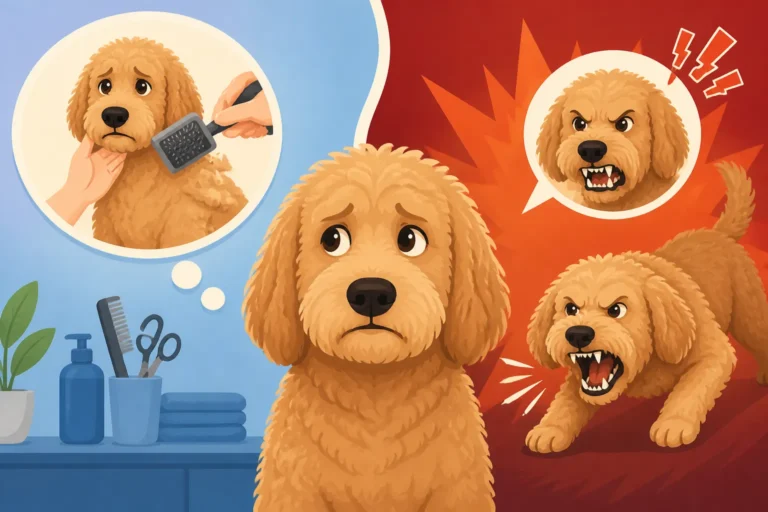
Excessive barking or howling is another clear indicator. If neighbors report continuous vocalization throughout the day, your Labradoodle is likely feeling distressed or lonely. They might be trying to "call" you back or express their unhappiness to anyone who will listen. House-soiling, even in a previously perfectly house-trained dog, can also be a sign of stress, not spite. If accidents only happen when you're gone, it's a strong clue. Other signs can include pacing, repetitive behaviors, excessive drooling, or frantic attempts to escape their crate or designated area. These are not signs of a "bad" dog, but a dog that is struggling emotionally with isolation.
Differentiating Between Boredom and Separation Anxiety
This is a critical distinction because the solutions for boredom are different from those for true separation anxiety. A dog that is merely bored might engage in mild destruction, like chewing on a non-approved toy or getting into the trash. They might be a bit restless, perhaps nap on and off, and greet you with exuberant, but not frantic, energy upon your return. Their destructive behaviors might be more opportunistic and less driven by panic.
True separation anxiety, on the other hand, is a much more intense and debilitating condition for your dog. It involves a panic response to being left alone. Symptoms are often more severe and include frantic escape attempts that can result in self-injury (broken teeth, bloody paws), persistent and intense vocalization that starts almost immediately after you leave, house-soiling even after having just been outside, and sometimes self-mutilation like excessive licking or chewing their own fur. These behaviors only occur when the dog is left alone or when they perceive you are about to leave. If you suspect true separation anxiety, it's important to understand the difference. We have more on Telling an Anxious Labradoodle From an Under Exercised One that can help distinguish between these two scenarios.
| Behavioral Sign | Possible Cause | What It Might Mean |
|---|---|---|
| Destructive Chewing | Boredom, Stress, Anxiety | Needs more mental/physical stimulation or is experiencing distress. |
| Excessive Barking/Howling | Loneliness, Anxiety, Alerting | Seeking attention, expressing unhappiness, or a sign of deep distress. |
| House Soiling | Stress, Anxiety | Panic, inability to hold it due to stress, or a loss of coping mechanisms. |
| Pacing/Restlessness | Anxiety, Unspent Energy | Overwhelmed by being alone, or has too much energy without an outlet. |
| Frantic Escape Attempts | Severe Anxiety, Claustrophobia | Feeling trapped and desperate to reunite with you, a hallmark of true anxiety. |
| Excessive Drooling | Stress, Nausea | A physical manifestation of high anxiety levels. |
Strategies to Help Your Labradoodle Cope with Your Workday
The good news is that there are many effective strategies you can implement to help your Labradoodle not only cope but actually thrive during your workday. It requires consistency, patience, and sometimes a bit of creativity.
Pre-Workday Preparation is Key
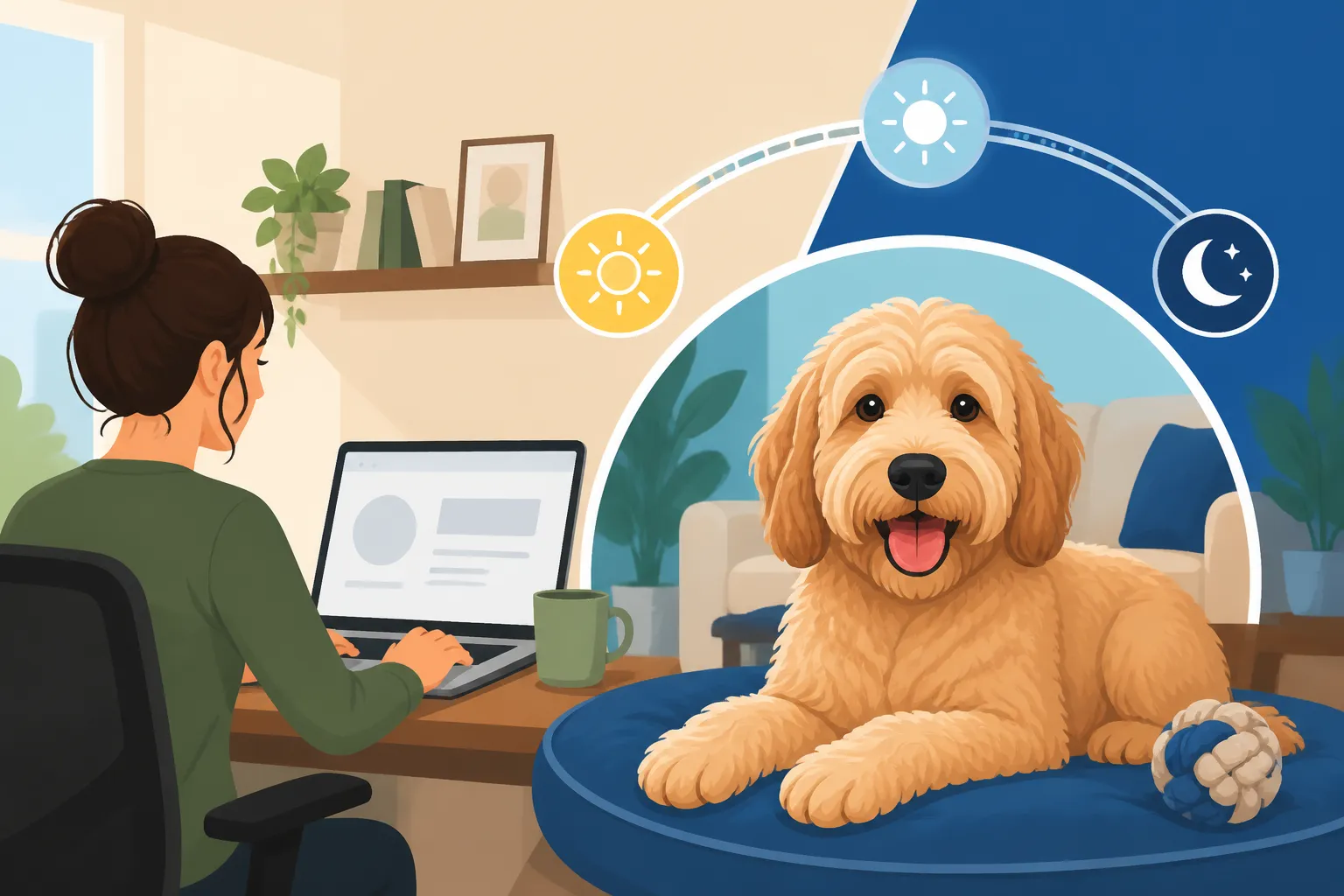
Think of your morning routine as setting the stage for your Labradoodle's entire day. It's not just about getting yourself ready; it's about preparing them too. A vigorous morning exercise session is paramount. This could be a long, brisk walk around the neighborhood, a spirited game of fetch at the local park, or even a short jog with you. The goal is to physically tire them out so they're more inclined to rest and relax while you're gone. A mentally stimulating game, like a sniff hunt for scattered treats in the yard, can also be incredibly beneficial.
After the exercise, incorporate some mental engagement. This is where puzzle toys shine. Load up a KONG or a similar interactive toy with peanut butter or treats and freeze it overnight. This makes it last much longer, providing a significant distraction and mental challenge for your dog during your absence. Many fantastic options are available online through retailers like Amazon. Establish a calm departure routine – avoid overly emotional goodbyes. A simple, quiet exit can help signal to your Labradoodle that your departure is not a dramatic event, but a normal part of the day. This can really help reinforce the idea that you do come back, which is a key lesson. Read more about this in Teaching a Labradoodle That You Come Back.
Mid-Day Solutions and Enrichment
While morning prep is vital, an eight-hour stretch is a long time for any dog, especially a social and active Labradoodle. Consider mid-day options to break up their solitude. Hiring a professional dog walker to come in for 30-60 minutes can be a game-changer. Not only do they get a potty break, but also much-needed exercise and human interaction. Look for local services that are insured and bonded, and ask for references.
Another popular option is doggy daycare. For some Labradoodles, especially those who are highly social and energetic, a few days a week at daycare can be a fantastic outlet. They get supervised play with other dogs, mental stimulation, and plenty of exercise. However, it's not for every dog; some find it overwhelming. Always do a trial day and ensure the facility has good staff-to-dog ratios and a safe environment. If professional services aren't feasible, perhaps a trusted neighbor, friend, or family member could pop in for a quick visit and play session. For at-home enrichment, rotating different puzzle toys, snuffle mats, and chews can keep things fresh and interesting.
Gradual Desensitization and Training
One of the most effective long-term strategies is to gradually desensitize your Labradoodle to your departures and build their confidence in being alone. If you haven't already, introduce crate training as a positive, safe den. Never use the crate as punishment. Start with very short periods, gradually increasing the time you leave them alone, even when you're just in another room. This teaches them that alone time is normal and nothing to be afraid of.
When you leave and return, try to keep your greetings and departures low-key. Over-the-top goodbyes and enthusiastic hellos can inadvertently heighten their anxiety, making them think your departure is a big deal or your return is a reward for their distress. Practice "mock departures" where you go through your routine (grab keys, put on coat) but don't actually leave, or leave for only a minute or two. This helps decouple those cues from the anxiety of being left alone. For structured training guidance, online programs like BAXTER & Bella offer comprehensive courses that can help owners teach their dogs coping mechanisms and good manners, including alone time etiquette. If your dog struggles with being alone, exploring The Alone Time a Velcro Labradoodle Can Build To can provide more detailed steps.
Creating a Fulfilling Life Outside Work Hours
Even with the best strategies during the workday, a Labradoodle living with working owners needs a rich and engaging life outside of those solo hours. This means maximizing the time you do have together to build a strong bond and meet their needs.
Maximizing Evening and Weekend Engagement
When you're home, make that time count! Your evenings and weekends are crucial for compensating for the hours your Labradoodle spent alone. Don't just settle for a quick potty break. Engage in longer, more interesting walks that allow for plenty of sniffing opportunities – a huge mental workout for dogs. Incorporate training sessions, even short 10-15 minute bursts, to practice obedience commands, learn new tricks, or play structured games. This mental stimulation is just as important as physical exercise for a Labradoodle's well-being.
Schedule regular playdates with other friendly dogs, or enroll in a dog sport like agility, obedience, or scent work. Labradoodles often excel in these activities and absolutely love having a "job" to do. These activities not only burn off energy but also strengthen your bond and build your dog's confidence. Most importantly, dedicate time for cuddles, belly rubs, and quiet companionship. These moments reinforce their sense of security and belonging, which is vital for a breed that thrives on connection. Providing a sense of purpose and engagement can truly transform a dog's demeanor, as discussed in Whether a Labradoodle Needs a Job to Settle.
Considering Professional Help
Despite your best efforts, some Labradoodles may continue to struggle significantly with being left alone. If you've implemented various strategies and your dog is still showing severe signs of distress—such as self-harm through escape attempts, constant vocalization for hours, or persistent house-soiling—it's absolutely okay, and often necessary, to seek professional help. Don't feel like a failure; separation anxiety can be a complex behavioral issue that requires expert guidance.
A certified professional dog trainer (CPDT-KA or KPA CTP) specializing in behavior can assess your Labradoodle's specific situation, determine if it's true separation anxiety or something else, and develop a tailored behavior modification plan. For more severe cases, a veterinary behaviorist (DACVB) may be needed. These are veterinarians with advanced training in animal behavior, who can offer medical interventions alongside behavioral modification, if appropriate. They can work with you to understand the root cause of the anxiety and provide compassionate, effective strategies to help your Labradoodle feel more secure when you're away. Sometimes, a little professional guidance can make all the difference, and you can learn more about finding the right support in Whether a Labradoodle Needs a Trainer or a Class.
Disclaimer
This article is for general informational purposes only and does not constitute professional advice. Laws, prices and regulations vary by location and change over time. Consult a qualified professional for guidance on your specific situation.