Whether an F1 Labradoodle Trains Differently
One common concern I hear from prospective Labradoodle owners, especially those looking at an F1 generation puppy, is whether their training journey will be completely different or simply a roll of the dice. It's totally understandable to feel a bit unsure when you're bringing home a crossbreed, wondering if you'll get more of one parent's traits over the other. This guide aims to clear up some of that confusion, offering insights into the unique aspects of training an F1 Labradoodle and how to approach it with confidence.
Understanding the F1 Generation's Genetic Tapestry
When you bring an F1 Labradoodle into your home, you're embracing a beautiful genetic blend that, by its very definition, carries a degree of charming unpredictability. Unlike purebred dogs where generations of selective breeding aim for consistent traits, the F1 is literally the first generation born from two distinct purebred parents: a Labrador Retriever and a Poodle. This initial cross lays the foundation for all the wonderful, and sometimes surprising, qualities you might encounter.
The Meaning of "F1" in Labradoodles
The term "F1" simply means "first filial generation." In the world of Labradoodles, it designates a direct cross between a purebred Labrador Retriever and a purebred Poodle. This is the original cross that started the entire "doodle" craze, initially bred with the hope of combining the friendly, eager-to-please nature of the Labrador with the low-shedding, intelligent traits of the Poodle. You might think this means a perfect 50/50 split of characteristics, but biology is rarely that neat and tidy. While they inherit half their genes from each parent, which genes are expressed is where the variation comes in.
This genetic combination is often celebrated for its "hybrid vigor," a concept suggesting that the offspring of two unrelated purebreds can be healthier and more robust than either parent breed due to increased genetic diversity. However, when it comes to temperament and trainability, hybrid vigor simply means you get a unique individual, not necessarily one that's easier or harder to train. It's about potential, and harnessing that potential effectively is all about understanding the individual in front of you. Think of it less as a predictable recipe and more like a carefully crafted cocktail where the proportions might vary slightly but the ingredients are always top-shelf.
Why Genetic Variability is Key to Understanding Training
The variability in an F1 Labradoodle means that no two F1s are exactly alike. One puppy from the same litter might lean heavily towards its Labrador ancestry, displaying a robust build, a strong retrieving drive, and a thick coat that sheds. Its sibling, however, could exhibit more Poodle-like qualities: a finer, curlier, lower-shedding coat, a more agile frame, and an exceptionally sharp, sometimes even sensitive, intelligence. This spectrum of traits directly impacts their trainability. You might find one F1 Labradoodle is incredibly food-motivated and eager to please, absorbing commands like a sponge, while another might be more easily distracted, requiring a different approach to maintain focus.
This isn't to say F1 Labradoodles are inherently difficult to train; quite the opposite, as both parent breeds are highly intelligent and trainable. It simply means that you, as the owner, need to be observant and flexible. You can't assume that because your neighbor's F1 Labradoodle picked up 'sit' in two sessions, yours will too. This genetic variability is precisely why generalized advice about "Labradoodle training" needs to be adapted to the specific dog you have. It underscores the importance of understanding the fundamental traits of both parent breeds so you can better predict and prepare for what your F1 might bring to the training table. If you're wondering Whether an F1 Labradoodle Is Less Likely to Get Addison's or concerned about general health, remember that genetic diversity can influence many aspects beyond just behavior.
The Blended Temperament: Labrador Meets Poodle in Training
The charm of an F1 Labradoodle lies in its unique fusion of two beloved breeds. On one paw, you have the Labrador Retriever, renowned for its boundless enthusiasm, friendly disposition, and a profound desire to please. On the other, the Poodle, an exceptionally intelligent and athletic dog with a keen sense of observation and a strong capacity for learning complex tasks. Training an F1 Labradoodle often feels like navigating this delightful mix, sometimes encountering a perfect blend, other times a dominant trait from one side or the other.
Retrieving Instincts vs. Poodle Intelligence
The Labrador's retrieving drive is legendary. They were bred to fetch, to carry, and to bring things back to their handlers. This instinct often manifests strongly in F1 Labradoodles, making them fantastic candidates for games of fetch, disc dog, or even more formal retrieving work. You might find your F1 puppy instinctively picking up dropped items or bringing you toys as an invitation to play. This natural inclination can be a powerful tool in training, as it means they are often highly motivated by toys and interaction, and find joy in working alongside you. Harnessing this drive can make obedience commands like "come" or "drop it" much easier to teach, as it aligns with their natural desire to engage and return.
Conversely, the Poodle brings a sharp, often analytical intelligence to the table. Poodles are quick learners, capable of understanding intricate commands and sequences. They can sometimes be a bit more sensitive than a typical Labrador, responding well to gentle guidance and positive reinforcement rather than harsh corrections. This Poodle intelligence means your F1 Labradoodle might pick up new commands with astonishing speed, sometimes even seemingly anticipating what you want. However, this same intelligence can also lead to them finding loopholes or getting bored with repetitive drills, requiring you to keep training sessions fresh and engaging. It's a delicate balance: satisfying the Labrador's desire to do and the Poodle's need to think. Understanding Whether the Poodle or the Labrador Shows Up in Training is a continuous discovery process with an F1.
Energy Levels and Focus: A Dynamic Duo
Both Labradors and Poodles are active breeds, so it's no surprise that F1 Labradoodles typically come with a healthy dose of energy. This energy can be a double-edged sword in training. On one hand, an energetic Labradoodle is often enthusiastic about learning and eager for engagement. They thrive on having a "job" to do, whether it's learning new tricks, participating in dog sports like agility, or simply going for long walks and runs. Providing sufficient physical and mental exercise is paramount; an under-exercised Labradoodle is often a bored, and potentially destructive, Labradoodle. Consistent exercise, such as daily walks, playtime, and mental stimulation with puzzle toys (you can find a great variety on Amazon), will help them focus better during training sessions.
On the other hand, a highly energetic dog can sometimes struggle with focus, especially in distracting environments or during long training sessions. The Labrador's happy-go-lucky nature combined with the Poodle's sometimes excitable intelligence can lead to a dog that's easily distracted by interesting smells, sounds, or sights. This is where patience, consistency, and gradually introducing distractions come into play. Short, frequent training sessions are often more effective than long, drawn-out ones. Breaking down commands into small, achievable steps and rewarding heavily for success will build their confidence and reinforce desired behaviors. Remember that The Exercise a Labradoodle Needs Before It Behaves is a crucial component of their overall well-being and trainability.
| Trait | More Labrador-leaning F1 | More Poodle-leaning F1 |
|---|---|---|
| Motivation for Training | Food, toys, praise | Puzzle-solving, praise |
| Learning Speed | Steady, consistent | Very quick, sometimes sensitive |
| Energy Level | High, needs outlets | High, needs mental work |
| Focus in Distraction | Can be good with practice | Can be sensitive to environment |
| Problem Solving | Trial and error, persistence | Analytical, strategic |
| Sensitivity to Correction | Resilient | More sensitive, needs positive reinforcement |
| Social Needs | Very gregarious, outgoing | Sociable, but can be discerning |
Navigating Training Predictability in an F1 Labradoodle
The journey of training an F1 Labradoodle can feel less like following a strict blueprint and more like adapting to a fascinating individual. Because they are a first-generation cross, the "predictability" often associated with purebred training can be less defined. This isn't a negative; it simply means your approach needs to be as unique and adaptable as your dog.
Why One F1 May Be Different From Another
As we've discussed, the genetic lottery in an F1 generation means that even puppies from the same litter can display markedly different personalities and physical traits. One F1 Labradoodle might inherit the strong "off switch" and calm demeanor often seen in well-bred Labradors, making them a dream to train in a busy household. Another might get the Poodle's intense focus and independent streak, requiring more creative problem-solving from their owner to keep them engaged. These differences mean that training methods that worked brilliantly for one F1 Labradoodle might fall flat with another. It’s essential to approach each F1 as an individual, observing their preferences, motivations, and sensitivities from day one.
For example, a Labradoodle leaning towards its Poodle lineage might excel at trick training or canine sports like agility, loving the mental challenge. However, they might also be more prone to boredom if training is too repetitive. A Labradoodle showing more Labrador traits might be an unstoppable force in fetching and retrieving, needing ample physical activity to tire them out before a training session can even begin. This variability is why it's so important to be present and responsive to your dog's unique learning style and personality. You might have read about The Temperament a Labradoodle Gets From Each Parent, but seeing it manifest in an F1 means constantly assessing which parent's influence is more prominent in a given situation.
The Importance of Early Socialization and Exposure
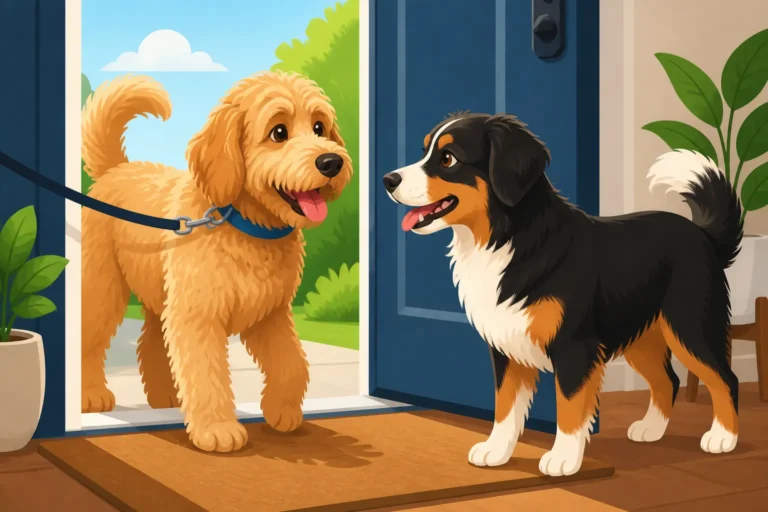
Given the potential for diverse temperaments in an F1 Labradoodle, early and thorough socialization is absolutely non-negotiable. This isn't just about exposing them to other dogs and people; it's about introducing them to a wide variety of sights, sounds, textures, and experiences in a positive and controlled manner during their critical developmental window (typically up to 16 weeks of age). A well-socialized F1 Labradoodle is more likely to grow into a confident, resilient adult who can handle new situations without undue stress or fear. This confidence directly translates into better trainability, as a fearful or anxious dog is often too overwhelmed to learn effectively.
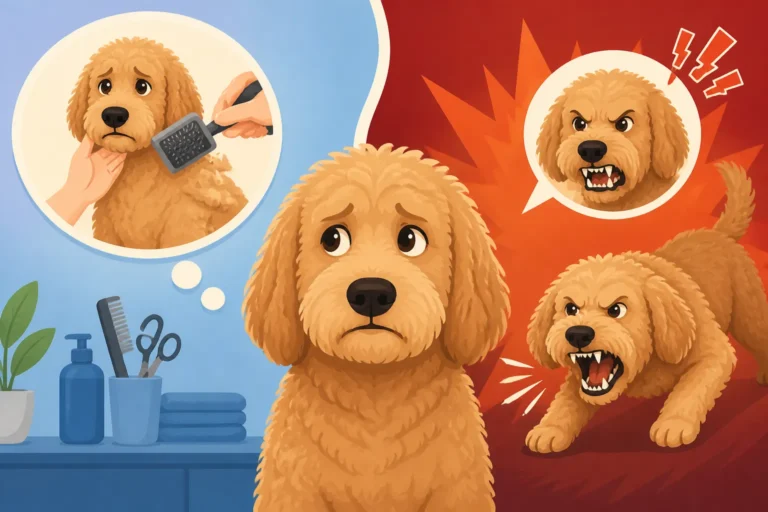
Think about it: a Labradoodle that has been gently exposed to car rides, different floor surfaces, various types of people (children, adults with hats, people using mobility aids), loud noises, and even grooming tools from a young age will be much calmer and more receptive during later training. This early foundation builds their ability to cope with the world, making them less likely to react negatively to new stimuli, and more open to instruction. Many online puppy training programs, such as those from BAXTER & Bella, emphasize the crucial role of early socialization and provide structured guidance to help owners navigate this vital period effectively, preparing their F1 Labradoodle for a lifetime of learning and positive interactions.
Practical Training Strategies for Your F1 Labradoodle
Training an F1 Labradoodle isn't about finding a magic bullet; it's about building a strong relationship, understanding their individual quirks, and employing effective, consistent methods. Both the Labrador and Poodle contributions make for a highly intelligent and eager companion, but tailoring your approach is key to success.
Consistency and Positive Reinforcement Are Your Best Friends
Regardless of whether your F1 Labradoodle leans more Poodle or more Labrador, consistency in your training approach is paramount. Dogs thrive on routine and clear expectations. If "sit" means sitting patiently for a treat one day, but the next day it's optional, your Labradoodle will quickly become confused. Everyone in the household needs to use the same commands, hand signals, and rules. This consistent environment helps your dog understand what's expected of them, reducing frustration and speeding up their learning.
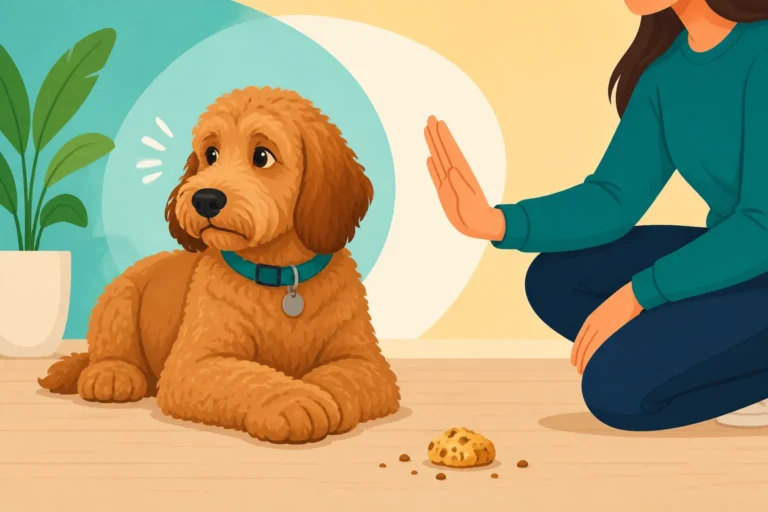
Coupled with consistency, positive reinforcement is the most effective way to train an F1 Labradoodle. Both parent breeds respond beautifully to rewards-based training, whether it's high-value treats, enthusiastic praise, a favorite toy, or a quick game of tug. The goal is to make learning a positive and rewarding experience, strengthening the bond between you and your dog. Avoid harsh corrections or punishment, which can easily shut down a sensitive Poodle-brained Labradoodle and erode trust in a cheerful Labrador-brained one. Instead, focus on rewarding the behaviors you want to see, and redirecting or managing situations to prevent unwanted behaviors. For useful training tools, from clickers to treat pouches and even long lines for recall practice, Amazon offers a vast selection. Don't forget that even in adolescence, when The Ten Month Old Labradoodle That Forgets Everything seems to strike, consistency remains your most powerful tool.
Tailoring Training to Individual Temperament
Since F1 Labradoodles vary so much, observing your specific dog's temperament is crucial for tailoring your training. Does your Labradoodle get easily overstimulated in new environments, suggesting you should start training in quiet, familiar spaces before gradually adding distractions? Or are they supremely confident and ready for the world, indicating they might enjoy challenging group classes or new environments sooner? Perhaps they have a high prey drive from their Labrador side, making a strong recall (and maybe a long line) essential for outdoor adventures. Or do they show the Poodle's propensity for barking at novel sounds, indicating a need for desensitization exercises?
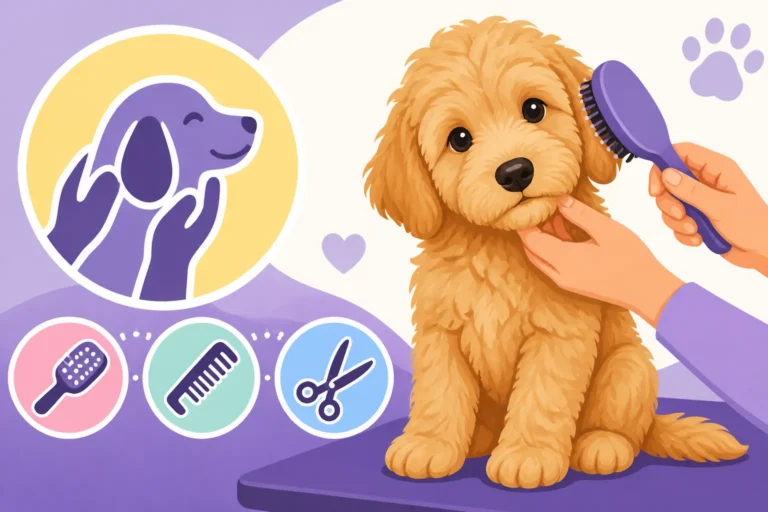
Take the time to understand your dog's preferences and motivations. What treats do they go wild for? Do they love puzzle toys, or are they more motivated by active play? Use these insights to make training more engaging and rewarding for them. For instance, if your F1 is a bundle of energy, incorporate short bursts of highly active training, like fast-paced recall games, rather than long, stationary "stays." If they are particularly clever, introduce more complex commands or trick training to satisfy their mental needs. Remember that Starting Grooming Handling on a Labradoodle Puppy from a young age, tailoring the approach to their comfort level, will make future grooming sessions much smoother.
Seeking Professional Guidance
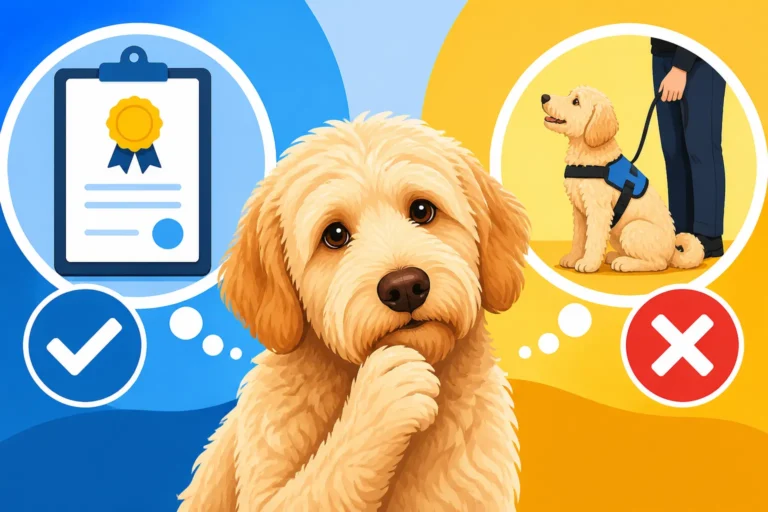
Even with the best intentions and consistent effort, there might be times when you encounter a training challenge that feels overwhelming. This is where professional guidance can be invaluable. A certified professional dog trainer, especially one experienced with "doodle" breeds or with both Labradors and Poodles, can provide personalized strategies and troubleshoot specific behaviors. They can help you interpret your F1 Labradoodle's unique body language, identify their core motivations, and guide you in applying techniques that will resonate best with your individual dog.
Whether it's attending puppy classes for socialization and basic obedience, or working one-on-one with a private trainer for more specific issues like jumping or leash pulling, professional help is an investment in a harmonious future with your F1 Labradoodle. Many online platforms also offer excellent resources and virtual coaching, such as the comprehensive programs available through BAXTER & Bella, which can be incredibly convenient. Don't hesitate to reach out to a professional if you feel stuck or simply want to ensure you're giving your Labradoodle the best possible start. It's often the quickest way to bridge any communication gaps and ensure that both you and your F1 Labradoodle are set up for success. After all, knowing Whether a Labradoodle Needs a Trainer or a Class can make all the difference in your training journey.
Disclaimer
This article is for general informational purposes only and does not constitute professional advice. Laws, prices and regulations vary by location and change over time. Consult a qualified professional for guidance on your specific situation.