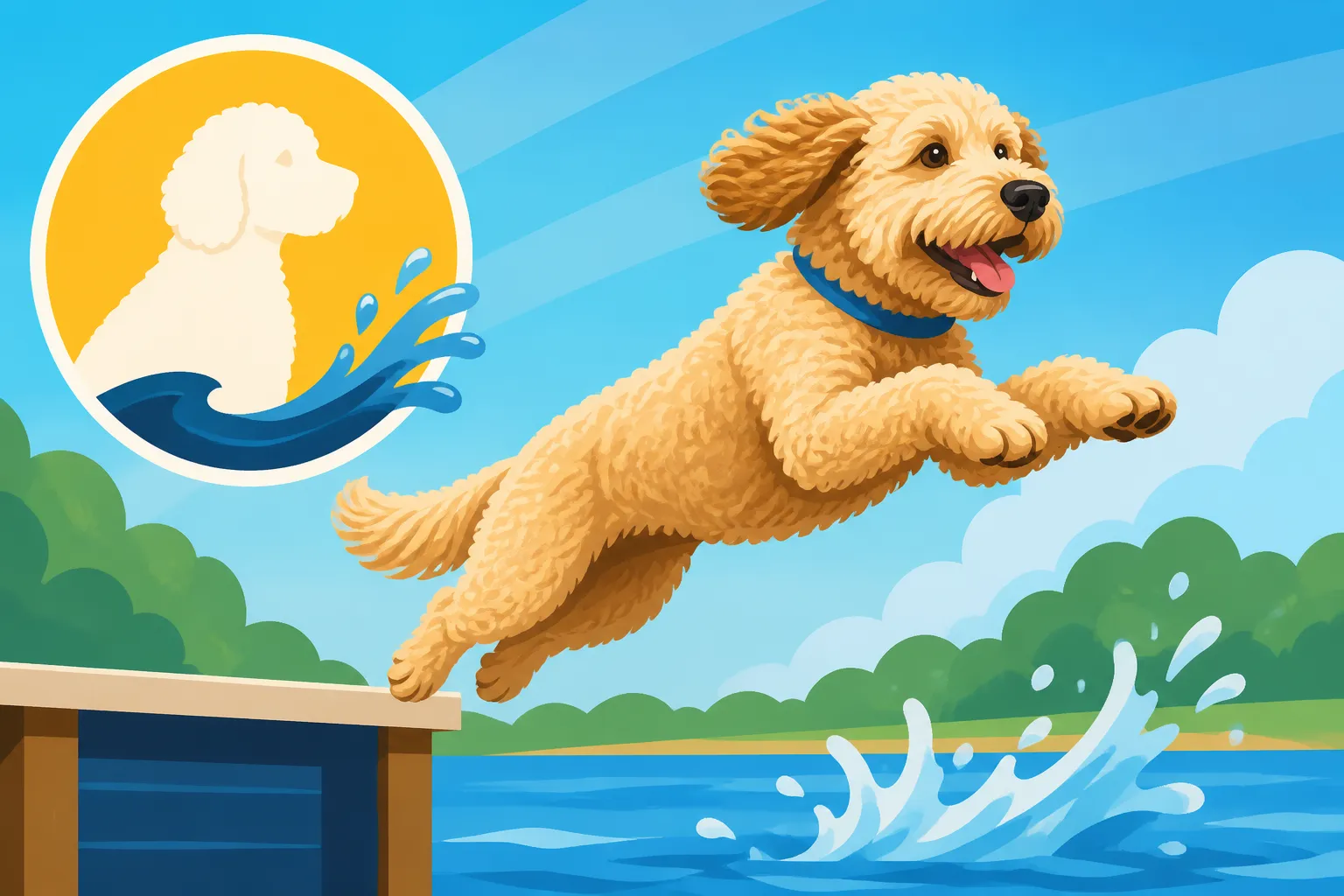
Whether a Labradoodle Can Do Dock Diving
Many Labradoodle owners dream of finding an activity that truly channels their dog's boundless energy and intelligence, but often wonder if high-flying sports like dock diving are truly within their beloved dog's reach. It's a valid question, given their unique blend of breeds and sometimes unpredictable traits. This comprehensive guide will explore whether a Labradoodle can truly excel at dock diving, breaking down the requirements of the sport, the Labradoodle's natural predispositions, and the steps you can take to introduce your furry friend to this exciting canine activity.
Understanding Dock Diving: What It Is and What It Demands
Dock diving, at its heart, is an exhilarating sport where dogs run down a 40-foot dock and leap into a pool of water, chasing a toy thrown by their handler. It's a fantastic blend of athleticism, drive, and pure joy, but it's also more nuanced than just a big splash.
The Basics of Big Air and Speed Retrieve
Most people think of "Big Air" when they hear "dock diving" – that's where the dog's jump distance is measured. The goal is to get your Labradoodle to leap as far as possible from the end of the dock before hitting the water, often with their favorite squeaky toy or bumper as motivation. Handlers have different throwing techniques, from a "place and send" where the toy is placed at the end of the dock and the dog is sent, to a "chase" where the toy is thrown mid-run, encouraging a further jump.
Then there's "Speed Retrieve," which is less about distance and more about, you guessed it, speed! In this event, a toy is suspended at the far end of the pool, and the clock starts when your Labradoodle's paws leave the dock. The goal is for them to swim as fast as possible, grab the toy, and trip the sensor at the end. This really tests a dog's propulsion through water and their retrieval drive. Another variation, "Extreme Vertical," focuses on how high a dog can jump to snatch a toy suspended above the water. Each discipline requires a specific set of skills, but at the core, it’s about a dog's love for water and retrieving.
Key Physical Attributes for Dock Diving
For a dog to be good at dock diving, they need a few key physical traits. First and foremost, they need good overall athleticism. This isn't just about being fast; it's about being able to accelerate quickly down the dock, generate power for the jump, and maintain control in the air. Strong hindquarters are crucial for that explosive leap. Good body condition is paramount; an overweight dog will struggle with the impact and agility required.
Beyond that, swimming prowess is non-negotiable. While many dogs can dog-paddle, dock diving requires strong, efficient swimming, especially for events like Speed Retrieve. They need to be comfortable and confident in the water, not just tolerating it but genuinely enjoying it. Finally, healthy joints are critical. Repeated jumping can put strain on hips, elbows, and knees, so a dog with a history of joint issues might find this sport too demanding. You'll want to ensure your Labradoodle has a clean bill of health before engaging in such high-impact activities. Hips and Elbows in a Sixty Pound Labradoodle is a crucial read for any owner considering intense sports.
The Mental Game: Drive and Confidence
Physical ability is only half the battle; the mental game is just as important. A successful dock diver needs a high retrieve drive, meaning they live for chasing and bringing back a toy. That intense focus on the toy is what propels them down the dock and into the water with gusto. The Retrieving Drive a Labradoodle Gets From the Labrador often makes them excellent candidates.
Water confidence is also essential. A dog that's hesitant around water or dislikes getting fully submerged will never truly enjoy or excel at dock diving. They need to dive in without a second thought. Furthermore, confidence on the dock itself is key. The ramp can be intimidating for some dogs, and the anticipation of the jump requires a certain level of mental fortitude and excitement. They need to be able to ignore distractions from other dogs, people, and the general hubbub of a competition. A dog that is easily distracted or prone to "doodle antics" might need more focused training to develop that unwavering focus. This is where early, positive training and socialization really shine, helping your Labradoodle develop the confidence to thrive in new environments and exciting situations.
The Labradoodle's Natural Aptitude for Water Sports
So, where does the Labradoodle fit into all of this? Their unique heritage often gives them a fantastic starting point for water sports like dock diving, blending some of the best traits from their parent breeds.
Inherited Traits from Labrador and Poodle
The Labradoodle is a crossbreed of the Labrador Retriever and the Standard Poodle, and both parent breeds contribute significantly to their potential in water sports. From the Labrador side, you often get that undeniable, enthusiastic retrieve drive. Labradors were bred to retrieve waterfowl, and that instinct is deeply ingrained. They typically love water, are eager to please, and have a good work ethic. This translates into a dog that’s often naturally inclined to chase a toy, jump into water, and bring it back with joy.
The Poodle, on the other hand, brings incredible athleticism, intelligence, and also a strong affinity for water. Poodles were originally water retrievers, hence their name "Pudel" (from the German word "Pudeln" meaning to splash in water). They are agile, powerful swimmers, and their high intelligence makes them highly trainable. This combination means a Labradoodle often inherits a double dose of water love and a keen mind, making them quick learners who thrive on engaging activities. Many Labradoodles show a delightful blend of the Labrador's happy-go-lucky nature with the Poodle's elegant athleticism.
Physical Build and Water Competence
Labradoodles come in a range of sizes, but many standard Labradoodles possess a physical build that is well-suited for dock diving. They typically have a muscular, athletic frame, often inheriting the deep chest from the Poodle, which contributes to powerful swimming. Their legs are usually strong and well-angulated, providing good propulsion for both running and jumping.
When it comes to water competence, most Labradoodles are natural swimmers thanks to their heritage. Their coats, whether fleece or wool, are designed to be somewhat water-resistant, offering a degree of insulation. However, this also means the coat can become quite heavy when saturated, and drying them thoroughly is crucial to prevent skin issues. Whether a Wool Coat Weighs a Labradoodle Down in Water is something to consider, as a heavy coat can certainly add drag. They are generally agile dogs, which helps with the dynamic movements on the dock and the quick turns in the water. Their webbed feet, often a trait passed down from both parent breeds, also aid in efficient swimming.
Energy Levels and Trainability for Dock Diving
One thing almost every Labradoodle owner can attest to is their dog's energy! Labradoodles are generally high-energy dogs that require significant daily exercise to be well-behaved. This high energy is a huge asset in dock diving, as it provides the stamina and enthusiasm needed for repeated jumps and training sessions. They love to move, and they love having a job to do. The Exercise a Labradoodle Needs Before It Behaves often points towards activities like dock diving as an ideal outlet.
Their trainability is another significant advantage. Labradoodles are intelligent and eager to please, making them generally responsive to training. They pick up new commands quickly and enjoy the mental stimulation that comes with learning a complex sport. This means that while some dogs might need extensive repetition, a Labradoodle often grasps the concept of dock diving relatively fast. Utilizing positive reinforcement methods, perhaps even drawing on online training resources like those offered by BAXTER & Bella, can further enhance their learning process and build a strong, cooperative relationship with your dog, which is vital for any sport. Consistency, patience, and making it fun are key to harnessing their intelligence and turning it into dock diving success.
Common Challenges and Considerations for Labradoodles in Dock Diving
While Labradoodles have many inherent advantages for dock diving, it's also important to be realistic about the challenges that can arise. Being prepared for these can make the experience much smoother for both you and your dog.
Coat Maintenance and Water Exposure
The Labradoodle's beautiful, often non-shedding coat is one of their defining features, but it presents a unique set of challenges when frequently exposed to water. Unlike a Labrador's sleek, double coat that sheds water easily, a Labradoodle's fleece or wool coat can absorb a lot of water and become quite heavy. This means after every swim, especially in a chlorinated pool or a lake, thorough rinsing and drying are absolutely essential.
Neglecting proper coat care after water activities can lead to serious matting, especially in areas prone to friction like the armpits, behind the ears, and around the harness. Mats can be painful and lead to skin infections if left untended. You'll need a high-velocity dog dryer, which you can find on Amazon, and a diligent brushing routine. Drying a Labradoodle's Ears Properly is also critical, as their drop ears are already prone to infections, and moisture creates a perfect breeding ground for yeast and bacteria. Preparing for the grooming demands is a big part of committing to dock diving with a Labradoodle. Many owners find that a shorter "kennel clip" or "teddy bear clip" makes coat maintenance much more manageable for an active, water-loving Labradoodle.
Joint Health and High-Impact Activities
Dock diving involves repeated, high-impact jumps, which can put significant stress on a dog's joints. Labradoodles, like their parent breeds, can be predisposed to certain orthopedic conditions, particularly hip and elbow dysplasia. Even with health-tested parents, these conditions can sometimes manifest. It's crucial that your Labradoodle has received a clean bill of health from your veterinarian, including screening for these genetic predispositions, before starting any high-impact sport.
Beyond genetics, proper conditioning is vital. You can't just take a couch potato Labradoodle and expect them to leap off a dock without risk of injury. Building muscle strength, flexibility, and stamina gradually is key. Warm-up and cool-down routines are just as important for dogs as they are for human athletes. Monitoring your dog for any signs of lameness, stiffness, or discomfort after training sessions or competitions is crucial. Supplements like glucosamine and chondroitin are often considered for active dogs to support joint health, but always consult your vet before adding any to your dog's diet.
Managing Excitement and Focus
Labradoodles are known for their lively and sometimes boisterous personalities. While this enthusiasm is great for motivating them in a sport, it can also manifest as over-excitement or a lack of focus, especially in the stimulating environment of a dock diving event. Dogs might bark excessively, jump on handlers, or become distracted by other dogs, people, or even their own reflection in the water.
Training for focus and impulse control is just as important as training for the jump itself. Practicing "waits" and "stays" in increasingly distracting environments is essential. Teaching your Labradoodle to settle and remain calm on the dock before their turn, and to focus on you and the toy rather than the surroundings, will greatly improve their performance and the overall experience. This might involve working with a professional trainer or utilizing comprehensive online programs like those from BAXTER & Bella that focus on foundational obedience and self-control. Starting young with short, positive training sessions, and gradually building up the intensity and distraction levels, will set your Labradoodle up for success. The Ten Month Old Labradoodle That Forgets Everything is a common challenge that needs consistent training.
Training Your Labradoodle for the Dock
Getting your Labradoodle ready for dock diving is a journey, not a sprint. It involves building foundational skills, gradually introducing them to the dock, and then refining their technique for optimal performance and safety.
Building a Solid Foundation: Water Confidence and Retrieve
Before your Labradoodle even sets a paw on a dock, they need to be completely comfortable and enthusiastic about water and retrieving. This foundation is non-negotiable. Start by introducing them to water in a safe, shallow, and calm environment, like a kiddie pool in your backyard, a quiet pond, or a gentle lake. Make it a positive experience with lots of praise, treats, and their favorite floating toys. Never force your dog into the water. Introducing a Labradoodle to Water should always be done at their pace, ensuring it's a fun and rewarding experience.
Once they're happy splashing, move to slightly deeper water, encouraging them to swim short distances to retrieve toys. Focus on building a strong retrieve. Can they reliably bring the toy back to you every time, even when excited? This is where a high-value, durable floating toy, easily found on Amazon, becomes invaluable. Play fetch in the water, praising and rewarding every successful retrieval. Ensure they have a solid "drop it" command so they release the toy on cue. This lays the groundwork for that crucial moment on the dock when they need to let go of the toy before launching.
Introducing the Dock and Jumping
With water confidence and a strong retrieve established, it's time to introduce the dock itself. Many dock diving facilities offer "Splash Time" or open practice sessions, which are perfect for a low-pressure introduction. Let your Labradoodle explore the dock first without any pressure to jump. Walk them up and down the ramp, let them sniff around, and get used to the texture and height. Give them treats and praise for being calm and curious.
Once they're comfortable on the dock, start by throwing their favorite toy just a foot or two off the end of the dock into the water. Encourage them to jump in. Some dogs will leap naturally, while others might need a bit more coaxing. You might start by kneeling at the edge of the dock and throwing the toy from there, or even getting into the water yourself initially if allowed, to encourage them. The key is to make it fun and positive. Gradually increase the distance you throw the toy, encouraging a longer leap. Never push your dog off the dock; they need to make the decision to jump on their own. Each successful jump, no matter how small, should be met with enthusiastic praise and reward.
Advanced Training and Competition Readiness
As your Labradoodle gains confidence and distance, you can start refining their technique. This is where you focus on timing your throws perfectly to encourage them to launch further. Experiment with different throwing techniques (the "chase" throw usually gets the most distance) and different toys to see what maximizes their drive. Some dogs respond better to a retrieve stick, others to a rubber duck, and many a favorite soft toy.
Work on their "stay" at the end of the dock, holding them back until you give the release cue and throw the toy. This builds anticipation and often results in a more powerful jump. Practice retrieving the toy quickly and efficiently from the water. For Speed Retrieve, you'll want to work on their swimming speed and efficient turns.
Consider enrolling in a local dock diving class or working with an experienced dock diving coach. They can provide expert guidance, help you fine-tune your throwing technique, and offer specific exercises to improve your Labradoodle's jump and overall performance. They can also help your dog learn to focus amidst the excitement of competition. Whether a Labradoodle Passes an Obedience Title demonstrates a level of control and focus that is highly beneficial for any dog sport. Remember, consistency in training, positive reinforcement, and keeping it fun are paramount to helping your Labradoodle reach their full dock diving potential.
| Aspect | Labradoodle for Dock Diving: Pros | Labradoodle for Dock Diving: Cons |
|---|---|---|
| Water Aptitude | High likelihood of loving water, natural swimmers (Poodle & Labrador heritage). | Can get colder quicker than breeds with denser undercoats; some may be hesitant if not introduced positively early. |
| Retrieve Drive | Strong natural retrieve drive from Labrador side, love for toys. | Some individuals might be more "Poodle-like" and less toy-driven, requiring more motivation. |
| Athleticism | Generally agile, energetic, and powerful; good jumping ability when conditioned. | Joint predispositions (hips/elbows) require careful screening and conditioning; can be prone to clumsiness when young. |
| Trainability | High intelligence and eagerness to please from both parent breeds; respond well to positive reinforcement. | Can be easily distracted by excitement; "doodle antics" might require extra focus training. |
| Coat Care | Coats are generally well-suited for activity when properly maintained. | Requires significant post-swim coat maintenance (rinsing, drying, brushing) to prevent matting and skin issues. |
| Temperament | Enthusiastic, happy, and confident demeanor often translates to joy in the sport. | Can be over-exuberant, leading to poor impulse control on the dock or in crowded environments. |
Disclaimer
This article is for general informational purposes only and does not constitute professional advice. Laws, prices and regulations vary by location and change over time. Consult a qualified professional for guidance on your specific situation.