Whether Grooming Costs Are Why Labradoodles Are Given Up
It's a heartbreaking reality that many beloved dogs end up in shelters or rescue organizations, and often, it's not due to a lack of love from their owners but rather an accumulation of unforeseen challenges. For Labradoodles, with their beautiful, often complex coats, grooming can quickly become one of the most demanding and costly aspects of ownership, sometimes leading to the painful decision to surrender a pet. This guide aims to shed light on why grooming costs can indeed become a significant factor in Labradoodles being given up, exploring the financial, time, and emotional burdens that owners face.
The Sticker Shock of Labradoodle Grooming: An Unforeseen Expense
When people first fall in love with a Labradoodle puppy, they're often enchanted by the cute, fluffy bundle, perhaps having heard stories of their "hypoallergenic" coats. What many first-time owners don't realize is that these desirable coats come with a hefty price tag, not just in terms of money, but also in time and effort. The initial allure can quickly give way to the harsh reality of ongoing maintenance that goes far beyond a simple bath and brush. The sheer volume and texture of a Labradoodle's coat, particularly the fleece and wool types, require dedicated and consistent care that can catch even the most prepared owner off guard.
Beyond the Fluffy Puppy Stage
That adorable, soft puppy fluff that melts your heart? It's often a temporary state. Around the nine-month mark, give or take, Labradoodles typically go through what's known as the "coat change." This is when their soft puppy fur starts to transition into their denser, more adult coat, whether it's a wavy fleece or a curlier wool. During this period, the puppy coat tangles and weaves with the emerging adult coat, creating a perfect storm for matting. It's a critical time that demands an exponential increase in brushing frequency and technique. If owners aren't prepared for this coat change, and many aren't, the mats can become severe very quickly, leading to discomfort for the dog and frustration for the owner. Many owners report feeling completely overwhelmed by the sudden and drastic increase in grooming demands during this phase, often needing to spend hours each week meticulously How Many Times a Week a Labradoodle Needs Brushing.
The reality is that a Labradoodle's coat, especially the woolier varieties, needs brushing right down to the skin, not just skimming the surface. Mats often form in hidden areas like armpits, behind the ears, and in the groin, where they're not immediately visible but can cause significant pain and skin irritation. Neglecting these areas, even for a few days, can lead to tight, painful knots that pull on the skin. This isn't just about aesthetics; severe matting can restrict movement, cause skin infections, and make the dog miserable. Understanding The Three Labradoodle Coats: Hair, Fleece and Wool and anticipating The Coat Change That Hits a Labradoodle at Nine Months is crucial, but many owners only learn the hard way after the mats have already set in.
Professional Grooming – A Non-Negotiable Reality
For many Labradoodle owners, the demands of maintaining their dog's coat quickly escalate beyond their capacity or skill level. This is where professional groomers become essential. While some committed owners successfully learn to groom at home, it requires a significant investment in specialized tools like high-velocity dryers, professional clippers, and various brushes and combs, along with countless hours spent learning proper techniques. For the average owner, juggling work, family, and other commitments, finding the time and acquiring the skills to perform a full, professional-quality groom every 6-8 weeks is simply not feasible.
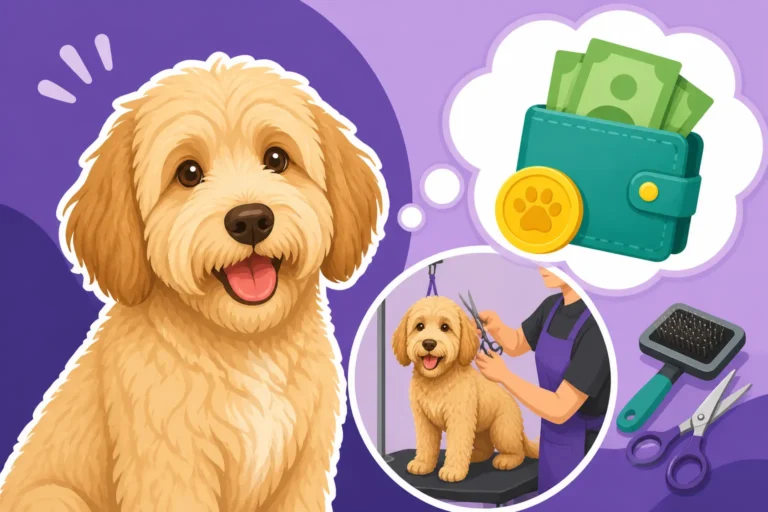
The cost of professional grooming for a Labradoodle is substantial. These aren't just quick trims; they involve thorough dematting (if necessary), bathing, drying, clipping, ear cleaning, and nail trimming. If a dog arrives severely matted, groomers often have to spend extra time detangling, or in extreme cases, resort to a full shave-down, which comes with additional fees and can be stressful for the dog. What a Groomer Charges to Dematt a Labradoodle by the Hour can quickly add up, turning what was hoped to be an occasional expense into a major recurring budget line item. The sheer size of a standard Labradoodle also means more product, more time, and thus, a higher price than grooming a smaller dog. These recurring costs, often every two months, can quickly drain a household budget, especially if other unexpected expenses arise.
The Time and Effort Investment: More Than Just Money
Beyond the direct financial hit, the sheer amount of time and physical effort required for adequate Labradoodle grooming can be overwhelming. It's not just a weekly chore; it often feels like a constant battle against tangles and mats. For owners who are unprepared for this commitment, the mental and emotional strain can be just as significant, if not more so, than the monetary cost. What starts as a loving act of care can morph into a source of stress and guilt, leading to a breakdown in the human-animal bond.
The Hidden Cost of Neglect
When grooming falls by the wayside, either due to lack of time, skill, or funds, the consequences extend far beyond a shaggy appearance. Matted coats create a breeding ground for bacteria and yeast, leading to painful skin infections, hot spots, and chronic itching. These conditions not only make the dog uncomfortable and miserable, but they also necessitate costly veterinary visits, medications, and specialized shampoos. Suddenly, the initial savings from skipping a grooming appointment are dwarfed by vet bills. A matted coat can also hide parasites, restrict blood flow, and make it difficult for the dog to regulate its body temperature.
Imagine a Labradoodle with severe mats under its legs or behind its ears. Every movement pulls on its skin, causing constant discomfort. The dog might become irritable, less playful, and even lash out when touched in sensitive areas. This is not the joyful companion an owner envisioned. Addressing Mats Behind a Labradoodle's Ears or tackling Allergies Behind a Labradoodle's Itching requires a multi-pronged approach, often involving a professional groomer to carefully remove the mats, followed by veterinary treatment for any underlying skin issues. This cycle of neglect leading to health problems, then expensive vet care, then back to grooming issues, creates a vicious circle that can completely exhaust an owner's resources and patience.
The Emotional Toll on Owners
For many, the decision to give up a pet is agonizing, steeped in guilt and despair. The relentless demands of a Labradoodle's coat can contribute significantly to this emotional burden. Owners who are constantly battling mats or dealing with a dog in discomfort due to a neglected coat often feel like failures. They might spend hours trying to brush their dog, only to find new mats forming the next day, leading to immense frustration. The dream of a low-shedding, easy-care companion slowly erodes, replaced by the reality of constant work.
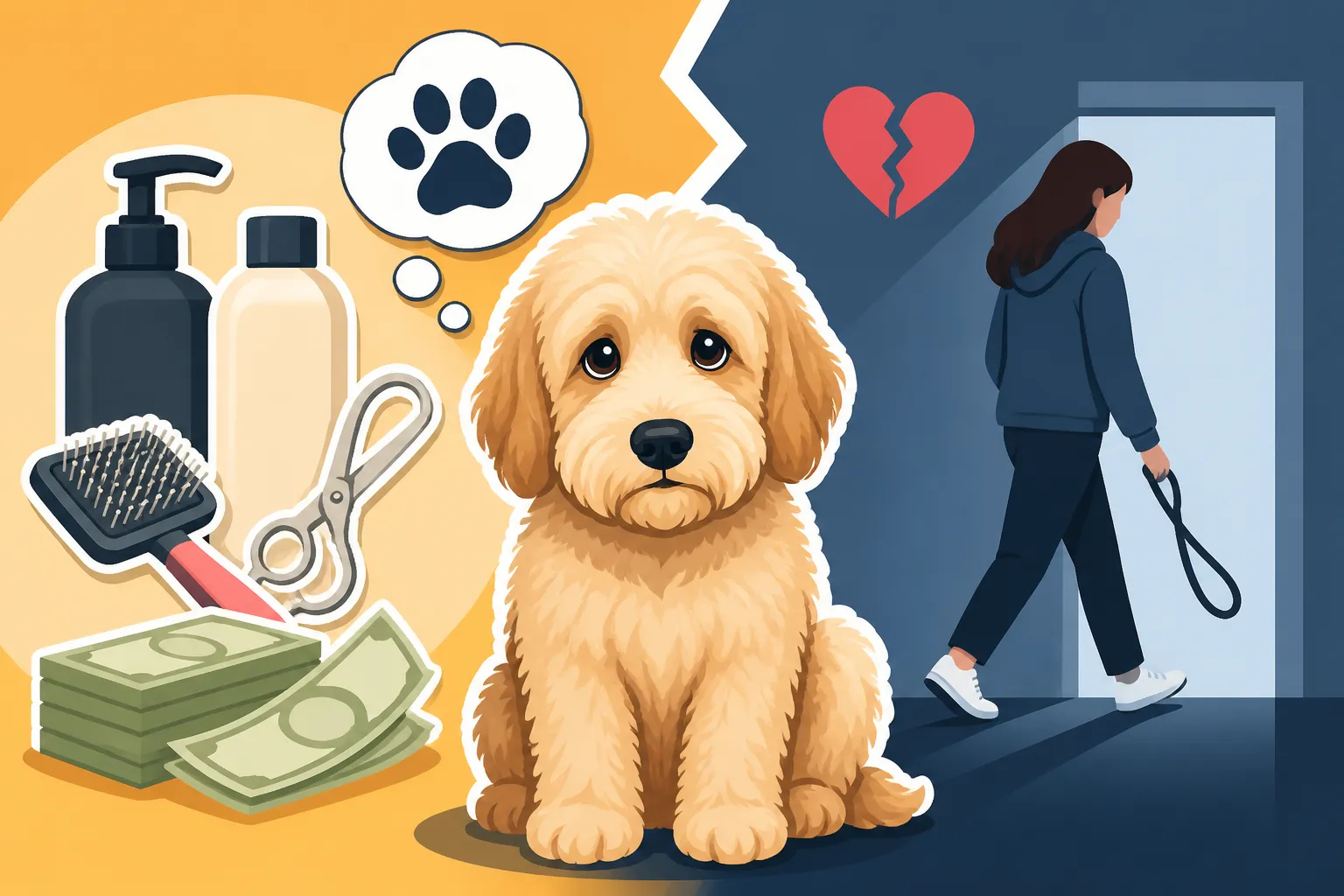
This emotional toll can impact the entire household. Grooming sessions can become a source of tension, with both dog and owner dreading the process. Children might be less inclined to interact with a dog that is uncomfortable or snaps when touched. The owner might feel isolated, embarrassed by their dog's appearance, or judged by others. This pervasive feeling of being overwhelmed, coupled with the financial strain, can slowly chip away at the bond with the dog. Many owners recount stories of deep sadness and regret, explaining that while they loved their Labradoodle dearly, they simply couldn't keep up with the grooming demands, leading to a profound sense of failure and eventually, the heartbreaking decision to surrender their pet.
| Grooming Approach | Initial Cost (Supplies) | Recurring Cost (Time/Money) | Potential Health Issues | Owner Experience |
|---|---|---|---|---|
| DIY Home Groom | Moderate-High (tools like clippers, dryer, brushes, shampoos – often a few hundred dollars) | High (hours each week) | Lower if done correctly and consistently | High commitment, steep learning curve, can be rewarding but exhausting |
| Professional Groom | Low (basic brush for maintenance) | High (groomer fees every 6-8 weeks, varies by size and coat) | Lower if regular appointments are kept | Convenient, but significant recurring financial outlay |
| Neglect/Infrequent Groom | Low (no specific tools or services) | Low (initially) then potentially very high (vet bills, emergency dematting) | High (skin infections, matting pain, hot spots, restricted movement) | Stressful, guilt-inducing, distressing for the dog, potentially leading to surrender |
When Grooming Costs Become the Tipping Point
While no one gives up a beloved pet solely because of grooming fees, these costs, when combined with other unexpected life events or a fundamental misunderstanding of the breed's needs, can absolutely be the final straw. It’s rarely one single factor, but rather a cascade of difficulties where grooming costs play a starring role in deepening the crisis. Rescue organizations often hear "we just couldn't keep up with the grooming" as a primary reason for surrender, highlighting that it's a very real and common problem.
Unexpected Financial Strain
Life is unpredictable, and even the most financially stable households can face sudden hardships. A job loss, a major medical emergency for a human family member, or other unforeseen expenses can quickly make a carefully planned budget unravel. When this happens, discretionary spending is the first to go, and unfortunately, regular grooming appointments, which can easily be hundreds of dollars a month depending on the dog's coat and size, are often seen as discretionary. What might have been manageable before suddenly becomes an enormous burden.
For example, a family might be managing their Labradoodle's regular grooming just fine, perhaps even splurging on quality food like Ollie or necessary supplies from Chewy for daily care. But then, an unexpected car repair bill or a health issue arises. Faced with difficult choices, cutting back on the dog's grooming might seem like the lesser of two evils compared to other household necessities. However, as we've discussed, neglecting a Labradoodle's coat quickly leads to severe matting, discomfort for the dog, and inevitably, expensive veterinary visits to address skin infections or other issues. This creates a no-win situation, where trying to save money on grooming ultimately leads to higher costs elsewhere, pushing families to their breaking point. Even having pet insurance like Healthy Paws, while incredibly helpful for unforeseen accidents or illnesses, usually doesn't cover routine grooming costs, leaving that burden squarely on the owner.
Lack of Realistic Expectations
A significant contributing factor to Labradoodles ending up in rescue is often a profound lack of realistic expectations about their care, particularly concerning their coats. The widespread marketing of Labradoodles as "hypoallergenic" and "low-shedding" has inadvertently created a perception that they are also low-maintenance. This couldn't be further from the truth. While many Labradoodles do shed less than their Labrador Retriever ancestors, their coats require far more intensive grooming than a typical short-coated breed.
Many first-time Labradoodle owners simply aren't warned about the commitment. They might adopt a puppy, envisioning occasional brushing, only to discover a dense, constantly matting coat that demands daily attention or costly professional intervention. This gap between expectation and reality can be deeply disheartening. Breeders, rescue organizations, and even seasoned owners have a responsibility to be transparent about What Nobody Tells a First Time Labradoodle Buyer regarding grooming requirements. Without this vital information upfront, new owners are set up for failure, leading to frustration, guilt, and ultimately, a higher likelihood that the dog will be surrendered when the perceived "easy" pet turns out to be anything but.
Ultimately, while love for a Labradoodle is usually abundant, the practical realities of their specialized grooming needs can become an overwhelming burden. When financial strains hit or owners simply cannot manage the time and effort required, the dog's welfare suffers, leading to difficult and heartbreaking decisions about their future. It's a testament to the unforeseen challenges of pet ownership that often have little to do with affection and everything to do with unexpected costs and time commitments. Why Labradoodles Are Surrendered Before Three often includes a heavy emphasis on grooming challenges, underscoring this pervasive issue.
Disclaimer
This article is for general informational purposes only and does not constitute professional advice. Laws, prices and regulations vary by location and change over time. Consult a qualified professional for guidance on your specific situation.