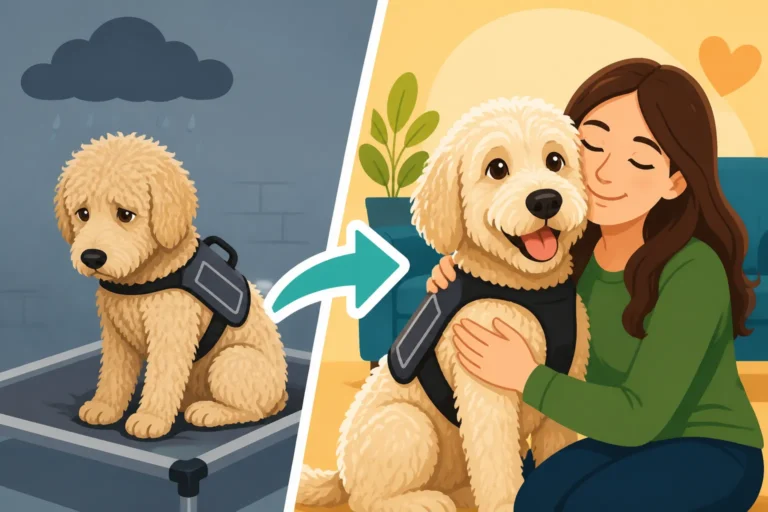
Whether an Assistance Labradoodle Is Ever Free
The dream of having a dedicated assistance Labradoodle by your side, a partner trained to help navigate daily challenges, is incredibly powerful. For many, that dream is tempered by the very real concern of cost. It's natural to wonder if an assistance Labradoodle can ever truly be free, given the significant price tags often associated with highly trained service animals. This guide will thoroughly explore the various pathways to obtaining an assistance Labradoodle, dissecting what "free" might actually mean in this context and outlining the inevitable financial commitments involved.
The True Cost Beyond the Purchase Price for an Assistance Labradoodle
When we talk about an assistance Labradoodle, it’s crucial to understand that even if the initial acquisition fee for the dog itself is waived, the journey is far from free. There are layers of expenses, both upfront and lifelong, that every owner must prepare for. These aren't hidden costs so much as often underestimated ones.
Initial Investment: Beyond the Puppy Price Tag
Imagine you've been approved for an assistance Labradoodle from a wonderful program, and you're told there's no "purchase price." This sounds amazing, and it is a huge relief, but it's not the end of the financial discussion. Before your new partner even sets a paw in your home, there are essential preparations and early costs to consider.
First, there are the necessary veterinary basics. A puppy, or even a young adult dog, will need its initial vaccinations, microchipping, and a comprehensive vet check-up to ensure it's in peak health for its demanding role. These preventative care costs are standard for any dog, assistance or otherwise, and typically fall to the owner. Then there are the essential supplies: a sturdy crate for safe travel and relaxation, appropriate leashes and collars or harnesses, food and water bowls, and a selection of durable, enriching toys. These aren't luxuries; they're fundamental to the dog's well-being and successful integration into your home. Think about all the items you might add to your cart on a site like Chewy before your new dog arrives – the bill can easily climb. The peace of mind that comes from knowing your dog has a safe space and appropriate equipment is priceless, but the items themselves definitely have a price. Many people assume that if a program covers the dog's initial cost, it covers everything, but that's rarely the case. While What a Program Trained Assistance Labradoodle Costs might detail aspects like initial health clearances, the day-to-day setup of your home is generally your responsibility.
Beyond these tangible items, consider the ongoing training and socialization. Even a program-trained dog benefits immensely from continued positive reinforcement and exposure to new environments under your guidance. For a younger dog, house-training, basic obedience, and consistent socialization with people, places, and other animals are non-negotiable. While the foundational training might be provided, reinforcing these skills and adapting them to your specific routines requires your time and, often, resources for follow-up classes or private sessions.
Lifelong Care: Ongoing Financial Commitments
An assistance Labradoodle is a living, breathing commitment for well over a decade. The Twelve to Fifteen Years a Labradoodle Lives means a substantial period of ongoing financial responsibility. The initial acquisition cost, whether it's full price or waived, is just a fraction of the total investment over their lifetime.
At the top of the list for ongoing expenses is high-quality nutrition. An assistance dog needs to be in peak physical and mental condition, and that starts with what's in their bowl. Whether you choose a premium kibble, a fresh food delivery service like Ollie, or a carefully balanced raw diet, quality food is an ongoing, non-negotiable expense. These dogs are working animals, and their diet supports their demanding lifestyle. Regular grooming is another critical aspect, especially for a Labradoodle with its distinctive coat. Depending on the coat type—fleece or wool—your Labradoodle will require professional grooming every 6-8 weeks, or at minimum, consistent at-home grooming with the right tools. Failing to keep up with grooming can lead to painful matting, skin infections, and potentially expensive vet visits to resolve severe matting.
Routine veterinary care is also a constant. Annual check-ups, vaccinations, parasite prevention (flea, tick, heartworm), and dental care add up year after year. Beyond routine care, there's always the possibility of unexpected health issues. Labradoodles, while generally healthy, can be prone to certain genetic conditions inherited from their Poodle and Labrador ancestry. Conditions like hip and elbow dysplasia, certain eye conditions, or even more serious issues like Addison's disease or bloat can lead to significant and sudden veterinary bills. This is where pet insurance becomes a critical financial buffer. Companies like Healthy Paws offer policies that can cover a large percentage of these unexpected medical costs, but these policies themselves come with ongoing premiums. While it's an expense, many find the peace of mind invaluable when facing a medical emergency, preventing a truly "free" dog from becoming a crushing financial burden when an emergency strikes. For example, Life on Daily Medication for an Addisonian Labradoodle is a lifelong cost that insurance can help mitigate.
Navigating Assistance Dog Programs and Non-Profits
For many, obtaining an assistance Labradoodle that truly feels "free" involves partnering with a specialized assistance dog program or non-profit organization. These organizations perform an incredible service, but understanding their model helps clarify what "free" actually entails.
Understanding "Free" from a Program Perspective
Many reputable assistance dog organizations are non-profit entities. They pour countless hours and resources into breeding, raising, and intensively training dogs like Labradoodles to perform specific tasks for individuals with disabilities. The costs involved in this process are astronomical: selective breeding, puppy raising, veterinary care, professional trainers' salaries, facility maintenance, and public access training for years. Due to extensive fundraising, donations, and grants, these organizations are often able to place a fully trained assistance Labradoodle with a qualified recipient without charging the recipient the dog's true market value, which can easily be tens of thousands of dollars. This is often the closest a person will get to a "free" assistance dog.
However, it's rare that there are absolutely no costs involved for the recipient. While the "purchase price" of the dog might be waived, programs often have associated fees. These might include an application fee, travel expenses for the recipient to attend a mandatory "team training" camp where they learn to work with their new dog, or a requirement for the recipient to participate in fundraising efforts on behalf of the organization. These contributions, whether financial or through effort, help to sustain the program's ability to continue placing dogs with others in need. It's a reciprocal relationship where the recipient contributes what they can to support the ongoing mission. The value of a dog trained to perform specific tasks, from retrieving dropped items to providing stability or alerting to medical conditions, is immense. The Tasks a Labradoodle Is Taught for Disability Work are complex and require highly specialized training, which these programs provide.
Application Processes and Waitlists
The journey to receive an assistance Labradoodle from a non-profit program is typically thorough and can be lengthy. It's not a matter of simply filling out a form and receiving a dog. The application process is designed to ensure the best possible match between a dog and its future handler, guaranteeing success for both.
Expect a detailed application that requires extensive medical documentation from your doctors or therapists, personal interviews, and often home visits to assess your living environment. Organizations need to understand your specific needs, lifestyle, and support system to ensure they can provide a dog that will truly thrive and be effective. This meticulous process ensures that the dog's temperament, size, and specific training match the recipient's disability and daily routine. For example, Whether a Labradoodle Suits Autism Assistance Work requires a specific temperament match that only careful assessment can determine.
Once approved, recipients are often placed on a waitlist. These waitlists can span from months to several years. The length is not typically due to a shortage of dogs, but rather the intensive nature of the training, the careful matching process, and the sheer demand for these highly skilled animals. Every dog undergoes rigorous training, often for 18-24 months, including advanced obedience, task work, and extensive public access training. This ensures the dog is reliable and well-behaved in all environments, a crucial aspect of Public Access Training Asks of a Labradoodle. Programs prioritize quality over speed, and while the wait can be challenging, it's a testament to the comprehensive preparation that goes into each assistance dog.
Owner-Training an Assistance Labradoodle: A Different Financial Path
For those who find program waitlists too long or eligibility requirements too restrictive, owner-training a Labradoodle as an assistance dog can seem like a more accessible route. While it avoids the often high upfront cost of a program-trained dog, it introduces its own set of significant financial and personal investments.
The Hidden Costs of Training Yourself
Deciding to owner-train means you're taking on the responsibility of sourcing and training the dog yourself. This immediately means you'll either pay the full purchase price for a Labradoodle puppy from a reputable breeder or an adoption fee for a rescue dog. While a rescue might seem "cheaper," you're still buying a dog, and then beginning the entire training journey from scratch. The costs here are immediate and out-of-pocket, unlike the often subsidized cost of a program dog.
The biggest hidden cost in owner-training is professional guidance. Unless you are an experienced service dog trainer yourself, attempting to train an assistance dog without expert help is incredibly challenging and often leads to failure. A qualified trainer, specializing in service dog work, is essential for guiding you through task training, public access etiquette, and troubleshooting behavioral issues. These trainers typically charge by the hour or offer package deals. These fees can accumulate rapidly, potentially rivaling or even exceeding the cost of a program dog over time. You might think you're saving money, but the reality of What Owner Training a Service Labradoodle Costs often includes hundreds, if not thousands, of dollars in professional instruction, specialized equipment, and public access testing. This is not just about teaching "sit" and "stay"; it's about developing a highly reliable, task-specific working partner.
Time, Effort, and the Risk of Failure
Beyond the financial outlay, owner-training demands an immense investment of time, patience, and unwavering consistency. It's essentially a full-time commitment for many months, extending into years, as you shape your Labradoodle into a reliable assistance animal. You are responsible for every aspect of their education, from basic house manners to complex task training and navigating public spaces. This means countless hours devoted to training sessions, socialization outings, and reinforcing good behavior. The ongoing costs for food, supplies, and veterinary care (remembering Chewy for convenient delivery, and the peace of mind of pet insurance like Healthy Paws) remain constant throughout this intense training period. Your own time, often overlooked as a "cost," is arguably the largest investment.
Perhaps the most significant downside of owner-training is the inherent risk of failure. Not every dog, regardless of breed or initial temperament, is suited to be an assistance dog. The work is incredibly demanding, requiring extreme focus, unflappability in novel situations, and a strong desire to work. A dog might wash out due to health issues, behavioral challenges, or simply not having the inherent drive or resilience for the job. This can be emotionally devastating and means that all the financial investment, time, and effort put into the dog up to that point might not yield the desired outcome. Understanding What Washes a Labradoodle Out of a Program can help owner-trainers recognize potential pitfalls early, but ultimately, the risk of a dog not making the cut lies solely with the owner-trainer.
Exploring Financial Aid and Support for Assistance Dogs
While the concept of a completely "free" assistance Labradoodle is generally a myth, there are definitely avenues to make them more financially accessible. It's about exploring grants, community support, and wise financial planning rather than expecting no costs at all.
Grants, Fundraising, and Community Support
Many organizations and foundations are dedicated to making assistance dogs available to those who need them. While they may not provide a dog for "free" in the purest sense, they often offer grants or financial aid specifically designed to help individuals cover the significant costs associated with acquiring and maintaining an assistance dog. These grants frequently have specific eligibility requirements, often based on the applicant's disability, income level, or geographic location. It's always worth researching these options, as Whether Grants Pay for a Labradoodle Service Dog is a question with a nuanced "yes, sometimes" answer. These grants can significantly reduce the out-of-pocket expenses, making the dream a reality for many who otherwise couldn't afford it.
Beyond formal grants, many prospective assistance dog owners turn to personal fundraising. Leveraging social media, crowdfunding platforms, and organizing local community events can be incredibly effective. People are often deeply moved by the stories of individuals seeking assistance dogs and are genuinely eager to contribute. These efforts can help cover initial program fees, travel costs, ongoing food expenses (which can be conveniently managed through services like Chewy), or even a portion of future veterinary bills. The generosity of a community can often bridge the financial gap, turning a seemingly insurmountable cost into a manageable one.
Insurance and Deductions
Pet insurance, though an ongoing monthly or annual expense, plays a crucial role in managing the long-term financial viability of owning an assistance Labradoodle. Companies like Healthy Paws offer various plans that can cover a substantial percentage of unforeseen veterinary expenses, from accidents to illnesses. While insurance doesn't cover the initial cost of the dog or its training, it acts as a vital safety net against catastrophic medical bills that can arise throughout your Labradoodle's life. Considering that What Labradoodles Most Often Die Of includes common ailments that can incur high treatment costs, insurance provides essential financial protection for your working partner. It's an investment that can prevent a truly "free" acquisition from becoming a massive debt in the event of an emergency.
It's also worth investigating potential tax deductions. In some jurisdictions, certain costs associated with a legitimate assistance dog (such as veterinary care, food, or specific training expenses directly related to the disability) may be considered eligible medical expenses and could be tax-deductible. However, the rules surrounding this can be complex and vary significantly by location. It's absolutely crucial to consult with a qualified tax professional to understand the specific regulations and ensure you meet all the necessary criteria for any potential deductions. Relying on anecdotal information can lead to disappointment, so professional advice is key here.
No matter the pathway, careful financial planning is paramount. Creating a detailed budget that accounts for both initial and ongoing costs, and exploring all available support options, will ensure your assistance Labradoodle is not only a supportive partner but also a financially sustainable one.
| Acquisition Method | Initial Dog Cost (Recipient) | Setup/Training Costs (Recipient) | Ongoing Costs (Recipient) | Time Commitment (Recipient) | Risk of Washout (Recipient) | Closest to "Free" for Dog Itself |
|---|---|---|---|---|---|---|
| Program Dog | Often waived/Donation | Varies (travel, program fees) | High (food, vet, grooming) | Low (team training period) | Program absorbs/replaces | High |
| Owner-Trained | Full purchase/Adoption fee | High (trainer fees, supplies) | High (food, vet, grooming) | Very High (daily training) | High (owner's responsibility) | Low |
| Rescue Dog | Low adoption fee | High (trainer fees, supplies) | High (food, vet, grooming) | Very High (daily training) | High (owner's responsibility) | Low |
Disclaimer
This article is for general informational purposes only and does not constitute professional advice. Laws, prices and regulations vary by location and change over time. Consult a qualified professional for guidance on your specific situation.