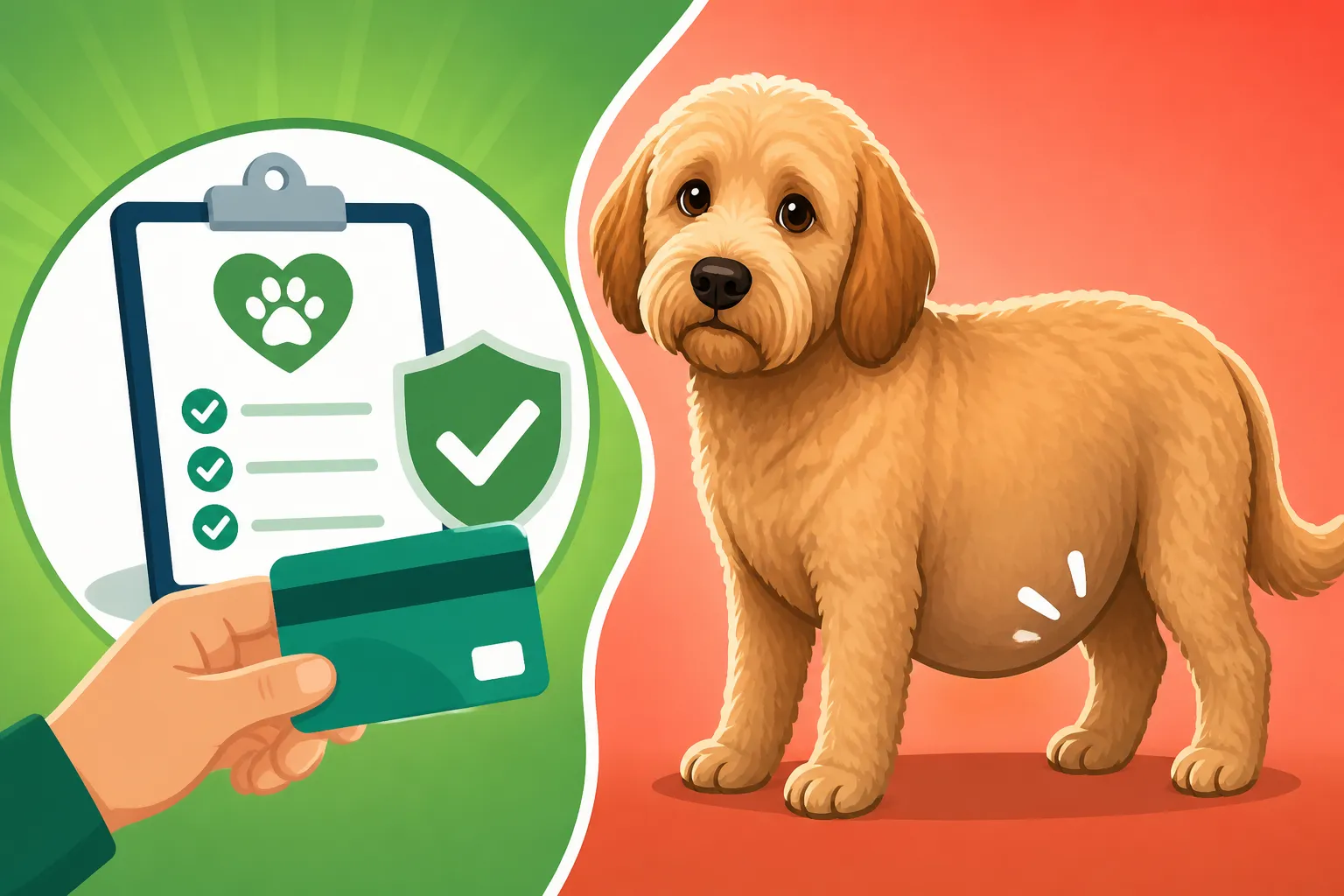
Arranging Care Credit Before a Labradoodle Bloats
One of the most terrifying emergencies a Labradoodle owner can face is bloat, a condition that can escalate from seemingly minor discomfort to a life-threatening crisis in mere hours. The sheer speed required for diagnosis and treatment, often an expensive emergency surgery, can leave loving pet parents scrambling not only emotionally, but financially. This guide is here to walk you through how you can proactively arrange for care credit, like CareCredit, to ensure you're financially prepared for such an unexpected veterinary challenge, offering peace of mind when every second counts.
The Looming Threat of Bloat in Labradoodles and Its Financial Fallout
Labradoodles, with their delightful personalities and charming good looks, bring so much joy into our lives. However, like many larger, deep-chested breeds, they carry a predisposition to a truly terrifying condition known as Gastric Dilatation-Volvulus, or GDV, more commonly called bloat. This isn't just a simple stomach ache; it's a rapid, life-threatening emergency that requires immediate veterinary intervention, often costing thousands of dollars when it strikes unexpectedly.
Understanding Gastric Dilatation-Volvulus GDV
Bloat occurs when a dog's stomach fills with gas, food, or fluid, and then, in the most severe cases, twists on itself, effectively cutting off blood supply to the stomach and often the spleen. The pressure from the distended stomach can also impair breathing and affect blood flow to the heart, leading to shock and organ damage. It's a race against time. If you suspect your Labradoodle is bloating, you cannot afford to wait. Every minute counts, and delaying treatment significantly reduces the chances of survival. Knowing The Chest Shape That Puts a Labradoodle at Bloat Risk is crucial, as their Poodle lineage often contributes to this conformation.
The signs can be subtle at first: restlessness, pacing, an attempt to vomit that produces nothing, excessive drooling, and obvious discomfort. As the condition progresses, you might notice a distended abdomen that feels hard to the touch. These are all critical warning signs that demand an immediate trip to the emergency vet. You should always be aware of The Signs a Labradoodle Is Bloating. This isn't a condition where you can observe and wait for morning; it's an immediate emergency requiring expert attention.
The Speed and Cost of a Bloat Emergency
Once at the veterinary emergency clinic, the diagnosis of bloat is typically made quickly via X-ray. If GDV is confirmed, surgery is almost always the only option. This involves untwisting the stomach, assessing for tissue damage, and often performing a gastropexy, which is a procedure to tack the stomach to the abdominal wall to prevent future twisting. While a gastropexy is invaluable for preventing recurrence, the emergency nature of the initial surgery is what drives the immediate, high costs. Many owners opt to have Whether a Labradoodle Should Have a Preventive Gastropexy performed electively, often at the time of spay/neuter, to avoid this emergency scenario.
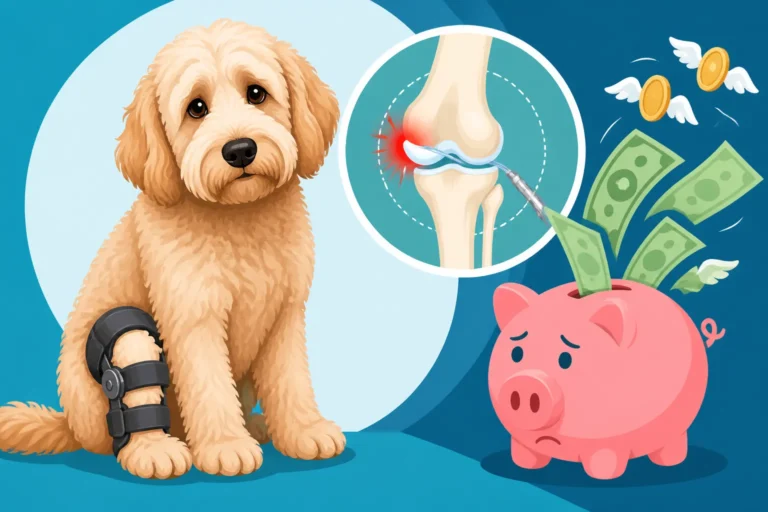
The financial burden of an emergency bloat surgery can be immense. Factor in the initial emergency consultation, X-rays, blood work, intravenous fluids, pain medication, the surgery itself, and several days of intensive post-operative care, and the bills can quickly climb. Stories abound of pet parents facing bills that run into the multiple thousands of dollars, easily becoming one of the most expensive procedures your dog could ever need. This is where proactive financial planning becomes not just helpful, but potentially life-saving. What Emergency Bloat Surgery Costs a Labradoodle Owner can be a shocking figure when you're already in a panic.
CareCredit: Your Financial Lifeline in a Pet Emergency
When an emergency strikes, and you're faced with a significant veterinary bill, having a dedicated financial solution can make all the difference. CareCredit is a healthcare credit card that functions much like a regular credit card but is specifically designed for health, wellness, and beauty expenses, including veterinary care. It's accepted at thousands of veterinary practices nationwide, from routine check-ups to critical emergency surgeries.
How CareCredit Functions for Veterinary Care
Think of CareCredit as a bridge between needing immediate medical care for your beloved Labradoodle and having the funds readily available. When your vet's office accepts CareCredit, you can use it to cover the cost of services, just as you would any other credit card. The key difference lies in its specialized financing options, which can be incredibly beneficial during high-cost situations like a bloat emergency. For instance, if your Labradoodle needs urgent surgery, you can use CareCredit to pay for the procedure, and then manage your payments over time through their specific plans.
This is particularly useful because it removes the immediate financial barrier to critical care. Instead of having to delay a life-saving surgery while you figure out how to pay, CareCredit allows you to authorize the procedure then and there. It's widely understood that What Emergency Bloat Surgery Runs After Hours will likely cost more than a planned daytime procedure, making accessible credit all the more vital. Your focus can remain squarely on your Labradoodle's well-being, knowing the financial aspect is being handled.
The Ins and Outs of Promotional Financing
One of the most appealing features of CareCredit is its promotional financing options, often advertised as "no interest if paid in full within 6, 12, 18, or 24 months." This means that if you pay off the entire balance within the specified promotional period, you won't be charged any interest on that purchase. For a large, unexpected expense like bloat surgery, this can be a tremendous relief, giving you a structured payment plan without the added burden of interest, provided you meet the terms.
However, it's absolutely crucial to understand the terms of these promotional offers. If you don't pay off the full balance by the end of the promotional period, interest will often be retroactively applied to the original purchase date. This deferred interest can quickly add up, making the total cost much higher. So, while CareCredit offers flexibility, it demands a commitment to paying off the balance promptly. It's a tool to manage unexpected costs, not a free pass. Always read the fine print and make a solid plan to pay down your balance within the promotional timeframe to avoid significant interest charges.
Proactive Steps: Applying for CareCredit Before Crisis Hits
The true power of CareCredit, especially in scenarios like bloat, lies in being prepared before an emergency unfolds. Waiting until your Labradoodle is in critical condition at the vet's office to apply for financing only adds to the stress and can potentially cause delays when time is of the essence. Applying in advance means one less thing to worry about when your focus needs to be entirely on your furry family member.
The Application Process: Quick and Accessible
Applying for CareCredit is designed to be a straightforward and relatively quick process. You can apply online through their website, over the phone, or sometimes even directly at participating veterinary offices. The application typically asks for standard personal and financial information, similar to any other credit card application, including your name, address, Social Security number, and income details. It involves a credit check, so having good credit generally increases your chances of approval and a higher credit limit.
Many individuals receive a decision almost instantly when applying online. If approved, you'll often get access to your account number right away, allowing you to use it for immediate expenses even before your physical card arrives in the mail. This instant access is invaluable when dealing with an urgent situation. Imagine the relief of knowing you have approved funds available if your Labradoodle suddenly shows signs of bloat. This proactive step can mean the difference between immediate treatment and agonizing delays.
Using Your CareCredit Account at the Vet
Once approved, using CareCredit at a participating veterinary practice is simple. When it's time to pay for services, simply inform the receptionist or vet tech that you'd like to use your CareCredit card. They will process the payment just like a regular credit card. You can also discuss the available financing options with them to choose the one that best suits your situation, ensuring you understand the terms before finalizing the payment.
It's a good practice to confirm that your regular veterinary clinic, as well as any local emergency veterinary hospitals, accept CareCredit before you need it. This way, you're not caught off guard. Keeping your CareCredit card easily accessible, perhaps with other important pet-related documents, ensures you're ready for anything. Knowing you have this option in your back pocket can significantly alleviate the immense pressure of emergency vet bills, allowing you to focus on getting your beloved Labradoodle the best possible care.
Holistic Financial Planning for Your Labradoodle's Health
While CareCredit is an excellent tool for managing unexpected veterinary costs, it's just one piece of a comprehensive financial plan for your Labradoodle's health. A truly robust strategy often includes a combination of different approaches to ensure you're prepared for everything from routine care to major emergencies. After all, What the First Year With a Labradoodle Costs isn't just about the puppy price, but the ongoing investment in their well-being.
The Role of Pet Insurance in Comprehensive Care
Pet insurance stands as another cornerstone of financial preparedness for pet ownership. Unlike CareCredit, which is a line of credit you repay, pet insurance is a policy you pay a monthly premium for, and in return, the insurer reimburses you for a portion of your eligible veterinary expenses after you've met your deductible. Many reputable providers, such as Healthy Paws, offer various plans that can cover accidents, illnesses, and even some hereditary conditions common in Labradoodles.
When considering pet insurance, it's vital to research what specific conditions are covered and whether there are any breed-specific exclusions. For example, you'll want to verify Whether Bloat Surgery Is Covered on a Labradoodle Policy and if there are any waiting periods before coverage for certain conditions begins. Enrolling your Labradoodle when they are young and healthy can help ensure pre-existing conditions don't limit future coverage. While CareCredit provides immediate funds, pet insurance helps offset the overall long-term costs of veterinary care. What Insuring a Labradoodle Puppy Runs Monthly can feel like an extra expense, but it provides a safety net for unpredictable future events.
Building a Dedicated Emergency Fund
Sometimes the simplest solutions are the most effective. Setting aside a dedicated emergency fund specifically for your Labradoodle's health is a straightforward yet powerful way to prepare for unexpected expenses. This is money you've saved and earmarked solely for veterinary emergencies, not to be touched for other household needs. The amount you aim for will depend on your comfort level and local veterinary costs, but having at least a few thousand dollars liquid can cover many common emergency scenarios.
Consider setting up an automatic transfer from your checking account to a separate savings account each month, even if it's a small amount. Over time, these contributions can accumulate into a substantial safety net. This approach requires discipline but provides unparalleled peace of mind. While companies like Chewy and Ollie focus on providing high-quality food and supplies for your Labradoodle, ensuring those regular expenses are budgeted for can help you free up funds to consistently contribute to this crucial emergency savings account. This fund can cover deductibles for pet insurance, or even the full cost of a smaller emergency that doesn't quite meet your insurance's threshold.
Exploring Other Veterinary Financial Aid Options
Beyond CareCredit, pet insurance, and personal savings, there are other avenues to explore if you're facing significant veterinary costs. Some veterinary clinics offer in-house payment plans for established clients, though these are often on a case-by-case basis and may not cover the full extent of an emergency like bloat. It never hurts to have an open conversation with your vet's office about your financial concerns and what options might be available.
Additionally, there are various charitable organizations and non-profits dedicated to helping pet owners with veterinary expenses, especially for specific conditions or for owners facing financial hardship. While these organizations often have strict eligibility requirements and limited funds, they can be a lifeline in desperate situations. Researching these options in advance, or at least knowing where to look, can be helpful.
Here’s a quick comparison of these financial tools:
| Feature | CareCredit | Pet Insurance | Emergency Savings Fund |
|---|---|---|---|
| Purpose | Line of credit for health expenses | Reimbursement for eligible vet bills | Self-funded pool for emergencies |
| Payment Method | Credit card (repaid in installments) | Monthly premiums, then reimbursement | Cash, withdrawn as needed |
| Upfront Cost | None (until you use it) | Monthly premiums | Requires regular contributions to build up |
| Interest | Promotional no-interest if paid in full; otherwise, high interest | None (you pay premiums) | None |
| Credit Check Required? | Yes | Not usually for enrollment, but claims history matters | No |
| Coverage | Any approved vet expense (if clinic accepts) | Specific conditions/accidents per policy | Covers whatever funds are available |
| Best For | Immediate large expenses, flexible payments | Mitigating long-term/recurrent vet costs | Peace of mind, immediate access, covering deductibles |
In conclusion, while we all hope our Labradoodles never experience a terrifying condition like bloat, being financially prepared is a profound act of love and responsibility. By understanding tools like CareCredit, investing in pet insurance, and diligently building an emergency fund, you empower yourself to make the best possible decisions for your dog's health without the added crushing weight of financial panic.
Disclaimer
This article is for general informational purposes only and does not constitute professional advice. Laws, prices and regulations vary by location and change over time. Consult a qualified professional for guidance on your specific situation.