Von Willebrand’s Testing on a Labradoodle
It's incredibly unsettling to imagine your beloved Labradoodle facing an unexpected health crisis, especially one that could involve excessive bleeding. Nobody wants to discover a hidden genetic condition only when their dog is on the operating table for a routine spay or neuter, or worse, after an injury. The good news is that for conditions like Von Willebrand's Disease (vWD), there are clear testing options available, giving you the power to understand and manage this potential risk long before it becomes an emergency. This guide will walk you through what vWD is, why testing matters for your Labradoodle, and how to interpret the results, ensuring you're fully prepared.
Understanding Von Willebrand's Disease in Labradoodles
When we bring a Labradoodle into our homes, we're often captivated by their charm, intelligence, and those delightful curly coats. What we don't always think about immediately are the complex genetic inheritances they carry from both their Labrador Retriever and Poodle parents. One such inheritance, often stemming from the Poodle side, is Von Willebrand's Disease. It's a condition that can sometimes fly under the radar until an unexpected situation brings it to light, leaving owners understandably worried and frustrated.
What is Von Willebrand's Disease?
At its heart, Von Willebrand's Disease is a genetic bleeding disorder that affects a dog's ability to form proper blood clots. Imagine a vital component in your car's engine going missing – that's somewhat analogous to what happens in a dog with vWD. Specifically, it involves a deficiency or defect in a protein called von Willebrand factor (vWF), which is absolutely crucial for platelets (the tiny cells that stop bleeding) to stick together and seal off a wound. Without enough functional vWF, even a small cut or bruise can lead to prolonged or excessive bleeding.
There are different types of vWD, but for Labradoodles, the most commonly discussed and tested type is Type I. This form is characterized by a reduced amount of vWF in the blood, rather than a completely absent or dysfunctional factor. While it's typically less severe than Type II or Type III, it can still pose significant risks, especially during surgeries or if your active Labradoodle gets into an accident. Given that Poodles are known carriers, it’s a trait that can easily be passed down to Labradoodle offspring. Understanding this genetic link is the first step in ensuring your furry friend's safety. Just like understanding other genetic predispositions, such as the risk of Addison's Disease a Labradoodle Inherits From the Poodle, knowing about vWD can help you be proactive.
Recognising the Signs of vWD
One of the most frustrating aspects of Von Willebrand's Disease is that its symptoms can be incredibly varied and sometimes quite subtle, making it hard to spot without a specific event. Many dogs with Type I vWD, especially if they are carriers or mildly affected, might go their entire lives without ever showing a noticeable problem. This is why testing becomes so important – you don't want to find out during an emergency.
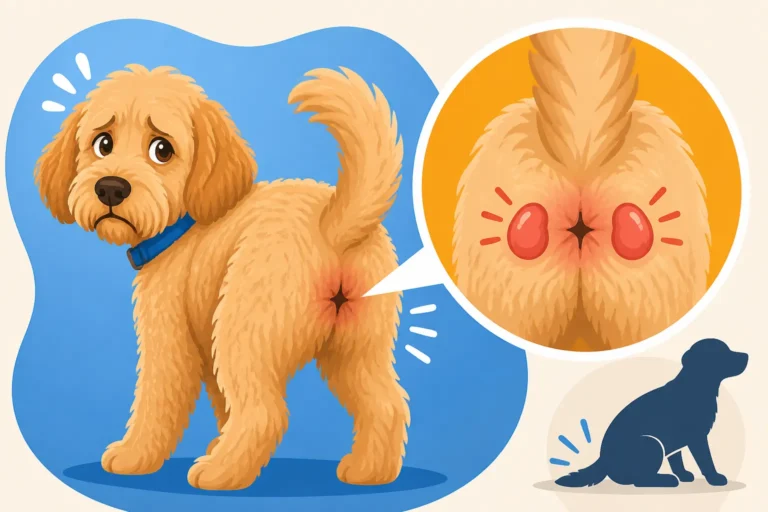
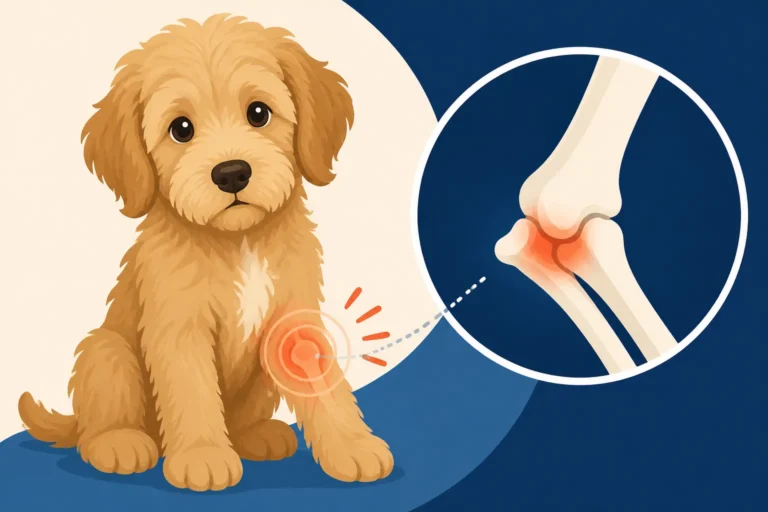
However, when symptoms do appear, they often involve excessive or prolonged bleeding. This could manifest as persistent nosebleeds that are difficult to stop, or bleeding from the gums, perhaps after a vigorous chew session or even just brushing their teeth. Owners might also notice blood in their dog's urine or stool, which can be alarming. Perhaps the most common scenario where vWD becomes evident is after a surgical procedure, like a spay, neuter, or even a routine dental cleaning. A dog with vWD might bleed for much longer than expected, or develop hematomas (large bruises) that don't seem to heal. Minor cuts or scrapes could also bleed more profusely than normal. Less common, but still possible, are instances of spontaneous bleeding into joints or body cavities, which can cause lameness or general signs of discomfort. It's truly a scary thought to realize your dog might be at risk, especially if they're as energetic as many Labradoodles are.
The Importance of Testing for vWD in Labradoodles
The idea of genetic testing for our pets might sound a bit daunting, but for conditions like Von Willebrand's Disease, it's a powerful tool that offers peace of mind and, more importantly, can save lives. For Labradoodle owners, understanding their dog's vWD status is a cornerstone of responsible pet ownership and critical for proactive veterinary care. This is especially true given the breed's origins and the genetic contributions from its parent breeds.
Why Pre-Breeding Testing is Crucial
If you're considering breeding your Labradoodle, or if you acquired your puppy from a responsible breeder, pre-breeding testing for vWD is absolutely non-negotiable. This is where the magic of genetic understanding truly shines. Breeders who are committed to the health of their lines will ensure that both parent dogs are tested for significant inheritable conditions, including vWD.
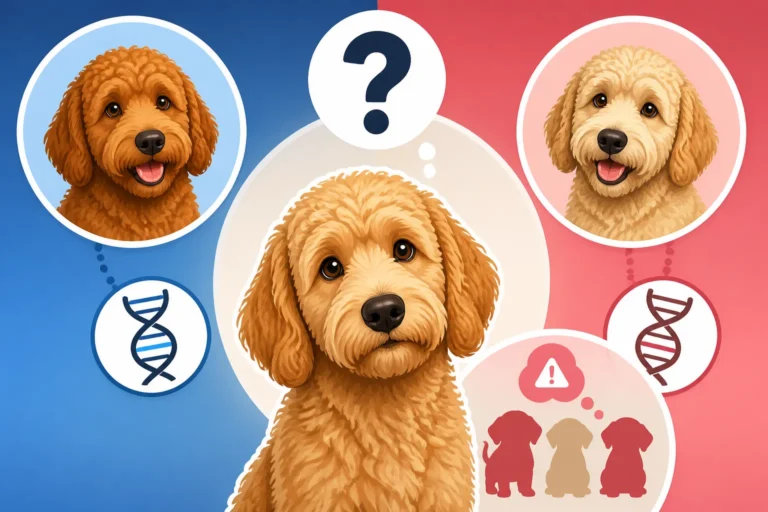
The goal here is simple: prevent passing on a potentially life-threatening condition to future generations. If a breeding dog tests as a "carrier" – meaning they carry one copy of the vWD gene but are unlikely to be affected themselves – they can still be responsibly bred, but only with a partner who has tested "clear" (meaning they don't carry the gene at all). This ensures that no puppies in the litter will inherit two copies of the gene and become "affected." Without this diligent testing, there's a significant risk of producing puppies who could face serious bleeding issues throughout their lives. This commitment to health testing, including tests like The prcd-PRA Test Both Labradoodle Parents Need, is a hallmark of a reputable breeder and truly adds years to a Labradoodle's life. It underscores why whether Health Tested Parents Add Years to a Labradoodle is an important consideration for any prospective owner.
When to Test Your Labradoodle
For pet owners who aren't planning to breed, the question often becomes, "When is the right time to test my Labradoodle for vWD?" The answer isn't always a one-size-fits-all, but there are definitely key moments and situations where testing becomes highly recommended, if not essential.
Firstly, if you are acquiring a Labradoodle puppy, always ask the breeder for proof of vWD testing on the parents. This is part of the comprehensive overview of The Health Tests a Labradoodle Breeder Should Show. If the parents are clear, your puppy is likely clear by parentage. If one parent is a carrier and the other is clear, your puppy might be a carrier but won't be affected. If testing wasn't done on the parents, or if you adopted a rescue Labradoodle whose history is unknown, then testing your dog directly becomes very important.
Perhaps the most critical time to test your Labradoodle is before any scheduled surgical procedure. This includes routine procedures like spaying or neutering, but also dental cleanings, tumor removals, or any other surgery where bleeding is a factor. Knowing your dog's vWD status beforehand allows your veterinarian to take crucial preventative measures. For example, if your dog tests as affected, your vet might administer specific medications like desmopressin (DDAVP) to temporarily increase vWF levels, or have blood products (like cryoprecipitate) on hand for transfusion, significantly reducing the risk of excessive bleeding during and after surgery. It’s better to be prepared than to discover a problem when your dog is already under anesthesia.
Beyond planned procedures, if you ever notice any of the subtle signs of bleeding mentioned earlier – persistent nosebleeds, excessive bruising, or prolonged bleeding from minor wounds – getting your Labradoodle tested for vWD should be a priority. While these symptoms could be indicative of other issues, ruling out a bleeding disorder like vWD is a crucial step in diagnosis. Even a seemingly minor injury that causes a dog to bleed longer after surgery could be a sign. Early diagnosis means you can work with your vet to create a management plan, potentially avoiding more serious complications down the line. Many pet insurance providers, like Healthy Paws, offer coverage that can significantly ease the financial burden if your Labradoodle requires special medical attention due to a condition like vWD.
Types of Von Willebrand's Testing Available
When it comes to figuring out your Labradoodle's Von Willebrand's status, there are two main types of tests that veterinarians and breeders rely on. Both offer valuable information, but they look at different aspects of the disease, and understanding the distinction is key to making informed decisions for your dog's health. It’s not just about getting "a test"; it’s about getting the right test for the specific information you need.
DNA Testing for vWD
For Type I Von Willebrand's Disease, which is the most prevalent form in breeds like the Poodle and, by extension, the Labradoodle, DNA testing is considered the gold standard. It's a game-changer because it directly identifies the specific genetic mutation responsible for the condition. Think of it like a definitive "yes" or "no" answer about whether the blueprint for vWD is present in your dog's genetic code.
The process for a DNA test is usually straightforward and minimally invasive. Often, it involves a simple buccal swab – basically, a fancy cotton swab rubbed gently on the inside of your dog's cheek to collect cells. Sometimes, a blood sample might be preferred or required by certain labs. This sample is then sent off to a specialized veterinary genetics laboratory, such as those run by Embark or Optimal Selection. These labs analyze the DNA to detect the presence or absence of the specific mutation for Type I vWD.
The results you'll get from a DNA test are crystal clear:
- Clear: This means your Labradoodle does not carry the vWD Type I mutation. They cannot develop the disease themselves, and they cannot pass it on to any offspring. This is the ideal result, especially for breeding animals.
- Carrier: Your Labradoodle has one copy of the vWD Type I mutation. Typically, carriers do not show symptoms of the disease because they have enough healthy von Willebrand factor produced from their other, non-mutated gene. However, they can pass the mutation on to about half of their offspring if bred. This is why it's crucial for carriers to only be bred with "clear" partners to ensure no "affected" puppies are produced.
- Affected: Your Labradoodle has two copies of the vWD Type I mutation. These dogs are at a significantly higher risk of experiencing bleeding episodes. They will pass the mutation on to all of their offspring.
A DNA test provides a definitive genetic status at any age and only needs to be done once in a dog's lifetime. For breeders, this information is invaluable for making responsible breeding decisions and improving the health of future generations. For pet owners, it offers critical foresight, allowing you and your vet to prepare for potential bleeding risks, especially before any surgeries or invasive procedures.
Von Willebrand Factor (vWF) Antigen Testing
While DNA testing tells us about the genetic potential for vWD, the vWF antigen test actually measures the amount of von Willebrand factor protein present in your dog's blood. This test is often performed as a diagnostic tool when a dog is already showing signs of a bleeding disorder, or sometimes as a secondary confirmation, especially if a DNA test isn't available or if there's concern about a type of vWD not covered by a standard DNA panel (though Type I is most common in Labradoodles).
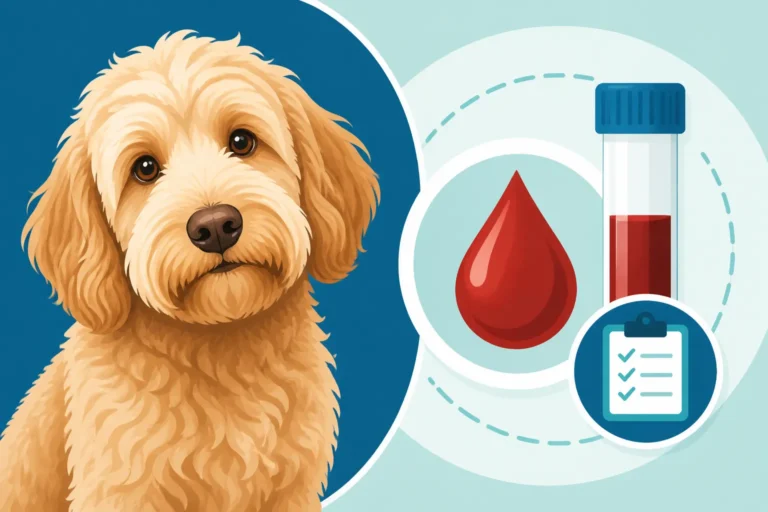
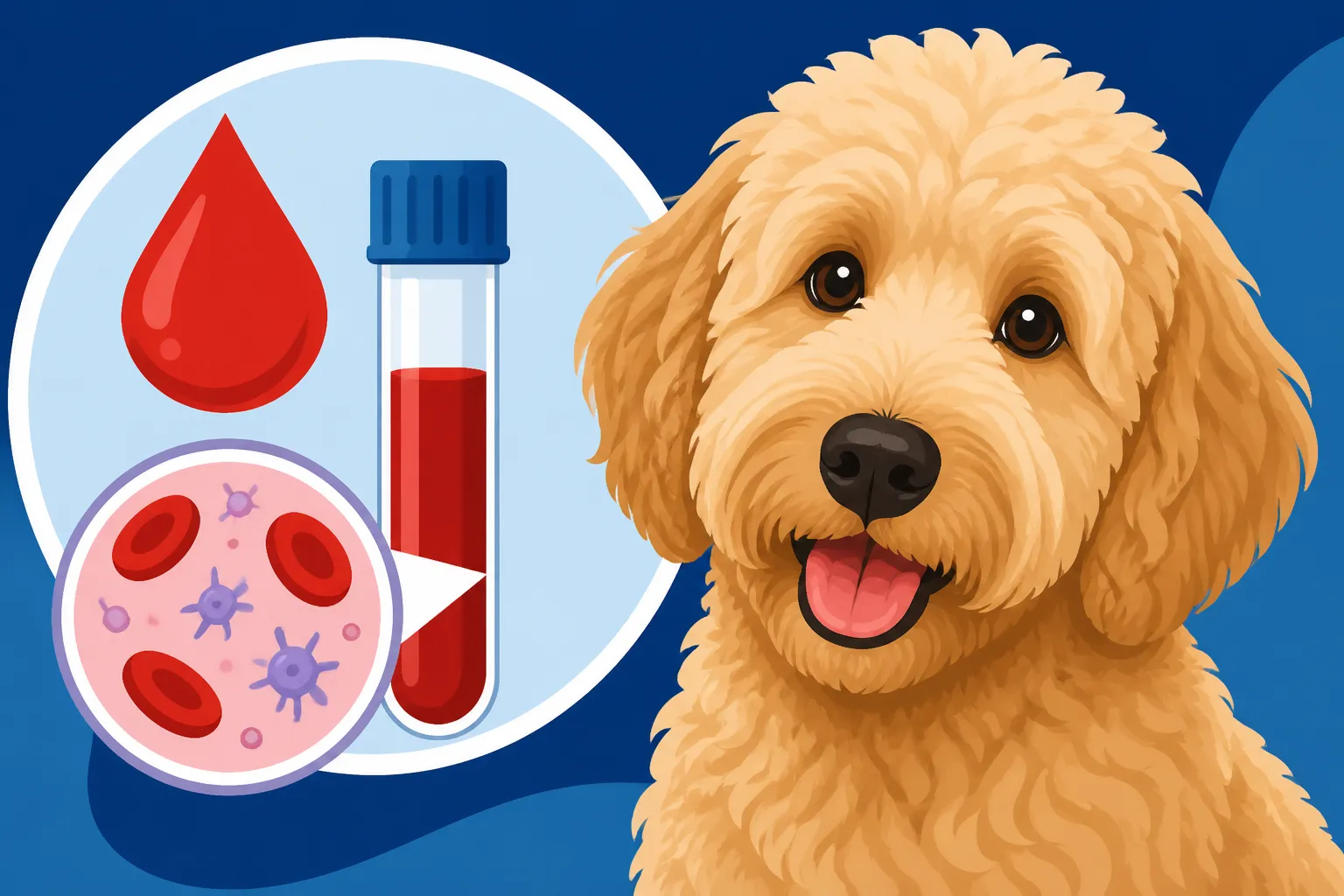
This is a blood test, where a sample is taken and sent to a lab to quantify the vWF protein. The results are usually presented as a percentage, indicating how much vWF is in the blood compared to normal levels. Dogs with Type I vWD will have reduced levels of vWF antigen.
However, interpreting vWF antigen test results can be a bit more nuanced than a DNA test. Several factors can temporarily influence vWF levels, including stress, inflammation, certain medications, or even recent exercise. This means a single vWF antigen test might not always provide a perfectly consistent picture. For instance, a dog might have a low level on one day, but a slightly higher level on another, simply due to external factors. This is why a low vWF antigen level might prompt a veterinarian to recommend a DNA test for confirmation, especially if the dog hasn't shown previous bleeding issues.
The vWF antigen test confirms if the actual protein is present and functional in sufficient quantities, which is different from merely identifying the genetic predisposition. For a Labradoodle scheduled for a procedure where bleeding is a concern, a vWF antigen test can give the vet an immediate snapshot of the dog's clotting ability at that moment, informing any necessary pre-operative interventions.
Here’s a quick overview to help you differentiate between the two:
| Feature | DNA Test (Type I vWD) | vWF Antigen Test (Bleeding Tendency) |
|---|---|---|
| Purpose | Detect specific genetic mutation | Measure actual vWF protein levels |
| Sample Type | Buccal swab or blood | Blood |
| Results Provided | Clear, Carrier, or Affected | Quantitative vWF percentage |
| When to Perform | Any age, one-time test; ideal for breeding decisions | Pre-surgery, or when bleeding is suspected |
| Information Gained | Definitive genetic status and future risk | Assessment of current clotting ability |
| Influencing Factors | None (gene is constant) | Stress, illness, medication can alter levels |
Interpreting Test Results and Managing Your Labradoodle
Getting your Labradoodle's Von Willebrand's Disease test results back can feel like a moment of truth. Whether you've been anxiously awaiting them or just doing your due diligence, understanding what those results mean is critical for providing the best possible care for your furry family member. It’s not just about the diagnosis; it’s about the action plan that follows.
Understanding "Clear," "Carrier," and "Affected"
Let's break down those results you might receive from a DNA test for vWD Type I:
-
Clear: This is the result every owner hopes for! If your Labradoodle tests as "clear," it means they do not have the specific genetic mutation for vWD Type I. They are not at risk of developing the disease, and they cannot pass it on to their offspring. You can breathe a sigh of relief regarding this particular bleeding disorder. This result often means that your dog has a lower risk for Von Willebrand's Bleeding in a Labradoodle, which is fantastic news.
-
Carrier: A "carrier" Labradoodle has inherited one copy of the vWD Type I mutation from one parent. The good news is that most carriers are clinically normal and will not exhibit symptoms of vWD themselves. They have enough healthy von Willebrand factor produced by their other, non-mutated gene to clot normally. However, the crucial part for carriers is that they can pass this single copy of the gene on to their puppies. If a carrier is bred with another carrier, there's a 25% chance that some puppies could be "affected" (inheriting two copies of the gene) and a 50% chance they'd also be carriers. This is why responsible breeding practices dictate that carriers should only be bred with "clear" partners, ensuring all offspring are either clear or carriers, but none are affected. For a pet Labradoodle, being a carrier typically doesn't impact their daily life or health, but it's important information for your vet, especially before surgeries.
-
Affected: If your Labradoodle tests as "affected," it means they have inherited two copies of the vWD Type I mutation, one from each parent. These dogs have significantly reduced levels of von Willebrand factor in their blood and are at a much higher risk of experiencing excessive bleeding. This might manifest as spontaneous nosebleeds, bruising, or dangerously prolonged bleeding after any injury or surgery. While an "affected" diagnosis can be concerning, it’s not a death sentence. It simply means proactive management and careful veterinary attention will be key throughout their life.
Living with a vWD Positive Labradoodle
If your Labradoodle receives a diagnosis of being affected by Von Willebrand's Disease, or even if they're a carrier and you want to be extra careful, proper management is paramount. The goal is to minimize risks and ensure they live a full, happy life without unexpected bleeding complications.
First and foremost, it's vital to have an open and detailed discussion with your veterinarian about the diagnosis. They'll help you develop a comprehensive care plan. Informing your vet about your Labradoodle's vWD status is critical before any procedure, no matter how minor. This includes routine vaccinations, nail trims, or even wound care. Knowing this information allows them to take necessary precautions, such as having blood products on standby or administering pre-operative medications like desmopressin to boost vWF levels temporarily. This preparation can make a huge difference, especially if your Labradoodle is going in for more involved procedures like a dental cleaning or a cruciate repair after a sudden skid, which can lead to Torn Cruciates in an Active Labradoodle.
You'll also want to be aware of certain medications that can worsen bleeding in vWD-affected dogs. Non-steroidal anti-inflammatory drugs (NSAIDs) like aspirin, ibuprofen, and even some common pain relievers can interfere with platelet function and should generally be avoided unless specifically prescribed and carefully monitored by your vet. Always check with your vet before giving your Labradoodle any over-the-counter medications.
On a day-to-day basis, general care should focus on preventing injuries. While you can't wrap your Labradoodle in cotton wool, being mindful during rough play, ensuring a safe home environment, and avoiding situations prone to cuts or scrapes can help. If your Labradoodle is very active and prone to bumps and bruises, discuss strategies with your vet.
It's also a smart idea to ensure you have a robust pet insurance policy in place. Companies like Healthy Paws can be a lifesaver for dogs with chronic or genetic conditions, helping to cover the costs of emergency care, specialized treatments, or even lifelong medications. Whether an Addisonian Labradoodle Needs an Emergency Plan, similarly applies to a dog with vWD – having financial and medical preparedness can alleviate a lot of stress during a crisis.
Living with a vWD positive Labradoodle is about being prepared, proactive, and having a strong partnership with your veterinarian. With proper care and awareness, these wonderful dogs can absolutely thrive, proving that a diagnosis is just a roadmap, not a limitation.
Disclaimer
Please remember that this article is intended for informational purposes only and does not substitute for professional veterinary advice. Always consult with a qualified veterinarian for any health concerns or before making any decisions about your Labradoodle's care, diagnosis, or treatment.