Whether a Labradoodle Should Rest After Eating
It’s a common worry for any dog parent: after your Labradoodle scarfs down their dinner with gusto, you immediately start wondering if that enthusiastic sprint around the yard or rough-and-tumble play session could lead to serious trouble. The concern about a dog exercising too soon after eating isn't just an old wives' tale; for breeds like the Labradoodle, it's a very real consideration tied to a life-threatening condition known as bloat. This guide will walk you through why it's so important for your Labradoodle to rest after eating and how to manage their activity to keep them safe and healthy.
Why the "Rest After Eating" Rule Exists for Dogs and Labradoodles in Particular
The idea that dogs need to settle down after a meal isn't just about good manners or digestion; it's primarily linked to the terrifying condition called Gastric Dilatation-Volvulus (GDV), more commonly known as bloat. This isn't just an upset stomach; it's an emergency that can quickly become fatal. For Labradoodles, with their Poodle heritage, this risk is particularly pertinent, making the post-meal rest period crucial.
The Anatomy of Bloat Risk
Bloat occurs when a dog's stomach fills with gas, food, or fluid, causing it to expand or "dilate." This distension alone is painful and dangerous, putting pressure on other organs and restricting blood flow. But the situation becomes even more critical if the stomach then twists upon itself, a condition called "volvulus." When this happens, blood supply to the stomach is cut off, and gas and fluids are trapped, leading to rapid tissue death and shock. The statistics are grim: even with immediate veterinary intervention, bloat can have a high mortality rate.
Breeds with deep, narrow chests are disproportionately affected by GDV. Think about the sleek, athletic build of a Standard Poodle, one of the Labradoodle's parent breeds. This body type contributes to what we call "The Deep Chest a Labradoodle Gets From the Poodle," making them more susceptible to their stomach twisting if it's distended and they engage in vigorous activity. Imagine a balloon tied at both ends; if it's full and then jostled aggressively, it's much more likely to twist than an empty one. That's a simplified, albeit impactful, way to visualize what happens inside your dog.
Common Triggers for GDV
While the exact causes of bloat are complex and multifactorial, several factors are consistently identified as increasing risk. Beyond breed predisposition, eating habits play a huge role. Eating one large meal a day instead of smaller, more frequent meals, eating very quickly, and, crucially, vigorous exercise before or after eating are all potential triggers. Stress can also be a factor, believe it or not.
Consider a typical scenario: your Labradoodle has just gulped down a large bowl of kibble. Their stomach is full. If they immediately go outside and start running, jumping, or rolling, that full stomach can swing and twist inside their abdominal cavity. It's like trying to run with a full water balloon in a shopping bag – the momentum and sudden movements can easily cause it to flip. This is why the "rest after eating" rule isn't just a suggestion; it's a vital preventative measure that could literally save your Labradoodle's life.
Understanding Gastric Dilatation-Volvulus GDV in Labradoodles
As we've touched upon, Gastric Dilatation-Volvulus, or bloat, is not something to take lightly. It's a medical emergency that requires immediate attention. For Labradoodle owners, understanding the specifics of this condition and how it manifests is crucial for early detection and intervention.
Recognizing the Signs a Labradoodle Is Bloating
Bloat can progress incredibly fast, sometimes within minutes. Being able to recognize the signs is paramount. The most common and often first noticeable symptom is a sudden distension of the abdomen, particularly on the left side, which may feel hard and taut. Your dog might look like they've swallowed a basketball. However, not all cases present with obvious swelling, especially in the early stages.
Other critical signs to watch for include:
- Restlessness and Pacing: Your Labradoodle might be unable to get comfortable, constantly shifting position.
- Non-productive Vomiting or Retching: This is a classic symptom. They look like they're trying to throw up, but nothing comes out, or only a small amount of foamy saliva. This indicates their stomach is blocked.
- Excessive Drooling: A sign of nausea and discomfort.
- Pain and Whining: They might vocalize their pain, especially if you try to touch their abdomen.
- Weakness or Collapse: As shock sets in, they may become lethargic, weak, and eventually collapse. Their gums might appear pale, and their heart rate could increase.
- Anxious Expression: Their eyes might convey a sense of panic and extreme discomfort.
If you ever see these signs in your Labradoodle, especially after a meal or vigorous activity, do not wait. This is a severe emergency. Every minute counts. Get them to an emergency veterinary clinic immediately. Don't try to "wait and see" or give home remedies.
The Genetic Predisposition from Parent Breeds
When we talk about "Bloat Risk in a Standard Poodle Bred Labradoodle," it's important to remember that both parent breeds contribute to the Labradoodle's overall health profile. The Labrador Retriever, while generally sturdy, can also be prone to bloat, especially larger individuals. However, the Standard Poodle's deep chest and generally active nature are often cited as the primary reason Labradoodles carry a heightened risk.
It’s not just about the chest shape, though. There are other potential genetic factors at play that researchers are still trying to fully understand. Certain familial lines within Poodles and Labradors might carry a higher predisposition. This means that even if your Labradoodle isn't particularly deep-chested, they can still be at risk. It underscores the importance of discussing your dog's ancestral health history with your breeder and being vigilant regardless.
Preventive Measures and Veterinary Intervention
While immediate veterinary care is crucial if bloat occurs, prevention is always the best strategy. For many owners of at-risk breeds, a preventive surgical procedure called a gastropexy is often considered. A gastropexy involves surgically attaching the stomach to the abdominal wall, preventing it from twisting. It doesn't prevent the stomach from dilating with gas, but it eliminates the life-threatening volvulus component. This procedure is often done at the same time as a spay or neuter, but can also be performed later in life. If you're wondering "Whether a Labradoodle Should Have a Preventive Gastropexy," it's definitely a conversation to have with your vet, especially if your dog has a high-risk profile or family history.
Regular check-ups are also key. Your vet can help you assess your Labradoodle's individual risk factors and offer tailored advice. Consider investing in pet insurance from providers like Healthy Paws. While no one wants to think about their dog having an emergency, having coverage can alleviate the financial stress if your Labradoodle ever needs emergency surgery for bloat or other unexpected health issues, allowing you to focus purely on their care.
Practical Guidelines for Post-Meal Activity
Knowing the risks is one thing; putting practical, actionable steps into practice is another. Ensuring your Labradoodle rests after eating is one of the most straightforward ways to mitigate the risk of bloat. But what does "rest" really mean, and for how long?
Recommended Rest Periods After Meals
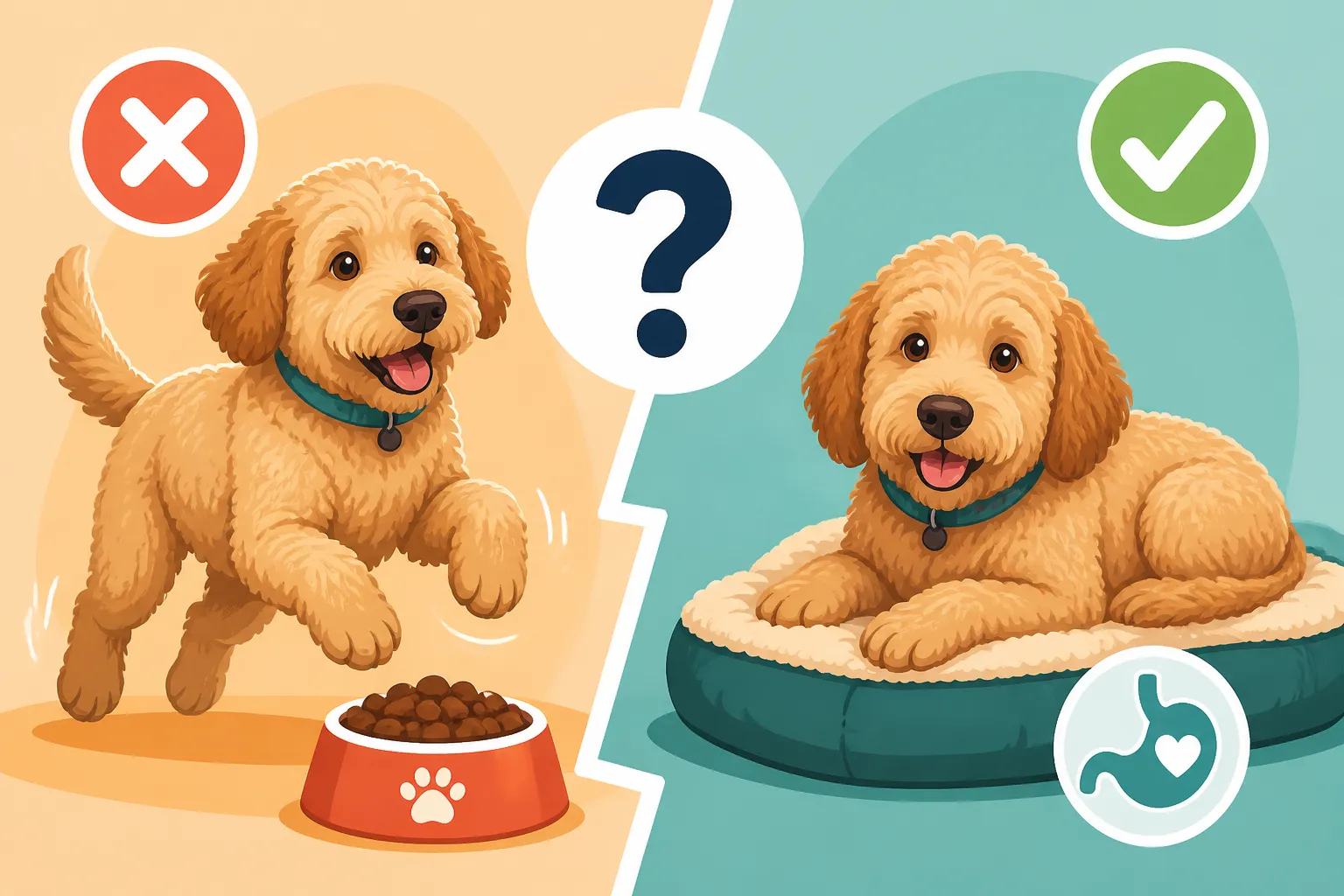
The general recommendation for most dogs, especially those prone to bloat, is to restrict vigorous activity for at least one hour before eating and at least one to two hours after eating. For a Labradoodle, given their higher risk profile, extending that post-meal rest period to two or even three hours is often advised.
During this time, "rest" means calm activity. A gentle potty break on a leash is fine. A leisurely stroll around the block is probably okay if your dog isn't pulling or darting. But anything that involves running, jumping, intense play, training, or roughhousing is definitely out. This includes chasing balls, wrestling with other dogs, or even extended walks where they might suddenly bolt after a squirrel. Think of it as their "siesta" time.
Recommended Post-Meal Activity Restrictions for Labradoodles
| Activity Type | Before Meal | After Meal (1-3 hours) | Risk Level for Bloat |
|---|---|---|---|
| High-Impact Exercise | Avoid for 1 hour | Absolutely Avoid | High |
| (Running, Jumping, Sprinting, Intense Play) | |||
| Moderate Exercise | Avoid for 30 mins | Discourage | Medium |
| (Brisk walking, Fetch with short bursts) | |||
| Low-Impact Activity | Generally Okay | Supervise | Low |
| (Leashed potty breaks, Gentle strolling) | |||
| Rest & Relaxation | No Restriction | Highly Recommended | Very Low |
| (Napping, Quiet chewing, Cuddling) |
It's about creating a consistent routine. If your Labradoodle knows that after breakfast or dinner comes a period of quiet time, they'll often adapt. This might mean crating them for a bit, providing a puzzle toy that encourages calm engagement rather than frantic activity, or simply having them settle near you while you relax.
Managing a Labradoodle's Energy Levels
Labradoodles are known for their lively and affectionate personalities, and they do have energy to burn. This can make the post-meal rest period a challenge, especially for younger dogs or those who are particularly active. It’s a common complaint to hear about "The Ten Month Old Labradoodle That Forgets Everything" – including those good manners around meal times!
- Pre-Meal Exercise: The best way to manage their energy after eating is to ensure they've had sufficient exercise before their meal. A good long walk, a solid play session, or some mentally stimulating training before dinner can tire them out enough that they are more inclined to relax afterward. This way, they're not bursting with pent-up energy when their stomach is full.
- Mental Stimulation: Don't forget that mental exercise can be just as tiring as physical exercise. Engage their brains with puzzle feeders (which also slow down eating, a bonus!), training sessions that focus on obedience commands, or scent work games. These activities can satisfy their need for engagement without the physical exertion that could trigger bloat.
- Consistent Routine: Dogs thrive on routine. If your Labradoodle learns that mealtime is followed by quiet time, they will be much more likely to cooperate. Establish a clear "wind-down" period after eating. This could involve settling on their bed with a safe chew toy or simply enjoying some quiet time by your side.
Remember, this isn't about punishing your dog; it's about protecting them. A few hours of calm can prevent a lifetime of regret.
Beyond Rest: Comprehensive Bloat Prevention Strategies
While post-meal rest is a cornerstone of bloat prevention for Labradoodles, it's just one piece of a larger puzzle. A holistic approach to managing your Labradoodle's risk involves several other key considerations, from their diet to their overall lifestyle.
Dietary and Feeding Habits
How and what your Labradoodle eats can significantly impact their bloat risk.
- Smaller, More Frequent Meals: Instead of feeding one large meal a day, break your Labradoodle's daily food allowance into two or three smaller meals. This prevents the stomach from becoming overly distended at any one time.
- Slow Down Eating: Many Labradoodles are enthusiastic eaters, inhaling their food in minutes. Eating too quickly can lead to gulping air along with food, contributing to gas buildup in the stomach. Invest in a slow feeder bowl or a puzzle feeder. These bowls have obstacles that force your dog to eat around them, significantly slowing down their intake. If you're concerned about "Whether a Labradoodle Eats Too Fast" or "Whether a Slow Feeder Cuts a Labradoodle's Bloat Risk," these tools are highly recommended.
- Avoid Raised Bowls: While once thought to prevent bloat, recent studies suggest that raised feeding bowls might actually increase the risk, especially in large and giant breeds. The exact reasons aren't fully understood, but it's now generally recommended to feed your Labradoodle from a bowl on the floor. If you've been using one, consider changing it, especially if you've wondered "Whether a Raised Bowl Suits a Deep Chested Labradoodle."
- Water Intake: Ensure your Labradoodle always has access to fresh water, but try to prevent them from gulping large quantities immediately before or after a meal, which can also contribute to stomach distension. Offer smaller amounts more frequently.
- Food Quality: While there's no definitive proof that specific food ingredients cause bloat, a high-quality, balanced diet is always recommended for overall health. If you're considering "When a Labradoodle Switches to Adult Food," ensure the transition is gradual and the adult formula meets their nutritional needs.
Lifestyle and Emergency Preparedness
Beyond feeding and exercise, your Labradoodle's general lifestyle and your preparedness plan are important.
- Stress Management: High levels of stress or anxiety can affect a dog's digestive system. Try to minimize stressful situations for your Labradoodle, especially around meal times. A calm, predictable environment is always best.
- Regular Veterinary Check-ups: Regular vet visits are essential for monitoring your Labradoodle's overall health and discussing any concerns. Your vet can provide personalized advice on bloat prevention and discuss options like prophylactic gastropexy. This is part of "The Yearly Screening a Labradoodle Should Get" to ensure they stay healthy into their golden years.
- Knowing the Emergency Plan: Despite all preventative measures, bloat can still happen. Have an emergency plan in place. Know the location and phone number of the nearest 24-hour emergency veterinary clinic. Time is of the essence if your Labradoodle starts showing signs of bloat. This knowledge can be critical, as "The Signs a Labradoodle Is Bloating" demand immediate action.
- Pet Insurance: The cost of emergency bloat surgery can be staggering. We're talking thousands of dollars. Having pet insurance can provide immense peace of mind. Policies from reputable providers like Healthy Paws can cover a significant portion of these unexpected emergency bills. When looking into "Insuring a Labradoodle Against Bloat," ensure your chosen policy offers comprehensive coverage for emergency procedures and genetic predispositions. Knowing that your dog is covered for potential issues like bloat can help you make decisions based on their best interest, not just your wallet. It's an investment in "Keeping a Labradoodle Sound Into Its Teens." In a bloat emergency, "What Emergency Bloat Surgery Costs a Labradoodle Owner" can be astronomical, and pet insurance can literally be a lifesaver for both your dog and your finances.
By combining careful feeding practices, mindful post-meal management, and proactive discussions with your veterinarian, you can significantly reduce your Labradoodle's risk of bloat and ensure they live a long, happy, and healthy life.
Disclaimer
This guide is intended for informational purposes only and does not constitute veterinary advice. Always consult with a qualified veterinarian for any health concerns or before making any decisions about your Labradoodle's care or treatment.