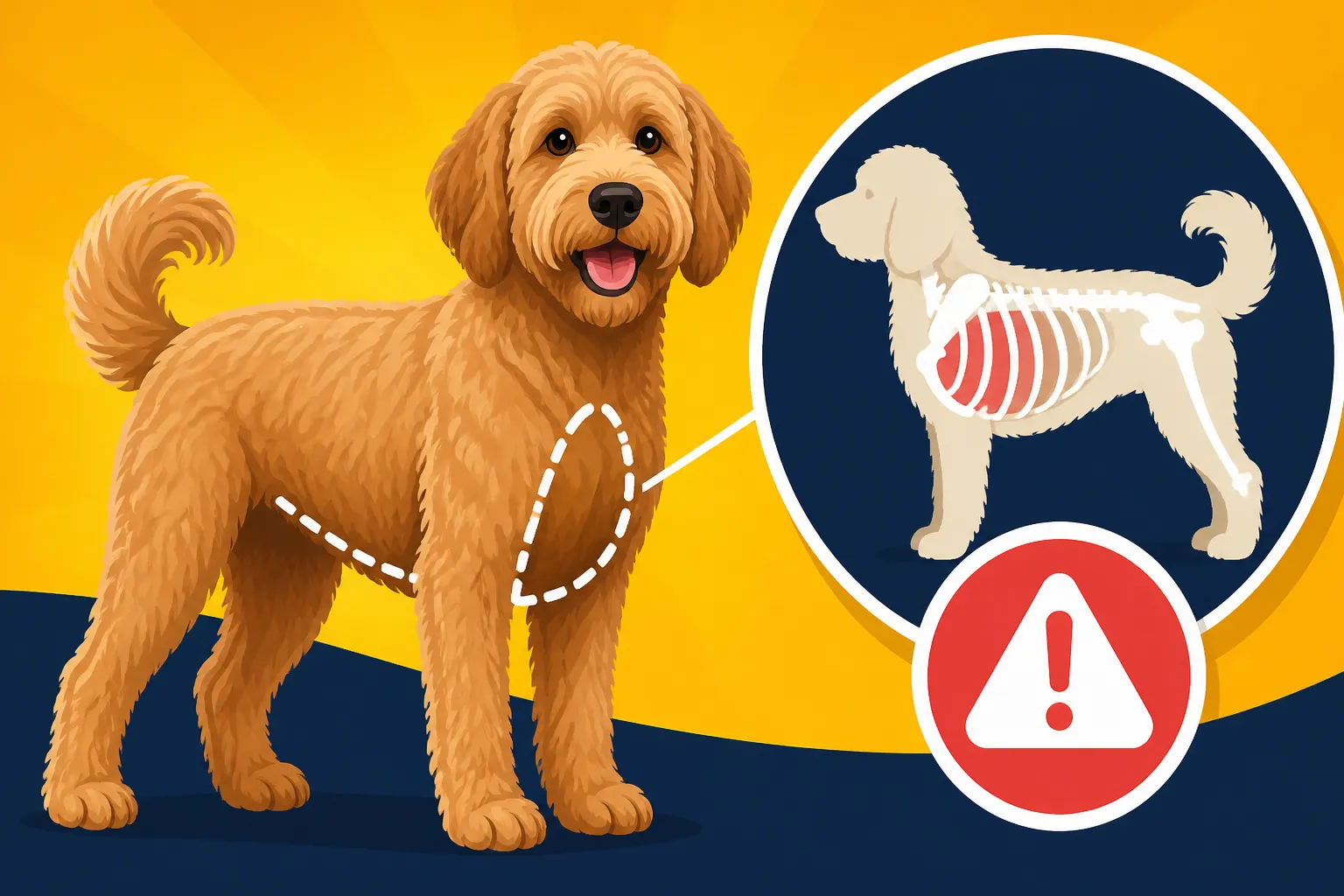
The Chest Shape That Puts a Labradoodle at Bloat Risk
It's a heartbreaking reality that many Labradoodle owners worry about the silent, swift killer known as bloat. This isn't just a simple upset stomach; it's a life-threatening emergency that can strike without much warning, often leaving pet parents feeling helpless and unprepared. Understanding the specific anatomical predispositions, like the chest shape that puts a Labradoodle at bloat risk, is absolutely crucial for protecting our furry family members. This guide will meticulously break down what bloat is, why Labradoodles are particularly susceptible, and, most importantly, how you can arm yourself with knowledge and preventative measures to keep your beloved companion safe.
Understanding Bloat in Labradoodles Gastric Dilatation-Volvulus
Bloat, medically known as Gastric Dilatation-Volvulus (GDV), is one of the most terrifying emergencies a dog owner can face. It's not something to take lightly; every minute counts when it strikes. Many owners are vaguely aware of it but don't truly grasp the mechanics of what happens inside their dog's body, or why certain breeds, like our wonderful Labradoodles, might be more prone to it. This isn't just an "old dog" problem, either; it can affect dogs of all ages.
What Exactly Is Bloat?
Imagine your dog's stomach. In a normal situation, it fills with food and water and then empties fairly quickly. With bloat, the stomach first fills abnormally with gas, food, or fluid, causing it to distend like an overinflated balloon. This initial stage is known as gastric dilatation. It's incredibly painful and puts immense pressure on other organs, impeding blood flow. The real danger, however, comes if the distended stomach then twists on its axis, a process called volvulus. This twist effectively cuts off both the entrance and exit of the stomach, trapping everything inside. It also obstructs major blood vessels, leading to shock and rapid tissue death.
The speed at which this can happen is astonishing. One minute your Labradoodle might seem fine, maybe just a little restless, and the next they could be in severe distress. It's a cruel condition because it progresses so quickly, and the internal damage begins almost immediately once the stomach twists. Without intervention, the consequences are almost always fatal. This is why immediate recognition and veterinary care are non-negotiable.
The Immediate Danger
Once the stomach twists, the clock starts ticking. The pressure inside the stomach prevents blood from returning to the heart, leading to a dangerous drop in blood pressure and organ damage. The stomach tissue itself, cut off from its blood supply, begins to die. Toxins build up and release into the bloodstream, triggering widespread inflammation and potentially arrhythmia (irregular heartbeat), which can lead to cardiac arrest. Even with prompt surgical intervention, the risk of complications, including heart issues and peritonitis (inflammation of the abdominal lining), remains significant.
The survival rate for GDV is heavily dependent on how quickly veterinary care is sought. Delays of even a few hours can drastically reduce the chances of a positive outcome. This is why it's not enough to simply know about bloat; you need to understand the signs and have a plan of action ready. It's a scenario that every Labradoodle owner should mentally rehearse, hoping they never have to use it.
The Role of Chest Shape in Bloat Risk
One of the most significant risk factors for bloat is a dog's physical build, particularly the shape of their chest. While Labradoodles are a mixed breed, they inherit characteristics from both the Labrador Retriever and the Poodle, and it's the Poodle side that often contributes to their increased susceptibility to GDV. It's not about being "fat" or "thin," but about the actual skeletal structure.
The Deep, Narrow Chest Conundrum
Many Labradoodles, especially those with more Poodle influence or larger standard sizes, tend to inherit the Poodle's classic deep-chested conformation. This means their chest cavity is relatively long and narrow, rather than broad and barrel-like. Think of it like a long, thin cylinder. This anatomical design provides more "room" for the stomach to distend and, crucially, to swing or twist. In contrast, a dog with a broad, compact chest has less space for this kind of movement, making torsion less likely.
This isn't a flaw in their design, per se; it's just a characteristic that, unfortunately, carries an elevated risk for a specific medical condition. Breeders are often aware of this predisposition, especially when considering the lineage and conformation of their breeding dogs. Understanding this genetic link helps explain why some Labradoodles might be more at risk than others, even within the same litter, based on which parent's physical traits they inherit more strongly. We delve into this further in The Deep Chest a Labradoodle Gets From the Poodle.
Why This Shape Matters for Labradoodles
The deep and narrow chest creates a perfect storm for bloat. When the stomach fills with gas, it expands. In a dog with a deep chest, there's more vertical space for this expansion to occur, and less lateral stability to hold the stomach in place. This increased mobility means that during periods of activity, vigorous play, or even just rolling around, the distended stomach has a higher chance of rotating or twisting. Imagine trying to spin a football versus a basketball in a confined space—the longer, narrower object (the football, representing the stomach in a deep chest) has more potential for an uncontrolled rotation.
This physical predisposition is a primary reason why Labradoodles are often listed among breeds at higher risk for GDV. While no dog is entirely immune, those with this particular build require extra vigilance from their owners. It's not about blaming their genetics, but rather acknowledging this inherited trait and taking proactive steps to mitigate the danger. This awareness allows us to be better, more informed caregivers for our wonderful companions.
Other Factors Contributing to Bloat Risk
While chest conformation is a major player, it's rarely the only factor involved in a bloat episode. Bloat is often a multifactorial condition, meaning several elements can combine to increase a Labradoodle's susceptibility. Understanding these additional triggers empowers owners to make informed choices about their dog's daily routine and care.
Eating Habits and Exercise
The way your Labradoodle eats and exercises around meal times can significantly impact their bloat risk. Dogs who eat very quickly, gulping down food and air, are at higher risk. The swallowed air can contribute to gastric distention, setting the stage for a twist. Similarly, feeding one large meal a day rather than two or three smaller ones means a greater volume of food is in the stomach at any given time, making it heavier and more prone to torsion. Using a raised bowl, contrary to some popular beliefs, has actually been linked to an increased risk of bloat in some studies, though the science isn't entirely settled. However, it's generally advised that dogs prone to bloat eat from ground level.
Furthermore, strenuous exercise immediately before or after eating is a known risk factor. High-impact activities, running, or even vigorous play when the stomach is full can cause it to jostle and twist. Think about how uncomfortable you'd be doing jumping jacks right after a huge meal – it’s a similar, but far more dangerous, principle for dogs. It's crucial to give your Labradoodle a quiet resting period of at least an hour before and after meals. You can read more about this in Whether a Labradoodle Should Rest After Eating.
Genetics and Temperament
Beyond the deep chest, there are other genetic components that might predispose a Labradoodle to bloat. A family history of bloat in a dog's lineage can elevate their individual risk. If a parent or sibling has experienced GDV, it's wise to consider your Labradoodle at a higher genetic risk. This emphasizes the importance of knowing your dog's ancestry and asking breeders about bloat incidences in their lines.
Interestingly, temperament can also play a subtle role. Anxious, fearful, or highly excitable dogs may be more prone to stress-induced physiological changes that contribute to bloat. While not a direct cause, chronic stress can affect gut motility and overall digestive health. A Labradoodle's often joyful and energetic nature is part of their charm, but a highly excitable dog that becomes overly worked up around meal times or during play might be inadvertently increasing their own risk. It's all about finding that calm balance in their daily routine.
Recognizing the Signs of Bloat
One of the biggest challenges with bloat is that the early signs can be subtle and easily mistaken for general discomfort or a mild tummy ache. However, the progression from subtle to severe can be incredibly rapid. Knowing exactly what to look for, even the smallest changes, is paramount. This vigilance could mean the difference between life and death for your Labradoodle. We cover this in more detail in The Signs a Labradoodle Is Bloating.
Subtle Early Indicators
Initially, your Labradoodle might just seem restless or uncomfortable. They might pace, unable to settle, or repeatedly try to vomit without actually bringing anything up (non-productive retching). This non-productive retching is a classic early sign and should never be ignored. They might also appear bloated in the abdominal area, especially on the left side, though this can sometimes be hard to discern in very furry dogs or early on. Other signs include excessive drooling, licking their lips repeatedly, or looking anxiously at their abdomen. They might refuse to lie down or act unusually quiet and withdrawn.
These signs, individually, might not seem alarming. A dog paces or licks their lips for many reasons. But when several of these behaviors occur together, especially after a meal or exercise, they should immediately trigger concern. This is where your intimate knowledge of your Labradoodle's normal behavior becomes your most powerful tool. Any deviation from their usual happy-go-lucky self, combined with these subtle physical cues, warrants immediate attention.
Emergency Symptoms
As bloat progresses, the symptoms become far more severe and unmistakable, indicating a dire emergency. The abdomen will become visibly distended and hard to the touch, often resembling a drum. Your Labradoodle will likely exhibit signs of intense pain, whimpering, groaning, or collapsing. Their gums might become pale or bluish, indicating poor circulation and shock. Their breathing will be rapid and shallow, and their heart rate will accelerate. They may try to get comfortable by lying in unusual positions, like with their front end down and rear end up.
At this stage, your dog is in critical condition and experiencing severe shock. Time is of the essence. Do not wait to see if it improves; head straight to the nearest emergency veterinary clinic. Every minute that passes increases the risk of irreversible damage and decreases the chances of survival. This is not a situation where home remedies or waiting until morning will ever be an option.
Prevention Strategies for Labradoodle Owners
Knowing the risks is one thing; actively working to prevent bloat is another. As a Labradoodle owner, you have several powerful tools at your disposal to reduce the likelihood of this terrifying condition impacting your furry friend. It's about a combination of mindful care and, in some cases, medical intervention.
Dietary Adjustments and Feeding Practices
One of the most effective ways to prevent bloat is by carefully managing your Labradoodle's eating habits. Instead of feeding one large meal a day, break their daily food allowance into two or three smaller meals. This reduces the amount of food and gas in the stomach at any one time. Consider using a slow-feeder bowl or placing a large, non-swallowable rock in their regular bowl to encourage slower eating. This helps prevent them from gulping down air with their food.
Ensure your dog has fresh water available at all times, but avoid allowing them to drink large quantities of water immediately after eating. Similarly, avoid strenuous exercise for at least an hour before and after meals. Opt for a calm rest period. Some studies suggest that moistening dry kibble may also help, as it can reduce the amount of water a dog gulps down immediately after eating. Whether a Raised Bowl Suits a Deep Chested Labradoodle is a good article to review if you're using one. Additionally, choosing a high-quality dog food with meat meal listed as one of the first ingredients, rather than ingredients high in fat or citric acid, may also contribute to prevention, though research in these areas is ongoing.
Surgical Prevention: Gastropexy
For Labradoodles at high risk of bloat, a preventive surgical procedure called gastropexy can be a lifesaver. This procedure involves permanently tacking the stomach to the abdominal wall, preventing it from twisting. While it doesn't prevent the stomach from distending with gas (gastric dilatation), it effectively stops the far more dangerous volvulus (twisting), which is the life-threatening part of GDV. This means that if a dog with a gastropexy still bloats, it's typically a less severe, non-surgical emergency that can be resolved with decompression.
Many owners choose to have a gastropexy performed at the same time their Labradoodle is spayed or neutered, as it requires general anesthesia. This combined approach minimizes the number of surgical procedures and recovery times. It's a decision to discuss thoroughly with your veterinarian, weighing the risks and benefits for your individual dog. For a deep-chested Labradoodle with a family history of bloat, a preventive gastropexy can provide immense peace of mind. Read more about this option in Whether a Labradoodle Should Have a Preventive Gastropexy. Reputable pet insurance providers, like Healthy Paws, often cover necessary surgical procedures, including preventive gastropexy if recommended by a vet for high-risk breeds, which can alleviate some financial stress for pet owners.
What to Do if You Suspect Bloat
Suspecting bloat is one of the most frightening moments an owner can experience. The key here is not to hesitate. Your swift action is the single most critical factor in your Labradoodle's survival. Remember, this is an emergency, not a "wait and see" situation.
Acting Fast is Crucial
If you observe any of the early or emergency signs of bloat in your Labradoodle, your immediate priority is to get them to an emergency veterinary clinic. Do not attempt to treat it at home, induce vomiting, or offer food or water. These actions can actually worsen the situation. Call ahead to the clinic while you are on your way to alert them to your arrival and the suspected condition. This allows them to prepare their team and equipment for immediate intervention.
Remember, the goal is to get your dog seen by a vet within minutes, not hours. Drive safely but quickly. Having a plan in place, knowing the location and contact number of the nearest 24-hour emergency vet, is vital. This is not the time to be fumbling through your phone for numbers or directions. In moments of panic, having this information readily accessible can make all the difference. Knowing What Emergency Bloat Surgery Costs a Labradoodle Owner can also help you prepare financially, or at least be aware of the potential expenses, and having insurance like Healthy Paws can be a tremendous help in these situations.
Preparing for an Emergency
Beyond knowing where to go, consider what you can do to make the journey and initial assessment smoother. Keep your Labradoodle calm and comfortable as much as possible, but prioritize getting them to care. Have a large towel or blanket ready to help lift them if they are in too much pain to walk. If you have another person with you, one can drive while the other monitors your dog.
It's also a good idea to have some form of financial preparedness for emergencies. Pet insurance, such as a comprehensive plan from Healthy Paws, can be invaluable for covering the substantial costs associated with bloat surgery and post-operative care. While nobody wants to think about their dog being in such a crisis, having these practical preparations in place can significantly reduce stress and improve outcomes when the unthinkable happens. Regular vet check-ups, as outlined in The Yearly Screening a Labradoodle Should Get, can also keep you informed about your dog's general health and any pre-existing conditions.
Here's a quick comparison of common bloat risk factors:
| Risk Factor | Description | Labradoodle Relevance | Mitigation Strategy |
|---|---|---|---|
| Deep, Narrow Chest | Thoracic conformation with more vertical than horizontal depth. | Inherited from Poodle lineage, common in standard and medium Labradoodles. | Be aware, consider preventive gastropexy, manage other risk factors diligently. |
| Rapid Eating | Gulping food quickly, often swallowing excessive air. | Common in many breeds, especially those with high food drive (like Labradors). | Use slow-feeder bowls, scatter feeding, or large obstacles in the bowl. |
| Single Large Meal | Consuming the entire daily caloric intake in one sitting. | Puts a large volume of food in the stomach at once. | Divide daily food into 2-3 smaller meals. |
| Vigorous Exercise Post-Meal | Running, jumping, or intense play immediately after eating. | Active breeds like Labradoodles enjoy play, but timing is crucial. | Ensure at least 1 hour of rest before and after meals. |
| Genetic Predisposition | Family history of bloat. | Check breeder information and pedigree for bloat incidences. | Discuss with your vet, consider preventive measures if family history exists. |
| Anxiety/Stress | High levels of stress or excitability. | Some Labradoodles can be anxious or highly sensitive; stress can affect digestion. | Create a calm environment, especially around meal times; consistent training to manage excitability. |
| Age | Risk generally increases with age, especially in middle-aged to senior dogs. | While it can affect any age, older Labradoodles should be monitored closely. Consider What a Labradoodle Owner Should Watch For After Eight. | Maintain preventative measures throughout life, be extra vigilant in senior years. |
| Drinking Large Volumes Post-Meal | Gulping a lot of water right after eating. | Can contribute to stomach distention. | Offer smaller amounts of water more frequently, or wait 15-30 minutes after meals. |
Disclaimer
This article is intended for informational purposes only and does not constitute veterinary advice. Always consult with a qualified veterinarian for any health concerns or before making any decisions about your Labradoodle's medical care. In the event of a suspected bloat emergency, seek immediate veterinary attention.