Whether a Labradoodle Needs Medicated Baths
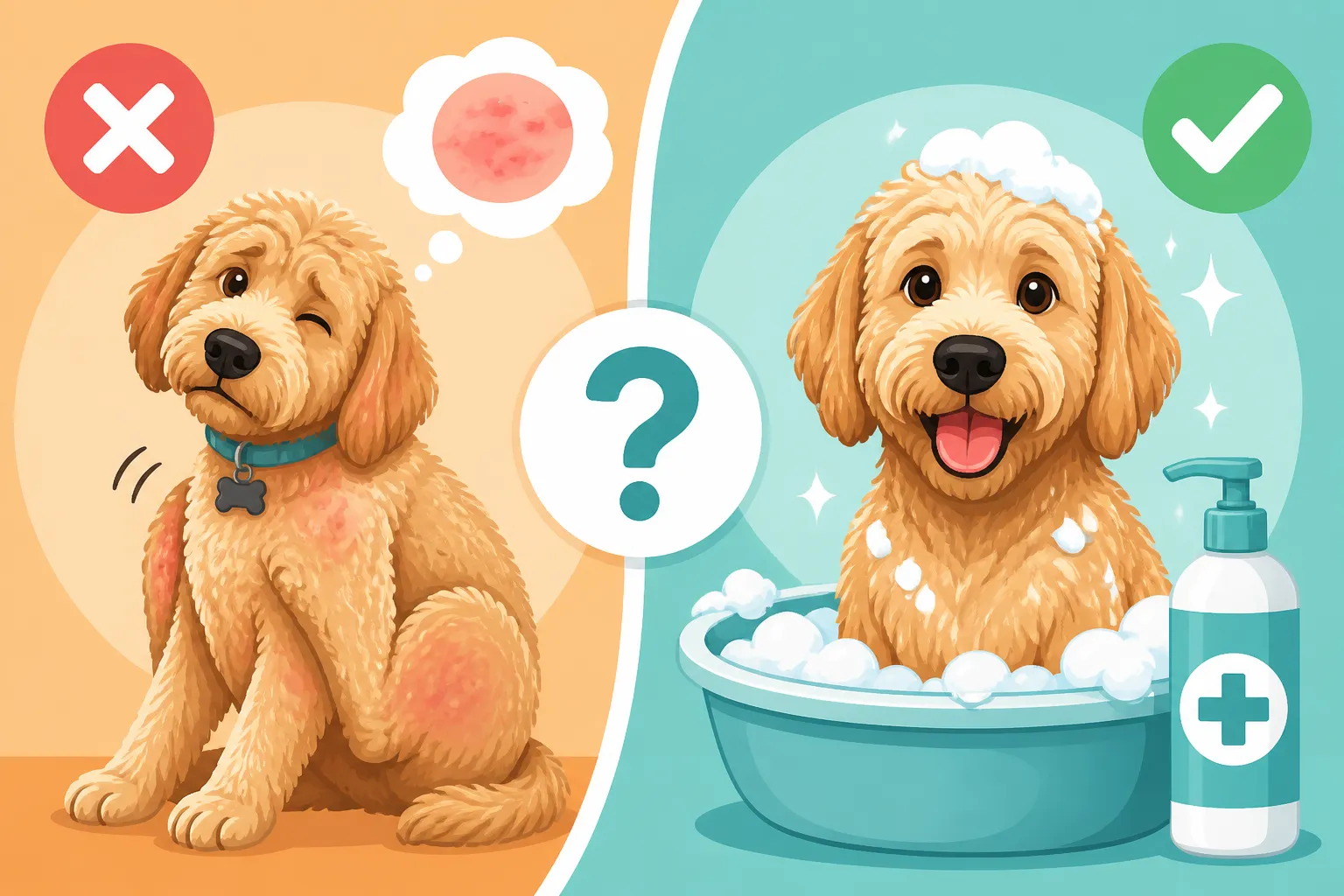
It can be incredibly disheartening, not to mention downright frustrating, when your beloved Labradoodle just won't stop scratching. You've tried different foods, endless brushing, and maybe even a few over-the-counter remedies, but that persistent itch, redness, or even a strange odor just keeps coming back. This guide is here to walk you through why your Labradoodle might need medicated baths, how they work, and what you can do to finally bring some relief to their irritated skin.
Understanding Common Labradoodle Skin Issues
Labradoodles are wonderful dogs, but their luxurious coats and often sensitive skin can make them prone to a range of dermatological woes. It’s not just an aesthetic issue; persistent skin problems can severely impact your dog's quality of life, leading to discomfort, pain, and even behavioral changes. Understanding the root cause is the first step toward effective treatment.
Allergies as a Primary Culprit
One of the most frequent reasons a Labradoodle might be scratching incessantly is allergies. Just like people, dogs can suffer from various allergic reactions, and these often manifest on the skin. It’s a common frustration for many owners, watching their dog scratch and chew themselves raw.
You might be dealing with environmental allergies, also known as atopy. This is an inherited predisposition to develop allergic reactions to common substances in the environment, such as pollen, dust mites, mold spores, or even certain grasses. If your Labradoodle gets itchy seasonally, or seems worse after rolling in a particular patch of grass, environmental allergies could very well be the culprit. These allergies can lead to red, inflamed skin, especially on the paws, belly, armpits, and around the face. They can also contribute to recurrent ear infections, with your dog shaking their head and scratching at their ears constantly. For a deeper dive into this, you might find our article on Allergies Behind a Labradoodle's Itching really helpful.
Then there are food allergies, though these are less common than environmental ones. If your Labradoodle's itching is year-round and doesn't seem to correlate with seasonal changes, food could be a factor. Symptoms can be similar to environmental allergies, but often include gastrointestinal upset like vomiting or diarrhea. Identifying a food allergy usually involves a strict elimination diet under veterinary guidance, which can be a long and challenging process for devoted owners.
Yeast and Bacterial Overgrowth
Allergies, moisture, or even just the unique density of a Labradoodle's coat can create the perfect storm for secondary skin infections. These infections often compound the original itching, making your dog even more miserable and leaving you feeling helpless.
Yeast infections, specifically caused by the Malassezia pachydermatis yeast, are incredibly common in Labradoodles, especially in warm, moist areas like ear canals, paw pads, skin folds, and even overall under the dense coat. If your Labradoodle has a strong, pungent, often sickly-sweet or cheesy odor, or if their skin looks greasy, red, and perhaps even thickened and darker (sometimes called "elephant skin"), a yeast overgrowth is highly probable. It's a truly unpleasant smell that can permeate your home, adding to the frustration. The itching from yeast is intense, and dogs will often rub themselves raw trying to get relief. Our article Yeast Trapped Under a Labradoodle's Coat offers more insights into this specific issue.
Bacterial infections, or pyoderma, are another frequent secondary invader. When the skin barrier is compromised by scratching, allergies, or other irritations, bacteria (often Staphylococcus) can take hold. You might see small red bumps, pustules, crusts, scabs, or even patches of hair loss. These can be acutely itchy and painful. Hot spots, those rapidly developing, moist, red, and painful lesions, are a classic example of acute bacterial skin infections often triggered by intense scratching or licking. The cycle of itching, scratching, and infection can feel endless, and it’s a major reason why medicated baths become a crucial part of the treatment plan.
Other Dermatological Concerns
While allergies and secondary infections are the most common culprits, it’s worth noting that other dermatological issues can affect Labradoodles. It's vital not to self-diagnose, as proper treatment hinges on an accurate diagnosis from your veterinarian.
For instance, some Labradoodles can suffer from Sebaceous Adenitis, an inflammatory disease of the sebaceous glands. This condition often results in progressive hair loss, scaling, and a dull, dry coat. It’s a rarer but serious condition that requires a specific diagnostic approach, usually a skin biopsy. You can learn more about this in our detailed post, Sebaceous Adenitis in a Labradoodle's Skin.
Other less common issues include parasitic infestations like demodex mites, ringworm (a fungal infection, despite its name), or even autoimmune skin diseases. The key takeaway here is that while medicated baths can be incredibly effective for many skin conditions, they are most successful when tailored to a specific, veterinarian-diagnosed problem. Without a proper diagnosis, you might be using the wrong type of medicated shampoo, which could delay healing or even worsen the condition.
When Medicated Baths Become Necessary
So, your Labradoodle is scratching, smelling, or has visible skin irritation. When do you move beyond regular bathing and reach for the medicated shampoo? The answer almost always starts with a visit to your trusted veterinarian.
The Vet's Diagnosis and Prescription
It cannot be stressed enough: medicated baths are a treatment tool, not a general preventative measure, and they work best when prescribed for a specific issue. Trying to guess what's wrong with your Labradoodle's skin can lead to wasted time, money, and prolonged discomfort for your dog.
Your vet will conduct a thorough examination, which may include:
- Skin scrapes: To look for mites like demodex or scabies.
- Cytology: Examining skin surface cells under a microscope to identify yeast or bacteria. This is often done by pressing a piece of tape to the affected skin and then staining it.
- Fungal cultures: To check for ringworm.
- Blood tests: To rule out underlying systemic issues like thyroid disease, which can impact skin health.
- Allergy testing: If allergies are suspected as the primary cause, they might recommend blood tests or intradermal skin tests to identify specific environmental allergens.
Once a diagnosis is made, your vet will prescribe the most appropriate medicated shampoo. They might also recommend oral medications (antibiotics, antifungals, steroids, or antihistamines) to work in conjunction with the baths. This multi-modal approach often yields the best results. Pet insurance providers like Healthy Paws are often a lifesaver for these diagnostic tests and subsequent treatments, as dermatological issues can be quite costly to investigate and manage.
How Medicated Shampoos Work
Medicated shampoos aren't just fancy soaps; they contain active ingredients designed to target specific skin problems. The effectiveness comes from these ingredients being in direct contact with the skin for a sustained period, which is why your vet will give you specific instructions on how long to leave the lather on.
Here are some common active ingredients you might encounter:
| Active Ingredient | Primary Use | How it Works |
|---|---|---|
| Chlorhexidine | Antiseptic, Antibacterial | Kills bacteria and some yeast; binds to the skin and provides residual activity. |
| Miconazole / Ketoconazole | Antifungal | Targets and kills yeast and other fungal organisms. |
| Benzoyl Peroxide | Antibacterial, Follicle Flushing | Kills bacteria, helps flush hair follicles, often used for oily skin. |
| Oatmeal / Pramoxine | Soothing, Anti-itch | Provides temporary relief from itching and irritation. |
| Salicylic Acid / Sulfur | Keratolytic (removes scales), Antiseborrheic | Helps shed dead skin cells, reduces oiliness, and can be mildly antiseptic. |
When your vet prescribes a medicated shampoo, they will specify how often to bathe your Labradoodle and for how long the shampoo needs to remain on the coat before rinsing. This contact time is crucial for the active ingredients to do their job. Typically, it ranges from 5 to 10 minutes. Rushing this step will significantly reduce the shampoo's efficacy.
Integrating Medicated Baths into Your Routine
Let's be realistic: bathing a Labradoodle, especially a full-sized one, can be an undertaking. Their dense, often water-resistant coats require thorough soaking and even more thorough rinsing and drying. Adding the "medicated" aspect means precision and patience.
First, gather all your supplies: the medicated shampoo, a timer, plenty of towels, maybe even a helper, and high-value treats to make the experience more positive for your Labradoodle. Start by thoroughly wetting your dog's coat to the skin. This isn't just a quick splash; you need to get that water deep down to ensure the shampoo can penetrate.
Apply the shampoo, working it through the entire affected area (or the whole body if prescribed). Lather it well, ensuring it reaches the skin, not just resting on the top of the coat. This is where the challenge lies with a Labradoodle's thick fur. If the shampoo doesn't get to the skin, it can't treat the problem. Once thoroughly lathered, start your timer for the recommended contact time. During this waiting period, gently massage your dog, offer treats, or simply praise them calmly.
Rinsing is just as critical as application. Any residue left on the skin can cause further irritation or reduce the effectiveness of subsequent treatments. Rinse, rinse, and rinse again until the water runs completely clear and you can feel no slipperiness in the coat. This is particularly important for Labradoodles, whose thick coats can trap product. After rinsing, a good squeeze of excess water, then towel drying, followed by a thorough blow-dry (on a cool setting) is essential to prevent moisture-related issues, especially in their ears. Our guide on Drying a Labradoodle's Ears After Water provides excellent tips for keeping those floppy ears healthy and dry.
Practicalities of Administering Medicated Baths
Giving your Labradoodle a medicated bath isn't always glamorous, but it's a vital part of helping them recover from skin issues. Knowing the best techniques and what to expect can make the process smoother for both of you.
Choosing the Right Product and Technique
As mentioned, your veterinarian is your primary resource for selecting the correct medicated shampoo. While there are some over-the-counter medicated shampoos available, it's generally best to start with a vet-prescribed product to ensure it targets the specific type of infection or inflammation your Labradoodle is experiencing. Using the wrong product might not just be ineffective, it could irritate the skin further or strip natural oils, leading to more problems.
Once you have the prescribed shampoo, adhering strictly to the instructions is crucial. This includes:
- Dilution (if applicable): Some concentrated shampoos may need to be diluted before use.
- Application: Focus on getting the shampoo directly to the skin. For Labradoodles with their dense coats, this often means parting the fur and applying the shampoo in sections. Using a sponge or a bath mitt can help work the product through the thick hair.
- Lathering: Create a good lather to ensure even distribution across the affected areas.
- Contact Time: This is non-negotiable. Set a timer and make sure the lather stays on for the full duration recommended by your vet (usually 5-10 minutes). Distract your dog with gentle petting, praise, or a lick mat smeared with peanut butter.
- Rinsing: Rinse thoroughly, as any residue can cause irritation. Use warm water and continue rinsing until the water runs clear and no suds remain. This can feel like it takes forever with a Labradoodle's coat, but it's crucial.
Remember, the goal isn't just to clean the coat; it's to treat the skin beneath it.
Managing the Labradoodle's Coat During Treatment
Medicated baths, while essential, can sometimes be harsh on a Labradoodle's beautiful coat. Some active ingredients can be drying, leading to a duller appearance or even increased static.
To counteract potential dryness, your vet might recommend a moisturizing conditioner to use after the medicated rinse. Always check with your vet before using any conditioner, as some might interfere with the residual activity of the medicated shampoo.
Beyond the bath itself, regular grooming is paramount. If your Labradoodle has significant matting, the medicated shampoo simply won't be able to reach the skin effectively. Mats create an impenetrable barrier. In severe cases, a professional groomer might need to clip your dog down to remove the mats before medicated baths can even begin. This is a common occurrence, and it's always better for your dog's health to remove the mats than to try and salvage the coat at the expense of skin treatment. Areas like behind the ears, armpits, and under the tail are notorious for matting. Our guide on Mats Behind a Labradoodle's Ears gives valuable insights into these trouble spots.
Furthermore, proper brushing helps distribute natural skin oils, prevent new mats, and allows air to circulate, which discourages yeast and bacterial growth. Make sure you're brushing down to the skin, not just skimming the top layer. Our article Brushing a Labradoodle to the Skin, Not the Surface details the importance of this technique. If you're struggling, don't hesitate to consult a professional groomer who can offer advice or even provide the medicated baths themselves, especially if your dog is large or uncooperative.
Monitoring Progress and Potential Side Effects
After starting a regimen of medicated baths, you should begin to see improvements. What you're looking for includes:
- Reduced itching: Your Labradoodle should be scratching, licking, and chewing less frequently.
- Decreased odor: The strong, yeasty or bacterial smell should start to dissipate.
- Healing skin: Redness should lessen, pustules should dry up, and the skin should look less inflamed and irritated.
- Hair regrowth: In areas of hair loss, you should eventually see new growth.
Keep a journal or take photos to track progress. This can be incredibly helpful for your vet in assessing the effectiveness of the treatment.
However, it's also important to be aware of potential side effects. Some dogs may experience further skin dryness or irritation, especially if the shampoo is left on too long or if they have a sensitivity to an ingredient. If you notice increased redness, scaling, or your dog seems more uncomfortable after a bath, contact your vet immediately. They might recommend adjusting the frequency, trying a different shampoo, or adding a moisturizing rinse.
Dermatological issues can be chronic, and effective management often requires a long-term partnership with your veterinarian. Having pet insurance, like a comprehensive plan from Healthy Paws, can significantly ease the financial burden of these ongoing treatments, consultations, and potential prescription refills, ensuring your Labradoodle gets the best care possible without compromise.
Beyond the Bath: Holistic Skin Health for Your Labradoodle
While medicated baths are an invaluable tool for treating active skin infections and flare-ups, they are often just one piece of the puzzle for long-term skin health in a Labradoodle. A holistic approach that addresses underlying causes and supports overall well-being is key to minimizing recurrences.
Environmental Management and Allergen Control
If environmental allergies are a significant factor in your Labradoodle's skin issues, managing their exposure to allergens can make a big difference. This means creating a cleaner, less allergenic environment at home.
- Regular Cleaning: Frequent vacuuming with a HEPA filter, dusting, and washing pet bedding can reduce dust mites and pollen accumulation.
- Air Filters: High-quality air purifiers in your home can help remove airborne allergens.
- Wiping Paws and Coat: After outdoor adventures, especially during allergy season, wipe your Labradoodle's paws and coat with a damp cloth or a pet-safe wipe. This removes pollen and other irritants before they can cause a reaction.
- Parasite Control: Fleas are a common trigger for skin allergies. Ensure your Labradoodle is on a year-round, vet-recommended flea and tick preventative, even if you don't see visible parasites.
- Hypoallergenic Bedding: Consider using waterproof, easy-to-wash bedding that resists dust mites.
These measures, combined with appropriate medicated baths and other veterinary treatments, can significantly reduce the burden of environmental allergies on your Labradoodle's skin.
Nutritional Support and Supplements
What goes into your Labradoodle's body directly impacts the health of their skin and coat. Nutrition plays a critical role in maintaining a strong skin barrier and reducing inflammation.
- High-Quality Diet: Feed a well-balanced, high-quality dog food. While specific "hypoallergenic" diets are usually prescribed for food elimination trials, a good diet generally supports overall health, including skin health.
- Omega Fatty Acids: Supplements rich in Omega-3 fatty acids (like fish oil) are renowned for their anti-inflammatory properties and ability to improve skin barrier function. They can reduce itching, improve coat luster, and make the skin more resilient. Always consult your vet for the correct dosage.
- Probiotics: A healthy gut microbiome can influence overall immune function, which in turn affects skin health. Some vets recommend probiotics to support gut health and potentially reduce allergic responses.
- Antioxidants: Foods or supplements containing antioxidants can help combat cellular damage and support immune health.
Discuss any dietary changes or supplements with your veterinarian to ensure they are appropriate for your Labradoodle and won't interact negatively with any existing medications.
The Long-Term Management Journey
For many Labradoodles, skin issues are not a one-and-done situation. Allergies, in particular, are often chronic and require ongoing management rather than a complete cure. This can be a tough pill to swallow for owners, but understanding this reality helps you prepare for the long haul.
Your commitment to consistent care, regular veterinary check-ups (including The Yearly Screening a Labradoodle Should Get), and adapting your management plan as needed will be crucial. This might mean periodic medicated baths during flare-ups, year-round allergy medication, or maintaining strict environmental controls. The aim is to reduce the frequency and severity of flare-ups, keeping your Labradoodle comfortable and happy.
Financial planning is also part of this journey. The costs associated with diagnosing, treating, and managing chronic skin conditions can add up over time. This is where pet insurance can be a true lifeline. Companies like Healthy Paws offer comprehensive plans that can cover a significant portion of veterinary bills for eligible conditions, including diagnostic tests, medications, and specialized treatments for dermatological problems. Knowing you have that support can provide immense peace of mind, allowing you to focus on your Labradoodle's well-being without constant worry about the financial impact.
By combining the targeted treatment of medicated baths with diligent environmental management, appropriate nutrition, and a strong partnership with your vet, you can help your Labradoodle enjoy a life with significantly less itching and much healthier skin.
Disclaimer
Please remember that the information provided in this guide is for educational purposes only and should not replace professional veterinary advice. Always consult with a qualified veterinarian for any health concerns or before starting any new treatment regimen for your Labradoodle.