Whether Food Changes a Labradoodle’s Itching
Few things are quite as heartbreaking for a Labradoodle owner as watching their beloved companion constantly scratch, lick, and chew themselves raw. It's a relentless cycle that leaves both you and your dog exhausted and frustrated, often feeling like you've tried everything. This guide dives deep into the complex world of canine itching, specifically exploring how your Labradoodle's diet might be playing a significant, and often overlooked, role in their discomfort, offering practical steps to identify and manage food-related skin issues.
The Frustration of an Itchy Labradoodle: More Than Just a Scratch
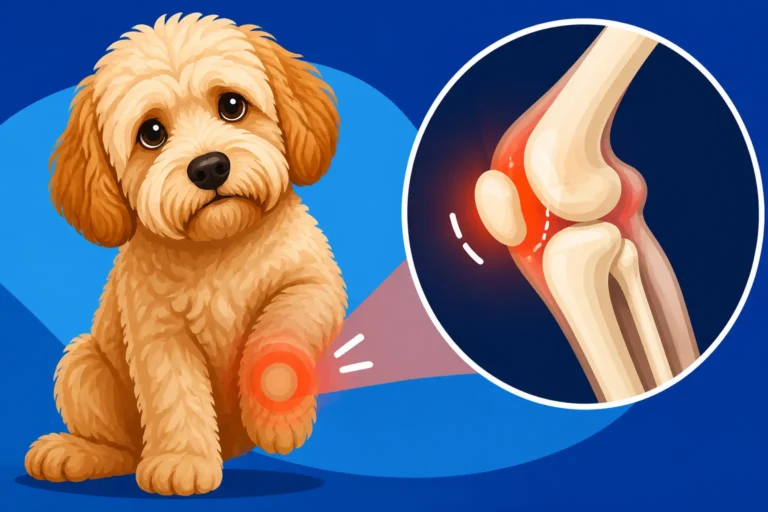
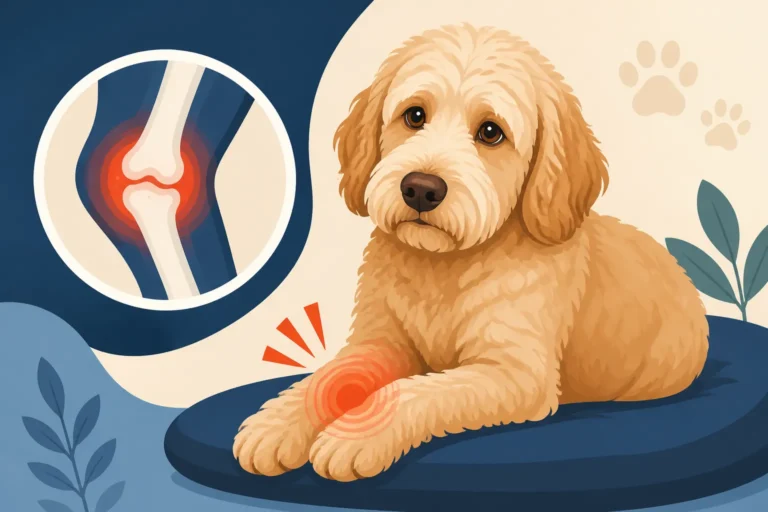
It’s easy to dismiss a bit of scratching here and there. After all, dogs scratch! But if you're living with a Labradoodle who seems to be in a never-ending battle with their own skin, you know it's far more than a casual itch. You see the red patches, the dull coat, the way they obsessively lick their paws, and you feel utterly helpless. The constant scratching isn't just irritating; it can lead to secondary infections, hot spots, and general misery for your furry family member. You just want them to be comfortable in their own skin, literally.
Common Culprits Behind Labradoodle Itching
When your Labradoodle starts itching, it's like a detective novel trying to pinpoint the true villain. There are so many potential culprits, and often, it's a combination of factors. Environmental allergies, much like hay fever in humans, are incredibly common. Pollen, dust mites, and even certain molds can send a sensitive Labradoodle into an itchy frenzy. Then there are external parasites – fleas, ticks, and mites – which are always the first thing a vet will want to rule out, and for good reason. Even a single flea bite can trigger a severe reaction in a flea-allergic dog.
Beyond these external factors, internal issues can also manifest as skin problems. Hormonal imbalances, like Thyroid Failure in a Labradoodle, can sometimes cause coat and skin changes, including dryness and itching. Then, of course, there's the big one we're focusing on today: food. The connection between what goes into your dog's bowl and the health of their skin is much stronger than many owners realize, and it's an area worth investigating thoroughly when other causes have been ruled out. Sometimes, the problem is right there, staring back at you from the ingredient list.
When Does Itching Become a Real Problem?
Every dog scratches. It's a natural behavior. But how do you know when it crosses the line from normal to problematic? It’s not just about the frequency; it’s about the intensity and the consequences. If your Labradoodle is scratching so much that they're interrupting their sleep, your sleep, or their playtime, that's a red flag. If you start seeing visible signs of irritation – redness, rashes, bumps, scabs, or hair loss in specific areas, especially around the ears, paws, armpits, or groin – it’s time to act.
A chronic itch can also lead to secondary bacterial or yeast infections, often recognized by a distinct yeasty smell or a yellowish discharge. This is particularly common in Labradoodles due to their drop ears, which can trap moisture and heat, making them prone to Ear Infections Built Into a Labradoodle's Drop Ear. Persistent paw licking can also lead to discolored fur from saliva, further indicating a problem. Don't wait until things get really bad; persistent itching often indicates an underlying issue that needs attention from your veterinarian. Early intervention can prevent a small problem from escalating into a much more severe and painful condition for your dog, saving you both stress and potentially significant vet bills.
Unpacking the Link Between Diet and Skin Health in Labradoodles
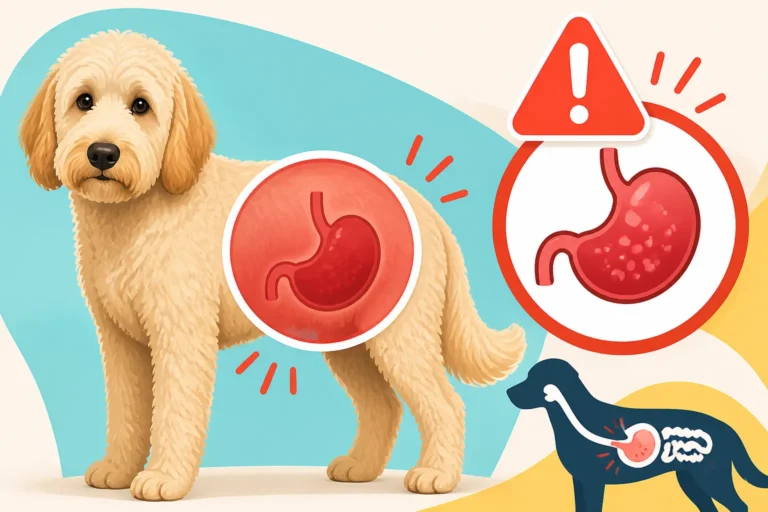
It's a common misconception that food allergies only cause gastrointestinal upset. While diarrhea and vomiting can certainly be symptoms, skin issues are far more prevalent indicators of a food-related problem in dogs. Your Labradoodle's immune system, constantly on alert, can sometimes mistakenly identify certain proteins in their food as threats, triggering an inflammatory response that often shows up as intense itching and skin irritation. Understanding this connection is the first step toward finding relief for your dog.
Food Allergies vs. Food Sensitivities
This is where it gets a little nuanced, but it's important to distinguish between a true food allergy and a food sensitivity (or intolerance).
-
Food Allergy: This is an immune-mediated response. It means your dog's immune system overreacts to a specific protein in the food, recognizing it as a harmful invader. Symptoms can be severe and often include intense itching, hives, facial swelling, and sometimes gastrointestinal distress. True food allergies can develop at any age, even after years of eating the same food, because the immune system has had prolonged exposure to the allergen. Think of it like a peanut allergy in humans – a serious, immediate, and potentially life-threatening reaction, though typically less severe in dogs for food allergies.
-
Food Sensitivity (Intolerance): This is a non-immune mediated reaction. It means your dog has difficulty digesting a particular ingredient, leading to gastrointestinal issues like gas, bloating, diarrhea, or vomiting. While it doesn't involve the immune system, it can still cause discomfort. Skin issues are less common with sensitivities compared to allergies, but chronic inflammation from an intolerance could potentially exacerbate existing skin conditions or contribute to a generally unhealthy coat. It's more like lactose intolerance in humans, where the body simply struggles to process certain compounds.
For Labradoodles, it's usually an immune-mediated food allergy that drives the severe itching we're trying to resolve. This distinction guides the diagnostic process, which typically involves a food elimination trial, rather than relying on unreliable blood or saliva tests often marketed for "food sensitivities."
Common Food Triggers for Canine Itching
When we talk about food allergies in dogs, it's almost always about a protein source. Carbohydrates, fats, and other ingredients are far less likely to be allergens. The most common culprits are often the proteins found in ingredients that have been staples in dog foods for decades, meaning many dogs have had ample exposure to develop an immune response.
Here's a breakdown of the most frequent offenders:
- Beef: Believe it or not, beef is a very common allergen for dogs.
- Dairy: Products like cheese, milk, and yogurt can cause issues.
- Chicken: Another extremely common protein found in countless dog foods.
- Wheat: A prevalent grain that can be an allergen, though less common than protein sources.
- Soy: Used as a protein source in some foods and treats.
- Lamb: While often marketed as a "hypoallergenic" alternative, lamb has become more common in dog foods and thus more dogs have developed allergies to it over time.
- Corn: Another common grain, though like wheat, less frequently an allergen than proteins.
It's important to understand that your Labradoodle isn't born allergic to these things; they develop the allergy after repeated exposure. This is why a dog might suddenly become itchy after years of eating the same chicken-based kibble. The immune system finally says, "Enough is enough!" This is also why an F1 Labradoodle Is Healthier Than a Multigen might seem like a good idea, as hybrid vigor can sometimes offer resilience, but even they are not immune to developing environmental or food allergies over time.
The Role of Novel Protein and Hydrolyzed Diets
When a food allergy is suspected, the traditional and most reliable diagnostic method is a food elimination diet. This involves removing all potential allergens from your dog's diet and feeding them a "novel protein" or "hydrolyzed protein" diet instead.
- Novel Protein Diets: These foods contain a protein source your dog has likely never encountered before. Think venison, duck, rabbit, kangaroo, alligator, or even insect protein. The idea is that if your dog has never eaten it, their immune system won't have developed an allergic response to it. Coupled with a single, uncommon carbohydrate source like sweet potato or tapioca, these diets are designed to be "immune-neutral." Many specialty pet food brands offer these options, and your vet might recommend specific prescription formulas.
- Hydrolyzed Protein Diets: These diets take a more scientific approach. The proteins (often common ones like chicken or soy) are broken down into such tiny molecular pieces that the dog's immune system cannot recognize them as allergens. It's like chopping a complex word into individual letters – the meaning (allergen) is lost. These are often prescription-only diets, formulated to be highly digestible and non-allergenic. Brands like Hill's Prescription Diet z/d or Purina Pro Plan Veterinary Diets HA Hydrolyzed are common examples, and your vet will be able to guide you on which specific brand and formula would best suit your Labradoodle. These specialized foods are often the first line of defense recommended by veterinarians when tackling suspected food allergies.
Using either a novel protein or a hydrolyzed protein diet means meticulously avoiding all other food sources – no treats, no table scraps, no flavored medications, no flavored toothpaste, not even a chew toy with hidden chicken flavoring. This strict adherence is crucial for the success of the elimination diet, which we'll discuss next.
Navigating a Food Elimination Diet for Your Labradoodle
Embarking on a food elimination diet can feel daunting, like being a culinary detective for your dog, but it's truly the gold standard for diagnosing food allergies. It requires dedication, consistency, and a good dose of patience, but the relief it can bring to your itchy Labradoodle is absolutely worth the effort.
How to Properly Conduct an Elimination Diet
This isn't just about switching to a "limited ingredient" kibble from the pet store shelf, as many over-the-counter options still contain common allergens or cross-contaminants. A proper elimination diet is very specific and usually involves your vet:
- Consult Your Veterinarian: First and foremost, involve your vet. They will help rule out other causes of itching, like parasites or infections, and recommend the most appropriate prescription novel protein or hydrolyzed protein diet. They can also discuss a What a Dermatology Referral Runs for a Labradoodle if the case is particularly complex.
- Choose the Right Food: Your vet will prescribe or recommend a specific therapeutic diet. This isn't just a "grain-free" or "limited ingredient" diet you can pick up anywhere. These prescription diets are strictly formulated to avoid common allergens and prevent cross-contamination.
- Strictly Eliminate All Other Foods: This is the make-or-break step. For at least 8 to 12 weeks, your Labradoodle can eat nothing but the prescribed food and water. This means:
- No treats (unless they are single-ingredient, novel protein-based ones approved by your vet, like a piece of boiled rabbit).
- No table scraps.
- No flavored medications, supplements, or toothpaste. Discuss any necessary medications with your vet to ensure they are unflavored or compounded to be allergen-free.
- No rawhides or other chew toys that might contain hidden ingredients.
- No accidental access to other pets' food.
- Even walking past a spilled crumb on the sidewalk can sabotage the trial!
- Inform Everyone: Make sure every member of your household, including visitors, knows about the strict dietary rules. It only takes one well-meaning grandparent slipping a piece of chicken to undo weeks of effort.
- Monitor Closely: Keep a detailed journal. Note down your Labradoodle's itching frequency, intensity, any skin changes, and general well-being. This record will be invaluable for your vet to assess progress.
This phase is about completely clearing the system to see if the itching resolves. If your Labradoodle's itching significantly improves during this period, it's a strong indicator that a food allergy is indeed the culprit. Many pet insurance providers, like Healthy Paws, recognize the diagnostic value of these diets and associated vet visits, so it's always worth checking your policy details for coverage.
What to Expect During the Process
The first few weeks can be tough. Your Labradoodle might be confused or even annoyed by the sudden change in their diet, especially if they're used to a variety of treats. They might also still be itchy at first because it takes time for the existing inflammation to subside and for the old allergens to completely clear from their system. Some dogs might experience mild gastrointestinal upset during the transition to the new food, which is usually temporary.
Be prepared for a full 8-12 weeks of absolute strictness. It feels like a long time, especially when your dog is still scratching, but patience is key. Around the 6-8 week mark, if a food allergy is the problem, you should start seeing significant improvement in their skin and a noticeable reduction in itching. Their coat might look healthier, the redness might subside, and they might seem generally more comfortable. If there's no improvement after 12 weeks, your vet will likely conclude that food is not the primary cause of the itching, and you'll pivot to investigating other possibilities, such as environmental allergies or Sebaceous Adenitis in a Labradoodle's Skin.
Here’s a simplified look at the elimination diet timeline:
| Phase | Duration | Goal | What to Watch For |
|---|---|---|---|
| Strict Elimination | 8-12 Weeks | Remove all potential allergens. Allow immune system to calm. | Reduction in itching, redness, ear infections, paw licking. |
| Reintroduction (if improved) | 1-2 Weeks per ingredient | Identify specific trigger foods by observing reactions. | Return of itching, skin flare-ups, GI upset. |
| Maintenance | Ongoing | Establish a safe, balanced diet free of identified allergens. | Sustained comfort and skin health. |
Reintroducing Ingredients and Identifying Triggers
If your Labradoodle's itching significantly improves during the elimination phase, congratulations! You've likely found your answer. Now comes the crucial step of identifying the specific trigger foods so you can build a safe, long-term diet.
This is done by reintroducing single ingredients, one at a time, for about 1-2 weeks, while continuing the novel or hydrolyzed diet as the base. For example, you might try adding a small amount of cooked chicken to their hydrolyzed kibble for a week. If the itching flares up again, you've found a culprit! Immediately remove that ingredient and wait for the symptoms to subside before trying another. If there's no reaction, that ingredient is likely safe, and you can keep it in the "approved" column as you move on to test the next.
Your vet will help you create a reintroduction plan, focusing on common allergens first. This process can feel slow, but it's the only way to pinpoint exactly what your Labradoodle cannot tolerate. Once you've identified the trigger foods, you'll work with your vet to select a commercially available food (or even a home-cooked diet, carefully formulated by a veterinary nutritionist) that avoids those specific ingredients. This personalized approach ensures your Labradoodle remains comfortable and healthy, steering clear of what causes their suffering. Remember, many pet owners find success with this method, finally bringing lasting relief to their beloved companions.
Beyond Diet: Holistic Approaches to Managing Labradoodle Skin Issues
While food can be a major player in a Labradoodle's itching saga, it's rarely the only factor, or sometimes, not the factor at all. A truly comprehensive approach to managing skin issues involves looking at the bigger picture and integrating several strategies. Think of it as a multi-pronged attack on the itch, addressing all possible angles to give your furry friend the best chance at comfort.
Environmental Allergy Management
If your Labradoodle's itching doesn't resolve with a food elimination diet, or if it improves but doesn't completely disappear, environmental allergies (atopy) are the next most likely culprit. These are triggered by allergens like pollen, dust mites, and molds, which dogs can inhale or absorb through their skin. Managing environmental allergies often requires a multi-faceted approach:
- Veterinary Consultation: Your vet might suggest allergy testing (intradermal or blood tests) to identify specific environmental allergens. This information can then be used to formulate allergen-specific immunotherapy (allergy shots or oral drops), which helps desensitize your dog's immune system over time.
- Medications: For acute flare-ups, your vet might prescribe medications like Apoquel, Cytopoint injections, or even steroids (used cautiously due to side effects) to provide rapid relief. Antihistamines are sometimes helpful for mild cases, but often not strong enough for severe allergies.
- Regular Bathing: Frequent bathing with a hypoallergenic or medicated shampoo can help wash allergens off the skin and soothe irritation. Just be sure to properly dry your Labradoodle to prevent Yeast Trapped Under a Labradoodle's Coat or other skin issues.
- Environmental Control: Just like with human allergies, reducing exposure is key. This might mean frequent vacuuming, washing bedding weekly, using air purifiers, and wiping down your dog's paws and coat after outdoor excursions.
- Supplements: Omega-3 fatty acids can help support skin barrier health and reduce inflammation, often used as an adjunct to other treatments.
It's a continuous process, but with diligence, many Labradoodles with environmental allergies can lead happy, comfortable lives.
The Importance of Regular Grooming and Skin Care
Labradoodles are renowned for their beautiful, low-shedding coats, but these coats come with a significant grooming commitment. Neglecting grooming can quickly lead to matting, which traps moisture, dirt, and allergens against the skin, creating a perfect breeding ground for infections and intense itching. Regular, thorough grooming is not just about aesthetics; it's a vital part of skin health management.
- Daily Brushing: Especially for fleece and wool coats, daily line brushing to the skin is essential to prevent mats. Brushing a Labradoodle to the Skin, Not the Surface ensures you're getting through all layers of that dense coat. Pay particular attention to areas prone to matting, like behind the ears, in the armpits, and around the tail.
- Regular Professional Grooming: Even with diligent home care, professional grooming every 6-8 weeks is usually necessary. Groomers have the tools and expertise to properly bathe, dry, and clip your Labradoodle's coat, preventing mats and keeping the skin healthy. Discuss clips that promote air circulation if your dog is prone to skin issues.
- Paw and Ear Care: Labradoodles often have hair that grows between their paw pads and deep within their ear canals. Trimming Whether a Labradoodle's Foot Hair Traps Moisture can reduce moisture retention and prevent yeast infections, while regular ear cleaning and plucking (if recommended by your vet or groomer) can prevent Whether a Labradoodle's Ear Hair Causes Its Infections.
- Medicated Shampoos and Conditioners: If your Labradoodle has specific skin conditions, your vet might recommend Whether a Labradoodle Needs Medicated Baths with antiseptic or antifungal properties. Always follow their instructions carefully, ensuring adequate contact time and thorough rinsing. Some pet insurance plans, such as those from Healthy Paws, may even help with the costs of veterinary-prescribed shampoos or dermatological treatments.
Partnering with Your Vet for a Comprehensive Plan
Ultimately, managing a Labradoodle's itching is a team effort, and your veterinarian is your most important ally. Don't try to go it alone. Chronic itching is complex, and self-diagnosing can lead to missed opportunities for effective treatment or even worsening of the condition.
Your vet can help you:
- Rule out primary causes: Before jumping to diet, they'll check for fleas, mites, and skin infections.
- Conduct proper diagnostics: From elimination diets to allergy testing, they guide the diagnostic journey.
- Prescribe appropriate treatments: Whether it's medication for allergies, antibiotics for infections, or specialized diets.
- Provide long-term management strategies: They can help you develop a holistic plan that includes diet, grooming, environmental controls, and potentially immunotherapy.
- Address secondary issues: Skin infections or hot spots often require specific medical intervention, which your vet can provide.
A successful outcome often depends on open communication and consistent follow-through with your vet's recommendations. Remember, identifying and managing the underlying cause of your Labradoodle's itching might take time and persistence, but seeing them finally comfortable and happy is the greatest reward. The journey to a calm, itch-free Labradoodle is well within reach with the right approach and dedicated care.
Disclaimer
This article is for general informational purposes only and does not constitute professional advice. Laws, prices and regulations vary by location and change over time. Consult a qualified professional for guidance on your specific situation.