How Addison’s Is Diagnosed in a Labradoodle
It's incredibly frustrating when your beloved Labradoodle just isn't acting quite right, but you can't put your finger on why. They might seem tired, pickier with food, or just generally "off," and you worry something serious is brewing. This guide will walk you through the often-complex journey of how Addison's disease, a tricky condition, is diagnosed in our wonderful Doodles, helping you understand each step.
Understanding Addison's Disease in Labradoodles
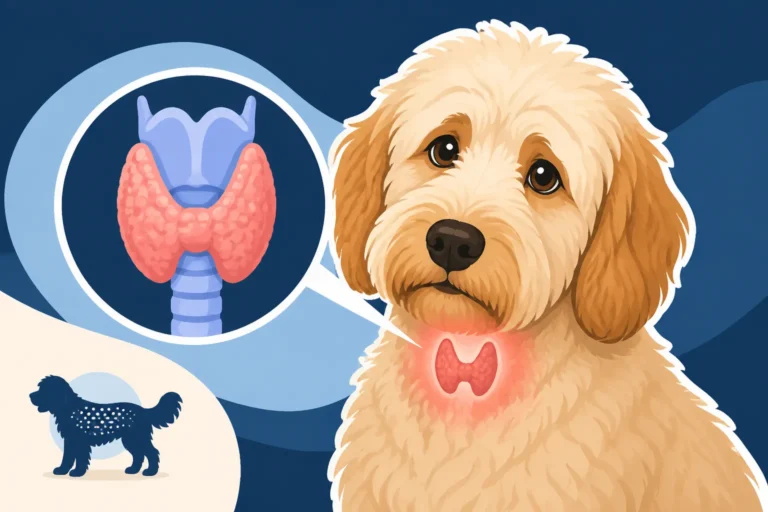
Addison's disease, medically known as hypoadrenocorticism, is a condition that results from the adrenal glands not producing enough of certain vital hormones, primarily cortisol and aldosterone. These hormones are absolutely critical for managing stress, regulating metabolism, and maintaining electrolyte balance in the body. When they're deficient, a dog's entire system can go haywire, leading to a wide range of symptoms that are often confusing and easily mistaken for other, less serious ailments. For Labradoodle owners, understanding this silent threat is particularly important because our pups seem to have a predisposition.
The Elusive Nature of Addison's Symptoms
One of the most challenging aspects of diagnosing Addison's is its "great imitator" reputation. The signs are incredibly non-specific and tend to wax and wane, making it feel like a moving target. You might see your Labradoodle having an "off" day, maybe they vomit once, or have a bout of diarrhea, only to seem perfectly fine the next day or week. This intermittent nature makes owners often dismiss early signs as minor tummy upsets or simply an energetic pup having a lazy day. However, as the disease progresses, these symptoms become more frequent and severe, often including lethargy, loss of appetite, weight loss, increased thirst and urination, shivering, and even a collapse if they go into an "Addisonian crisis." It’s this frustrating inconsistency that can delay a proper diagnosis for months, sometimes even years.
Why Labradoodles Are at Higher Risk
While Addison's can affect any breed, there’s a strong genetic component, and certain breeds, including the Standard Poodle, are known to be at higher risk. Since Labradoodles inherit a significant portion of their genetics from their Poodle side, they also carry this increased susceptibility. It's not uncommon for dedicated breeders to screen their breeding stock for genetic predispositions, but it's still a condition that any Labradoodle owner should be aware of. When considering a Labradoodle, it's always wise to ask about the prevalence of Addison's in their lines, as well as checking on other common conditions. For more on genetic predispositions, you might find information on Addison's Disease a Labradoodle Inherits From the Poodle helpful.
Initial Suspicions: When to Talk to Your Vet
Recognizing that initial "something's not right" feeling is the first, crucial step. Because Addison's symptoms are so vague, you, the owner, are often the first line of defense. Trust your gut. If your Labradoodle, who usually greets you with boundless energy, is suddenly sluggish or turning up their nose at their favorite treat, it’s a red flag worth investigating. Don't wait for a full-blown crisis if you suspect something is truly amiss.
Common Vague Signs Owners Often Miss
It's easy to overlook the subtle cues your Labradoodle might be giving you. We often attribute a bit of fatigue to a long walk or a missed meal to a picky eater phase. But with Addison's, these seemingly minor issues start to add up. You might notice intermittent vomiting or diarrhea that doesn't quite resolve, or perhaps a general malaise that comes and goes. Some dogs might shiver, appear weak, or even act a bit depressed. What makes it so difficult is that these could also be signs of anything from dietary indiscretion to an upset stomach from stress. Many owners report seeing The Vague Signs of Addison's in a Labradoodle for months before the dots finally connect. Keeping a journal of these minor symptoms, noting their frequency and severity, can be incredibly helpful for your vet.
The Importance of Detailed Observation
When you do head to the vet, be prepared to share everything. Details you might think are insignificant can be vital clues. Did your Labradoodle seem unusually thirsty? Did their urination frequency change? Have they lost weight, even if they're still eating most of their meals? Is their energy level consistently lower than usual, even after a good night's sleep? Your vet relies on your observations to build a complete picture. Sometimes, it might feel like you're overreacting, but with a condition like Addison's, being an advocate for your Labradoodle is paramount. Don't be afraid to voice your concerns and ask for further investigation if you feel something deeper is at play. Many owners eventually find immense relief in understanding Whether an Addisonian Labradoodle Lives Normally after diagnosis.
The First Steps at the Vet: Ruling Out Other Issues
When you bring your Labradoodle to the vet with those vague symptoms, they'll usually start with a thorough physical examination. They're looking for general signs of illness, checking hydration, gum color, listening to heart and lungs, and palpating the abdomen. It's important to understand that Addison's isn't typically the first condition a vet jumps to, precisely because its symptoms mimic so many other common ailments. They'll usually want to rule out things like gastrointestinal upset, kidney issues, or even simple infections first.
Routine Bloodwork and Urinalysis
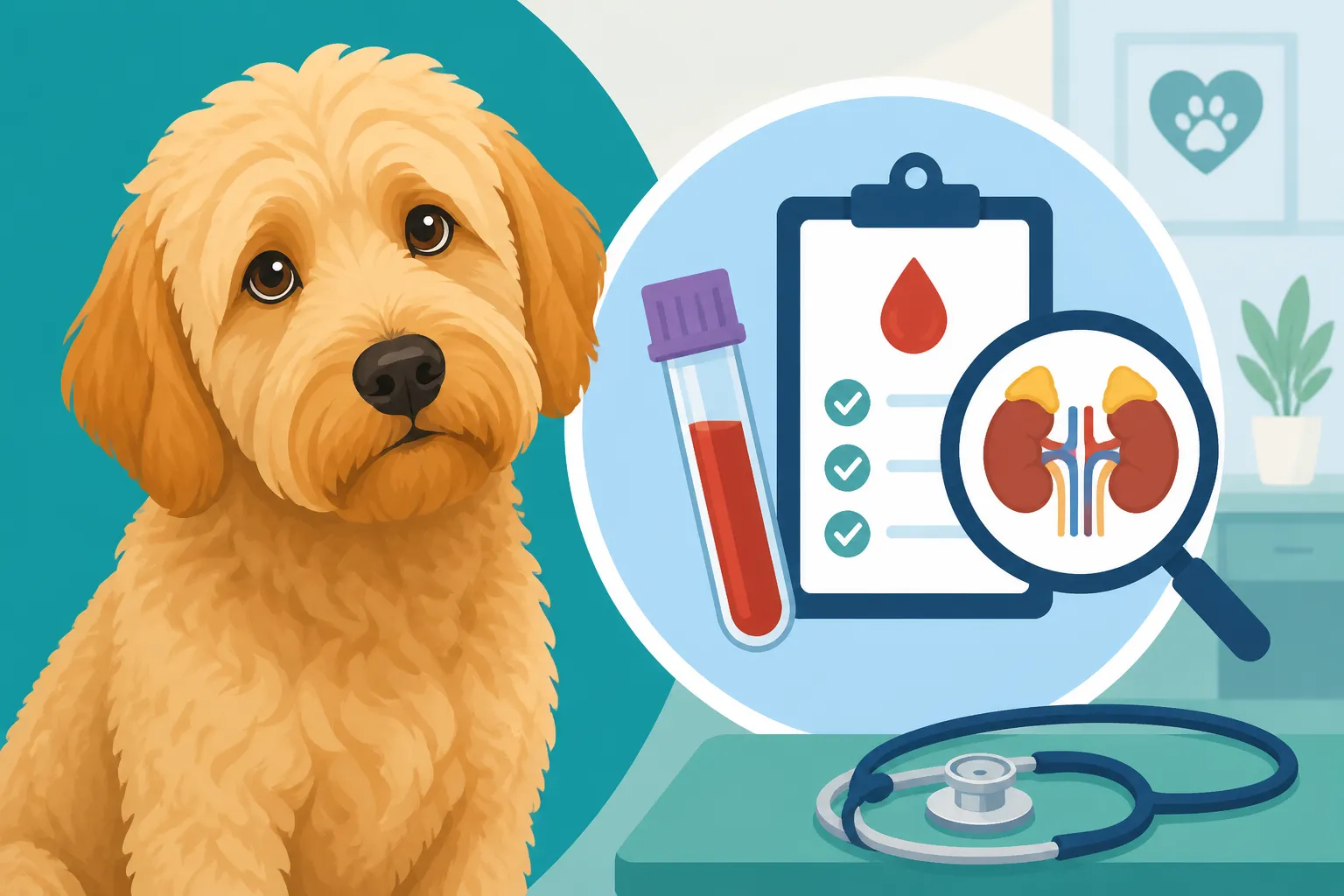
The first line of diagnostic tests usually involves routine bloodwork and a urinalysis. These are essential for getting a baseline understanding of your Labradoodle's overall health and can quickly point towards certain problems while ruling out others.
- Complete Blood Count (CBC): This checks red and white blood cell counts. With Addison's, you might see a lack of a "stress leukogram" (which is typically present in sick dogs due to high cortisol) and sometimes mild anemia.
- Chemistry Panel: This panel looks at organ function (kidneys, liver) and crucial electrolytes like sodium and potassium. In many Addisonian dogs, the classic sign is an imbalance: low sodium and high potassium, which can be a strong indicator. It might also show elevated kidney values, which further complicates diagnosis, as it can mimic kidney disease.
- Urinalysis: This assesses kidney function and checks for infections. While not directly diagnostic for Addison's, it helps rule out urinary tract issues or kidney failure as the primary cause of symptoms like increased thirst and urination.
These initial tests provide crucial data points. For instance, if your Labradoodle's sodium and potassium levels are significantly off, it raises a big red flag for Addison's, even if other tests seem normal. It’s also during these stages that some pet insurance providers like Healthy Paws can be incredibly helpful, as diagnostic tests can accumulate quickly. Ensuring your Labradoodle is covered, perhaps by exploring options like Insuring a Labradoodle Before Anything Is On Record, can ease the financial stress of these investigations.
Interpreting Initial Findings
Interpreting the results of these initial tests requires a skilled veterinary eye. A classic Addisonian blood panel often reveals a low sodium-to-potassium ratio, which is considered a hallmark of the disease. However, it's not always present, especially in atypical Addison's cases where only cortisol is affected, not aldosterone. Your vet will look at the entire picture, comparing blood results with clinical signs. If kidney values are elevated but the dog isn't responding to fluid therapy, or if the electrolyte imbalance is significant, your vet will likely recommend the definitive test for Addison's. They might also discuss the cost implications; knowing The Bill for Diagnosing Addison's in a Labradoodle can help you prepare.
Here's a simplified look at what might be seen in initial bloodwork that could suggest Addison's:
| Bloodwork Marker | Typical Findings in Healthy Dog | Potential Findings with Addison's | Significance |
|---|---|---|---|
| Sodium (Na+) | Normal range | Low (Hyponatremia) | Adrenal glands not producing enough aldosterone. |
| Potassium (K+) | Normal range | High (Hyperkalemia) | Adrenal glands not producing enough aldosterone. |
| Na:K Ratio | Above 27:1 | Below 27:1 (often < 23:1) | Strong indicator for Addison's, especially if low. |
| Blood Urea Nitrogen (BUN) | Normal range | Elevated | Dehydration or impaired kidney function. |
| Creatinine | Normal range | Elevated | Dehydration or impaired kidney function. |
| Cortisol (resting) | Normal range | Low (but can vary) | Adrenal glands not producing enough cortisol. |
| Glucose | Normal range | Low (Hypoglycemia) | Due to cortisol deficiency. |
Confirming Addison's: The ACTH Stimulation Test
If the initial bloodwork and your Labradoodle's symptoms raise a strong suspicion of Addison's, the next step, and the definitive diagnostic test, is the ACTH (Adrenocorticotropic Hormone) stimulation test. This test is crucial because it directly assesses the adrenal glands' ability to produce cortisol. Without this test, diagnosing Addison's would be a very uncertain process, often leading to misdiagnosis due to the non-specific nature of the symptoms.
What the ACTH Stimulation Test Involves
The ACTH stimulation test is fairly straightforward but requires a bit of time at the vet's office. Here’s how it generally works:
- Baseline Blood Sample: First, a blood sample is drawn from your Labradoodle. This sample measures their "baseline" cortisol level – how much cortisol is present in their blood before any stimulation. This initial reading is important for comparison.
- ACTH Administration: After the baseline sample is taken, your vet will administer a synthetic form of ACTH, usually by injection. ACTH is a hormone naturally produced by the pituitary gland that tells the adrenal glands to produce cortisol. By giving a synthetic dose, we're essentially asking the adrenal glands, "Can you still do your job and produce cortisol when prompted?"
- Second Blood Sample: Approximately one hour after the ACTH injection (the exact timing can vary slightly based on the specific protocol and synthetic ACTH product used, but one hour is common), a second blood sample is drawn. This sample measures the "stimulated" cortisol level – how much cortisol the adrenal glands produced in response to the ACTH.
The entire process usually takes about an hour and a half to two hours. During this time, your Labradoodle might just hang out quietly in a kennel or with you, depending on your vet's clinic setup. This test is incredibly reliable for diagnosing Addison's disease.
Understanding the Results and Diagnosis
The interpretation of the ACTH stimulation test results is key to diagnosis:
- Normal Response: In a healthy dog, the stimulated cortisol level (the second sample) will be significantly higher than the baseline level, showing that the adrenal glands responded appropriately to the ACTH and produced plenty of cortisol.
- Addisonian Response: In a dog with Addison's disease, both the baseline and the stimulated cortisol levels will be very low, and there will be little to no increase in cortisol production after the ACTH injection. This confirms that the adrenal glands are not functioning properly and cannot produce sufficient cortisol, even when told to do so.
If your Labradoodle shows this blunted response, the diagnosis of Addison's disease is confirmed. It's often a moment of mixed emotions – relief to finally have an answer, but also apprehension about the future. However, the good news is that Addison's is a very manageable condition with proper treatment. Many dogs go on to live full, happy lives. Learning about Life on Daily Medication for an Addisonian Labradoodle can help alleviate some of those initial worries.
Beyond the ACTH Test: Supplementary Diagnostics
While the ACTH stimulation test is the gold standard for diagnosing Addison's, other tests might be performed before, during, or after to support the diagnosis, assess the severity of the condition, or monitor the dog's overall health. These supplementary tests provide additional pieces to the puzzle, helping your vet ensure a comprehensive understanding of your Labradoodle's specific situation.
Electrolyte Imbalance and Cortisol Levels
We touched upon this earlier, but it bears repeating: electrolyte imbalances are a critical aspect of Addison's, particularly for typical Addison's, where both cortisol and aldosterone production are impaired.
- Sodium and Potassium: As mentioned, a low sodium-to-high potassium ratio is a strong indicator. Aldosterone, one of the hormones deficient in typical Addison's, is responsible for regulating these electrolytes. When aldosterone is low, sodium is lost, and potassium is retained, leading to the characteristic imbalance. Your vet will monitor these levels not just for diagnosis but also for ongoing management once treatment begins, as medication aims to normalize them.
- Resting Cortisol: Sometimes, before jumping straight to an ACTH test, a vet might run a "resting cortisol" test. If this level is very high, it essentially rules out Addison's because if there's plenty of cortisol, the adrenal glands are clearly working. However, if the resting cortisol is low, it doesn't definitively diagnose Addison's, as stress or other illnesses can also lower cortisol. This is why the ACTH stimulation test, which challenges the adrenals, is necessary for confirmation.
These electrolyte and cortisol measurements, even outside the ACTH test, are vital data points that guide the diagnostic process and help differentiate Addison's from other conditions. For families considering pet insurance, a provider like Healthy Paws can cover the ongoing costs associated with managing these chronic conditions, providing significant peace of mind.
Imaging and Other Supportive Tests
In some cases, your vet might recommend additional diagnostics, although they are not typically used to diagnose Addison's directly, they can help rule out other conditions or provide a fuller picture.
- Abdominal Ultrasound: An ultrasound might be performed to visualize the adrenal glands. In Addison's disease, the adrenal glands can sometimes appear smaller than normal, due to atrophy. However, this isn't always conclusive and normal-looking adrenals don't rule out the disease. The primary use of an ultrasound in this context is often to rule out other abdominal issues that might be causing similar symptoms, such as tumors or inflammatory bowel disease.
- ECG (Electrocardiogram): The high potassium levels seen in typical Addison's can have serious effects on the heart, potentially leading to dangerous arrhythmias. If hyperkalemia is severe, an ECG might be performed to assess the heart's electrical activity and ensure it's not being adversely affected. This is particularly important in an Addisonian crisis scenario.
- Blood Gas Analysis: In severe cases, especially during a crisis, a blood gas analysis can assess the dog's acid-base balance and oxygenation, providing critical information for stabilizing the patient.
- Additional Hormone Tests: In very rare cases, or if there's suspicion of other hormonal disorders, specific tests for other adrenal hormones might be considered, but this is less common for a straightforward Addison's diagnosis. It's often more relevant when distinguishing conditions like Addison's from Telling Cushing's From Addison's in a Labradoodle, which is essentially the opposite condition.
These tests, while not always necessary, highlight the thoroughness with which vets approach complex diagnoses. They want to ensure they have all the information to provide the best possible care for your Labradoodle. Having comprehensive coverage from a company like Healthy Paws can alleviate the financial burden of these extensive tests.
Living with an Addisonian Labradoodle and Future Steps
Receiving an Addison's diagnosis for your Labradoodle can feel overwhelming at first. It's a chronic condition, which means it requires lifelong management. However, it's truly one of the most manageable endocrine diseases in dogs. With consistent care, medication, and regular vet check-ups, most Addisonian Labradoodles live full, happy, and long lives. The relief that comes with finally knowing what's been ailing your furry friend is immense.
The Road Ahead: Management and Monitoring
Once Addison's is confirmed, your Labradoodle will typically be started on medication to replace the hormones their adrenal glands aren't producing. This usually involves:
- Mineralocorticoid Replacement: Medications like Percorten-V (desoxycorticosterone pivalate or DOCP) or Florinef (fludrocortisone acetate) are given to regulate sodium and potassium levels. DOCP is often given via injection, typically monthly, while Florinef is a daily oral pill.
- Glucocorticoid Replacement: A low dose of a glucocorticoid like prednisone is usually given daily, especially during times of stress (like vet visits, travel, or illness) to mimic the body's natural stress response.
The initial period after diagnosis might involve a few adjustments to find the optimal medication dosages for your Labradoodle. This will require regular blood tests, particularly to monitor electrolyte levels, and communicate closely with your veterinarian. Your vet will guide you on how to adjust medication during stressful periods, helping you understand your Labradoodle's needs. For more specific information on managing the condition, you might want to read Monthly Injections for an Addisonian Labradoodle. It truly highlights how this becomes a manageable part of their routine. You’ll find that pet insurance companies, such as Healthy Paws, often cover the costs associated with chronic conditions like Addison's, making ongoing management more affordable.
Financial Considerations and Insurance
Let's be realistic – a diagnosis of a chronic condition like Addison's comes with ongoing financial considerations. From the diagnostic tests themselves to the lifelong medication and regular veterinary check-ups, these costs can add up. It's an investment in your Labradoodle's health and quality of life. Understanding these potential expenses upfront is crucial. Many owners ask Whether Lifelong Addison's Medication Is Covered by insurance, and it's a valid question to explore with your provider. Investing in pet insurance early on, before any conditions are diagnosed, is often the smartest move for unexpected health challenges. Ultimately, the peace of mind that comes from knowing you can provide the best care for your Labradoodle is priceless.
Disclaimer
This article is intended for informational purposes only and does not constitute veterinary advice. Always consult with a qualified veterinarian for any health concerns or before making any decisions about your Labradoodle's medical care.