What WALA Does for Labradoodle Pedigrees
The world of Labradoodles can feel like a bit of a Wild West when it comes to understanding a dog's background. Unlike traditional purebreds with their well-established kennel club papers, the Labradoodle lacks such universal recognition, leaving many prospective owners feeling lost about how to verify a puppy's lineage and health history. This guide will walk you through what the Worldwide Australian Labradoodle Association (WALA) does for Labradoodle pedigrees, offering a crucial framework for transparency and accountability in a beloved crossbreed.
The Pedigree Puzzle for Labradoodle Owners
When you first start looking for a Labradoodle puppy, you might quickly realize that the typical "pedigree" you hear about for breeds like German Shepherds or Golden Retrievers just doesn't exist in the same way. This can be incredibly confusing and even frustrating, especially when you're making such a significant investment in a new family member. The lack of a single, unifying registry means that buyers often have to rely heavily on a breeder's word, which, while sometimes reliable, can also open the door to misunderstandings or even less scrupulous practices.
Why "Purebred" Doesn't Apply to Labradoodles
The fundamental reason for this confusion lies in the definition of a "purebred" dog. A purebred dog is one whose ancestors are all of the same recognized breed, and whose lineage has been recorded for many generations in a recognized breed registry, like the American Kennel Club (AKC) or the Kennel Club (UK). These registries maintain studbooks, verify parentage, and enforce breed standards. The Labradoodle, by its very nature, is a crossbreed—a delightful mix of a Labrador Retriever and a Poodle. This means that, by definition, it cannot be registered as a purebred with these traditional organizations.
This isn't a knock against the Labradoodle; it simply means it operates outside that specific system. While there's a growing movement and desire for the Labradoodle to gain breed recognition, that process is long and arduous, requiring consistent breeding over many generations to "breed true" (meaning puppies consistently share predictable traits) and meet very strict criteria. For now, the lack of traditional purebred status leaves a vacuum for official documentation. You might want to read more on Why No Kennel Club Registers the Labradoodle.
The Breeder's Promise vs. Documented Lineage
Without a universally recognized kennel club, buyers are often left to navigate a labyrinth of breeder claims. A breeder might tell you their puppies are "first generation" (F1), "backcross" (F1b), or "multigenerational." They might promise specific coat types—fleece, wool, or hair—and assure you of excellent health. But how do you verify these claims? How do you ensure that the puppy's parents really are who the breeder says they are, or that the health tests were actually performed and cleared? This reliance on trust alone can be daunting, especially for first-time owners who are still learning the ropes of dog ownership and breeding practices.
It's natural to feel a bit overwhelmed when trying to decipher the jargon and promises. The truth is, without some form of structured documentation, it's incredibly difficult for an ordinary person to independently confirm the intricate details of a puppy's family tree or its genetic health status. You’re essentially taking a leap of faith, hoping the information provided is accurate and complete.
The Need for Alternative Oversight
Given this unique situation, alternative organizations have stepped up to provide some much-needed structure and accountability within the Labradoodle community. These associations aim to create a framework that helps ensure responsible breeding practices, promotes health testing, and offers a verifiable way to track lineage. They essentially try to fill the gap left by traditional kennel clubs, bringing a degree of order to the breeding of these popular crossbreeds.
These organizations aren't just about paperwork; they represent a collective effort by dedicated breeders to standardize practices and protect the integrity of the "breed type" they are striving for. They understand that transparency around a puppy's background and potential genetic predispositions is incredibly important for new owners. These groups often have codes of ethics and rules that member breeders must follow, providing a layer of oversight that simply doesn't exist in unregulated breeding.
Introducing WALA: A Standard for Australian Labradoodles
Amidst the varying claims and unofficial breeding practices, the Worldwide Australian Labradoodle Association (WALA) has emerged as a significant player. WALA aims to bring structure and credibility to the breeding and pedigree tracking of Australian Labradoodles, specifically distinguishing itself and its members within the broader "Labradoodle" landscape.
WALA's Foundation and Core Mission
WALA was established by a group of passionate breeders who recognized the need for a unified standard and a reliable registry system for the Australian Labradoodle. Their core mission revolves around promoting responsible breeding practices, ensuring the health and welfare of Australian Labradoodles, and maintaining the breed's integrity and unique characteristics. They strive to provide a trustworthy resource for both breeders and prospective puppy owners, setting clear guidelines for health testing, ethical breeding, and comprehensive pedigree documentation.
The association emphasizes consistency in type, health, and temperament, which are often the very traits that attract people to the Australian Labradoodle in the first place. By establishing a robust framework, WALA hopes to guide breeders in making informed decisions and give buyers greater confidence in the puppies they are considering. They understand that without such an organization, the quality and predictability of the dogs could vary wildly, leading to disappointment for families and potential health issues for the dogs.
Defining the Australian Labradoodle in WALA's Eyes
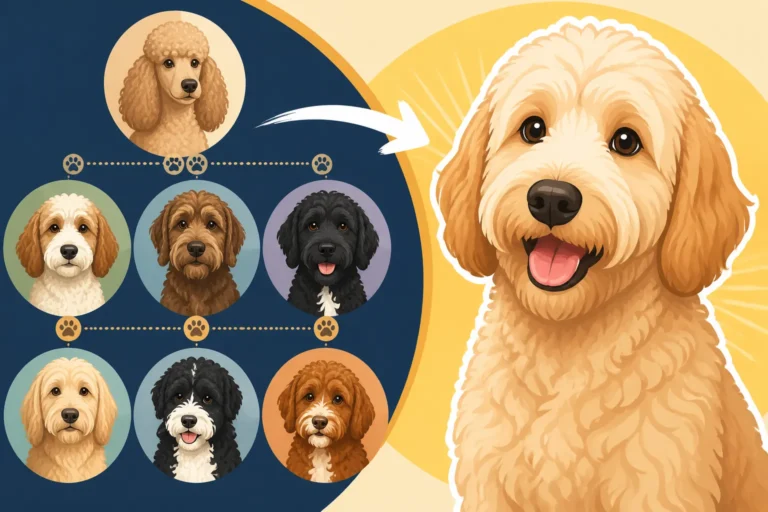
One of the most crucial aspects of WALA is its specific focus on the Australian Labradoodle. It's important to understand that not all dogs referred to as "Labradoodles" are considered "Australian Labradoodles" by associations like WALA. The original Labradoodle was a simple cross between a Labrador Retriever and a Poodle (F1 generation). The Australian Labradoodle, however, evolved over time to include additional breeds in its foundation, such as the Cocker Spaniel and the Irish Water Spaniel, creating a distinct lineage. This deliberate infusion of other breeds was an effort to solidify desired traits, particularly coat type, temperament, and overall consistency.
WALA's definition of an Australian Labradoodle is quite strict, outlining the acceptable foundation breeds and the multi-generational breeding required to produce dogs that fit their specific breed standard. This differentiation is vital for buyers because it means a WALA pedigree specifically refers to this multi-generational, carefully developed lineage, rather than just any Labrador-Poodle cross. Understanding this distinction is key when you're researching potential puppies, and it helps clarify why an Australian Labradoodle might be priced differently or have a more consistent appearance and temperament than a standard F1 Labradoodle. To delve deeper into the specific makeup, check out The Four Breeds Inside an Australian Labradoodle.
The Role of the WALA Pedigree System
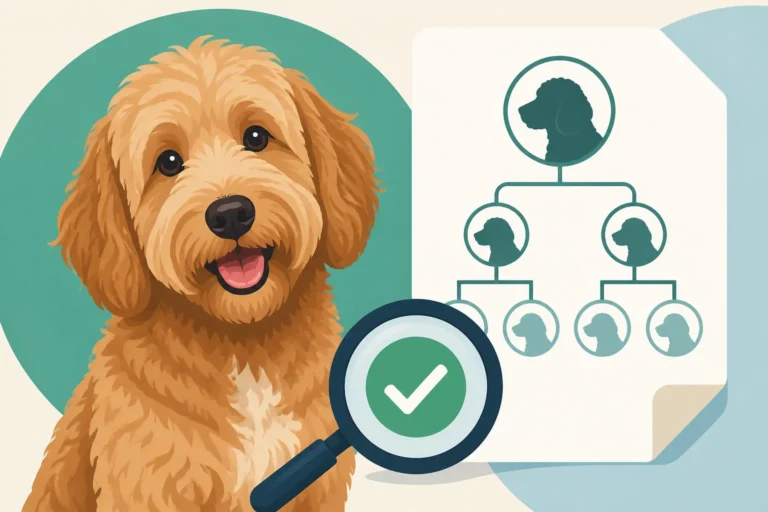
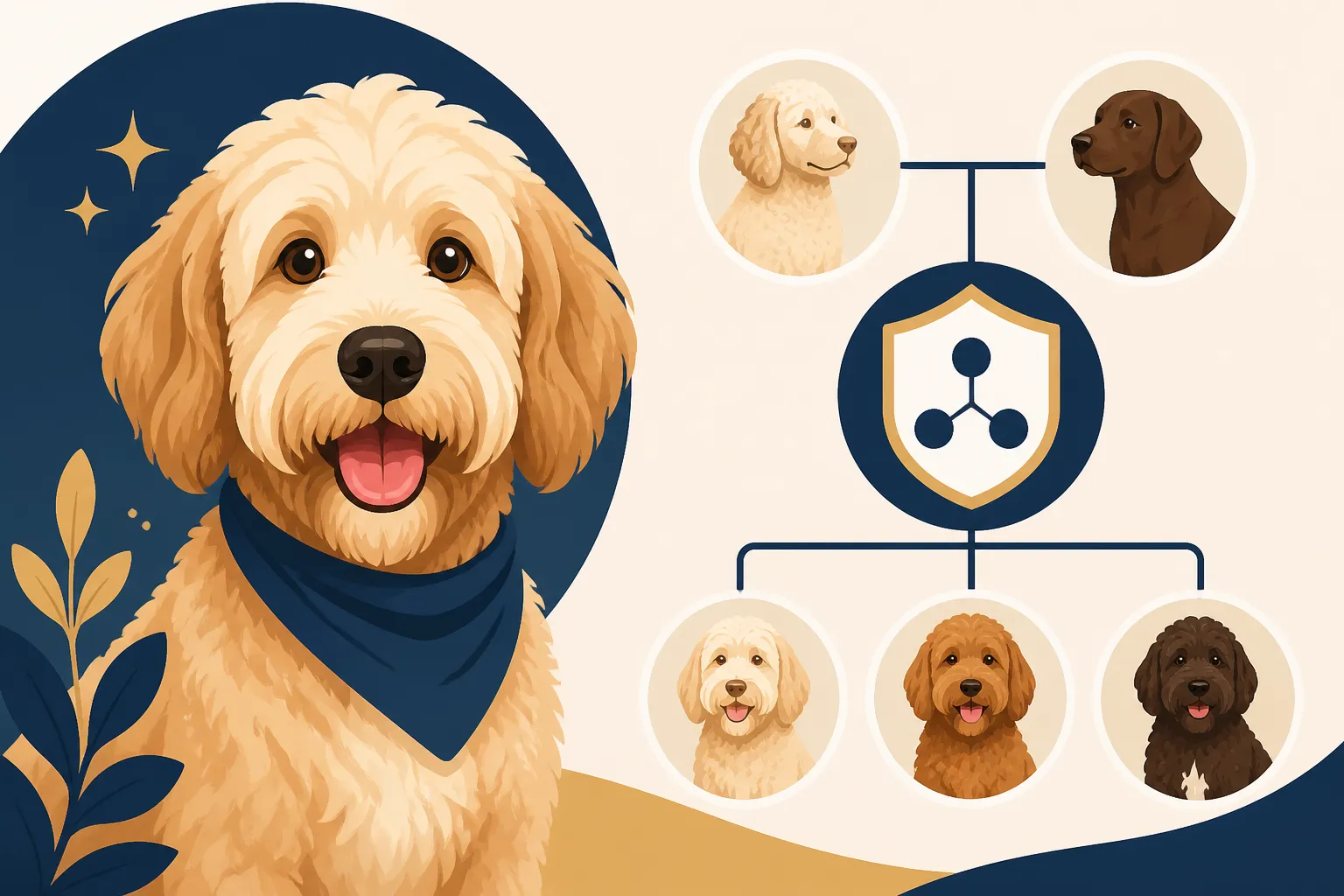
At the heart of WALA's efforts is its comprehensive pedigree system. This system acts as a centralized database where member breeders register their breeding dogs and litters, meticulously documenting each dog's lineage, health clearances, and genetic information. For a WALA-registered Australian Labradoodle, the pedigree isn't just a piece of paper; it's a living record of their ancestral history and genetic health.
This system provides transparency that is often missing in unregulated crossbreed breeding. It allows for the tracking of generations, verifies parentage, and most importantly, compiles and confirms critical health test results. For breeders, it provides a valuable tool for making informed breeding decisions, helping to minimize the risk of passing on genetic diseases. For prospective owners, it offers a tangible document that backs up a breeder's claims, giving them peace of mind about their puppy's heritage. This organized approach helps cultivate Whether an Australian Labradoodle Is More Predictable in terms of health and traits.
Components of a WALA-Certified Pedigree
A WALA-certified pedigree is far more than just a list of names. It’s a detailed historical document that provides essential insights into a Labradoodle’s genetic makeup and ancestral health. Understanding what goes into one can truly empower you as a prospective puppy owner, allowing you to ask informed questions and make confident decisions.
Tracing Ancestry and Genetic Generations
A WALA pedigree meticulously traces a dog's ancestry back through multiple generations, clearly indicating the lineage and the specific breeds that contribute to that dog's genetic makeup within the Australian Labradoodle framework. This isn't just about identifying the grandparents; it’s about understanding the generational progression of the breeding program. For example, it will detail whether a dog is an F1 (first cross Labrador x Poodle), an F1b (F1 Labradoodle x Poodle), or a multi-generational (multi-gen) Australian Labradoodle. This is particularly important for those seeking specific traits, as later generations often show more consistency.
The pedigree will also typically show the names and registration numbers of the parent dogs, their parents, and so on, sometimes going back several generations. This allows for a deep dive into the specific lines that produced your puppy. For instance, if you're curious about What F1 Means on a Labradoodle versus What Multigen Means on a Labradoodle, the WALA pedigree makes these distinctions clear, providing a verifiable record of how the breeder achieved that particular generation. This transparency is invaluable in a world where "doodle generations" can sometimes be loosely defined by breeders.
Mandatory Health Testing and Clearances
Perhaps one of the most critical aspects of a WALA pedigree is its emphasis on mandatory health testing. WALA requires its member breeders to perform a comprehensive set of genetic and physical health screenings on all breeding dogs before they can be registered and their litters recorded. These tests are designed to screen for common inheritable conditions found in the parent breeds (Labrador Retriever and Poodle) as well as the Australian Labradoodle lines themselves.
These tests often include screenings for hip and elbow dysplasia, eye diseases (like PRA), heart conditions, and various genetic diseases specific to the breed, such as Von Willebrand's disease or certain neurological disorders. The results of these tests for all ancestral dogs on the pedigree are recorded and accessible, offering a layer of assurance regarding the genetic health of your potential puppy. This commitment to health testing goes a long way in validating a breeder's claims about a puppy's soundness. You can learn more about The Health Tests a Labradoodle Breeder Should Show and how Whether Health Tested Parents Add Years to a Labradoodle by exploring these topics.
Here’s a simplified look at the kind of information typically included in a WALA pedigree:
| Pedigree Component | Description | Importance for Owners |
|---|---|---|
| Registration Number | Unique identifier for the dog within the WALA registry. | Verifies official status and tracks individual dog. |
| Registered Name | Official name of the dog as recorded by WALA. | Distinguishes the dog in official records. |
| Call Name | Common name the dog is known by. | For practical recognition. |
| Breed/Generation | Specifies "Australian Labradoodle" and generation (e.g., F3, Multi-Gen). | Clarifies lineage and breed type. |
| Date of Birth | Exact date the dog was born. | Essential for age verification. |
| Sex | Male or Female. | Basic identification. |
| Color/Coat Type | Describes the dog's coat color and type (e.g., Cream, Fleece, Wool). | Important for allergies and grooming expectations. |
| Sire & Dam (Parents) | Names, registration numbers, and health clearances of both parents. | Direct insight into immediate genetic heritage. |
| Grandparents & Beyond | Names and health clearances of ancestors further back. | Provides a broader historical health and genetic picture. |
| Health Clearances | Specific results (e.g., OFA Hips, PennHIP, eye exams, DNA tests) for ancestors. | Crucial for assessing risk of inherited conditions. |
| Breeder Information | Name and contact details of the registered breeder. | Accountability and source verification. |
Breeder Ethics and Record Keeping
WALA's commitment extends beyond just paperwork; it requires its member breeders to adhere to a strict code of ethics. This code typically covers everything from proper animal husbandry and breeding age requirements to honest advertising and lifetime commitment to their dogs. By choosing a WALA-registered breeder, you are generally selecting someone who has voluntarily committed to a higher standard of care and transparency. This means they are not just providing a dog, but also a history and a promise of responsible practice.
Furthermore, accurate record-keeping is paramount for WALA registration. Breeders must meticulously document breeding pairs, litter sizes, puppy identification, and all health testing results. This rigorous process helps prevent fraudulent claims and ensures that the information provided on a pedigree is reliable. It gives the buyer a verifiable paper trail, reinforcing confidence in the breeder's integrity. It really makes a difference when considering Whether a Labradoodle From Untested Parents Is a Risk, as WALA actively works to mitigate such concerns.
How WALA Pedigrees Benefit Prospective Puppy Owners
For anyone looking to bring a Labradoodle into their home, the existence of organizations like WALA and their detailed pedigree system offers a multitude of benefits that go far beyond a simple piece of paper. It transforms a potentially confusing purchasing process into one grounded in transparency and verifiable information.
Building Confidence and Transparency in Your Purchase
The primary benefit of a WALA pedigree for a prospective puppy owner is the immense boost in confidence and transparency it provides. In an unregulated market, it’s easy to feel anxious about whether you're making the right choice, whether the breeder is reputable, and if your puppy will truly be healthy. A WALA pedigree addresses many of these concerns head-on. It offers a tangible, documented history of the puppy's parents and ancestors, including verifiable health clearances. This means you’re not just taking a breeder's word for it; you have a record that has been submitted to and maintained by an independent organization.
This level of detail helps to establish trust, allowing you to feel more secure in your decision. When you see a clear lineage of health-tested dogs, it significantly reduces the anxiety associated with unknown genetic risks. It's about empowering you with information so you can choose a puppy from a program that prioritizes responsible breeding and the long-term well-being of its dogs. When you’re making such an emotional and financial investment, having that clear, documented proof of careful breeding practices is invaluable.
Insights into Temperament and Physical Traits
A WALA pedigree can also offer invaluable insights into the potential temperament and physical traits of your future Labradoodle. While every puppy is an individual, understanding the characteristics of its parents and grandparents can give you a better idea of what to expect. WALA breeders often strive for specific temperament traits—such as being calm, intelligent, and friendly—which are diligently selected for in their breeding stock. By examining the pedigree, you can see if the lines consistently produce dogs with the characteristics you are looking for.
For instance, if you're hoping for a specific coat type, like the popular fleece coat, the pedigree, combined with DNA testing for coat genes, can offer strong indicators. The pedigree can show a history of dogs that carry the desired coat genes, reducing the gamble associated with Whether an F1 Labradoodle's Coat Is a Gamble. Similarly, if you are looking for a dog that fits a certain size range, the lineage can often provide clues about the size of ancestors. This forward-looking insight into potential traits is a huge advantage, helping you choose a puppy that is a good match for your lifestyle and expectations. Once you bring your WALA-registered puppy home, you'll want to have all your supplies ready, from a comfortable bed to the right kind of food, which you can often find readily on platforms like Chewy, knowing you're investing in a well-researched companion.
Supporting the Future of Responsible Labradoodle Breeding
By choosing a puppy from a WALA-registered breeder, you are actively supporting the future of responsible Labradoodle breeding. These organizations exist because dedicated breeders believe in improving the breed and maintaining high standards. Your choice sends a clear message that you value health testing, ethical practices, and transparency. This, in turn, encourages more breeders to adhere to these standards, fostering a healthier and more predictable breed population overall.
It's a virtuous cycle: when buyers demand documented, health-tested puppies, breeders are incentivized to join and comply with organizations like WALA. This collective effort elevates the entire breed, helping to address common concerns about genetic health issues and inconsistent traits. It ensures that the "designer dog" label evolves into a recognized, reputable breed through careful, documented steps, building a solid foundation for future generations of Labradoodles and their owners.
Navigating the Landscape: WALA vs. Other Organizations
The "doodle" world is a bustling place, and WALA isn't the only organization attempting to bring order to the Labradoodle. Understanding how WALA distinguishes itself from other associations and labels is crucial for making the most informed decision when selecting your puppy.
WALA and the Broader "Doodle" Community
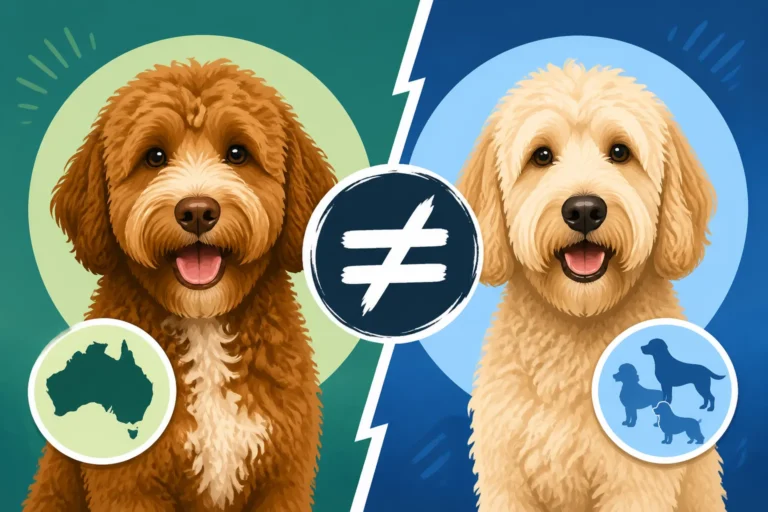
The term "Labradoodle" itself can be quite broad, encompassing everything from a first-generation cross to multi-generational dogs. The wider "doodle" community includes a myriad of other Poodle crosses, each with its own dedicated breeders and enthusiasts. WALA's specific focus is on the Australian Labradoodle, which, as discussed, is a distinct breed type with a multi-generational history and specific foundation breeds beyond just the Labrador and Poodle. This means that while WALA contributes to the overall credibility of "doodle" breeding by setting high standards, its guidelines and pedigrees are tailored for this specific lineage.
This distinction is important because not all breeders adhere to the same standards, nor do they all breed the Australian Labradoodle specifically. Some breeders might produce F1, F1b, or F2 Labradoodles without integrating the other foundation breeds that define the Australian Labradoodle. While these dogs can certainly make wonderful pets, they won't typically be registered with WALA, nor will their pedigrees carry the same specific meaning or depth of multi-generational tracking focused on the Australian Labradoodle standard. For those wanting a true Australian Labradoodle, WALA registration is a key indicator.
Comparing WALA with ALAA Standards
Another prominent organization in the Labradoodle world is the American Labradoodle Association of America (ALAA). Both WALA and ALAA share a common goal of promoting responsible breeding practices and health testing for Labradoodles, particularly Australian Labradoodles. However, there can be subtle differences in their specific breed standards, registration requirements, and ethical guidelines. While both are excellent resources, a breeder might choose to register with one or both, depending on their specific breeding program and goals.
For example, What ALAA Membership Requires of a Labradoodle Breeder might have slightly different nuances in terms of required health tests or generational definitions compared to WALA. It's not necessarily a matter of one being "better" than the other, but rather understanding their individual philosophies and requirements. When researching a breeder, it's a good practice to ask which associations they belong to and to familiarize yourself with the standards of those organizations. Both aim to ensure a level of accountability and quality control, helping to provide What a Labradoodle Health Guarantee Actually Covers. When looking for specific health-focused nutrition for your Labradoodle, resources like Chewy can be helpful, offering a wide array of options recommended by conscientious breeders.
Making an Informed Decision as a Buyer
Ultimately, navigating the world of Labradoodle pedigrees and associations comes down to making an informed decision as a buyer. Whether you're looking for an F1 Labradoodle or a multi-generational Australian Labradoodle, understanding the role of organizations like WALA empowers you to ask the right questions and evaluate breeders critically. Don't be afraid to ask a breeder about their WALA registration, to see copies of health clearances for the parent dogs, and to review the pedigree information for the specific litter you are interested in.
A reputable breeder will be transparent and happy to provide all this information, as they understand its importance to you. They will appreciate your diligence and your commitment to bringing home a healthy, well-bred puppy. By taking the time to understand what WALA does for Labradoodle pedigrees, you're not just buying a dog; you're investing in a well-documented lineage, a commitment to health, and the peace of mind that comes with knowing you’ve supported responsible breeding.
Disclaimer
This article is for general informational purposes only and does not constitute professional advice. Laws, prices and regulations vary by location and change over time. Consult a qualified professional for guidance on your specific situation.