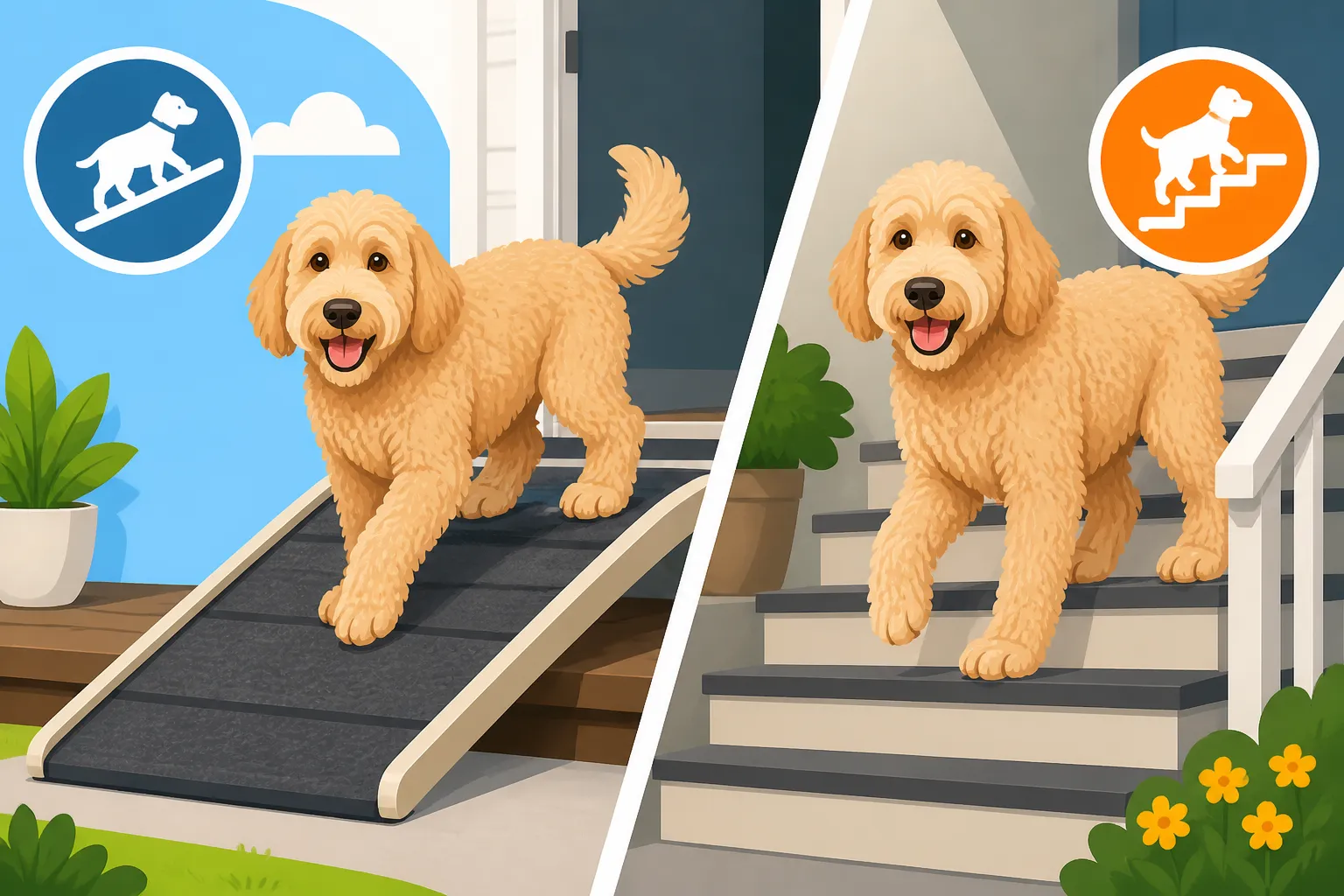
Ramps and Steps for an Aging Labradoodle
As our beloved Labradoodles age, many of us start noticing subtle changes in their mobility – a slight hesitation before jumping on the couch, a slower pace on walks, or difficulty getting into the car. These aren't just quirks; they're often signs that their joints are feeling the strain, and ignoring them can lead to discomfort and even injury. This guide will walk you through understanding why ramps and steps become essential for an aging Labradoodle, how to choose the right aids for your furry friend, and practical tips for introducing them seamlessly into your home life.
Why Your Aging Labradoodle Might Need Assistance
Watching your once sprightly Labradoodle start to slow down can be heartbreaking, but it's a natural part of aging. Just like humans, dogs experience wear and tear on their bodies, and their joints are often the first place to show it. It’s not about them being lazy; it's about their physical capabilities changing, and it's our job as their guardians to make their golden years as comfortable and dignified as possible.
Recognizing the Signs of Reduced Mobility
Sometimes, the signs are glaring: your Labradoodle cries out when trying to jump, or they outright refuse to use stairs they once bounded up. More often, however, the indicators are subtle, creeping in gradually until one day you realize just how much your dog's habits have changed. They might hesitate before taking a step down, or their morning stretch looks more strained. Perhaps they've stopped greeting you at the door with their usual enthusiastic leaps, or they prefer to sleep on the floor instead of their favorite raised dog bed. These small shifts are your Labradoodle's way of telling you that their body isn't quite what it used to be. They might start struggling with activities that require pushing off with their hind legs, like jumping into the car or onto the sofa. Arthritis in a Labradoodle at Ten is a common concern, and the pain associated with it can make even small movements a chore. Observing these subtle cues early allows you to intervene before greater discomfort sets in.
Common Joint Issues in Senior Labradoodles
Labradoodles, a crossbreed of Labrador Retrievers and Standard Poodles, can inherit predispositions to certain joint conditions from both sides of their lineage. Hip and elbow dysplasia, for example, are prevalent in both parent breeds and can become more symptomatic with age. As cartilage wears down, bones rub together, causing pain, inflammation, and reduced range of motion. Other issues like patellar luxation, or "slipping kneecaps," especially in smaller Labradoodles, can also worsen over time. These conditions don't just cause physical pain; they can also lead to muscle atrophy if your dog avoids using certain limbs, creating a vicious cycle of decreased mobility. Providing a safe, low-impact way for them to access their favorite spots, like a ramp for the car or steps for the bed, can significantly reduce the strain on these vulnerable joints and help maintain their muscle mass. Supporting a Sixty Pound Labradoodle That Cannot Rise is a difficult reality many owners face, and proactive measures like ramps can delay this stage.
Preventing Injuries and Enhancing Quality of Life
Beyond addressing existing pain, ramps and steps are invaluable tools for injury prevention. A single misstep while jumping off a couch or bed can lead to a sprain, torn ligament, or even a fractured bone, especially in a senior dog whose bones might be more brittle. The impact of landing can be jarring on arthritic joints, exacerbating their condition. By providing a gradual incline or manageable steps, you eliminate the need for jumping altogether. This not only protects their joints but also gives them back a sense of independence. Your Labradoodle can continue to enjoy snuggle time on the sofa or car rides to the park without having to rely on you to lift them, which, for a sixty-pound Labradoodle, can become quite challenging for owners too. Ensuring their comfort and safety translates directly into an improved quality of life, allowing them to remain active and engaged for longer. Exercise for a Stiff Old Labradoodle highlights the importance of adapted activity, and easy access via ramps and steps contributes directly to this.
Choosing the Right Ramps and Steps for Your Home
When it comes to selecting ramps and steps, it's not a one-size-fits-all situation. What works for one Labradoodle and home might not work for another. You'll need to consider factors like your dog's size, their specific mobility challenges, the areas you need to make accessible, and the overall aesthetic and space constraints of your home.
Ramps vs. Steps: Which Is Best?
This is often the first big decision. Both ramps and steps serve the purpose of helping your dog get up and down, but they do so in different ways and suit different needs.
| Feature | Ramps | Steps |
|---|---|---|
| Angle/Gradient | Gradual incline, no sudden drops | Series of risers, each requiring a step up/down |
| Joint Impact | Very low impact, ideal for severe arthritis or recovering from surgery | Moderate impact, still better than jumping |
| Space Required | Generally more space needed due to length of incline | More compact, fits better in smaller spaces |
| Ease of Use | Often easier for dogs to learn and navigate, especially if hesitant | Some dogs may find steps intimidating if they have balance issues |
| Portability | Folding ramps can be portable, but can be bulky | Lighter, smaller steps are often easier to move or store |
| Versatility | Good for cars, high beds, large sofas | Best for beds, sofas, smaller elevation changes |
| Cost | Can vary widely based on material and features | Generally more affordable for basic models |
For Labradoodles with significant joint pain, severe arthritis, or balance issues, a ramp is generally the safer and more comfortable choice. The continuous surface removes the need for individual lifting motions, which can be painful. However, ramps do require more horizontal space. If you have limited room, or if your Labradoodle's mobility issues are mild, steps can be a perfectly viable and space-saving solution. Think about the height of your furniture or car seat. The higher the obstacle, the longer the ramp will need to be to maintain a gentle, safe incline.
Materials and Features to Consider
The market offers a wide array of ramps and steps, and understanding the different materials and features can help you make an informed decision.
-
Materials:
- Wood: Often sturdy and can be quite attractive, blending well with home decor. However, they can be heavy and less portable. Look for non-slip surfaces or carpeted treads.
- Plastic: Lightweight, durable, and often more affordable. Excellent for portability, especially for car ramps. Make sure the plastic is high-quality and rigid enough for your Labradoodle's weight. Many of these come with anti-skid surfaces already molded in.
- Foam: Usually found in pet steps, these are soft and lightweight, making them easy to move around. They are best for lower furniture and lighter dogs, but some higher-density foam options can support a sixty-pound Labradoodle well. Ensure the cover is removable and washable.
- Metal: Less common for indoor use but can be found in some heavy-duty outdoor or car ramps, offering excellent durability and weight capacity.
-
Key Features:
- Non-Slip Surface: This is absolutely critical. Whether it's carpet, sandpaper-like texture, or rubber grips, a non-slip surface prevents slips and falls, especially important for older dogs with less stable footing.
- Sturdiness and Weight Capacity: Your Labradoodle is not a small dog. Ensure the ramp or steps can safely support their weight. A wobbly or flimsy ramp will scare them away and could cause injury. Check the manufacturer's stated weight limit carefully.
- Portability/Foldability: If you need a ramp for the car or want to move steps between rooms, look for lightweight, folding, or collapsible options. Many great choices are available on platforms like Amazon or Chewy.
- Height and Incline: Measure the height of the surface your dog needs to access (bed, couch, car). For ramps, consider the ideal incline. A general rule of thumb is that for every 12 inches of height, you need about 36-48 inches of ramp length for a gentle slope. For steps, ensure the rise of each step is manageable for your dog's leg length.
- Safety Rails: Some ramps, particularly longer ones, come with side rails, which can provide an extra sense of security for dogs who are nervous or have poor vision.
Placement and Practical Considerations
Before you even buy, think about where these aids will live. Will a ramp block a doorway or walkway? Do the steps fit neatly beside the bed? Consider the following:
- Location, Location, Location: Where does your Labradoodle spend most of their time? Is it the sofa for evening snuggles? Your bed for morning cuddles? The back seat of the car for adventures? Identify the key elevated spots they frequent. You might need multiple solutions.
- Stability: Once placed, the ramp or steps should not slide or tip. Look for rubberized feet or consider adding non-slip pads to the bottom. If using a car ramp, ensure it securely hooks or rests on the vehicle's bumper.
- Aesthetics: While functionality is paramount, you don't want an eyesore in your living room. Many pet furniture options now come in attractive designs and colors that can complement your home.
- Cleaning: Choose materials that are easy to clean. Accidents happen, and a machine-washable cover for foam steps or a wipeable surface for a plastic ramp will be a blessing.
Taking these factors into account will help you select the most appropriate and beneficial aids for your aging Labradoodle, ensuring they can continue to enjoy their favorite spots safely.
Introducing and Training Your Labradoodle to Use Them
Even the most well-intentioned ramp or set of steps can be useless if your Labradoodle is afraid to use it. Many dogs, especially those already experiencing discomfort, can be wary of new objects. Patience, positive reinforcement, and a gradual approach are key to successful introduction and training.
Making a Positive First Impression
The first time your Labradoodle sees the new ramp or steps should be a positive experience. Don't just set it up and expect them to use it immediately.
- Neutral Introduction: Place the ramp or steps in a neutral area, away from the furniture or car, for a day or two. Let your Labradoodle sniff it, walk around it, and get used to its presence without any pressure. You can even place a favorite toy or a few high-value treats around it.
- Associate with Good Things: Before asking them to use it, make it a source of positive association. Drop treats on and around it. Play gentle games nearby. The goal is for them to see it as a benign, even pleasant, object. The Treats a Labradoodle Trains Best For will be your best friend here – think small, soft, and smelly.
- No Pressure, Ever: Never force your Labradoodle onto the ramp or steps. Pushing, pulling, or scolding will only create a negative association and make them more resistant. This is especially true for senior dogs who might be more sensitive or in pain.
Step-by-Step Training for Ramps
Ramps are generally easier for dogs to learn than steps due to their continuous surface.
- Start Flat (if possible): If you have a portable ramp, initially place it almost flat on the ground, creating a very slight incline. Lure your dog across it with treats, praising them lavishly.
- Gradual Incline: Slowly increase the incline of the ramp over several sessions. Start by placing just the top end on a very low stool or curb.
- Lure with Treats: Hold a high-value treat at your Labradoodle's nose level and guide them up the ramp, placing treats every few steps to encourage forward motion. Use a calm, encouraging voice.
- Practice Going Down: Once they are comfortable going up, practice going down. This can sometimes be more intimidating. Again, use treats to lure them, ensuring they take it slowly. You might want to stand at the bottom to offer reassurance.
- Connect to the Target: Once they're comfortable with the ramp itself, move it to its intended location (e.g., next to the couch or car). Start the luring process again, connecting the top of the ramp to the target surface. Offer enthusiastic praise and a jackpot of treats when they successfully navigate it to get to their favorite spot.
- Repetition and Routine: Practice several times a day in short, positive sessions. Consistency is key. Soon, it will become a natural part of their routine.
Step-by-Step Training for Steps
Steps can be a bit more challenging for some dogs, especially if they have depth perception issues or significant stiffness.
- One Step at a Time: Start with just one step, if possible, or introduce them to the bottom step of a larger set. Place a treat on the first step, encouraging them to place one paw up.
- Lure Upwards: Use treats to lure them up each individual step. Place a treat on the next step to encourage them to lift their feet. Keep the sessions short and upbeat.
- Support and Guidance: For the first few times, you might need to gently guide their back end or support them as they lift their legs, especially if they're hesitant.
- Downward Practice: Once they master going up, tackle going down. This often requires more confidence. Stand at the bottom and lure them with a treat, encouraging slow, controlled descents.
- Praise and Reward: Every successful ascent and descent deserves enthusiastic praise and a tasty reward.
- Integrate into Daily Life: Once comfortable, place the steps by their bed or sofa. Use them consistently every time they want to get on or off the furniture.
Remember, every Labradoodle is an individual. Some might take to ramps and steps immediately, while others might need weeks of patient, consistent training. Don't get discouraged, and celebrate every small victory. You might find some excellent instructional videos on pet supply sites like Chewy or Amazon that demonstrate these training techniques.
Beyond Ramps and Steps: Other Support for Senior Labradoodles
While ramps and steps are fantastic tools for improving mobility, they are just one piece of the puzzle in caring for an aging Labradoodle. A holistic approach that includes diet, appropriate exercise, and regular veterinary check-ups will ensure your furry companion enjoys their senior years to the fullest.
Nutritional Support and Weight Management
One of the biggest impacts you can have on your aging Labradoodle's joint health is through their diet and weight. Excess weight puts immense strain on already compromised joints, exacerbating conditions like arthritis and making movement more painful.
- Senior-Specific Diets: Many dog food brands offer formulas tailored for senior dogs, often with lower calorie counts to prevent weight gain, and enriched with joint-supporting ingredients like glucosamine and chondroitin. Discuss these options with your veterinarian. You can find a wide variety of these specialized foods on sites like Chewy.
- Joint Supplements: Even if their food contains joint support, your vet might recommend additional supplements. These often come in chewable forms and can make a noticeable difference in comfort and mobility. Always consult your vet before adding any new supplements to your dog's regimen. Whether Glucosamine Helps a Labradoodle's Joints is a common question, and it's certainly worth exploring with professional guidance.
- Portion Control: As a Labradoodle's activity level naturally decreases with age, their caloric needs also drop. It's easy for them to pack on pounds without you even noticing. Carefully measure their food portions according to their ideal weight, not their current weight. The Weight a Labradoodle Should Hold is something to monitor closely.
- Healthy Treats: Limit high-calorie treats. Opt for low-calorie options like small pieces of cooked vegetables (carrots, green beans) or choose commercially available low-fat treats.
Adapted Exercise and Physical Therapy
Just because your Labradoodle is aging doesn't mean they should stop moving! Appropriate exercise is crucial for maintaining muscle mass, joint flexibility, and mental well-being. However, the type and intensity of exercise need to be adjusted.
- Gentle Walks: Instead of long, strenuous hikes, opt for several shorter, slower walks throughout the day. Focus on flat, even surfaces to minimize strain.
- Swimming: If your Labradoodle enjoys water and has no open wounds, swimming can be an excellent low-impact exercise. The buoyancy of the water takes pressure off their joints while still allowing them to move their limbs and build muscle.
- Physical Therapy: A certified canine rehabilitation therapist can develop a customized exercise plan. This might include therapeutic exercises, hydrotherapy (under supervision), massage, or even laser therapy to reduce pain and inflammation. Ask your vet for a referral. Exercise for a Stiff Old Labradoodle is a critical aspect of their senior care.
- Mental Stimulation: Keep their minds active with puzzle toys, scent games, or short training sessions. Mental exercise is just as important as physical for a happy, engaged senior dog.
Regular Veterinary Check-ups
As your Labradoodle enters their golden years, regular veterinary visits become even more important.
- Early Detection: Many age-related conditions, like arthritis, thyroid issues, or even early signs of Cancer in an Older Labradoodle, can be managed more effectively if caught early. Your vet can perform routine screenings and blood tests to monitor their overall health. The Yearly Screening a Labradoodle Should Get is paramount.
- Pain Management: If your Labradoodle is experiencing chronic pain from arthritis or other joint conditions, your vet can prescribe appropriate pain medication or anti-inflammatory drugs to improve their comfort.
- Quality of Life Discussions: Be open with your vet about your Labradoodle's quality of life. They can offer invaluable advice on managing age-related changes and help you make difficult decisions when the time comes. The Point a Labradoodle's Owner Has to Decide is never easy, but your vet is there to support you.
By thoughtfully integrating ramps and steps, adjusting their diet, adapting their exercise routine, and maintaining close contact with your veterinarian, you can help your aging Labradoodle live out their senior years with comfort, dignity, and joy.
Disclaimer
This article is for general informational purposes only and does not constitute professional advice. Laws, prices and regulations vary by location and change over time. Consult a qualified professional for guidance on your specific situation.