Exercise for a Labradoodle With Stiff Hips
It's incredibly disheartening and often quite worrying when you notice your active, loving Labradoodle starting to slow down, showing stiffness, or even struggling with simple movements they once did with ease. You see that slight hesitation before they jump into the car, or the way they might limp a little after a long nap, and your heart just sinks. This guide is here to walk you through how to adapt exercise routines and provide comprehensive support for your Labradoodle who is dealing with the discomfort of stiff hips, helping them maintain their joy and mobility for as long as possible.
Understanding Stiff Hips in Your Labradoodle
When your Labradoodle starts showing signs of hip stiffness, it's not just a "getting old" thing; it's often a sign of an underlying issue that needs attention. These dogs, being a blend of Labrador Retriever and Poodle, inherit predispositions to certain joint problems, and recognizing these can help you understand what's happening.
Common Causes of Hip Stiffness
The most frequent culprit behind stiff hips in Labradoodles is hip dysplasia, a condition where the hip joint doesn't form correctly, leading to a loose fit of the ball and socket. Over time, this abnormal wear and tear results in degenerative joint disease, or osteoarthritis. It’s a progressive condition, meaning it often gets worse with age, but it can start subtly even in younger dogs. You might think, "My dog is still young, how can they have arthritis?" But the underlying dysplasia can be present from puppyhood, slowly causing changes that only become apparent later.
Beyond hip dysplasia, other factors contribute to stiffness. General arthritis, even without severe dysplasia, can develop as a dog ages, just like in people. Injuries, though less common as a primary cause of chronic stiffness, can certainly exacerbate pre-existing conditions or lead to new ones. Sometimes, even muscular strains from overexertion can mimic hip stiffness. For example, if your Labradoodle has a particularly exuberant play session after a period of less activity, they might wake up stiff and sore, which isn't chronic but needs careful management to prevent long-term issues. Hips and Elbows in a Sixty Pound Labradoodle delves into some of these foundational joint concerns.
Recognizing the Signs of Discomfort
The signs of hip discomfort in a Labradoodle can be subtle at first, easily dismissed as laziness or just "being a dog." You might notice your dog is reluctant to jump into the car or onto the sofa, whereas before they'd leap without a second thought. Perhaps they struggle to rise after lying down for a while, taking a few attempts or needing to stretch out awkwardly. A slight limp, especially after exercise or when they first get up, is a significant indicator. Observe their gait: do they swing their hips more than usual, or take shorter strides with their hind legs?
Other signs might include a decreased interest in walks or play, a change in personality (becoming more withdrawn or irritable due to pain), or even vocalizing—a whimper or groan—when stretching or moving in certain ways. Some dogs might even start licking or chewing at their hip area in an attempt to alleviate discomfort. It’s critical to pay attention to these changes, no matter how minor, because early intervention can make a huge difference in managing the condition. Owners often tell me they wished they'd paid more attention to The Vague Signs of Addison's in a Labradoodle, and the same can be said for hip pain—it's often hidden until it's more advanced.
The Importance of a Veterinary Diagnosis
If you suspect your Labradoodle has stiff hips or is in pain, the absolute first step is to get a professional veterinary diagnosis. Self-diagnosing based on internet searches, while well-intentioned, can lead to incorrect assumptions and delay proper treatment. A veterinarian can accurately assess your dog's gait, manipulate their joints to check for pain and range of motion, and recommend diagnostic imaging such as X-rays. X-rays are crucial for visualizing the hip joints, confirming conditions like hip dysplasia or arthritis, and assessing the severity.
A proper diagnosis allows your vet to create a tailored management plan, which might include medication, physical therapy, or specific exercise recommendations. They can also rule out other conditions that might present similarly, ensuring your Labradoodle receives the most appropriate care. Ignoring the signs or hoping they'll go away only prolongs discomfort for your beloved companion and could lead to more severe problems down the line. It's an investment in their quality of life, and getting that clear picture is invaluable.
Tailoring Exercise Routines for Hip Health
Once you have a diagnosis, the conversation around exercise shifts from "how much?" to "what kind?" and "how gentle?" The goal isn't to stop exercise entirely, but to adapt it to support their joints and maintain muscle mass without causing pain or further damage.
Low-Impact Activities for Joint Support
For Labradoodles with stiff hips, low-impact exercises are truly your best friend. These activities help maintain muscle strength around the hips, which is vital for joint stability, without putting excessive strain on the damaged cartilage or bone.
Swimming: This is often touted as the "king" of low-impact exercises for dogs with joint issues, and for good reason! The buoyancy of the water supports their body weight, greatly reducing stress on the hips. It allows them to move their legs through a full range of motion, building muscle tone in the hindquarters without the jarring impact of land-based exercise. You can take your Labradoodle to a local dog-friendly pool, a clean lake, or even invest in a small, sturdy dog pool for your backyard. Always ensure they are supervised and wear a doggy life vest, especially if they aren't strong swimmers. It's a fantastic way for them to get a full-body workout and feel that joyful freedom of movement again. Just remember to thoroughly Drying a Labradoodle After It Swims to prevent skin issues.
Short, Controlled Leash Walks: While long, vigorous walks might be off the table, short, frequent walks on a leash are beneficial. The key here is "controlled" and "short." Instead of one long hike, consider two or three shorter, flatter walks throughout the day. This helps keep their joints mobile and muscles engaged without over-tiring them or causing inflammation. Avoid uneven terrain, steep hills, or slippery surfaces, as these can put undue stress on their hips. A leisurely stroll around the block, allowing them to sniff and explore at their own pace, is perfect. The idea is consistent, gentle movement, not pushing for endurance.
Gentle Play in the Yard: Instead of intense games of fetch that involve sharp turns and sudden stops, switch to rolling a soft ball or toy a short distance. This encourages them to walk and trot, rather than sprint and jump. You can also engage them in scent games, hiding treats around the yard for them to find. This mental stimulation is just as important as physical exercise for a Labradoodle and keeps their minds active without taxing their body. Think about how to enrich their day without demanding explosive movements.
Modifying High-Impact Play
The exuberant nature of a Labradoodle often means they love to run, jump, and play hard. However, with stiff hips, these high-impact activities become detrimental. It’s tough to say "no" to their pleading eyes when they want to chase the ball at full speed, but modifying their play is essential for their long-term comfort.
Rethink Fetch: Instead of throwing the ball for a full-out sprint and slide, try rolling it gently a few feet away. This keeps them moving and engaged, but at a controlled pace. If they're accustomed to intense fetch, this transition might take some patience. You might need to use a longer leash in a safe, enclosed area to prevent them from bolting at full speed, gradually allowing more freedom as they learn the new rules.
Avoid Jumping and Sudden Twists: This means no more leaping for frisbees, jumping up to greet people, or rapid changes in direction during play. If your dog loves to jump on furniture, consider providing ramps or steps. These can be easily found on platforms like Amazon or Chewy, offering a safe ascent and descent without pain. For dogs with severe hip issues, even turning too quickly can cause discomfort. Encourage straight-line movements and gentle, sweeping turns rather than tight pivots.
Alternatives to Intense Running: If your Labradoodle loves to run, consider a large, fenced, flat area where they can trot or canter at their own comfortable pace without the pressure of a fast-moving object or other dogs. Avoid dog parks with rough-and-tumble play if your dog has stiff hips, as uncontrolled interactions can lead to accidental injury. Focus on quality, gentle movement over high-octane bursts of energy.
Incorporating Gentle Stretching and Massage
Just like in humans, gentle stretching and massage can be incredibly beneficial for dogs with stiff hips. These techniques can improve flexibility, increase blood flow to the muscles, and reduce overall stiffness. However, it's crucial to approach this with caution and, ideally, guidance from a professional.
Passive Range of Motion (PROM) Exercises: These involve gently moving your dog's joints through their natural range of motion while they are relaxed. For example, slowly extending and flexing each hind leg. Never force a movement if your dog resists or shows pain. This should always be done under the guidance of a vet or a certified canine physical therapist to ensure you're doing it correctly and not causing harm.
Therapeutic Massage: Gentle massage around the hip area can help relax tight muscles that might be compensating for joint discomfort. Use slow, circular motions with light pressure. Look for signs of relaxation from your dog, like sighing or leaning into your touch. If they show any discomfort, stop immediately. A professional canine massage therapist can teach you proper techniques and identify trigger points that might be contributing to their stiffness. Many find that combining this with a warm compress can further aid muscle relaxation.
Consistency is key here. Even a few minutes of gentle stretching and massage daily can make a noticeable difference in your Labradoodle's comfort and mobility. Think of it as part of their daily routine, a moment of bonding that also provides therapeutic benefits.
Supportive Measures Beyond Exercise
Exercise is crucial, but it's just one piece of the puzzle when managing stiff hips. A holistic approach that includes nutrition, environmental adjustments, and ongoing veterinary care will yield the best results for your Labradoodle.
Nutritional Support and Weight Management
What goes into your Labradoodle's body can significantly impact their joint health. Maintaining a healthy weight is paramount. Excess weight puts additional strain on already compromised joints, accelerating the progression of arthritis and increasing pain. Work with your vet to determine your Labradoodle's ideal weight and adjust their diet accordingly. Sometimes, simply reducing portion sizes slightly or switching to a lower-calorie, high-quality dog food can make a big difference. The Weight a Labradoodle Should Hold is a good reference point for understanding what a healthy weight looks like.
Joint Supplements: Many owners find success incorporating joint supplements into their dog's daily routine. Common ingredients include:
- Glucosamine and Chondroitin: These are natural components of cartilage and are believed to help repair and maintain cartilage, as well as reduce inflammation.
- Omega-3 Fatty Acids (EPA and DHA): Often sourced from fish oil, these have powerful anti-inflammatory properties that can significantly reduce joint pain and stiffness.
- MSM (Methylsulfonylmethane): Another compound thought to reduce inflammation and pain.
There are many reputable brands offering these supplements, available at pet supply stores like Chewy or online retailers such as Amazon. Some specialized dog food brands, like Ollie, might also offer formulations with added joint support, though always double-check the ingredient list and consult your vet. It's not a magic bullet, but a consistent regimen can offer noticeable relief and slow down joint degeneration. Whether Glucosamine Helps a Labradoodle's Joints provides more detail on this topic.
Environmental Adjustments for Comfort
Your home environment can be a huge factor in your Labradoodle's comfort. Simple adjustments can make their daily life much easier and reduce the risk of slips or falls that could exacerbate hip pain.
Orthopedic Beds: Investing in a high-quality orthopedic dog bed is one of the best things you can do. These beds are designed with supportive foam that cradles joints, relieves pressure points, and provides superior comfort compared to standard dog beds. Place them in their favorite resting spots.
Non-Slip Surfaces: Slippery floors, like hardwood or tile, can be treacherous for a dog with stiff hips. They may struggle to gain traction, leading to slips that can cause pain or even injury. Lay down non-slip rugs, carpet runners, or even yoga mats in high-traffic areas where your dog walks. This provides better grip and confidence.
Ramps and Steps: If your Labradoodle loves being on the couch, bed, or riding in the car, provide ramps or steps. These allow them to access their favorite spots without having to jump, which is incredibly taxing on stiff hips. You can find a wide variety of these on pet-focused websites or even general online marketplaces like Amazon. Installing a ramp for the car or a set of steps for the sofa can dramatically improve their independence and comfort. For an older Labradoodle struggling to get around, Ramps and Steps for an Aging Labradoodle is a must-read.
Elevated Food and Water Bowls: While sometimes debated in relation to bloat, for dogs with severe hip issues, elevated bowls can reduce the strain on their neck and hips by allowing them to eat and drink without having to bend down too far. Observe your dog; if they seem uncomfortable bending low, this might be a worthwhile adjustment.
Regular Veterinary Check-ups and Pain Management
Living with a dog with stiff hips requires ongoing partnership with your veterinarian. Regular check-ups, often more frequent than for a perfectly healthy dog, are essential to monitor the progression of their condition and adjust their pain management plan as needed.
Medication Options: Your vet might prescribe Non-Steroidal Anti-Inflammatory Drugs (NSAIDs) to manage pain and inflammation. These can be highly effective in improving comfort and mobility. There are various options, and your vet will choose the most appropriate one for your dog, considering their overall health and potential side effects. It’s vital to follow dosage instructions precisely and never give human pain medication to your dog, as it can be toxic. Other medications, like gabapentin or amantadine, might also be used in conjunction with NSAIDs for more complex pain management.
Other Therapies: Beyond medication, your vet might suggest other therapies such as:
- Laser Therapy: A non-invasive treatment that uses specific wavelengths of light to stimulate cellular healing, reduce inflammation, and alleviate pain.
- Acupuncture: An ancient practice involving the insertion of thin needles into specific points on the body to promote healing and pain relief.
- Injections: Some vets offer joint-lubricating injections or corticosteroid injections directly into the joint space to provide longer-lasting relief.
The key is a proactive approach. Don't wait until your Labradoodle is in severe pain; discuss preventative and ongoing pain management strategies with your vet from the moment you notice stiffness. This is part of The Yearly Screening a Labradoodle Should Get that becomes even more important as they age.
Preventing Further Deterioration and Enhancing Quality of Life
The journey with a Labradoodle with stiff hips is ongoing. While you can't reverse conditions like hip dysplasia or severe arthritis, you can certainly slow their progression, manage pain, and significantly enhance your dog's quality of life.
The Role of Physical Therapy and Hydrotherapy
These specialized therapies can be game-changers for dogs struggling with hip stiffness. They are designed to build strength, improve flexibility, and reduce pain in a structured, safe environment.
Canine Physical Therapy: A certified canine physical therapist will create a personalized program tailored to your Labradoodle's specific needs and condition. This might include:
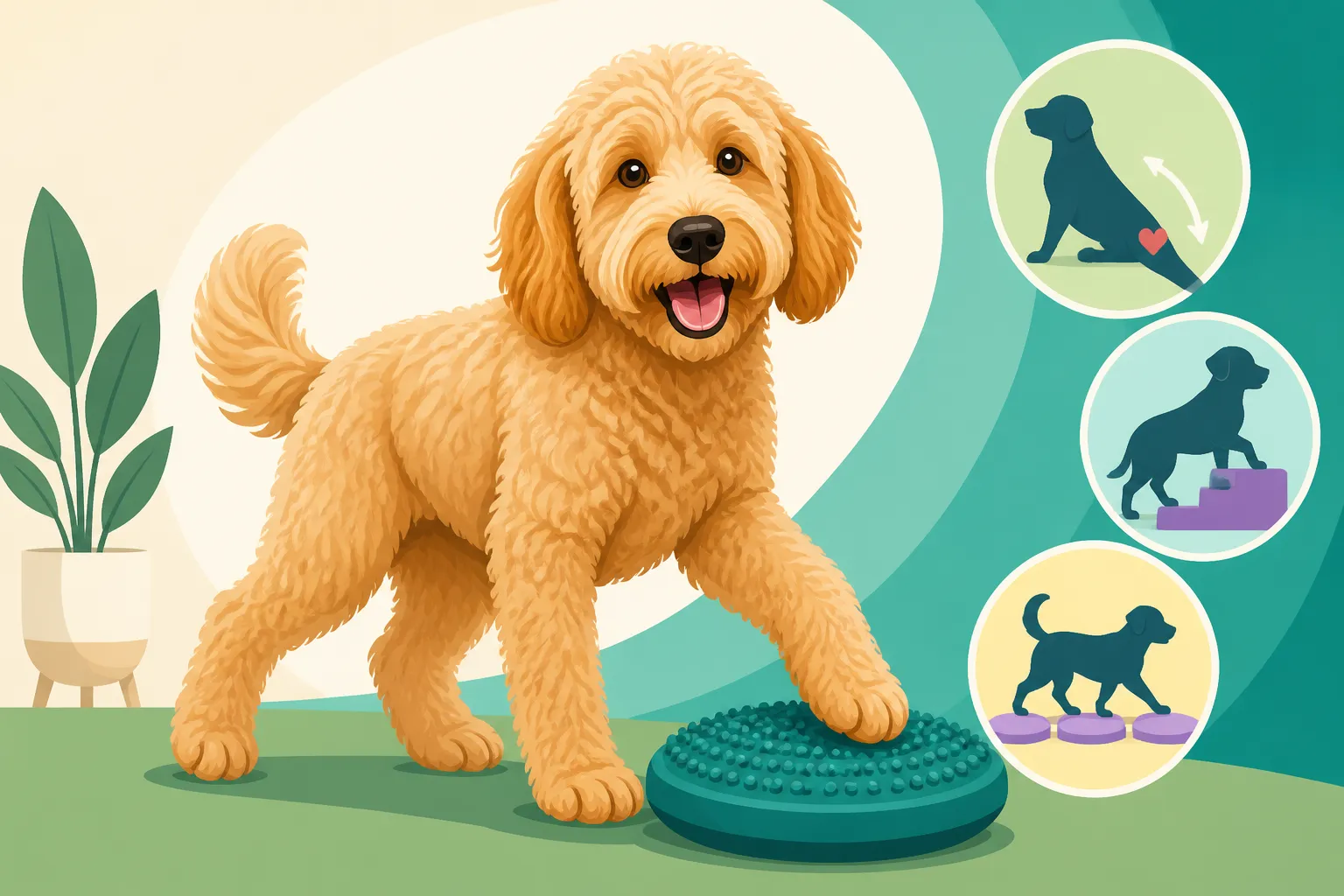
- Therapeutic exercises: Specific movements to strengthen core muscles, hindquarters, and improve balance. These are often done with specialized equipment like balance balls, cavaletti poles, or underwater treadmills.
- Manual therapy: Techniques like joint mobilizations and stretches performed by the therapist to improve range of motion.
- Therapeutic massage: Deeper, more targeted massage than you might do at home, to address muscle imbalances and pain points.
Imagine a scenario where your Labradoodle can barely stand up without struggling. After a few weeks of consistent physical therapy, you might see them rising with less effort, walking with a more confident stride, and even showing a renewed interest in gentle play. It’s incredibly rewarding.
Hydrotherapy: Often a component of physical therapy, hydrotherapy takes advantage of water's buoyancy and resistance. This can be done in a pool or on an underwater treadmill.
- Underwater Treadmill: Your dog walks on a treadmill submerged in warm water. The water supports their weight, reducing impact, while the resistance of the water helps build muscle strength and improve gait. The warm water also helps soothe stiff joints.
- Therapeutic Swimming: Structured swimming sessions in a controlled environment, often with a therapist guiding movements, can be excellent for full-body conditioning without impact.
Hydrotherapy is particularly effective because it allows for robust exercise without pain, often providing mental stimulation as well. For many Labradoodles, it's not just therapy; it's fun!
Long-Term Management Strategies
Managing stiff hips in your Labradoodle is a marathon, not a sprint. It requires a consistent, holistic approach and a willingness to adapt as your dog's needs change.
Consistent Routine: Maintaining a predictable routine for walks, meals, and rest periods can help your dog adapt. Regular, gentle exercise is better than sporadic bursts of activity. If they have a "bad day," adjust their activity level without completely stopping.
Observation and Communication: Continuously observe your Labradoodle for any changes in their mobility, pain levels, or behavior. Keep a journal if it helps. Communicate regularly with your veterinarian about these observations. You are your dog's best advocate, and your insights are invaluable to their care team. What a Labradoodle Owner Should Watch For After Eight emphasizes the importance of these observations.
Home Adaptations: Revisit your home environment periodically. Are the ramps still sufficient? Do new slippery spots need addressing? As your dog ages or their condition progresses, what worked before might need an upgrade.
Mental Enrichment: Don't forget their mental health! Pain and reduced mobility can lead to boredom and frustration. Incorporate puzzle toys, scent work (hiding treats), and gentle training sessions to keep their minds sharp and spirits high. A happy dog is better equipped to handle physical challenges.
When to Consult a Specialist
While your general veterinarian is your primary partner, there might come a time when consulting a veterinary specialist is warranted.
Orthopedic Surgeon: If conservative management (medication, supplements, physical therapy) is no longer providing adequate relief, or if the hip dysplasia is very severe, your vet might recommend a consultation with a board-certified veterinary orthopedic surgeon. They can discuss surgical options, such as Femoral Head Ostectomy (FHO) or total hip replacement, which can significantly improve quality of life for certain dogs. Whether an FHO Suits a Miniature Labradoodle touches on one such option.
Rehabilitation Specialist: If your vet's office doesn't offer extensive physical therapy or hydrotherapy, they might refer you to a dedicated canine rehabilitation center with specialists trained in these areas. These facilities often have state-of-the-art equipment and a deep understanding of how to maximize mobility and minimize pain.
Pain Management Specialist: For complex cases where pain is difficult to control with standard medications, a referral to a veterinary pain management specialist can be beneficial. They have expertise in multimodal pain management plans, which might include nerve blocks, advanced medications, or other specialized techniques.
The decision to seek specialist care is often a difficult one, but it's about exploring all avenues to give your Labradoodle the best possible comfort and function.
| Exercise Type | Impact Level | Benefits | Considerations |
|---|---|---|---|
| Low-Impact | |||
| Swimming | Very Low | Builds muscle, improves range of motion, no impact | Supervise closely, ensure safety (life vest), thorough drying |
| Short Leash Walks | Low | Maintains mobility, gentle muscle engagement | Avoid hills, uneven terrain; frequent short walks better than one long one |
| Gentle Play (rolling) | Low | Mental and light physical stimulation | Avoid quick turns, sudden stops, jumping |
| Hydrotherapy | Very Low | Targeted muscle strengthening, pain relief | Requires access to specialized facility and professional guidance |
| High-Impact (to be modified or avoided) | |||
| Fetch (intense) | High | High cardio, builds stamina | Leads to jarring, twisting, rapid acceleration/deceleration; significant strain on hips |
| Jumping/Agility | High | Explosive power, coordination | Extreme stress on joints, high risk of injury or exacerbation of existing conditions |
| Long, Hilly Hikes | Moderate-High | Endurance, mental stimulation | Increases strain on hips, especially on inclines/declines; can lead to overexertion and pain |
| Rough Dog Park Play | High | Social interaction, high energy release | Unpredictable movements, potential for collision/injury from other dogs |
Disclaimer
This article is for general informational purposes only and does not constitute professional advice. Laws, prices and regulations vary by location and change over time. Consult a qualified professional for guidance on your specific situation.