Whether a Bowl Wets a Labradoodle’s Beard
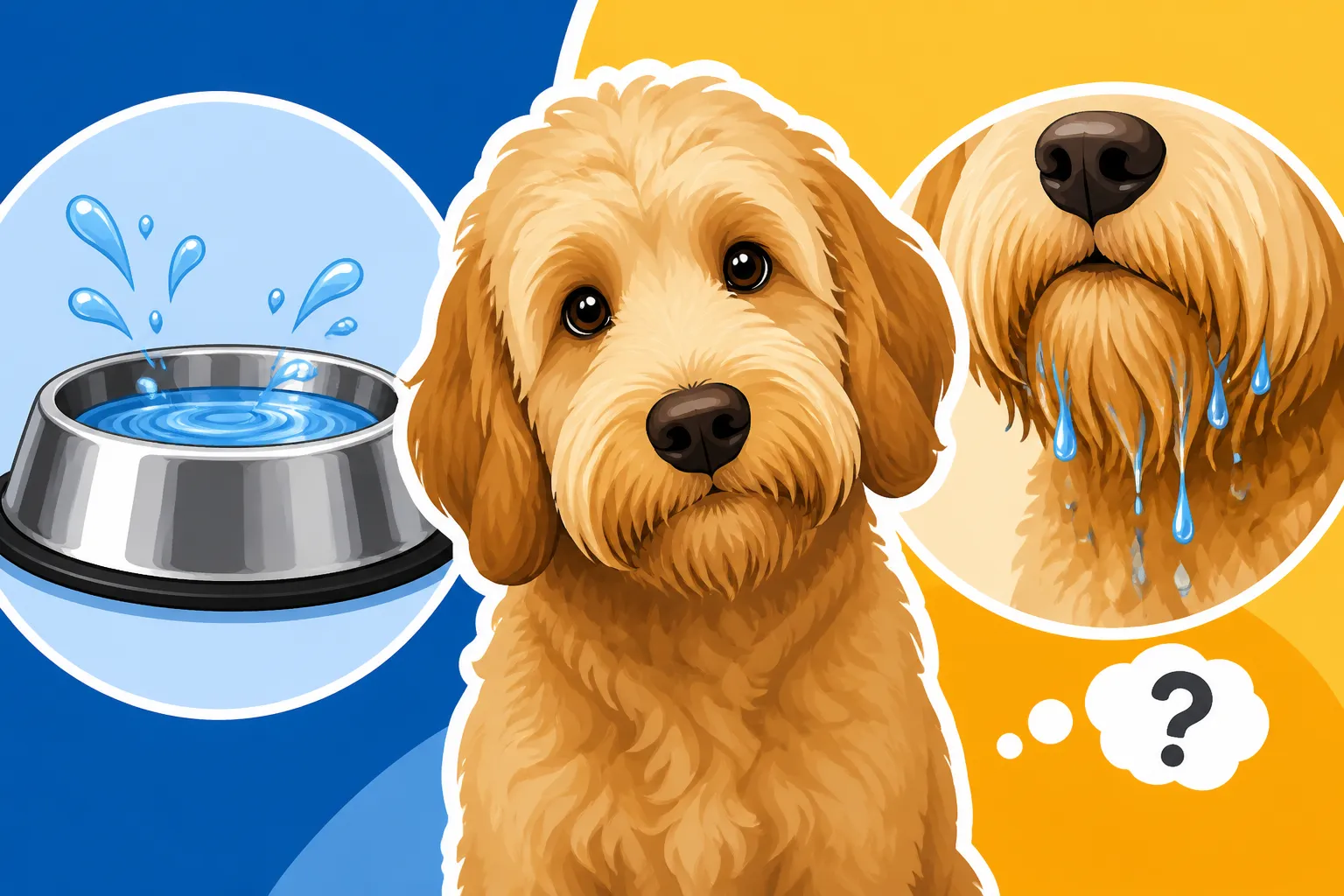
Ah, the daily saga of the perpetually soaked Labradoodle beard! If you're a Labradoodle parent, you've no doubt experienced that moment when your beloved companion saunters away from their water bowl, leaving a glistening trail of water droplets across your floor, your clothes, and sometimes, even your clean furniture. It’s more than just a minor annoyance; a consistently wet beard can lead to a whole host of issues, from skin irritation to a less-than-pleasant smell. This guide is here to unravel why your Labradoodle's beard seems to act like a sponge and, more importantly, what practical steps you can take to keep that adorable face drier and healthier.
The Labradoodle's Unique Facial Hair and Enthusiastic Drinking Style
Let's be real, a Labradoodle's charming, shaggy face is a big part of their appeal. That lovely "furnishing" around their muzzle, often referred to as a beard, is a direct inheritance from their Poodle lineage. Unlike the short, sleek coat of a Labrador Retriever, the Poodle's curly, continuously growing hair forms a soft, dense fringe around the mouth. This isn't just for looks; it’s an incredibly efficient mop when it comes to water.
The Poodle's Influence on Facial Furnishings
The gene responsible for those delightful facial furnishings – the beard, mustache, and eyebrows – is often called the "furnishings gene." Poodles possess two copies of this gene, which is why their faces are famously hairy. When a Poodle is crossed with a Labrador, you get a Labradoodle, and depending on the generation and specific genetics, they will inherit varying degrees of these furnishings. Most Labradoodles, especially the multi-generational ones, have a prominent beard that can range from wavy to curly, and it's designed by nature to absorb moisture. Imagine a fluffy dish sponge; that's essentially what your Labradoodle's beard becomes when they take a drink.
This dense, absorbent hair acts like wicks, pulling water up from the bowl. It's not just the tips of the hair that get wet; the moisture travels up the shafts, getting the undercoat and even the skin damp. This isn't a problem when they're simply getting a quick sip, but most Labradoodles are not delicate drinkers.
The Art of the Doggy Drink: More Plunge, Less Sip
Have you ever watched your Labradoodle drink water? It's rarely a dainty affair. Many dogs, and Labradoodles are no exception, tend to plunge their entire snout, sometimes almost up to their eyes, into the water bowl. They create a little divot with their tongue, scooping water upwards, but in doing so, their entire beard area becomes fully submerged. It’s an efficient way for them to hydrate, especially after a good run or a vigorous play session, but it’s a disaster for keeping their faces dry.
This enthusiastic drinking style, combined with the super-absorbent nature of their Poodle-inherited beard, is the perfect recipe for a soggy mess. It's not that your dog is trying to be messy; it's simply how their anatomy and natural behavior combine. The water clinging to their beard then drips, shakes, or gets wiped onto everything within their immediate vicinity, much to the exasperation of their human companions. It’s a common frustration, and one that many Labradoodle owners grapple with daily.
The Cascade of Consequences: Why a Wet Beard is More Than Just a Nuisance
While a wet beard might seem like a minor annoyance, a perpetually damp face for your Labradoodle can lead to a surprising number of problems that impact their health, hygiene, and even your household cleanliness. It's not just about a few drops on the floor; it's about persistent dampness in an area that's prone to issues.
The Unwanted Scent and Potential for Skin Irritation
Let's address the elephant in the room: the smell. When hair stays wet for extended periods, especially with residual food particles or saliva, it becomes a breeding ground for bacteria and yeast. This can lead to that distinct, sometimes pungent, "wet dog" smell that seems to emanate specifically from their beard. No amount of air freshener can truly combat a constantly damp, slightly funky Labradoodle beard. It's not a pleasant scent to have wafting through your home, especially when your dog inevitably decides to snuggle up to you right after a drink.
Beyond the smell, persistent dampness creates a warm, moist environment against the skin, which is ideal for yeast and bacterial infections to take hold. You might notice redness, irritation, itching, or even hair loss around the muzzle or chin area. This condition, often referred to as "wet chin" or "dermatitis," can be uncomfortable and painful for your dog. If left untreated, it can escalate into a more severe skin infection requiring veterinary attention. Regularly checking under your Labradoodle's beard for any signs of skin redness or irritation is a vital part of their routine care.
Matting, Staining, and Household Havoc
The Labradoodle's coat, whether it's The Fleece Coat and Why Breeders Aim For It or the denser wool type, is highly prone to matting, and the beard is a prime location for this problem. When the hair is constantly wet, then dries, it tends to clump and tangle. This process is exacerbated by your dog rubbing their face on furniture, carpets, or even scratching at their chin, which further weaves the damp hair together. Before you know it, you can have tight, painful mats forming around their muzzle that are incredibly difficult to brush out. These mats not only pull on the skin but also trap more moisture and debris, worsening the cycle of irritation and smell. Neglecting the beard can quickly turn it into a solid, unmanageable mass that might require professional grooming to shave it off, which no one wants. Brushing a Labradoodle to the Skin, Not the Surface is crucial here, but a wet beard makes that a much harder task.
Then there's the staining. If your Labradoodle drinks from a bowl that's not perfectly clean, or if they have any food residue on their beard, the persistent dampness can lead to unsightly brownish or reddish stains, particularly noticeable on lighter-colored coats. This can make them look perpetually dirty, no matter how much you groom the rest of their body. And of course, the household havoc: those watery drips aren't just an aesthetic problem. Wet floors are a slip hazard, and wet marks on furniture, walls, and carpets are an ongoing battle for cleanliness. It feels like you're constantly chasing a watery mess, wiping down surfaces, and cleaning up after every drink.
Strategic Solutions: Keeping That Beard Dry and Delightful
Dealing with a wet Labradoodle beard can feel like an endless battle, but thankfully, there are several practical strategies you can employ to minimize the dampness and its associated problems. It often comes down to a combination of grooming, smart equipment choices, and a little bit of routine.
Choosing the Right Water Bowl: A Game Changer
The type of water bowl you use can make a significant difference. Not all bowls are created equal when it comes to managing a Labradoodle's beard.
- Narrow Opening Bowls: These bowls are designed with a smaller opening at the top and often a wider base for stability. The idea is that your dog has to insert their snout more directly into the smaller opening, which limits how much of their wider beard can get submerged. They'll still get their muzzle wet, but less of the extensive beard area will plunge into the water.
- Splash-Proof or Anti-Spill Bowls: Many brands offer bowls with innovative designs to reduce splashing and dripping. Some feature a floating disc that only exposes a small amount of water at a time, preventing your dog from scooping up large mouthfuls or plunging their entire face. Others have a raised lip or a curved design to catch drips. These can be particularly effective in keeping floors dry. You can find a vast selection of these on sites like Chewy or Amazon, making it easy to compare features and designs to see what might best suit your dog's drinking style.
- Heavy Ceramic or Stainless Steel Bowls: While these don't inherently prevent beard wetting, their weight and stability mean they're less likely to be nudged or tipped over, reducing accidental spills that add to the general wetness. Just avoid plastic bowls if possible, as they can sometimes harbor bacteria and contribute to skin issues, especially around the chin, for sensitive dogs.
Consider trying a few different types to see which one your Labradoodle adapts to best. Not every dog will take to a floating disc immediately, but with a little patience, many learn to use them effectively.
| Bowl Type | Description | Pros | Cons |
|---|---|---|---|
| Standard Ceramic/Steel | Open, wide bowl. | Easy to clean, readily available. | Maximum beard wetting, splashes everywhere. |
| Narrow Opening Bowl | Smaller opening, wider base. | Limits how much beard can get submerged. | Some dogs find it awkward; may still get damp. |
| Splash-Proof Bowl | Designed with a floating disc or lip. | Reduces splashing significantly. | Can be harder to clean; some dogs dislike the disc. |
| Slow Feeder Bowl | Internal obstacles. | Encourages slower drinking/eating. | Primarily for food; minimal impact on beard wetness. |
| Raised Bowl | Elevated stand. | Can improve posture, aid digestion. | Doesn't inherently reduce beard wetting or splashing. |
Grooming Strategies and Clever Accessories
Regular grooming is your best friend when it comes to managing a Labradoodle's coat, and the beard is no exception.
- Keep the Beard Trimmed: This is perhaps the most effective strategy. A shorter beard simply has less surface area to absorb water. You don't have to shave it off completely, but maintaining a neat, shorter trim around the muzzle, chin, and jawline can dramatically reduce how much water it holds. If you visit a professional groomer, ask for a "clean face" or a shorter beard trim. If you groom at home, invest in some good quality clippers and learn how to safely trim this area. This practice can also help prevent painful matting that occurs, especially around areas like Mats Behind a Labradoodle's Ears or other high-friction zones.
- Absorbent Snoods or Bandanas: For dogs with longer beards, or for specific situations like traveling or messy mealtimes, a snood can be a lifesaver. A snood is a fabric tube that covers your dog's ears and beard, keeping them contained and out of the way. While primarily used for eating or keeping ears clean, a thin, absorbent snood worn during drinking can absorb some of the initial drips. Similarly, a bandana can offer some protection, though it's less comprehensive than a snood. You can find these accessories easily on Amazon.
- Daily Drying Routine: This sounds simple, but consistency is key. Keep a small, absorbent towel near your Labradoodle's water bowl. After every drink, gently blot their beard dry. Make it a positive experience with praise and perhaps a small treat. This proactive approach prevents the hair from remaining damp and reduces the likelihood of smell, skin irritation, and matting. It also helps you inspect the skin regularly for any issues. This quick routine, done consistently, makes a huge difference in overall hygiene.
- Consider Diet: While not a direct solution for a wet beard, a healthy diet can contribute to overall coat and skin health, making your dog potentially less prone to skin irritations if dampness does occur. Brands like Ollie offer fresh, human-grade food that supports a healthy coat from the inside out.
Training and Environmental Management
While you can't train a Labradoodle not to get their beard wet, you can manage their environment and some behaviors.
- Designated Drinking Spots: If possible, confine water consumption to areas where a little mess isn't catastrophic. A tiled kitchen floor or a utility room is far easier to wipe down than a carpeted living room. Place a non-slip mat or an absorbent rug under their bowl to catch drips.
- Regular Cleaning: Keep the water bowl meticulously clean. Wash it daily with soap and water to prevent bacterial or yeast buildup, which can contribute to both smell and potential skin issues. If you notice any redness or irritation, a vet might recommend Whether a Labradoodle Needs Medicated Baths or topical treatments.
Ultimately, managing a Labradoodle's wet beard is about a multi-pronged approach. There's no single magic bullet, but by combining a suitable water bowl, consistent grooming, and a proactive drying routine, you can keep your Labradoodle's face much drier, healthier, and certainly more pleasant smelling! This dedication to their care contributes to their overall well-being, much like ensuring they get enough exercise or maintaining The Yearly Grooming Total on a Standard Labradoodle.
Disclaimer
This article is for general informational purposes only and does not constitute professional advice. Laws, prices and regulations vary by location and change over time. Consult a qualified professional for guidance on your specific situation.