Whether a Labradoodle Can Be Trusted With a Full Bowl
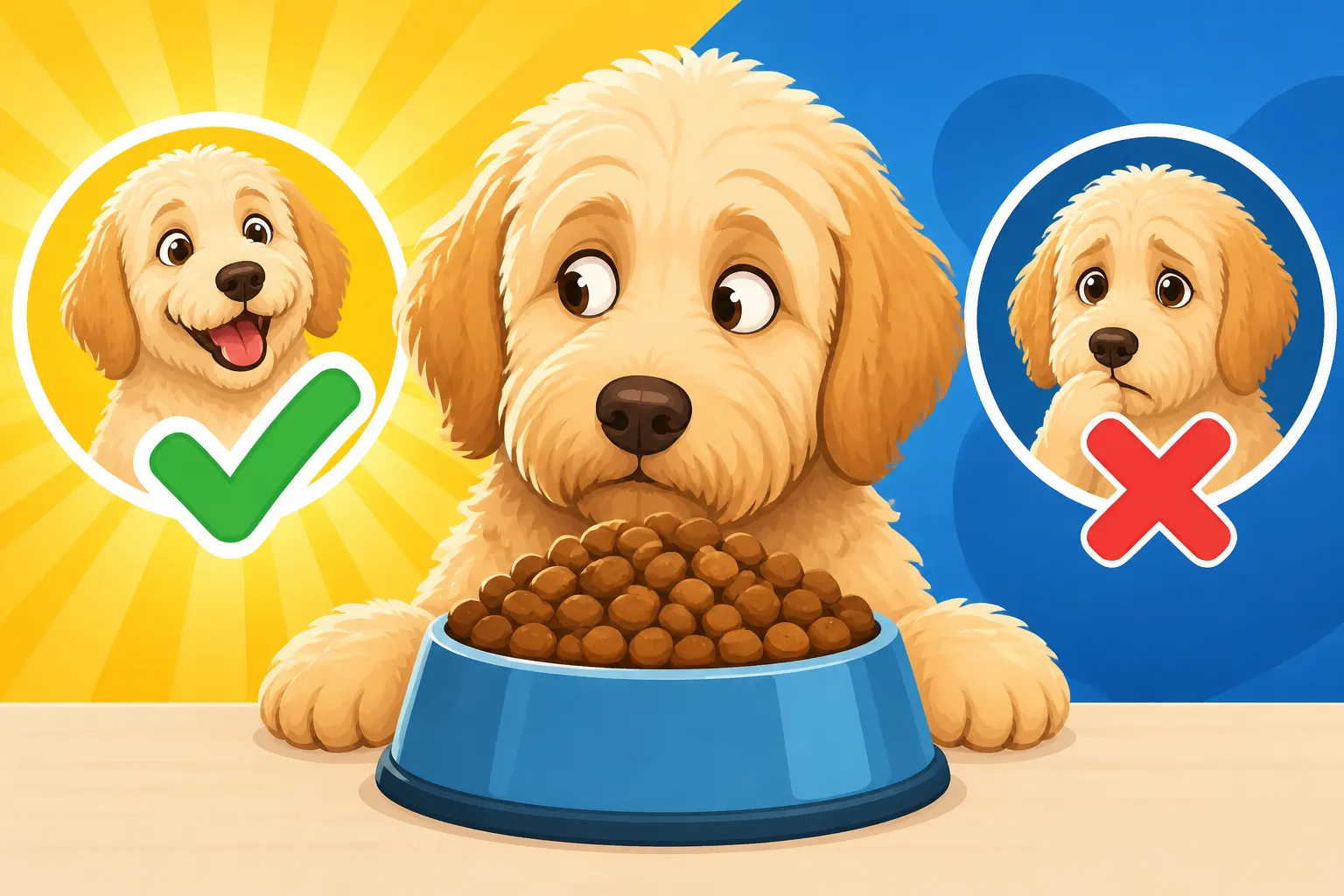
Many Labradoodle owners find themselves wondering if their beloved furry family member can be trusted with a full bowl of food left out all day. It’s a common thought – wouldn’t it be nice if they could just graze when hungry? However, for a Labradoodle, whose ancestry often includes a famous chowhound and a clever, food-motivated breed, leaving a full bowl can be a recipe for overeating, weight gain, and even some concerning behavioral issues. This comprehensive guide will delve into why free-feeding might not be the best approach for your Labradoodle and offer practical strategies to ensure healthy eating habits.
The Roots of a Labradoodle's Appetite: Labrador vs. Poodle Influence
When you bring a Labradoodle into your home, you’re essentially getting a wonderful mix of two distinct personalities and genetic predispositions, particularly when it comes to food. Understanding these ancestral influences is key to managing your dog's eating habits effectively.
The Labrador's Insatiable Hunger Drive
Let’s be honest: Labradors are famously, almost notoriously, food-driven. It's not just a stereotype; scientific studies have even identified a gene mutation common in Labradors that influences their appetite and makes them feel less full. This means that a significant portion of Labradors are genetically predisposed to being "always hungry." They live to eat, and if given the chance, many will consume far more than they need, simply because their internal "full" signal is a bit broken.
This deep-seated drive for food makes them excellent candidates for training, as food rewards are incredibly motivating, but it also means they are constantly on the lookout for their next meal or snack. If your Labradoodle leans heavily on its Labrador heritage in the appetite department, that open bowl of kibble isn't just an option; it's a constant, irresistible temptation. It’s hard to blame them; it’s practically in their DNA to want to finish every last morsel. Many owners comment on Whether a Labradoodle Is Always Hungry, and for good reason!
The Poodle's More Measured Approach
On the flip side, Poodles, while intelligent and often food-motivated for training purposes, generally don't share the same extreme, relentless hunger drive as Labradors. Poodles tend to be more discerning eaters, less prone to gobbling down every crumb in sight just because it's there. They might be more inclined to "graze" naturally if free-fed, taking a few bites and walking away, especially if they aren't particularly bored or stressed.
However, Poodles are also incredibly smart. If they learn that food is always available, they might still overeat out of sheer opportunity or boredom. While their Poodle lineage might offer a slight tempering effect on the Labrador's voracious appetite, it doesn't eliminate the potential for overeating entirely, especially in a home where food is constantly accessible. It’s important to remember that every Labradoodle is a unique blend, and you won't know which parent's eating style dominates until you observe them.
How These Traits Mix in Your Labradoodle
The beauty and challenge of the Labradoodle lie in this genetic mosaic. Your Labradoodle might be a perfect 50/50 split, or lean heavily towards one parent breed's traits. This means some Labradoodles might show a more controlled, Poodle-like approach to a full bowl, while others will exhibit the Labrador's "eat it all now" mentality. It's a gamble, and for the vast majority, the Labrador's deep love for food wins out.
Many owners quickly realize that their Labradoodle views a perpetually full bowl not as a buffet to be enjoyed at leisure, but as a challenge to be conquered. The sheer joy they get from eating, combined with a potentially faulty "full" sensor, makes free-feeding a dangerous game for their waistline and overall health. When training, you'll definitely see Whether a Labradoodle Works for Food Like a Labrador, which can be a huge advantage.
Why Free-Feeding is Often a Risky Game for Labradoodles
While the idea of free-feeding sounds convenient and pleasant for both owner and dog, for a breed like the Labradoodle, it carries several significant risks that far outweigh the convenience.
The Threat of Obesity and Related Health Issues
This is perhaps the most immediate and glaring concern with free-feeding a Labradoodle. With their inherited love for food, many Labradoodles simply cannot self-regulate. An always-available bowl means they can consume far more calories than they burn, leading rapidly to weight gain and obesity.
Obesity in dogs is not just about aesthetics; it's a serious health issue that can drastically shorten their lifespan and diminish their quality of life. Overweight Labradoodles are at a much higher risk for:
- Joint problems: Extra weight puts immense strain on joints, exacerbating conditions like hip and elbow dysplasia, which both parent breeds can be prone to. It can lead to early onset arthritis and chronic pain.
- Diabetes: Just like in humans, excess weight can lead to insulin resistance and diabetes.
- Heart disease: The cardiovascular system has to work harder to supply a larger body, leading to increased risk of heart issues.
- Reduced stamina and heat intolerance: Overweight dogs tire more easily and are more susceptible to overheating, especially active breeds like Labradoodles.
- Shorter lifespan: Studies consistently show that dogs maintained at a healthy weight live significantly longer than their overweight counterparts.
Knowing The Weight a Labradoodle Should Hold is crucial for their long-term health, and free-feeding makes it incredibly difficult to maintain that ideal weight. It's easy for pounds to creep on unnoticed until it becomes a significant problem.
Resource Guarding and Behavioral Challenges
An always-full food bowl can also create or intensify resource guarding behaviors. When a valuable resource like food is constantly available, some dogs can become possessive and protective of it. This might manifest as:
- Growling or snapping: If a person or another pet approaches while they are eating.
- Stiff body language: When near their bowl, signaling that they don't want anyone else near it.
- Hurrying to eat: Panicking and attempting to consume all the food if they perceive a threat to their bowl.
While resource guarding isn't exclusive to free-fed dogs, constant availability can amplify the behavior, as the dog never truly experiences the security of knowing when their next meal will be. Even if the bowl is full, the underlying anxiety might be there. This can be a serious safety issue, especially in multi-pet households or homes with children, turning mealtime into a stressful rather than peaceful event.
The Hidden Danger of Bloat
Bloat, or Gastric Dilatation-Volvulus (GDV), is a life-threatening condition where a dog's stomach fills with gas and can twist, cutting off blood supply. It's an emergency that requires immediate veterinary intervention. Large, deep-chested breeds, which include the Poodle and often the Labradoodle, are at a higher risk for bloat.
One of the known risk factors for bloat is eating too quickly or consuming a large meal rapidly. With a free-fed system, a Labradoodle might ignore the food for a while, then suddenly gorge themselves on a large quantity, which can increase the risk. The Deep Chest a Labradoodle Gets From the Poodle is a physical trait that contributes to this risk. While free-feeding might seem like it reduces rapid eating by allowing grazing, it can also lead to unpredictable gorging sessions, especially if another dog or perceived competition enters the picture. Regular, measured meals are often considered safer in this regard.
Strategies for Managing Your Labradoodle's Mealtime
Given the risks associated with free-feeding, implementing a structured approach to your Labradoodle's meals is not just beneficial, but often essential for their health, well-being, and your peace of mind.
Implementing Structured Feeding Schedules
The most straightforward and effective method to manage your Labradoodle's food intake is to establish a consistent feeding schedule. This means offering meals at specific times each day and removing any uneaten food after a set period (e.g., 15-20 minutes).
Here’s why it works:
- Portion Control: You have complete control over how much your dog eats at each meal, making it much easier to prevent overeating and maintain a healthy weight. Always consult your vet for precise portion recommendations based on your dog's age, activity level, and ideal body condition. This ties into How Much an Adult Labradoodle Eats Daily.
- Metabolic Regulation: Regular feeding times help regulate your dog's metabolism and digestive system, preparing their body for food at expected intervals.
- Potty Training Aid: Consistent feeding schedules often lead to more predictable potty breaks, which is a huge bonus, especially for puppies or newly adopted dogs.
- Reduced Resource Guarding: By controlling the food, you become the provider, and the dog learns that food comes from you at reliable times, which can reduce anxiety and possessiveness around the bowl.
- Early Detection of Health Issues: If your dog suddenly refuses to eat a meal, you'll notice it immediately. With free-feeding, a change in appetite might go unnoticed for hours or even a full day, delaying the recognition of potential illness.
Most adult Labradoodles do well with two meals a day, typically once in the morning and once in the evening. For puppies, more frequent, smaller meals are often recommended; you can learn more about this by researching How Much a Labradoodle Puppy Should Eat Daily. As they grow, you'll gradually transition them, and knowing When a Labradoodle Switches to Adult Food is important for nutritional needs.
The Power of Slow Feeders and Puzzle Bowls
Even with scheduled meals, some Labradoodles, particularly those with strong Labrador genes, will still inhale their food in mere seconds. This rapid eating isn't just unpleasant to watch; it's a major risk factor for bloat and can lead to indigestion and vomiting. This is where slow feeders and puzzle bowls become invaluable tools.
- Slow Feeders: These bowls have ridges, mazes, or obstacles built into them, forcing your dog to eat around them, thus slowing down their consumption. This simple change can make a huge difference in preventing bloat. Many brands offer durable slow feeders; you can find a wide variety on sites like Chewy or Amazon.
- Puzzle Bowls/Toys: These take the concept even further, requiring your dog to actively work to get their food out. Think of toys they have to roll, nudge, or manipulate to release kibble. This not only slows down eating but also provides mental stimulation, which is fantastic for intelligent breeds like Labradoodles who need a "job" to do. Whether a Slow Feeder Cuts a Labradoodle's Bloat Risk is a question many owners ponder, and the answer is a resounding yes!
Incorporating these tools transforms mealtime from a frantic gulping session into a more engaging, drawn-out activity, promoting better digestion and reducing the associated risks.
Choosing the Right Bowl for the Right Dog
Believe it or not, the type of bowl you use can also play a role in your Labradoodle's eating habits and health.
- Material: Stainless steel bowls are generally recommended as they are durable, easy to clean, and non-porous, meaning they won't harbor bacteria like scratched plastic bowls can. Plastic bowls can also sometimes cause skin irritation on a dog's chin. Ceramic bowls are an option, but they can chip or break.
- Elevated Bowls: There's a lot of discussion about whether raised bowls are beneficial or harmful, especially concerning bloat. Some older theories suggested they might increase bloat risk, while others argued they help with digestion. Current veterinary consensus tends to lean towards caution, with some suggesting that for some dogs, especially large, deep-chested breeds, elevated bowls might increase the risk of bloat by encouraging faster eating or gulping air. It's a complex topic, so it's best to discuss Raised Bowls and Labradoodle Bloat with your veterinarian to make an informed decision for your specific dog. For most Labradoodles, a bowl on the floor is perfectly fine.
- Size: Ensure the bowl is appropriately sized for your Labradoodle, allowing them to eat comfortably without spilling.
Training for Calm Mealtimes and Food Etiquette
Beyond managing how and when your Labradoodle eats, training them for proper mealtime manners is crucial for a harmonious household.
- "Wait" Command: Teach your dog to wait patiently until you give a release cue (like "Okay!" or "Eat!") before approaching their bowl. This prevents frantic lunging and establishes you as the leader in the feeding routine.
- Handling Around Food: Practice gently touching your dog's bowl or even adding a little extra kibble while they are eating. This helps them associate human presence around their food with positive outcomes, reducing the likelihood of resource guarding. Start this early and make it a calm, rewarding experience.
- Leave It/Drop It: These commands are invaluable if your Labradoodle ever tries to steal food from counters or drops a valuable (or dangerous) item from their mouth. Whether a Labradoodle Steals Food Off the Counter is a very real problem that these commands can help mitigate. Food motivation can make The Treats a Labradoodle Trains Best For extremely effective in teaching these critical skills.
- Polite Greetings: Ensure your Labradoodle doesn't jump up for food or attention when you're preparing meals. Demand four paws on the floor before any food is offered, whether it's their meal or a treat.
Consistent training and management create a predictable and safe environment around food, benefiting everyone in the home.
Recognizing and Addressing Food-Related Issues
Even with the best intentions and strategies, sometimes issues can arise. Knowing what to look for and when to seek help is paramount.
Spotting the Early Signs of Resource Guarding
Resource guarding isn't always aggressive; it can start subtly. Be vigilant for:
- Freezing or stiffening: When you approach their food, a toy, or a resting spot.
- Hard stare: Giving you a direct, unblinking look if you get too close.
- Low growl or rumble: A quiet warning to back off.
- Eating faster: Gobbling food when someone approaches, as if to finish before it's taken away.
- Moving away with the resource: Picking up their food bowl or a special toy and retreating to a secluded spot.
If you notice any of these behaviors, it's important to address them carefully. Avoid direct confrontation, as this can escalate the situation. Instead, consult with a professional dog trainer or behaviorist who can guide you through desensitization and counter-conditioning techniques. The goal is to change your dog's emotional response from fear or possessiveness to a positive association with your presence around their valued items.
Monitoring Weight and Body Condition
Regularly assessing your Labradoodle's body condition is one of the most important things you can do for their health. Visual inspection and gentle palpation are key.
- Ribs: You should be able to easily feel your Labradoodle's ribs without pressing hard. They shouldn't be visible (unless they're exceptionally lean or short-coated), but a thin layer of fat should cover them.
- Waistline: When viewed from above, your Labradoodle should have a visible waist tucking in behind their ribs.
- Abdominal Tuck: From the side, their abdomen should tuck up slightly, not hang low or straight.
A simple visual guide like a Body Condition Score chart (easily found online) can be a great reference. Weighing your Labradoodle regularly at home or at your vet's office can also help track trends. If you're concerned about Signs a Labradoodle Is Carrying Too Much Weight, don't hesitate to talk to your vet about it. Early intervention is always best.
| Body Condition Score | Description | What to Look For (Ribs, Waist, Abdomen) |
|---|---|---|
| 1 (Emaciated) | Ribs, lumbar vertebrae, pelvic bones, and all bony prominences evident from a distance. No discernible body fat. Obvious loss of muscle mass. | Ribs, etc., clearly visible and felt. No fat. |
| 2 (Very Thin) | Ribs, lumbar vertebrae, and pelvic bones easily visible. No palpable fat. Some evidence of other bony prominences. Minimal loss of muscle mass. | Ribs visible and felt. Minimal fat. |
| 3 (Thin) | Ribs easily palpable and may be visible with no palpable fat. Tops of lumbar vertebrae visible. Pelvic bones becoming prominent. Obvious waist and abdominal tuck. | Ribs easily felt. Waist obvious. |
| 4 (Ideal) | Ribs easily palpable without excess fat covering. Waist easily noted when viewed from above. Abdominal tuck evident. | Ribs felt, visible waist/tuck. |
| 5 (Overweight) | Ribs palpable with slight excess fat covering. Waist discernible but not prominent. Abdominal tuck present. | Ribs palpable with effort. Waist less prominent. |
| 6 (Heavy) | Ribs palpable with difficulty; heavy fat covering. Waist absent or barely discernible. Abdominal tuck may be absent. Obvious rounding of abdomen. | Ribs hard to feel. No waist. |
| 7 (Obese) | Ribs not palpable under heavy fat cover. Heavy fat deposits over lumbar area and base of tail. Waist absent. No abdominal tuck. Obvious abdominal distention. | Ribs not palpable. No waist/tuck. Distended abdomen. |
Consult your veterinarian for an accurate assessment and feeding plan for your Labradoodle.
When to Seek Professional Guidance
Sometimes, despite your best efforts, certain challenges persist or escalate. Don’t be afraid or embarrassed to seek professional help.
- Veterinarian: Your vet is your first and most important resource for any health-related feeding concerns, including weight management, dietary changes, suspected bloat, or sudden changes in appetite. They can rule out underlying medical conditions and provide tailored nutritional advice.
- Certified Professional Dog Trainer (CPDT): If you're struggling with behavioral issues like resource guarding, counter-surfing, or general mealtime manners, a CPDT can offer personalized training plans and hands-on guidance. They can help you implement positive reinforcement techniques effectively.
- Veterinary Behaviorist (Dip ACVB): For more severe or complex behavioral problems, particularly aggression related to food, a board-certified veterinary behaviorist is the specialist you need. They are veterinarians with advanced training in animal behavior and can offer a comprehensive approach, including medication if necessary, alongside behavior modification.
Being proactive and seeking expert advice early can prevent minor issues from becoming major problems, ensuring your Labradoodle remains a happy, healthy, and well-adjusted member of your family. Companies like Ollie provide fresh food delivery services that can help with portion control, and if you're looking for supplements or specific feeding tools, sites like Chewy and Amazon offer a vast selection.
Disclaimer
This article is for general informational purposes only and does not constitute professional advice. Laws, prices and regulations vary by location and change over time. Consult a qualified professional for guidance on your specific situation.