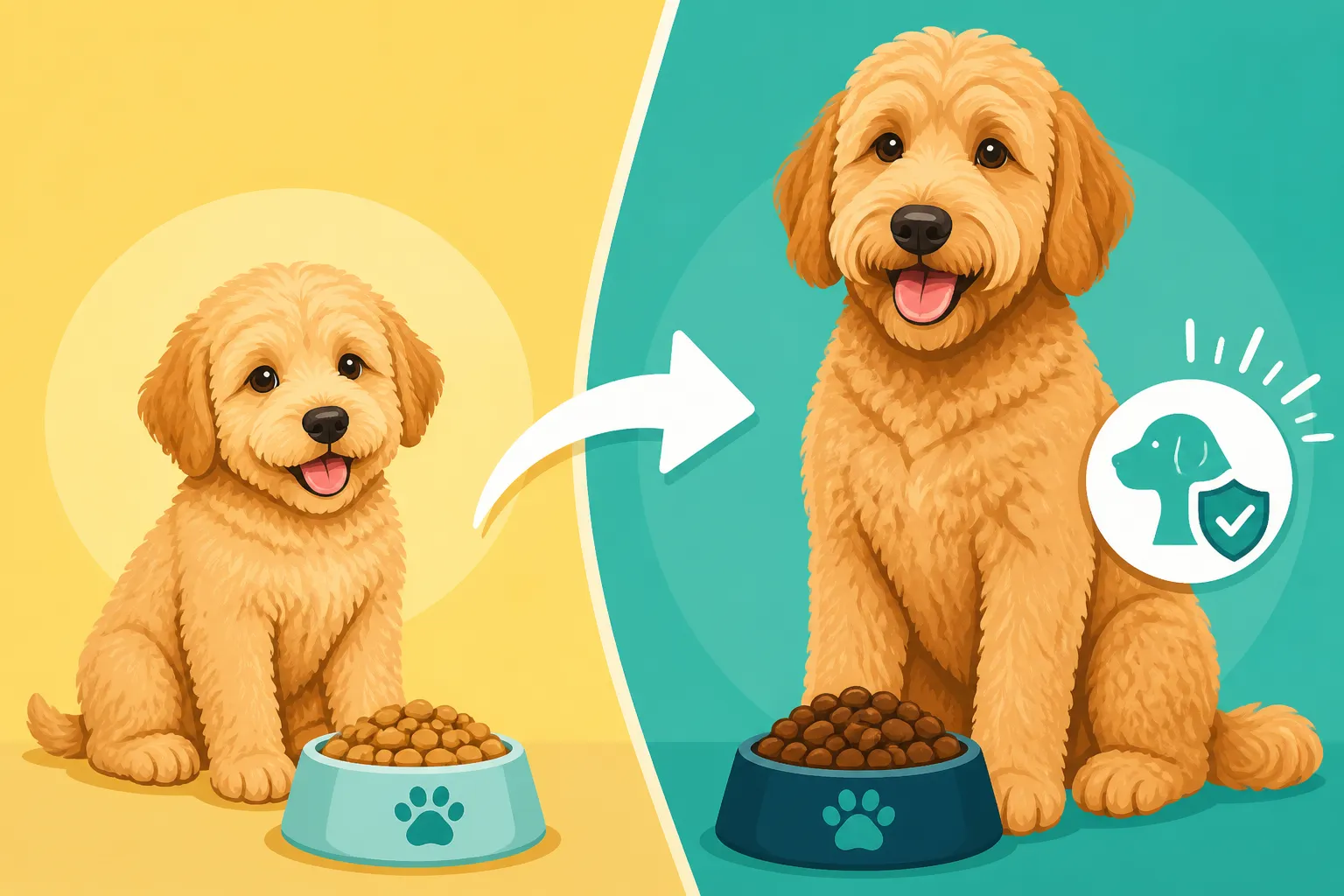
When a Labradoodle Switches to Adult Food
It's a common dilemma for Labradoodle parents: your adorable, energetic puppy is growing like a weed, and suddenly you're wondering when exactly it's time to shift from that specialized puppy kibble to a more mature diet. This transition isn't just about throwing a different bag of food into their bowl; it's a crucial nutritional step that impacts their long-term health, joint development, and overall well-being. This guide will walk you through the nuances of recognizing when your Labradoodle is ready for adult food and how to make that change seamlessly.
Understanding Your Labradoodle's Growth Stages
Bringing home a Labradoodle puppy is an experience filled with boundless joy and, let's be honest, a lot of rapid change. One day they're a tiny fluffball, and the next they seem to have grown an inch overnight! Understanding these distinct growth stages is fundamental to providing them with the right nutrition at the right time. It’s not just about getting bigger; it's about the intricate development happening inside their bodies.
The Rapid Puppy Growth Phase
From the moment they arrive, Labradoodle puppies are in a whirlwind of rapid development. Their tiny bodies are working overtime, forming strong bones, developing intricate muscle structures, and rapidly maturing their brains and nervous systems. This intense period of growth demands a diet that is specifically formulated to support it. Puppy food isn't just a smaller version of adult kibble; it's a nutritional powerhouse. It's significantly higher in calories, protein, and essential nutrients like calcium and phosphorus, all in carefully balanced ratios to fuel their incredible growth spurt.
Think of it like building a house – during the framing and foundation stages, you need a different set of materials and tools than you do for the interior finishing. Puppy food provides those foundational building blocks. Without this specialized nutrition, a growing Labradoodle can face developmental issues, including weaker bones or inadequate muscle development. Moreover, it's important to remember that not all Labradoodles grow at the same pace. A miniature Labradoodle, for example, will typically reach their full physical maturity much faster than a standard-sized one, which can be a real head-scratcher when trying to figure out their feeding schedule. For a deeper dive into their early dietary needs, check out Feeding a Labradoodle Through Its Growth and How Much a Labradoodle Puppy Should Eat Daily.
Adolescence and Maturation
As your Labradoodle moves past the initial puppy stage, usually around six months to a year, they enter adolescence. While they might still seem like a clumsy, overgrown puppy to you, their physical growth, particularly in height, begins to slow down. However, don't be fooled into thinking they're fully grown just because they've hit their adult height. This phase is crucial for continued development, especially for their joints and the consolidation of lean muscle mass. Their growth plates, which are areas of cartilage at the ends of long bones responsible for growth, are still hardening and closing. Prematurely switching to adult food or over-exercising during this time can potentially impact these developing structures, which nobody wants for their beloved companion.
It's a common misconception that once a dog reaches its full height, it's "adult." In reality, true physical maturity, where all growth plates have closed and their skeletal system is fully developed, can take longer. For a standard Labradoodle, this might not happen until 18-24 months of age. Even when their physical size seems set, their bodies are still maturing internally, filling out and strengthening. This is also when their energy demands shift from rapid growth to maintenance and activity. Ensuring proper nutrition during this adolescent period helps prevent future orthopedic issues and sets them up for a healthy adult life. Balancing their energy levels and physical activity is also important during this time; you can find more information in The Exercise Limit for a Growing Labradoodle.
The Ideal Age for Transitioning to Adult Food
Determining the exact moment to transition your Labradoodle to adult food can feel a bit like guessing. It's not a hard-and-fast rule that applies universally, because just like human teenagers, every Labradoodle matures at its own pace. However, there are general guidelines and key indicators that can help you make an informed decision, always with your veterinarian's guidance.
Size Matters: Standard vs. Miniature Labradoodles
One of the biggest factors influencing the timing of the switch is your Labradoodle's adult size. Generally speaking, larger dogs mature more slowly than smaller ones. This is a critical point, especially for Labradoodles who can range significantly in size from miniature to standard.
For a Miniature Labradoodle, who typically weighs under 30 pounds as an adult, you can usually start considering the transition to adult food between 9 to 12 months of age. Their skeletal growth is generally complete earlier, and their metabolic rate, while still high, starts to normalize. Switching them too late might lead to unnecessary weight gain due to the higher caloric density of puppy food.
On the other hand, Standard Labradoodles, those beautiful big goofballs that often weigh 50-65 pounds or more, require a longer puppy food regimen. Their larger bones and joints take significantly more time to develop and solidify. For these larger pups, the ideal window for switching to adult food is usually between 12 to 18 months of age, or even up to 24 months for very large individuals. Hastily transitioning a standard Labradoodle to adult food too early can be detrimental, potentially leading to orthopedic issues like hip or elbow dysplasia later in life, as their growth plates haven't fully closed. The prolonged rapid growth fueled by puppy food in large breeds needs to be carefully managed to prevent putting excessive strain on developing joints. It's a fine line between providing enough nutrients for growth and over-fueling a growth spurt, which is why a slower, more cautious approach is always recommended for bigger dogs. You might find it helpful to read about Whether a Miniature Labradoodle Eats Differently or When to Take a Labradoodle Off Large Breed Puppy Food for more context.
Beyond Age: Other Indicators of Maturity
While age provides a good general guideline, it's not the only factor. Your Labradoodle's body will give you other cues that they are ready to move on from puppy chow. Observing these signs in conjunction with their age will ensure you make the best decision for their health.
One significant indicator is weight stabilization. You'll notice that the frantic rate of growth starts to plateau. They stop growing taller and begin to fill out, gaining muscle mass rather than extending their frame. If your Labradoodle is maintaining a consistent weight for several weeks without significant height changes, it's a strong signal their growth phase is slowing. Along with this, you might observe a subtle shift in their energy levels. While Labradoodles are famously energetic, that almost manic puppy energy might start to mellow slightly, making them a little less like a furry tornado and more like a high-spirited, but manageable, adult dog. Of course, a Labradoodle's energy is a hallmark of the breed, so don't expect them to turn into a couch potato overnight, but the frantic, sustained bursts of energy might become less frequent.
Finally, regularly assessing their body condition scoring is essential. You want your Labradoodle to have a healthy, athletic physique, not be too lean or too heavy. You should be able to easily feel their ribs with a slight layer of fat over them, and they should have a discernible waist when viewed from above. If they're starting to carry too much weight on puppy food, it's a clear sign that the calorie-dense diet is no longer appropriate for their now slower metabolism. Always consult your veterinarian when you're considering this switch. They can examine your Labradoodle, assess their growth plates if necessary, and offer personalized advice based on their breed, size, and individual health. They can provide professional insight into whether your specific Labradoodle has reached skeletal maturity and is ready for the nutritional demands of adult life.
The Risks of Switching Too Early or Too Late
Making the transition to adult food at the wrong time can have consequences that extend far beyond a temporary upset stomach. It's a critical decision with long-term implications for your Labradoodle's health and well-being. Getting it just right helps them grow into strong, healthy adults.
The Pitfalls of an Early Switch
Switching your Labradoodle to adult food too early is a common mistake that, while seemingly harmless, can lead to significant health problems. Puppy food is engineered to provide a higher concentration of calories, proteins, and a specific balance of minerals like calcium and phosphorus, all of which are vital for the rapid development of bones, muscles, and organs. Adult dog food, by contrast, is formulated for maintenance, not for intense growth.
If your Labradoodle is transitioned too soon, they might experience nutritional deficiencies. This can manifest as poor bone development, which can contribute to long-term orthopedic issues. Their muscles might not develop to their full potential, affecting their strength and agility. Moreover, their overall growth could be stunted, meaning they might not reach the size and robust health they were genetically destined for. Think about it: a growing child needs different nutrients than an adult. It's the same for dogs. The energy and building blocks in puppy food are non-negotiable for proper maturation. The impact on joint health is particularly concerning for large breeds like the standard Labradoodle, where growth plates are still open and vulnerable. An inadequate diet during this critical window could weaken these structures, paving the way for future pain and mobility problems.
The Downsides of Delaying the Switch
While the dangers of an early switch are clear, keeping your Labradoodle on puppy food for too long also carries its own set of risks, primarily related to weight management and potential stress on their developing body. It’s easy to fall into the trap of thinking "more nutrients can't hurt," but in this case, they absolutely can.
The biggest concern with delaying the switch is obesity. Puppy food is notoriously calorie-dense, packed with the energy needed for boundless puppy activities and rapid growth. Once your Labradoodle's growth begins to slow down, their caloric needs drop significantly. If they continue to eat puppy food at the same quantities, those extra calories quickly turn into unwanted pounds. Obesity in dogs is a gateway to numerous health problems, including joint issues, diabetes, heart disease, and a shortened lifespan. A heavier dog also puts undue stress on still-developing joints, potentially exacerbating conditions like hip or elbow dysplasia. For more on managing their weight, explore The Weight a Labradoodle Should Hold and Keeping Weight Off a Labradoodle That Begs.
Furthermore, for larger Labradoodles, maintaining a high-calorie puppy diet for too long can sometimes lead to overly rapid growth. While it sounds counterintuitive to be concerned about a dog growing too fast, controlled, steady growth is crucial for large breeds. Accelerated growth can put excessive strain on their skeletal system, making them more susceptible to painful orthopedic conditions. Delaying the switch also doesn't necessarily offer any additional benefits once their active growth phase is complete. It just means they're consuming more calories and a different nutrient balance than their mature body requires, potentially leading to imbalances or unnecessary strain on their systems.
How to Make a Smooth Transition
Once you and your veterinarian have determined that your Labradoodle is ready to move to adult food, the actual transition process is just as important as the timing. A sudden switch can upset their digestive system, leading to discomfort for your pup and extra clean-up for you! The goal is a gradual, gentle introduction that allows their body time to adjust.
The Gradual Approach is Key
Your Labradoodle's digestive system, much like ours, thrives on consistency. Suddenly changing their entire diet can come as quite a shock to their gut flora, often resulting in an upset stomach, diarrhea, or vomiting. To prevent this, a slow, phased introduction of the new adult food is absolutely essential. We're aiming for a seamless swap, not a digestive crisis.
The recommended method is to mix the new adult food with their old puppy food over a period of 7 to 10 days. This allows their digestive enzymes to gradually adapt to the new ingredients and nutrient profile. Start with a small amount of the new food and slowly increase the proportion while decreasing the old food. If your Labradoodle has a particularly sensitive stomach, you might even extend this transition period to two weeks. Keep a close eye on their stools and general demeanor throughout this time. Any signs of digestive distress mean you should slow down the transition or consult your vet.
Here's a common schedule you can follow, assuming a 7-day transition:
| Day | Old Puppy Food Percentage | New Adult Food Percentage |
|---|---|---|
| 1-2 | 75% | 25% |
| 3-4 | 50% | 50% |
| 5-6 | 25% | 75% |
| 7+ | 0% | 100% |
This method ensures their system adjusts gently. Don't rush it; patience here will save you a lot of hassle and ensure your Labradoodle stays happy and healthy throughout the change. For more specific advice on changing their diet, you can refer to Switching a Labradoodle From Puppy Food.
Choosing the Right Adult Food for Your Labradoodle
Making the switch isn't just about moving from puppy to adult formula; it's also an opportunity to re-evaluate their entire diet. With so many options on the market, choosing the right adult food for your Labradoodle can feel overwhelming. However, focusing on quality ingredients and your dog's individual needs will help you narrow down the choices.
First, look for a high-quality adult dog food that lists a named meat source (like "chicken meal" or "salmon") as the first ingredient. This indicates a good protein base, which is vital for maintaining their lean muscle mass. Beyond protein, a balanced diet should include healthy fats for coat health and energy, and digestible carbohydrates for sustained vitality. Consider foods that are free from excessive fillers, artificial colors, and preservatives. When browsing options on Chewy or Amazon, you'll find a vast selection, so take your time to compare ingredients and read reviews.
Your Labradoodle's individual needs should also guide your choice. Do they have a sensitive stomach? Look for formulas designed for sensitive digestion. Do they have any known allergies? Seek out limited-ingredient diets or novel protein sources. Some owners even explore fresh food options, like those offered by Ollie, which can be great for dogs with specific dietary sensitivities or those who thrive on a less processed diet. For large breed Labradoodles, you might consider adult foods specifically formulated for larger dogs, as these often contain joint-supporting supplements like glucosamine and chondroitin, which can be beneficial. Always read the nutritional analysis on the bag to ensure it meets the AAFCO (Association of American Feed Control Officials) guidelines for "maintenance" or "all life stages" (if suitable for adults). And, as always, a conversation with your veterinarian about diet recommendations is invaluable. They can help you select a food that aligns with your Labradoodle's unique health profile, activity level, and any potential predispositions. You might also want to explore How Much an Adult Labradoodle Eats Daily and Whether a Labradoodle Needs Grain Free Food to help make your decision.
Disclaimer
This article is for general informational purposes only and does not constitute professional advice. Laws, prices and regulations vary by location and change over time. Consult a qualified professional for guidance on your specific situation.