Cleaning a Labradoodle’s Ears After Swimming
Oh, the sheer joy of watching your Labradoodle plunge into a lake, splash in a creek, or even just frolic in a backyard sprinkler on a hot day! Their zest for water is truly infectious. But for us Labradoodle parents, that delightful splash often comes with a tiny knot of worry: what about those ears? Those adorable, floppy ears are unfortunately prime real estate for moisture, debris, and ultimately, nasty infections if not cared for properly after a good swim. This guide is going to walk you through exactly how to keep your water-loving Labradoodle's ears clean and healthy after their aquatic adventures, saving you and your pup a world of discomfort and expensive vet visits.
Understanding Why Swimming Puts Labradoodle Ears at Risk
Before we dive into how to clean, let's chat for a moment about why it's such a big deal for our Labradoodles. It's not just a casual suggestion; it's genuinely crucial for their well-being. The truth is, Labradoodles, inheriting traits from both their Labrador Retriever and Poodle parents, often get a double whammy when it comes to ear issues.
First, consider that lovely, floppy ear set. Unlike dogs with upright ears, the Labradoodle's drop ear design creates a warm, dark, and often humid environment. It's like a tiny, cozy cave for bacteria and yeast, which just love to set up shop in such conditions. When water gets trapped in there after a swim, it supercharges this environment, turning a cozy cave into a full-blown tropical rainforest of microbial growth. This isn't just uncomfortable; it can quickly escalate into a painful infection.
Secondly, many Labradoodles, especially those with wool or fleece coats, have hair that grows not just on the outside of their ears, but inside the ear canal. This hair acts like a microscopic net, trapping water, wax, and debris, making it even harder for the ear to air out and dry naturally. You might think a quick shake after a dip is enough, but trust me, with that internal hair, it rarely is. It's one of the reasons why you'll often hear about The Hair That Grows Where a Labradoodle's Ear Should Drain. Without proper post-swim cleaning, that trapped moisture and debris become a perfect storm for inflammation and infection. It's enough to make any Labradoodle owner feel a bit frustrated, knowing their dog's natural inclination to swim could lead to such discomfort.
Essential Tools for Post-Swim Ear Care
You don't need a medical degree or a fancy lab to keep your Labradoodle's ears pristine after a swim. A few basic tools, readily available and relatively inexpensive, will become your best friends in this battle against ear infections. Having these on hand before your Labradoodle takes a plunge means you're prepared and can act quickly, which is key to preventing problems.
Choosing the Right Ear Cleanser
The most important item in your post-swim ear care kit is a good quality, vet-recommended ear cleanser. This isn't just soap and water! A specialized canine ear cleanser is formulated to be pH-balanced for dog ears, which is different from human skin. Many effective cleansers also contain gentle drying agents to help evaporate any residual moisture in the ear canal and mild antiseptic properties to discourage bacterial and yeast overgrowth. Look for ingredients like witch hazel, salicylic acid, or boric acid, which are common drying agents. Some popular options are readily available from online retailers like Chewy or Amazon.
Avoid using harsh chemicals, alcohol, or hydrogen peroxide. While they might seem like good cleaning agents, they can irritate the delicate skin inside your dog's ear, leading to more problems. Always choose a product specifically designed for canine ear cleaning. If you're unsure, a quick chat with your veterinarian can help you pick the best one for your Labradoodle's specific needs, especially if they've had ear issues in the past.
Soft Cotton for Gentle Cleaning
You'll also need a good supply of soft cotton balls, cotton pads, or gauze squares. These are perfect for wiping away debris and excess cleanser without irritating the ear canal. The key word here is soft and gentle.
What you should never use are cotton swabs (Q-tips). While they might seem perfect for getting into nooks and crannies, they actually do more harm than good in a dog's ear. They can push wax and debris further down into the ear canal, creating impactions, and they can even damage the eardrum. Stick to cotton balls or pads that allow you to clean the outer parts of the ear canal and the visible folds of the ear. It's far safer and more effective. You can buy large bags of these online through places like Amazon, ensuring you always have them on hand.
Other Handy Supplies
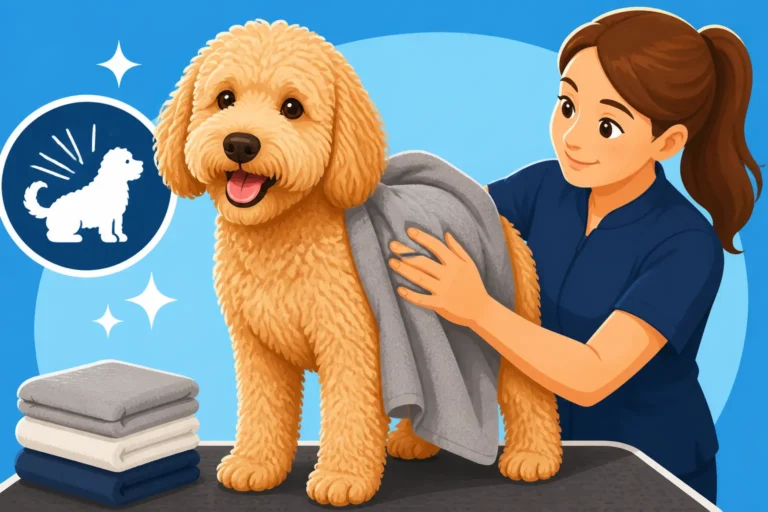
A soft towel is always useful to have nearby, especially if your Labradoodle likes to shake their head immediately after you apply the cleanser! Some owners also find it helpful to have a force dryer (a pet-specific blower, not a human hairdryer) on a cool setting. While not essential for routine post-swim cleaning, a force dryer can be incredibly effective at quickly drying the outer ear and the entrance to the canal, especially for those Labradoodles with very dense ear hair. If you use one, always keep it on a low, cool setting and never point it directly into the ear canal. Remember, the goal is to gently dry, not blast.
A Step-by-Step Guide to Post-Swim Ear Cleaning
Okay, you've got your tools and you understand the "why." Now let's get down to the "how." Cleaning your Labradoodle's ears after swimming is a relatively simple process, but consistency and a gentle approach are key. Making this a positive experience for your dog from puppyhood will pay dividends for years to come.
Step 1: Gather Your Supplies and Get Ready
First things first, get everything ready before you call your Labradoodle over. You’ll want your chosen ear cleanser, a pile of cotton balls or pads, and maybe a few treats for positive reinforcement. Find a quiet, well-lit spot where both you and your dog can be comfortable. Some owners find sitting on the floor with their Labradoodle between their legs works well, while others prefer to have their dog on a grooming table or even just by their side.
If your Labradoodle is new to ear cleaning, start with very short, positive sessions. Just holding their ear, giving a treat, and letting go can build a good foundation. The goal is for them to associate ear handling with pleasant experiences, not dread. If you're struggling, a friend or family member can help distract your dog with treats while you focus on the cleaning.
Step 2: Administering the Ear Cleanser
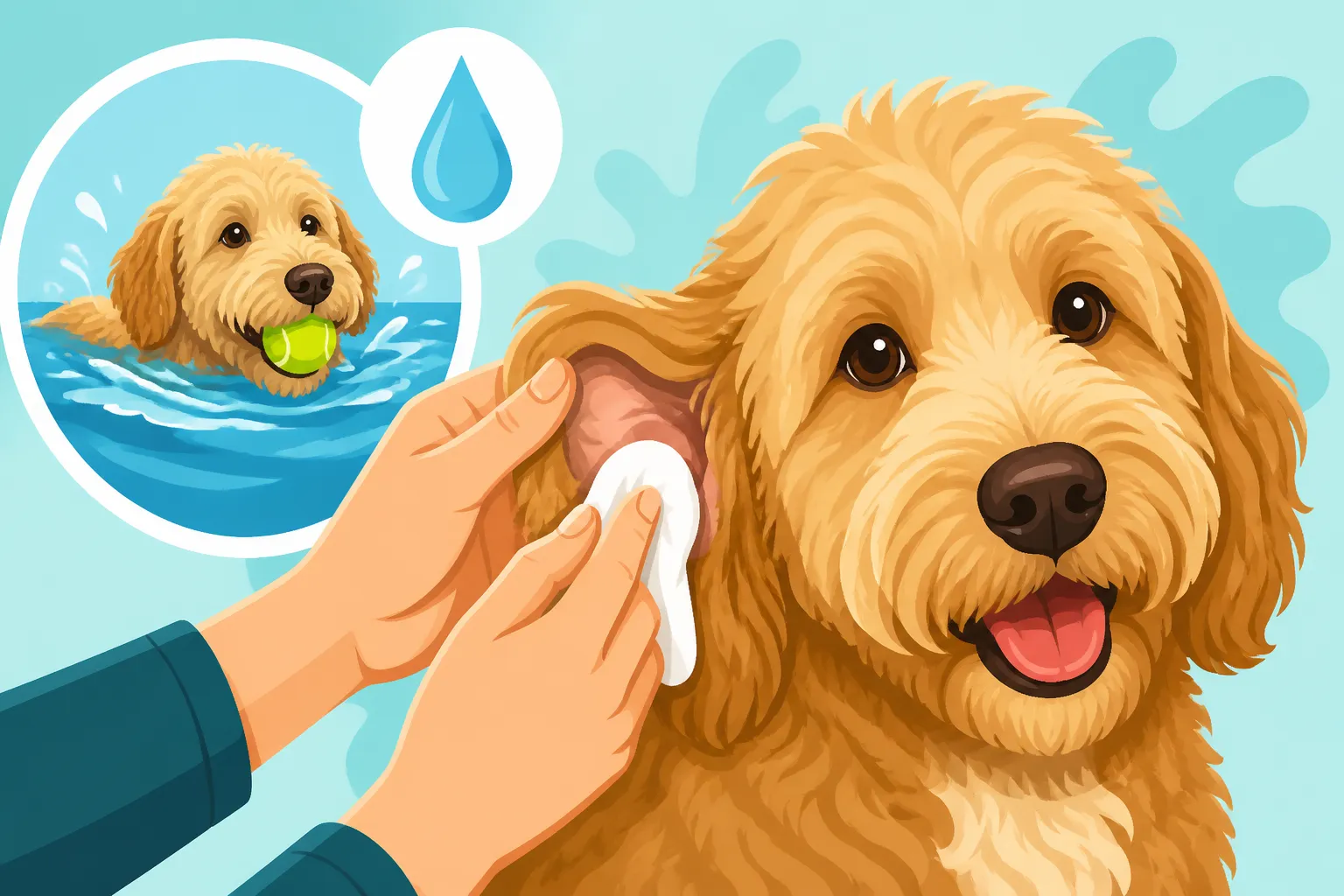
Gently lift your Labradoodle's ear flap to expose the opening of the ear canal. Hold the ear cleanser bottle with the tip pointed into the canal. Be careful not to actually insert the tip deeply into the ear; just aim it at the opening. Give a good squeeze, filling the canal with the liquid. You'll hear a squishy sound, which is exactly what you want! The amount will depend on the size of your dog's ear, but usually, a good stream for a few seconds is sufficient.
Immediately after applying the cleanser, gently massage the base of your dog's ear for about 20-30 seconds. You should hear that satisfying squishy sound again as the liquid breaks up wax and debris. This massage is crucial for working the cleanser throughout the ear canal. Your Labradoodle might find this a little strange at first, but with a gentle touch and some calming words, they'll usually tolerate it well.
Step 3: Allowing Your Labradoodle to Shake (and Wiping Up!)
After you've massaged the ear, step back and let your Labradoodle shake their head. And trust me, they will shake their head! This is a good thing, as it helps dislodge all that loosened gunk and excess liquid from deeper in the canal. This is where having a towel handy becomes a lifesaver, especially if you're not keen on getting ear gunk flung across your kitchen. Many owners find it helpful to perform this step outdoors or in a bathroom for easy cleanup.
Once they've had a good shake, take your cotton balls or pads and gently wipe the visible parts of the ear. This includes the inner surface of the ear flap and the folds just inside the ear canal opening. You'll likely see a fair bit of brownish-yellow gunk on the cotton, which means you're doing a great job! Keep using fresh cotton balls until no more visible debris comes out. Remember, avoid going into the ear canal with anything smaller than your finger wrapped in cotton. Your goal is to clean what you can see. If your dog is prone to Ear Infections Built Into a Labradoodle's Drop Ear, this wiping is especially important.
Step 4: Thorough Drying for Prevention
The final, and arguably most important, step after cleaning (and swimming!) is ensuring the ears are thoroughly dry. As we discussed, moisture is the enemy. Use a dry cotton ball or a corner of a soft towel to gently blot any remaining moisture from the outer ear and the entrance to the canal. Make sure the visible parts are completely dry to the touch.
If your Labradoodle has a lot of hair around the ear opening, you can use a small, rounded blunt-tip scissor to carefully trim some of this hair to improve airflow, if you are comfortable and confident doing so. However, if you're nervous about trimming, a professional groomer can certainly help with this. For very hairy ears, a pet force dryer on a cool, low setting, held at a distance, can also aid in drying. Just avoid directing air deep into the canal. This step is a critical component of Drying a Labradoodle's Ears After Water and should never be skipped.
Frequency: How often should you do this? After every swim, regardless of how short. If your Labradoodle is a frequent swimmer, or if you notice any signs of discomfort or odor, daily cleaning might be necessary for a short period. For routine maintenance without swimming, once a week or every other week is usually sufficient, but always consult your vet for personalized advice.
Recognizing the Signs of an Ear Infection
Even with the best preventative care, sometimes an ear infection can sneak up on us. It’s vital to know the signs so you can seek veterinary attention promptly. Early intervention can prevent a minor irritation from becoming a major, painful problem for your Labradoodle.
Common Symptoms to Watch For
Here’s what to keep an eye (or nose!) out for:
- Excessive Head Shaking: This is often the first and most obvious sign. Your dog might be trying to dislodge fluid or alleviate discomfort.
- Constant Ear Scratching: If your Labradoodle is constantly pawing at their ear or rubbing it along the carpet or furniture, it's a clear indicator of irritation. This can also lead to secondary skin infections around the ear.
- Redness or Swelling: Gently lift the ear flap and look inside. Is the skin redder than usual? Is it swollen or puffy? These are classic signs of inflammation.
- Foul Odor: A healthy ear has a very mild, almost neutral smell. An infected ear, especially with yeast, often has a distinct, sweet-musty, or sometimes very pungent and unpleasant odor. Trust your nose!
- Discharge: Is there any brown, yellow, or black waxy discharge? Is it thick or crusty? Healthy ears might have a small amount of light brown wax, but excessive or discolored discharge is a red flag.
- Pain or Sensitivity: If your Labradoodle cries out, pulls away, or becomes aggressive when you touch their ear, they are likely in pain.
- Changes in Behavior: Some dogs might become more lethargic, lose their appetite, or generally seem "off" when they have an ear infection.
- Head Tilt: In more severe cases, or if the infection is deep, your dog might consistently tilt their head to one side.
It's helpful to remember what a healthy Labradoodle ear looks and smells like, so you can easily spot changes.
| Feature | Healthy Ear | Infected Ear |
|---|---|---|
| Color | Pale pink | Red, inflamed, swollen |
| Smell | Mild, clean, neutral | Foul, yeasty, pungent |
| Discharge | Minimal light brown wax | Excessive brown, yellow, black, thick, or crusty |
| Temperature | Normal, cool to touch | Warm to hot |
| Behavior | No scratching, shaking, or sensitivity | Frequent scratching, head shaking, pain when touched |
When to Seek Veterinary Care
If you notice any of the signs of an ear infection, it's time to call your veterinarian. Don't try to treat an ear infection at home with over-the-counter remedies, especially if you're not sure what's causing it. Different types of infections (bacterial, yeast, mites) require different medications, and improper treatment can make things worse.
Your vet will likely examine the ear with an otoscope, take a swab for microscopic analysis (cytology) to identify the culprit, and then prescribe the appropriate medication, usually ear drops or an oral antibiotic/antifungal. They might also discuss underlying causes, as Whether Repeat Ear Infections Mean a Labradoodle Has Allergies is a common scenario for many Doodles. Early treatment is key to a faster recovery and preventing chronic issues, so don't delay!
Keeping your Labradoodle's ears healthy after swimming is an ongoing commitment, but it's a small price to pay for all the joy they bring. By understanding the risks, having the right tools, and knowing the proper cleaning technique, you can help your water-loving companion enjoy their splash time without the worry of painful ear infections. After all, a happy Labradoodle is a healthy Labradoodle, from the tips of their wagging tail to the depths of their wonderfully floppy ears!
Disclaimer
This article is for general informational purposes only and does not constitute professional advice. Laws, prices and regulations vary by location and change over time. Consult a qualified professional for guidance on your specific situation.