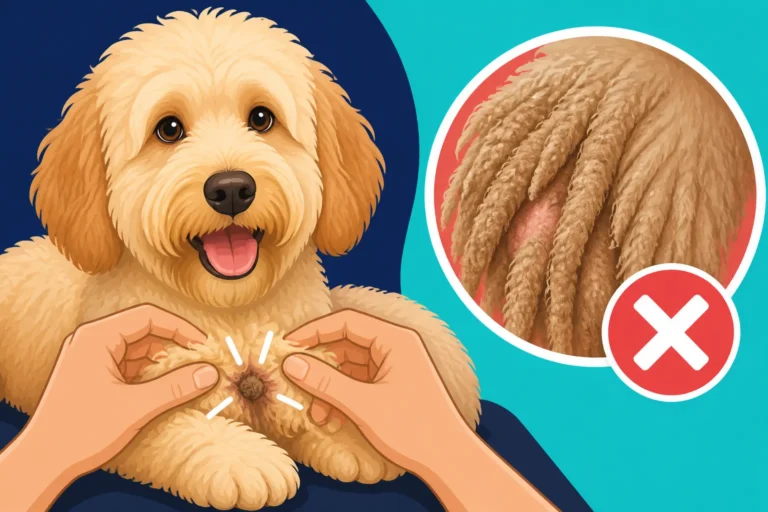
How Much a Growing Labradoodle Should Eat
One of the most common worries for new Labradoodle parents, and even seasoned ones with a new puppy, is figuring out exactly how much food their rapidly growing fur baby needs. It’s a delicate balance: you want to ensure they get all the nutrients for healthy development, but you definitely don't want to overfeed them, risking their precious joints and overall well-being. This guide is designed to help you navigate the often-confusing world of puppy nutrition, ensuring your Labradoodle grows up strong, healthy, and happy.
The Unique Nutritional Demands of a Growing Labradoodle
Bringing home a Labradoodle puppy is an exciting time, filled with boundless energy, adorable antics, and a whole lot of questions. High on that list is often food. It’s natural to assume all puppies eat the same, but a growing Labradoodle, especially a standard-sized one, has very specific dietary needs that differ significantly from an adult dog or even a smaller breed puppy. Getting this right from the start is absolutely crucial for their long-term health.
Why Puppy Food is Different
Think of a Labradoodle puppy as a tiny, furry construction project. Their bodies are rapidly building bone, muscle, and developing vital organs. This intensive growth spurt demands a higher concentration of calories, protein, and specific fat ratios compared to an adult dog's maintenance diet. Puppy food is carefully formulated to meet these elevated requirements. It’s not just about more food, but food with a denser nutritional profile, packed with the building blocks they need to grow from a small, cuddly fluffball into a robust companion.
Beyond the energy boost, puppy food contains a carefully balanced array of vitamins and minerals. One of the most critical aspects for a growing Labradoodle is the calcium and phosphorus ratio. An imbalance here can have serious consequences for bone development, which is why feeding adult food too early or supplementing indiscriminately can be so detrimental. Their tiny, developing systems need precision, not guesswork, when it comes to these essential nutrients.
Large Breed Puppy Formulas: A Must-Have for Many
If you have a standard or even a medium-sized Labradoodle, opting for a large breed puppy formula is not just a recommendation; it's often a necessity. These specialized formulas are designed with a slightly lower caloric density and, critically, a controlled calcium and phosphorus content. The reason for this control is to prevent too-rapid growth, which can put immense stress on developing joints. Rapid growth, especially in large and giant breeds, has been linked to orthopedic issues like Hips and Elbows in a Sixty Pound Labradoodle, particularly hip and elbow dysplasia. These conditions can cause pain and mobility problems later in life, and while genetics play a significant role, nutrition during growth is a vital mitigating factor.
For those with miniature Labradoodles, a regular high-quality puppy food is usually sufficient. They don't have the same concerns about rapid skeletal growth as their larger cousins. However, regardless of size, the principle remains: puppy food provides the tailored nutrients a young, developing dog needs. Always check the specific guidance for your puppy's estimated adult size when choosing a formula. Your breeder or veterinarian can offer invaluable advice here, often recommending specific brands that align with responsible growth practices.
The Importance of Balanced Nutrients
A growing Labradoodle requires a symphony of nutrients working in harmony. The high energy demands of a playful puppy, who can go from a dead sleep to a zoomie frenzy in seconds, are met by the higher calorie content of puppy food. But it’s not just about energy; it’s about quality fuel. Protein, derived from high-quality animal sources, is the cornerstone for building and repairing muscles, tissues, and organs. Without adequate, digestible protein, your Labradoodle won't develop the strong physique their genetics promise.
Fats provide concentrated energy and are essential for nutrient absorption, healthy skin, and that gorgeous Labradoodle coat. Beyond basic fats, certain fatty acids like DHA (docosahexaenoic acid), an omega-3 fatty acid, are critical for cognitive and retinal development in puppies. Many premium puppy foods fortify their formulas with DHA to support brain and eye health, laying the groundwork for a smart, alert companion. These are the kinds of details that make a significant difference in a puppy's development, reinforcing why a specialized puppy diet is far superior to trying to adapt an adult formula.
Understanding Puppy Food Labels and Choosing the Right One
Walking down the pet food aisle can feel like navigating a maze. There are so many brands, formulas, and buzzwords that it's easy to get overwhelmed. For your growing Labradoodle, choosing the right food is one of the most impactful decisions you'll make for their health. Learning to read and understand a pet food label isn't just a good idea; it's essential. It empowers you to make informed choices that go beyond marketing claims and focus on actual nutritional content.
Deciphering the Guaranteed Analysis
The "Guaranteed Analysis" section on a pet food label provides key information about the nutrient content. It typically lists crude protein, crude fat, crude fiber, and moisture, often with minimums and maximums. For a growing Labradoodle, you'll generally want to see higher protein and fat percentages compared to adult maintenance foods. Protein supports muscle growth, and fat provides essential calories for their boundless energy. Crude fiber helps with digestion, and moisture content indicates how much water is in the food.
Beyond these basic four, look for the statement from the Association of American Feed Control Officials (AAFCO). An AAFCO statement confirming the food is "formulated to meet the nutritional levels established by the AAFCO Dog Food Nutrient Profiles for growth and reproduction" or "for all life stages" is a critical indicator of a nutritionally complete and balanced diet. This means the manufacturer has adhered to established guidelines to ensure the food provides everything your puppy needs. When shopping online, say on a site like Chewy or Amazon, you can often filter by "large breed puppy" or read detailed ingredient lists and guaranteed analyses before you even buy.
Ingredient Quality Matters
While the guaranteed analysis tells you what nutrients are present, the ingredient list tells you where those nutrients come from. For a high-quality puppy food, the first few ingredients should be identifiable whole meat sources, such as "chicken," "lamb meal," "salmon," or "beef." Meat meals (e.g., "chicken meal") are often excellent sources of concentrated protein, as much of the water content has been removed. Avoid products where the first ingredients are primarily grains, fillers like corn gluten meal, or ambiguous terms like "meat by-products" without further specification.
It's also wise to be aware of artificial colors, flavors, and preservatives. While not inherently harmful in small amounts, they don't add nutritional value and some dogs can be sensitive to them. There's also ongoing discussion regarding grain-free diets and their potential link to dilated cardiomyopathy (DCM) in some dogs. While the research is still developing, it's a conversation worth having with your vet. Unless your Labradoodle has a confirmed grain allergy, a diet with healthy grains is generally considered safe and beneficial.
Wet vs. Dry Food Considerations
The debate between wet and dry food is ongoing, and both have their merits for a growing Labradoodle. Dry kibble is often more economical, helps keep teeth cleaner through abrasive action, and can be left out for short periods without spoiling. It's also the most common choice for large breed puppy formulas, which are essential for controlling growth. However, some puppies might find dry kibble less palatable, or they might struggle with adequate hydration, especially if they aren't big water drinkers.
Wet food, on the other hand, is highly palatable, offers excellent hydration, and can be easier for very young puppies or those with dental issues to eat. However, it's generally more expensive, spoils quickly once opened, and doesn't offer the same dental benefits as kibble. Many owners choose a combination approach: primarily feeding high-quality kibble but adding a spoonful of wet food as a topper to entice picky eaters or provide a moisture boost. Whichever you choose, ensure it's a complete and balanced puppy formula appropriate for their size and age.
Establishing a Feeding Schedule for Optimal Growth
Consistency is the name of the game when it comes to feeding your growing Labradoodle. Just like human babies thrive on routine, puppies benefit immensely from predictable meal times. Not only does it help regulate their digestion and house-training schedule, but it also establishes a sense of security and trust. A well-structured feeding plan ensures your puppy receives their necessary calories and nutrients throughout the day, supporting steady growth and energy levels, rather than a frantic scramble when they get too hungry.
How Many Times a Day a Labradoodle Puppy Eats
A young Labradoodle puppy's stomach is small, and their energy demands are constant. This means they need to eat more frequently than an adult dog. Here's a general guideline, but always consult your vet for personalized advice:
- 8-12 weeks: This is typically when you bring your new puppy home. At this age, they thrive on 3-4 meals per day. Spreading their daily food allowance over multiple meals prevents their blood sugar from dipping too low and keeps their energy consistent.
- 3-6 months: As your puppy grows a little older and their digestive system matures, you can usually reduce their meals to 3 times per day. They're still growing rapidly, but they can handle slightly larger portions per meal.
- 6 months to adult (approx. 12-18 months, depending on size): Most Labradoodles can transition to 2 meals per day around this stage. For larger standard Labradoodles, it might be closer to 8-10 months, while miniatures might be ready earlier. By now, their growth rate might start to slow, and their stomachs are more capable of handling larger meals less frequently.
The key is consistency. Feed them at roughly the same times each day. This not only helps with digestion but also aids in house-training, as you'll have a better idea of when they'll need to go outside after eating.
Portion Control: It's Not a Free-for-All
Even with the best intentions, it's easy to overfeed a cute, begging Labradoodle puppy. However, portion control is incredibly important for their health. Overfeeding, especially for large breeds, can lead to excessively rapid growth, which puts undue stress on their developing joints and can contribute to orthopedic problems like Elbow Dysplasia in a Labradoodle Puppy. It can also lead to obesity, which brings its own host of health issues, shortening their potential lifespan of The Twelve to Fifteen Years a Labradoodle Lives.
Always start by following the feeding guidelines on your chosen puppy food bag. These guidelines are usually based on your puppy's current weight and estimated adult weight. However, these are just starting points. Every puppy is an individual, with different metabolic rates and activity levels. Use a standard measuring cup (not just any cup from your kitchen) to ensure accuracy at every meal. Don't eyeball it! If your Labradoodle is particularly active, they might need slightly more; if they're a couch potato, slightly less. We'll discuss how to monitor their body condition in the next section to help you fine-tune these portions.
When a Labradoodle Drops to Two Meals
The transition from three meals a day to two is a significant milestone in your Labradoodle's puppyhood, signaling a maturing digestive system and a slight deceleration in their most rapid growth phase. For many standard Labradoodles, this typically happens around 6 to 8 months of age, though it can vary. Miniature Labradoodles might be ready a bit earlier, possibly around 5-6 months. The exact timing isn't a hard-and-fast rule, but rather a flexible window based on observing your individual puppy.
You'll notice signs that they're ready for fewer meals, such as leaving food in their bowl during the mid-day feeding, or seeming less ravenous at their scheduled meals. Their growth spurts might start to become less dramatic, and their energy levels, while still high, might become a little more consistent rather than wildly fluctuating throughout the day. When you decide to make the change, do it gradually over several days. Instead of cutting out a meal entirely, slowly reduce the amount given at the mid-day feeding while slightly increasing the morning and evening portions. This helps their system adjust without causing digestive upset. Ultimately, moving to two meals a day aligns with their natural biological rhythm as they mature, setting them up for a consistent adult feeding routine.
Monitoring Your Labradoodle's Growth and Adjusting Food Intake
Feeding guidelines on a bag are a great starting point, but your Labradoodle isn't a statistic. Every puppy grows at their own pace, influenced by genetics, activity level, and metabolism. The responsibility of an owner is to be observant and responsive, adjusting food intake as needed to ensure healthy, steady growth without promoting excess weight or nutrient deficiencies. This proactive approach helps to prevent potential health issues down the line, upholding Whether Health Tested Parents Add Years to a Labradoodle by supporting healthy development.
The Body Condition Score: Your Best Tool
The Body Condition Score (BCS) is arguably the most valuable tool you have for assessing your Labradoodle's weight and making feeding adjustments. It's a hands-on method that helps you look past all that fluffy Labradoodle coat and feel what's underneath. Instead of just relying on the number on the scale, which doesn't account for individual build, the BCS system helps you understand if your dog is too thin, just right, or overweight.
To perform a BCS, gently run your hands along your Labradoodle's sides. You should be able to easily feel their ribs, almost like feeling the knuckles on your hand, but they shouldn't be visibly prominent like a washboard. Next, look at them from above: they should have a discernible waist, an "hourglass" figure, narrowing behind the ribs. From the side, their abdomen should tuck up slightly, rather than hanging low or being straight across. If you can't easily feel their ribs without pressing, or if they have no waist, it's likely they're carrying too much weight, and you'll need to reduce their food portions. Conversely, if their ribs are very prominent and easily seen, they might need a bit more.
Here's a simplified table for understanding BCS:
| Score | Description | Appearance | Feel | Action |
|---|---|---|---|---|
| 1 | Emaciated | Ribs, spine, pelvic bones prominent from a distance. No body fat. Muscle loss. | Ribs, spine, pelvic bones very prominent; no fat over them. | Urgent vet attention & increased food. |
| 2 | Very Thin | Ribs easily visible. No fat. Obvious waist. | Ribs easily felt, slight fat covering. Other bones visible. | Increase food intake. |
| 3 | Ideal/Lean | Ribs easily felt but not seen. Clear waist. Abdominal tuck. | Ribs felt without effort; slight fat covering. | Maintain current feeding. |
| 4 | Overweight | Ribs difficult to feel. Waist barely visible or absent. Belly sags slightly. | Ribs felt with pressure. Significant fat covering. | Decrease food intake & increase exercise. |
| 5 | Obese | Ribs not felt. No waist. Obvious abdominal distention. | Ribs very difficult to feel due to heavy fat covering. | Significant diet/exercise changes, vet consult. |
Weight Gain: Too Fast or Too Slow?
Regularly weighing your Labradoodle puppy is another important aspect of monitoring their growth. For very young puppies (8-16 weeks), weekly weigh-ins can be beneficial to ensure they are gaining steadily. After 4 months, monthly weigh-ins are generally sufficient. Keep a little log or a chart to track their progress. This allows you to spot trends early. If your puppy is gaining weight too rapidly, especially if they are a standard Labradoodle, it's a red flag for potential orthopedic issues. Remember, steady, consistent growth is preferable to sudden, fast spurts.
Conversely, if your puppy is consistently below the average weight for their age and breed size, or if their growth seems to stall, it's time to investigate. They might not be getting enough food, or there could be an underlying health issue. Always consult your veterinarian if you have concerns about your puppy's weight gain, as they can assess whether their growth plates are developing correctly and rule out any medical conditions.
The Importance of Regular Vet Check-ups
Your veterinarian is your most valuable partner in ensuring your Labradoodle's healthy growth. Beyond vaccinations and deworming, regular vet check-ups provide opportunities for professional assessment of your puppy's development. Your vet can provide specific guidance on diet, portion sizes, and feeding schedules tailored to your puppy's individual needs, breed size, and activity level. They can also perform a professional body condition score and flag any potential issues like a puppy growing too fast or too slow.
Don't hesitate to bring up any concerns you have, whether it's about their appetite, digestion, or general demeanor. Sometimes, subtle changes in feeding can have a big impact. A vet visit is also the perfect time to discuss The Yearly Screening a Labradoodle Should Get as they get older, laying the groundwork for preventative care long before senior years. They can also offer advice on transitioning food types, potential supplements, or even refer you to a veterinary nutritionist if your puppy has highly specialized dietary needs. Their expertise is invaluable for navigating the complexities of puppy growth.
Common Feeding Mistakes to Avoid
Even with the best intentions, it's easy to fall into common traps when feeding a Labradoodle puppy. From giving too many treats to making sudden changes to their diet, these mistakes can range from causing minor digestive upset to more serious long-term health problems. Being aware of these pitfalls can save you a lot of worry and vet visits down the line, ensuring your Labradoodle gets the very best start in life.
Overfeeding and Underfeeding Risks
The tightrope walk of feeding a growing Labradoodle involves carefully avoiding both overfeeding and underfeeding. Overfeeding is a common mistake, often driven by a desire to "spoil" our adorable puppies or by misinterpreting their seemingly endless hunger. However, excessive calorie intake, especially for larger breeds, can accelerate growth past a healthy rate, which significantly increases the risk of developing orthopedic problems like hip and elbow dysplasia, placing early strain on their still-developing skeletal system. It also paves the way for obesity, a condition that can shorten your Labradoodle's The Twelve to Fifteen Years a Labradoodle Lives, exacerbate joint issues, and predispose them to other health problems such as diabetes or heart disease. That extra treat here and there really adds up.
On the flip side, underfeeding your Labradoodle puppy can also be detrimental. A rapidly growing puppy needs consistent, high-quality nutrition. Insufficient food intake can lead to stunted growth, nutrient deficiencies that impair organ and tissue development, and a general lack of energy. An underfed puppy might appear lethargic, have a dull coat, or fail to meet key developmental milestones. While less common than overfeeding, it's equally important to avoid. Always use the body condition score and regular weigh-ins to gauge if your Labradoodle is in the ideal range for The Weight a Labradoodle Should Hold.
Table Scraps and Human Food Dangers
It's tempting to share a bite of your dinner with those pleading Labradoodle eyes, but resisting this urge is critical. Human food, even seemingly harmless items, can be incredibly dangerous or, at the very least, disrupt the carefully balanced nutrition your puppy needs. Many common human foods are toxic to dogs, including chocolate, grapes and raisins, onions, garlic, avocado, macadamia nuts, and xylitol (an artificial sweetener found in many sugar-free products). Even non-toxic foods can cause significant gastrointestinal upset, leading to vomiting, diarrhea, and pancreatitis, which is a painful and potentially life-threatening inflammation of the pancreas.
Beyond the immediate dangers, offering table scraps introduces unnecessary calories and can throw off the carefully formulated balance of nutrients in their puppy food. It can also encourage begging behaviors, making meal times stressful and creating bad habits. Instead of human food, opt for healthy, dog-specific treats in moderation, or use small portions of their regular kibble for training rewards. When ordering new food or treats, checking ingredient lists on sites like Ollie or Chewy can help you find healthy, safe options made specifically for dogs.
Sudden Diet Changes and Digestive Upset
A common mistake new owners make, sometimes out of necessity or simply not knowing better, is suddenly changing their puppy's food. Whether you're switching brands, going from wet to dry, or transitioning from puppy to adult food, an abrupt change can wreak havoc on your Labradoodle's sensitive digestive system. Their gut flora needs time to adapt to new ingredients and formulations.
A sudden switch can lead to digestive upset, presenting as diarrhea, vomiting, gas, or a general loss of appetite. This discomfort is not only distressing for your puppy but can also lead to dehydration and other complications. The golden rule for any diet change is to do it gradually over 7 to 10 days. Start by mixing a small amount of the new food with their old food, slowly increasing the proportion of new food while decreasing the old over the course of a week to ten days. This slow transition allows their digestive system to adjust comfortably, minimizing the risk of any unpleasant symptoms.
When to Take a Labradoodle Off Large Breed Puppy Food
As your Labradoodle blossoms from a gangly puppy into a more coordinated adolescent, one of the big questions that arises is when to switch them from puppy food to an adult formula. This isn't just about age; it's fundamentally about their physical development and, more specifically, the closure of their growth plates. Making the transition at the right time is crucial to support their continued health and prevent any issues related to diet.
Understanding Growth Plate Closure
Growth plates are areas of cartilage located at the ends of long bones in puppies and young dogs. They are responsible for the bone's growth in length. As a dog matures, these growth plates gradually harden and fuse, signaling the end of skeletal growth. For standard Labradoodles, which are considered a large breed, these growth plates typically close between 12 to 18 months of age, sometimes even a little later for very large individuals. Smaller Labradoodles, such as miniatures, will have their growth plates close earlier, usually between 9 to 12 months.
It's vital that a large breed puppy continues to receive a large breed puppy formula until these growth plates have largely closed. The controlled nutrient balance in these foods, particularly the specific calcium and phosphorus levels, is designed to support the slower, more gradual bone development necessary for large breeds. Switching to an adult food too early, especially one not formulated for large breeds, could upset this delicate balance and potentially contribute to orthopedic problems later on. Your veterinarian can give you the best estimate for when your individual Labradoodle's growth plates are likely to be closed, often confirmed with an X-ray if there are concerns.
Transitioning to Adult Formulas
Once your veterinarian gives the green light, and your Labradoodle has reached their adult skeletal size, it's time to begin the transition to an adult maintenance formula. Just like transitioning between different puppy foods, this process should be gradual. Over a period of 7-10 days, slowly mix increasing amounts of the new adult food with decreasing amounts of their current puppy food. This gentle change helps prevent any digestive upset and allows your Labradoodle's system to adapt to the new diet.
When choosing an adult formula, look for a high-quality food that is complete and balanced for adult dogs. If your Labradoodle is a standard size, you might consider a large breed adult formula, which often has joint-supporting ingredients and a slightly lower calorie density suitable for their adult metabolism. For a miniature Labradoodle, a regular adult maintenance formula designed for all breeds or small to medium breeds will likely suffice. Sites like Amazon often have a wide variety of adult dog foods, making it easy to research and find options that suit your Labradoodle's specific needs. Consider your dog's activity level and any specific health considerations when making your choice. This also leads into considerations for How Much an Adult Labradoodle Eats Daily for their long-term health.
Keeping a Labradoodle's Weight in Range
Even after your Labradoodle transitions to adult food, the job of monitoring their weight isn't over. In fact, it becomes even more critical as they enter adulthood. Without the constant growth demands of puppyhood, adult dogs can gain weight more easily if their food intake isn't carefully matched to their activity level and metabolism. It’s a sad fact that many adult dogs, including Labradoodles, tend to carry too much weight, leading to a host of health problems.
Continue to use the Body Condition Score (BCS) method regularly, feeling their ribs and checking for a waistline, to ensure your Labradoodle maintains an ideal weight. Adjust their daily food portions based on their activity. An active Labradoodle who enjoys long walks, runs, or dog sports will naturally need more calories than one who prefers lounging on the couch. Conversely, if you notice them starting to get a little round, it’s time to slightly reduce food and increase exercise. Remember, maintaining The Weight a Labradoodle Should Hold throughout their life is one of the most impactful things you can do to promote their longevity and quality of life. Regular exercise and mindful feeding are the cornerstones of a healthy adult Labradoodle.
Disclaimer
This article is for general informational purposes only and does not constitute professional advice. Laws, prices and regulations vary by location and change over time. Consult a qualified professional for guidance on your specific situation.