Whether a Labradoodle From Untested Parents Is a Risk
Untested Labradoodle parents create severe health risks, causing expensive vet visits, hip dysplasia surgery, and emotional distress.

Untested Labradoodle parents create severe health risks, causing expensive vet visits, hip dysplasia surgery, and emotional distress.

Labradoodle health testing at eight weeks includes general veterinary physical exams and fecal tests, while joint screenings must wait.
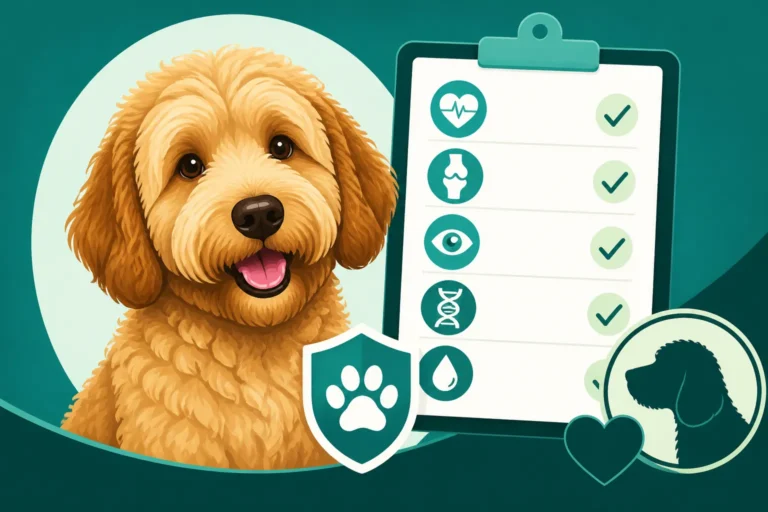
Labradoodle breeder health testing requirements explain hip and elbow dysplasia screenings to protect puppies from serious genetic conditions.

Insurance claims and veterinary costs for Labradoodles and Labradors based on genetics, age, location, and policy deductibles.

Recognizing a senior Labradoodle’s physical and emotional decline helps owners navigate hard decisions about care options.

An old Labradoodle head tilt indicates vestibular system problems originating from inner ear infections or brain issues.

Cushing and Addison disease differences, symptoms, and diagnostic approaches help Labradoodle owners work effectively with veterinarians.
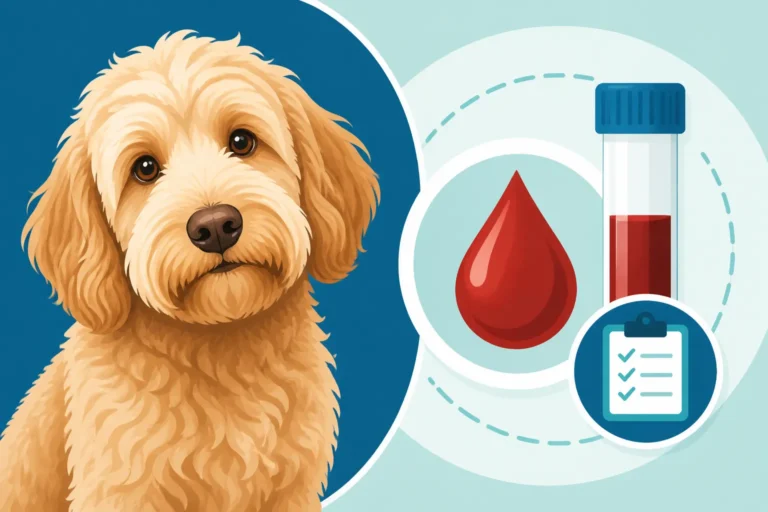
Regular bloodwork for an Addisonian Labradoodle helps veterinarians monitor electrolyte balance and adrenal hormone levels.
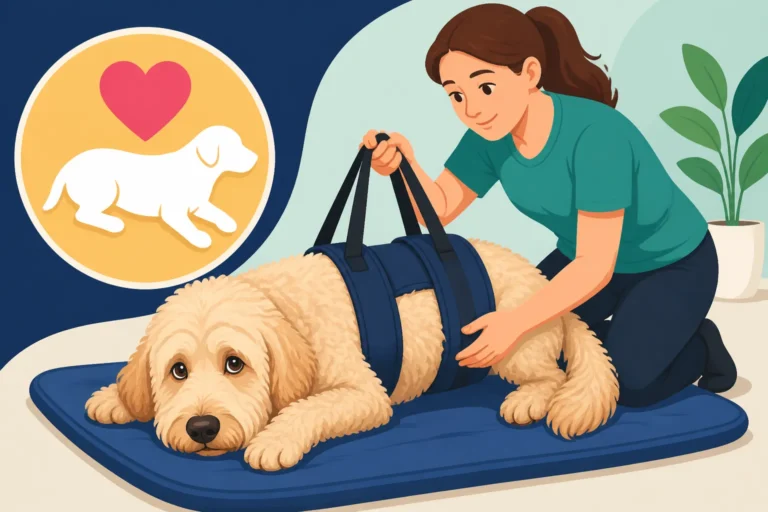
Sixty-pound Labradoodle mobility issues, including arthritis and dysplasia, explained with causes and care methods for senior dogs.

Canine cognitive dysfunction causes memory and behavior changes in senior Labradoodles, resembling Alzheimer’s disease in humans.