Whether a Labradoodle Guards Its Stolen Laundry
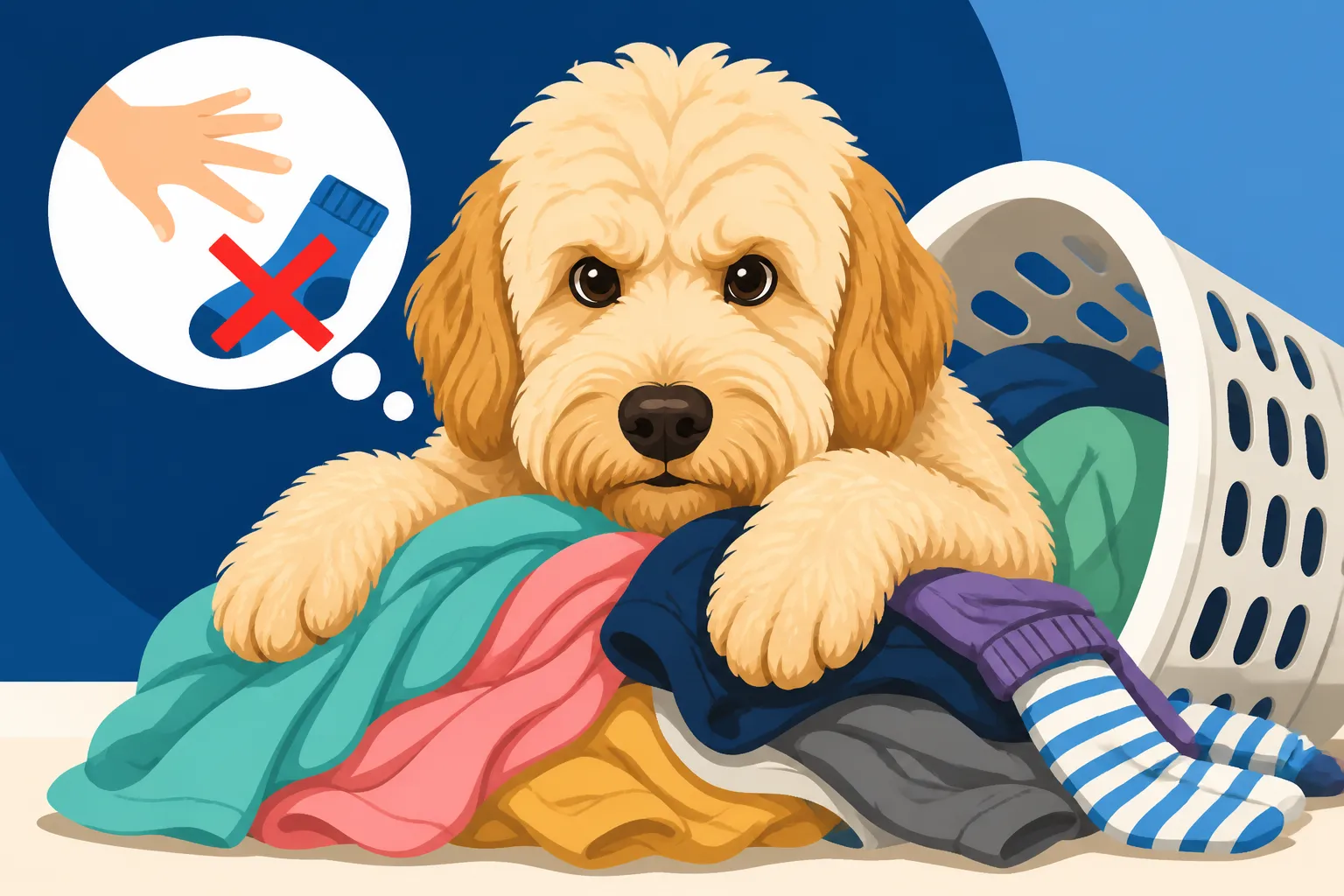
It's a familiar scene in many Labradoodle homes: you turn your back for a moment, and suddenly, that pile of freshly laundered clothes you just folded—or perhaps the dirty socks left by the bed—has vanished! You track down your fluffy culprit to a quiet corner, nestled amongst your garments, and then the real question arises: will they just drop it, or will they actually guard their stolen treasure? This guide will delve into why your adorable Labradoodle has a penchant for pilfering your personal items and, more importantly, how to differentiate playful theft from serious resource guarding, offering practical steps to manage both behaviors for a harmonious home.
Understanding Why Your Labradoodle Steals Laundry
Let's be honest, few things are as appealing to a dog as something that smells strongly of their favorite human. Your Labradoodle isn't usually trying to be naughty when they snag your socks or dive into the laundry basket; they're often just following their instincts or seeking comfort.
The Allure of Scent and Texture
Think about it from your Labradoodle's perspective. Your clothes, whether fresh from the dryer or worn for a day, are absolutely drenched in your unique scent. For a dog whose world is dominated by olfaction, this is an irresistible invitation. It's like finding a warm, fuzzy blanket that smells exactly like "home" and "you." The soft texture of laundry, particularly items like sweaters, towels, or even a soft pair of jeans, also appeals to their desire for comfort. They might gently mouth it, roll in it, or simply lie on it, soaking in the sensory experience.
This isn't unlike a puppy settling down with a blanket that smells of their mother or littermates. Your Labradoodle, a breed known for its strong bond with its family, finds immense reassurance in your scent. It can be a way for them to feel close to you, even when you're not actively engaging with them. The fact that the laundry is often readily available on the floor, on a bed, or spilling out of a hamper makes it an easy target for these curious and scent-driven dogs. You might notice this behavior more with items you've recently worn, as those carry the strongest scent signature.
Seeking Comfort and Security
Sometimes, laundry theft goes beyond just liking your smell; it can be a form of self-soothing or seeking security. Your Labradoodle might be looking for a soft, familiar "den" material to curl up with, especially if they are feeling a bit anxious, bored, or just want to feel safe. A pile of your clothes can quickly become their makeshift nest, a little sanctuary where they feel protected and surrounded by comfort.
This behavior can be more pronounced in dogs who experience mild separation anxiety, even if it's just when you step out of the room for a moment. Having something that smells so distinctly of you can help to alleviate those feelings of being alone. A bored Labradoodle, a highly intelligent and energetic breed, might also resort to "borrowing" your clothes simply because there's nothing else stimulating enough to do. They might carry the item around, perhaps gently chew on it, not out of destructiveness, but as a way to occupy their mind and mouth. Providing ample mental stimulation and physical exercise can often reduce these types of behaviors. Consider whether your dog has enough appropriate toys, chews, or even puzzle feeders to keep their mind engaged.
Attention-Seeking and Play
Let's not forget the Labradoodle's playful spirit! For some dogs, stealing laundry becomes a game, especially if they've learned that it consistently gets a reaction from you. Picture it: your Labradoodle snags a sock, you chase them, they dart away, tail wagging, and suddenly, it's the best game of "keep away" ever invented. Even if your reaction is one of frustration, it's still attention, and for a social dog, any attention can be rewarding.
They quickly learn that a strategically snatched item can immediately draw your focus away from whatever you were doing and onto them. This can be particularly true if they feel like they aren't getting enough one-on-one playtime or interaction. They might parade the item around, looking at you expectantly, inviting you to engage. This kind of behavior isn't malicious; it's just a smart dog figuring out how to get what they want – your engagement. Understanding this motivation is key to managing it, as reacting with a chase only reinforces the "game." What a Labradoodle Destroys When Left Alone can often be linked to similar boredom or attention-seeking behaviors.
When "Stealing" Turns into "Guarding"
While a bit of playful laundry theft is often benign, the moment your Labradoodle transitions from merely possessing an item to actively guarding it, a different and potentially more serious behavior is at play.
Differentiating Simple Possession from Resource Guarding
This is a critical distinction. Simple possession means your Labradoodle has an item and might even run off with it, but if you calmly approach and ask for it back, or offer a trade, they readily give it up. They might even drop it on their own if they hear the rustle of a treat bag. They're just being a cheeky dog.
Resource guarding, however, is a deeper, instinctual behavior where a dog perceives a valued item (their "resource") as something they need to protect from others. This protection can manifest in a range of behaviors, from subtle warnings to outright aggression. Signs of resource guarding can be nuanced at first. You might notice a slight stiffening of the body, a quick glance, a lowered head over the item, or a low growl or snarl when you approach. They might become still, tense, and their eyes might dart between you and the stolen laundry. This isn't about fun; it's about protecting what they believe is theirs. Whether a Labradoodle Guards From the Poodle or Labrador Side discusses the inherent protective traits that can contribute to this.
Common Triggers for Guarding Behavior
Resource guarding isn't always about the highest-value items. While a favorite chew toy or a bowl of food might be obvious candidates, for some Labradoodles, a stolen sock or your sweaty gym shirt can trigger a guarding response. The trigger is often about the perceived threat of you taking it away. This perception might be entirely in your dog's head, based on past experiences (perhaps you've always snatched items without a fair trade) or simply an innate drive.
Specific situations can heighten guarding. If you've been busy and haven't spent much time with your Labradoodle, they might be more prone to guarding, as their emotional needs aren't being met. If the dog is feeling unwell or in pain, they might also be more inclined to guard resources, as their tolerance for interaction decreases. It's crucial to observe the context. Does it happen with all stolen items, or just certain ones? Does it happen with all family members, or only specific individuals? These details can help you understand the root cause and develop an effective management plan.
The Risks of Allowing Guarding Behavior
Allowing resource guarding to go unaddressed is a risky path. While it might start with a soft growl over a sock, it can escalate over time to more serious behaviors, including snapping or biting. This is not only dangerous for family members, especially children, but it also erodes the trust and bond you share with your Labradoodle. Imagine trying to get a vital medication from your dog, or needing to check their mouth for an injury, and being met with aggression.
Resource guarding can make everyday interactions stressful and limit your dog's freedom within the home. It can lead to a dog who is constantly on edge, and owners who walk on eggshells. It's not fair to either of you. This is why early intervention and consistent training are so incredibly important. A dog that guards resources is not a "bad" dog; they are a dog acting on instinct that needs gentle, consistent guidance to learn that humans are not a threat to their possessions.
Strategies to Prevent and Manage Laundry Theft and Guarding
Dealing with a Labradoodle's laundry antics requires a two-pronged approach: prevention to stop the behavior before it starts, and training to teach appropriate responses when they do get hold of something.
Prevention: Making Laundry Less Accessible
The easiest way to stop your Labradoodle from stealing laundry is to remove the opportunity. This might sound overly simplistic, but management is truly the first and most effective step. If your Labradoodle can't get to the laundry, they can't steal it, and they can't guard it.
- Secure Hampers: Invest in hampers with lids or ones that are too tall for your Labradoodle to reach into. A simple pop-up mesh hamper might look neat, but it's an open invitation for a clever Labradoodle.
- Close Doors: Keep bedroom and bathroom doors closed, especially when laundry is present on the floor or furniture.
- Prompt Collection: Don't leave dirty clothes lying around on the floor. Get into the habit of immediately putting them into a secure hamper or washing machine.
- Dedicated Laundry Room: If you have a separate laundry room, consider installing a baby gate or keeping the door closed when items are drying or waiting to be folded.
- Supervise Unattended Laundry: If you're folding laundry or have a basket of clean clothes, ensure your Labradoodle is either crated, engaged with a high-value chew toy in another room, or closely supervised.
Remember, your Labradoodle is smart and persistent. They will find the weakest link in your system, so consistency from everyone in the household is crucial. Make sure everyone understands the new "laundry rules."
Training for "Drop It" and "Leave It"
These two commands are invaluable for any dog, but especially for a Labradoodle who has a penchant for picking up forbidden items. Start teaching these commands in a low-distraction environment with low-value items, gradually increasing the difficulty.
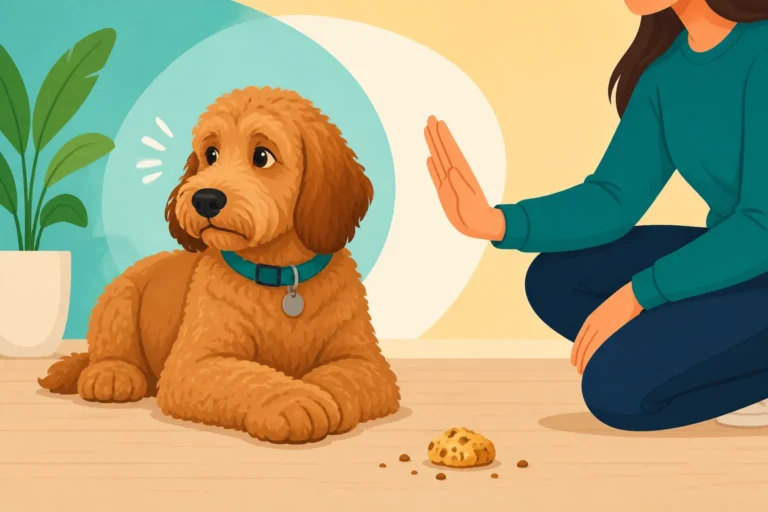
"Leave It": This command teaches your Labradoodle not to touch an item they see.
- Place a low-value treat on the floor and cover it with your hand.
- Say "Leave It."
- When your dog looks away from the treat (even for a second), immediately reward them with a different, higher-value treat from your other hand.
- Repeat, gradually moving your hand further away until they can leave the treat simply on your command.
- Practice with various items, including actual laundry, and in different locations.
"Drop It": This teaches your Labradoodle to release an item they already have in their mouth.
- Start by giving your Labradoodle an item they are allowed to have, like a toy.
- Hold a very high-value treat (something they love) near their nose.
- As they open their mouth to investigate the treat, say "Drop It."
- The moment the toy hits the ground, immediately give them the high-value treat.
- Once they reliably drop the item, you can begin to introduce it with stolen laundry. Never chase or snatch; always trade.
- For more guidance, online training programs like BAXTER & Bella offer comprehensive resources for teaching these foundational commands through positive reinforcement.
Consistently rewarding your dog for compliance makes these commands strong and reliable. The Treats a Labradoodle Trains Best For can give you ideas for high-value rewards to use during this training.
Addressing Resource Guarding Safely
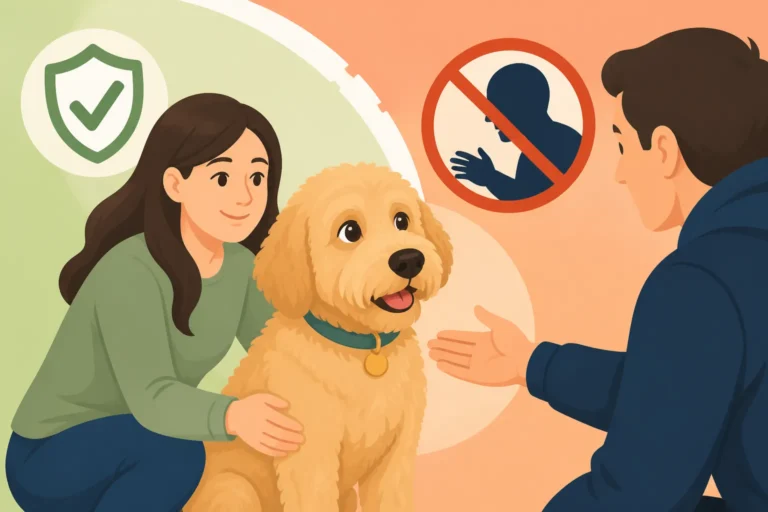
If your Labradoodle is already exhibiting resource guarding over laundry, it's essential to approach it with caution and never try to forcefully take the item. This can escalate the situation and potentially lead to a bite. The primary method for addressing resource guarding is the "trade and barter" system, also known as positive interrupters and reinforcement.
- Avoid Confrontation: Do not scold, punish, or try to physically remove the item. This will only reinforce your dog's need to guard.
- High-Value Trade: Have a supply of extremely high-value treats or toys on hand – something your Labradoodle rarely gets or absolutely adores.
- The Exchange: When your Labradoodle has a guarded item, approach calmly (but not directly into their space if they are already tense). Toss one of the high-value treats a short distance away from them.
- Remove and Reward: As they move to get the treat, quickly and quietly pick up the guarded laundry. Do not draw attention to it. When they return, continue to reward them with more treats, making it a positive experience.
- Gradual Desensitization: Over time, you can work on desensitizing your dog to your presence around their valued items. This involves approaching, dropping a treat, and backing away, without touching the item. The goal is to change their association with your approach from "threat" to "good things happen."
- Professional Help: If the guarding behavior is intense, involves growling, snapping, or any aggression, or if you feel unsafe, it is absolutely crucial to seek help from a certified professional dog trainer or a veterinary behaviorist. They can assess the situation, identify triggers, and develop a tailored plan to safely modify the behavior. Do not try to solve severe guarding issues on your own. Whether a Labradoodle Is Too Smart for a Novice emphasizes the need for skilled guidance when facing challenging behaviors.
A dedicated training platform, such as BAXTER & Bella, offers online coaching and step-by-step guides that can be incredibly helpful for owners needing extra support in navigating these behaviors. They often have modules specifically on resource guarding. You can also find a vast array of enrichment toys, durable chews, and training equipment on Amazon to help manage boredom and provide appropriate outlets for chewing, which can reduce the appeal of your laundry.
| Behavior Type | Signs | Appropriate Response |
|---|---|---|
| Simple Laundry Theft | Snatching items, running off playfully, dropping item when called or offered a trade, tail wagging, relaxed body. | Prevent access to laundry. Consistently practice "Drop It" and "Leave It" with high-value treats. Offer appropriate chew toys and mental stimulation. Avoid chasing, which can reinforce the game. |
| Resource Guarding | Stiff body, freezing, low growl, snarl, baring teeth, quick darting eyes, hovering over item, snapping/lunging when approached. | Do NOT attempt to take the item forcefully. Retreat immediately if any guarding signs appear. Use the "trade and barter" method (toss a high-value treat away, pick up guarded item). Seek professional help for aggressive guarding. |
Living Harmoniously with a Clever Labradoodle
Your Labradoodle's intelligence and desire for companionship are wonderful traits, but they do mean you need to be proactive and consistent in your approach to training and management.
Environmental Enrichment and Exercise
A bored Labradoodle is a mischievous Labradoodle. This breed is known for its energy and sharp mind, inherited from both the Labrador Retriever and the Poodle. If their physical and mental needs aren't met, they'll invent their own entertainment, and often, that involves things like your laundry.
Ensure your Labradoodle receives adequate exercise daily, tailored to their age and energy level. This means more than just a quick trip to the backyard; think walks, runs, fetch, or even swimming. Beyond physical activity, mental stimulation is crucial. Puzzle toys, snuffle mats, training sessions (even short ones!), and interactive games can help tire out their brains. A tired and content Labradoodle is far less likely to seek out your dirty socks as a form of entertainment. The Exercise a Labradoodle Needs Before It Behaves delves deeper into meeting these crucial physical requirements.
Consistency is Key
Labradoodles thrive on routine and consistency. If sometimes they are allowed to steal a sock and other times they are scolded, they become confused, making it harder for them to learn what is expected. Everyone in the household needs to be on the same page regarding rules and consequences. This means all family members must commit to securing laundry, using the same commands ("Drop It," "Leave It"), and responding to guarding behaviors appropriately.
If you have children, educate them on how to interact with the dog when they have a forbidden item, emphasizing never to chase or try to pull an item away. Consistency reinforces trust and predictability, making your Labradoodle feel more secure and less likely to guard. Remember, your Labradoodle is constantly learning from your reactions. Make sure those reactions are always clear, calm, and consistent.
Disclaimer
This article is for general informational purposes only and does not constitute professional advice. Laws, prices and regulations vary by location and change over time. Consult a qualified professional for guidance on your specific situation.