Whether a Labradoodle Follows You Room to Room
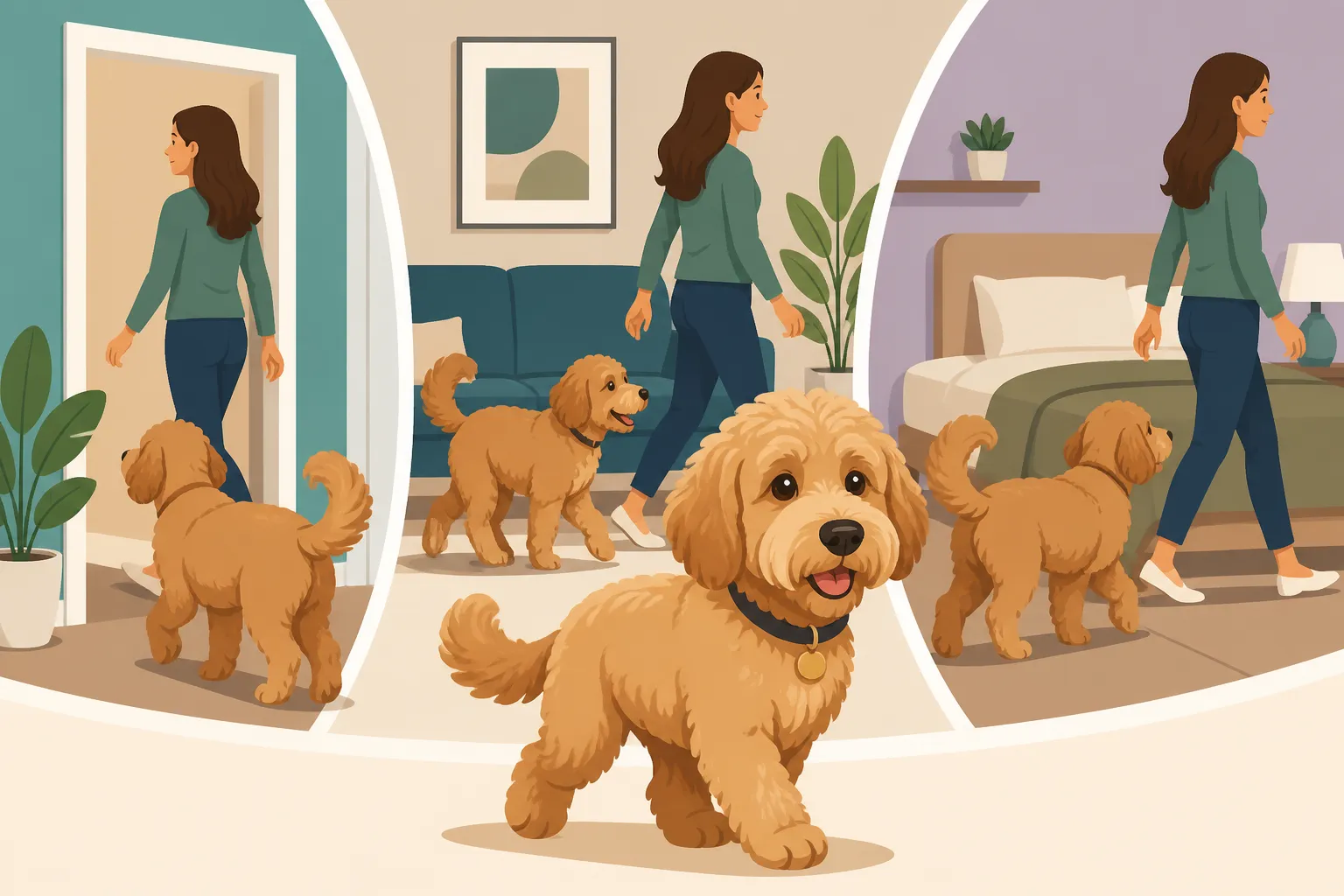
Many Labradoodle owners find themselves constantly shadowed by their furry companion, wondering if this charming trait is just part of their breed's endearing nature or if it signals something more. It's truly a mixed bag of emotions when you trip over your dog for the tenth time walking from the kitchen to the living room! This guide dives deep into why Labradoodles often act like your personal assistant, following you from room to room, and explores how to understand, manage, and even appreciate this common "Velcro dog" behavior.
The Roots of the "Velcro Dog" Phenomenon in Labradoodles
It’s easy to feel like you’ve won the lottery with a Labradoodle – their affectionate nature is undeniably one of their most celebrated traits. But where does this intense desire to be perpetually by your side come from? It's not just a cute quirk; it's deeply ingrained in their genetic makeup, a wonderful inheritance from both parent breeds that makes them such loyal companions, even if they sometimes get underfoot.
The Labrador Retriever's Affectionate Nature
Labrador Retrievers are renowned for their unwavering loyalty and strong desire to be part of their human family. They were originally bred to work closely with people, retrieving game from land and water, which demanded a high level of attentiveness and cooperation. This intrinsic drive to form a strong bond and remain connected to their human "pack" leader is a powerful genetic trait that shines brightly in their Labradoodle offspring. They thrive on companionship and genuinely want to be where the people are.
This inherited need to be close often manifests as a constant desire to be within eyesight, if not within touching distance. When you get up from the sofa, your Labradoodle often interprets it as a sign that something is happening, and they definitely want to be involved. Whether you're simply moving from the living room to the kitchen for a snack or heading out to the garden, they're right there, often just a step behind. It's not uncommon for them to seek physical contact too, leaning against your leg or resting their head on your foot as a constant reassurance of your presence.
This isn't just about curiosity; it's about connection. Labradors were bred to be attentive partners, and that translates into a dog that wants to know what you’re doing, where you’re going, and how they can participate. For many Labradoodle owners, this constant companionship is precisely what they love most about the breed, even if it means navigating around a furry shadow all day. It’s a testament to the fact that What a Labradoodle Owes to Its Labrador Side is a significant part of their personality.
The Poodle's Desire for Connection
On the other side of the family tree, Poodles bring their own unique contributions to the "Velcro dog" phenomenon. Far from being just a show dog with a fancy haircut, Poodles are highly intelligent, incredibly athletic, and deeply people-focused. They were originally water retrievers, much like Labradors, and their historical roles often demanded close communication and engagement with their handlers, whether in the field or even performing in circuses. They are thinkers who thrive on interaction and mental stimulation.
The Poodle's intelligence means they often learn household routines incredibly quickly and can anticipate your next move. If you always head to the coffee maker first thing in the morning, your Poodle-mix Labradoodle will likely learn that pattern and often beat you there, tail wagging, ready to start the day with you. They're not just following; they're often trying to be one step ahead, predicting where the action will be and positioning themselves for optimal involvement. This contributes significantly to the Labradoodle's eagerness to please and their strong desire to be included in every family activity.
This intelligent, observant side of the breed contributes to a dog that craves mental stimulation and social interaction, and simply being near you, observing your activities, often fulfills a significant part of that need. They want to be engaged, even if that engagement is passive companionship. So, when your Labradoodle is trailing you, it's a beautiful combination of the Labrador's unwavering loyalty and the Poodle's sharp mind wanting to be connected to its favorite human. This powerful bond is certainly one of the traits that Which Labradoodle Traits Come From the Poodle passes on, but one that can lead to a few stubbed toes if you’re not always mindful of your furry companion right behind you!
Is Your Labradoodle's Shadowing Healthy or Problematic?
Understanding the difference between a naturally affectionate Labradoodle and one exhibiting signs of unhealthy over-reliance or even separation anxiety is crucial. While we all love a dog that wants to be near us, there's a fine line between a cherished companion and a dog whose emotional well-being is entirely dependent on your physical presence. Recognizing the subtle cues your dog gives can help you ensure their happiness and prevent bigger issues down the road.
Normal Attachment vs. Over-Reliance
A certain level of "Velcro" behavior is not only completely normal but often a highly desirable trait in a Labradoodle. They are, after all, bred to be companion animals. A dog that enjoys being near you, settles calmly when you’re in the same room, and seeks out your affection is generally a well-adjusted, confident, and loving pet. In these cases, your Labradoodle might follow you into the next room, then quietly curl up on their bed or chew a toy, content in your proximity. They might be A Labradoodle That Waits Outside the Bathroom Door, but they don't seem to panic when they're briefly out of sight.
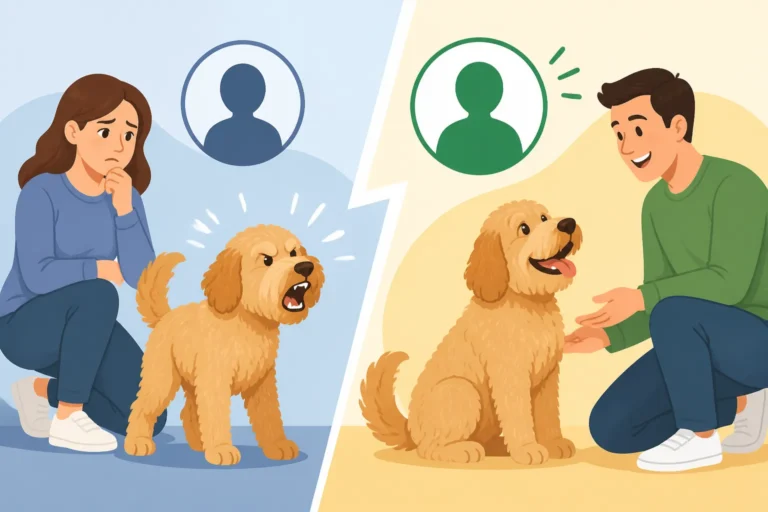
The distinction between healthy attachment and problematic over-reliance lies in your dog's emotional state when you move or leave. Does your Labradoodle calmly follow you and then settle down at your feet in the next room, or do they get visibly anxious, start whining, pacing, or even trying to block your path? Normal attachment means they prefer to be with you and enjoy your company, but they don't need to be for their emotional security. They can still relax and be content if you step away for a short period.
Over-reliance, on the other hand, suggests a dog whose well-being is excessively tied to your physical presence. This can manifest as constant pacing, incessant whining, or continuous barking if you simply go to the bathroom or out of their sight for a minute. It’s important to recognize these subtle differences, as an overly attached dog might be teetering on the edge of more serious issues like separation anxiety. It’s like a child who enjoys playing near their parent versus one who cries frantically if the parent steps out of sight for a second. We want our dogs to feel secure and loved, but also capable of being content and secure in their own space.
When Following Becomes Separation Anxiety
When the constant following escalates into genuine distress or panic when you're absent, even for short periods, you might be looking at separation anxiety. This is far more than just being a "Velcro dog"; it's a serious behavioral issue where the dog experiences intense fear and anxiety when separated from their primary attachment figure. Signs can be heartbreaking and include destructive chewing (especially around exits like doors and windows), excessive barking or howling, inappropriate urination or defecation inside the house, and in severe cases, even self-harm such as licking or chewing paws raw, all occurring exclusively when left alone.
It's a heartbreaking situation for both dog and owner. The dog experiences profound emotional pain and fear, and the owner often returns home to damaged property, frustrated neighbors, and feelings of guilt. It's absolutely crucial not to confuse typical Labradoodle clinginess with this genuine panic disorder. If you're observing behaviors like What a Labradoodle Destroys When Left Alone or persistent, frantic vocalizations like Whether a Labradoodle Barks When Left the moment you're out of sight, it’s a red flag that merits serious attention.
Diagnosing true separation anxiety often involves observing your dog when you're not there, usually with a camera, to confirm the behaviors only happen in your absence. A veterinarian or a certified professional dog trainer specializing in behavior can help you determine the severity and create a tailored plan. It’s important to remember that simply scolding your dog for destructive behavior doesn't address the underlying fear and can actually make their anxiety worse. They aren't being "naughty" out of spite; they are in genuine emotional distress. Understanding this difference is the first, vital step toward effective intervention and helping your Labradoodle feel more secure, even when you’re not right there beside them. For owners trying to decipher if their Labradoodle is Telling an Anxious Labradoodle From an Under Exercised One, this distinction is paramount.
| Behavior Aspect | Normal "Velcro" Labradoodle | Over-Reliance / Potential Anxiety |
|---|---|---|
| Emotional State | Calm, relaxed, observant | Anxious, stressed, panicked |
| Response to Departure | Follows, then settles nearby; may watch you leave | Whines, paces, barks, tries to block exits, frantic |
| When Alone (Short Period) | Rests, plays with toys, naps, waits patiently | Destructive chewing, howling, inappropriate elimination |
| Greeting on Return | Happy, wagging tail, seeks attention | Overly exuberant, frantic, difficult to calm |
| Impact on Owner | Minor inconvenience (e.g., tripping hazard) | Stress, property damage, guilt, disruption |
Managing and Modifying the Following Behavior
If your Labradoodle's shadowing is becoming overwhelming, or if you suspect it's tipping into unhealthy over-reliance or anxiety, there are several proactive steps you can take. The goal isn't to make your Labradoodle less affectionate, but to foster a sense of security and independence so they can be happy and calm even when you're not in the immediate vicinity. This involves a blend of training, enrichment, and sometimes, professional support.
Encouraging Independent Play and Relaxation
One of the most effective ways to address over-attachment is to teach your Labradoodle that being alone or occupying themselves independently can be a positive and rewarding experience. Start by providing high-value, engaging activities that they can do completely on their own. Puzzle toys stuffed with delicious treats or long-lasting chews are fantastic for this purpose. You can find a huge variety of these on platforms like Amazon, offering different levels of challenge to keep your dog's mind stimulated and focused on something other than your movements. These toys create a positive association with quiet, solo time.
Next, create a designated "safe space" for your dog within your home, such as a comfortable dog bed in a quiet corner or a properly introduced crate if they are crate-trained. Encourage them to use this space for relaxation by periodically offering high-value rewards there, making it a desirable spot. Teach them a "place" or "bed" command, where they learn to go to their designated spot and stay there, even if you move around the house or briefly leave the room. This command builds a foundational understanding that they don't always have to be right next to you, and it provides them with a structured way to relax. For many dogs, learning Whether a Crate Helps a Labradoodle Switch Off is a game-changer for building independent relaxation skills.
Gradually increase the duration your dog spends in their safe space or engaged with an independent toy while you are still in the room, but not actively interacting with them. The goal is for them to learn to relax and entertain themselves without your direct involvement. Start with just a few minutes and slowly build up. This process helps cultivate a calm, self-sufficient demeanor that can translate into being okay when you step out of the room or even leave the house for longer periods. It reinforces the idea that quiet time in their own space is a good thing, not a punishment.
Structured Separation Training
If your Labradoodle's following behavior leans towards anxiety or you're seeing early signs of distress when you leave, structured separation training is vital. This process starts small and builds up slowly. Begin by simply stepping out of the room for a few seconds – literally 5-10 seconds – then returning before your dog has a chance to get anxious. Don't make a big fuss when you leave or when you return; keep your demeanor calm and neutral. This helps to normalize your departures and arrivals, making them less of an event for your dog.
Gradually, and I mean gradually, increase the duration of your absence. If your dog remains calm for 30 seconds, try 60 seconds next time. If they show any signs of anxiety (whining, pacing, looking stressed), you've gone too far too fast; scale back to a duration where they were successful. Consistency is key here; practice these short, low-key departures multiple times a day. The aim is to create a long string of successful, calm separations. This teaches your Labradoodle Teaching a Labradoodle That You Come Back reliably and calmly.
For guided, step-by-step training, especially if you're a first-time owner or feeling overwhelmed, an online program like BAXTER & Bella can be incredibly helpful. They often offer comprehensive modules that include strategies for building confidence and independence in puppies and adult dogs, which is directly applicable to separation training. These programs often provide structured exercises and support that can make the process much clearer and less daunting. Additionally, it’s helpful to vary your routine. Don't always pick up your keys, put on your shoes, and then leave immediately. Sometimes just pick up your keys and put them back down, or put on your shoes and then sit on the sofa. This helps desensitize your dog to departure cues and prevents them from spiraling into anxiety before you've even walked out the door.
Seeking Professional Guidance
For severe cases of separation anxiety, or if you're struggling to make progress on your own despite your best efforts, please don't hesitate to seek professional help. A certified professional dog trainer specializing in behavior modification, or even a veterinary behaviorist, can provide invaluable support and expertise. They can accurately assess the situation, rule out any underlying medical conditions that might be contributing to the anxiety, and develop a customized, humane behavior modification plan tailored to your Labradoodle's specific needs.
These professionals can teach you advanced techniques, such as specific counter-conditioning and desensitization protocols, which are often necessary for more severe forms of anxiety. They can also advise on potential pharmaceutical interventions if a dog's anxiety is so profound that they can't learn or cope without additional support. This isn't a sign of failure on your part; it's a responsible, compassionate step towards helping your dog find peace and feel more secure. For many owners, understanding the challenges can be a significant step, and resources like What Labradoodle Owners Say They Underestimated can often highlight common pitfalls.
Remember, addressing separation issues or excessive following behavior takes patience, consistency, and a great deal of empathy. It's a journey, not a quick fix, and sometimes having an expert guide you through it makes all the difference. Investing in professional guidance is an investment in your Labradoodle's long-term emotional well-being and, by extension, your own peace of mind. It can help your beloved companion learn to manage their emotions and lead a happier, more independent life, whether you're in the next room or out for the day. For families considering how their lifestyle impacts their dog's alone time, exploring topics such as Whether a Labradoodle Suits a Household That Works Full Time can offer valuable insights.
Disclaimer
This article is for general informational purposes only and does not constitute professional advice. Laws, prices and regulations vary by location and change over time. Consult a qualified professional for guidance on your specific situation.