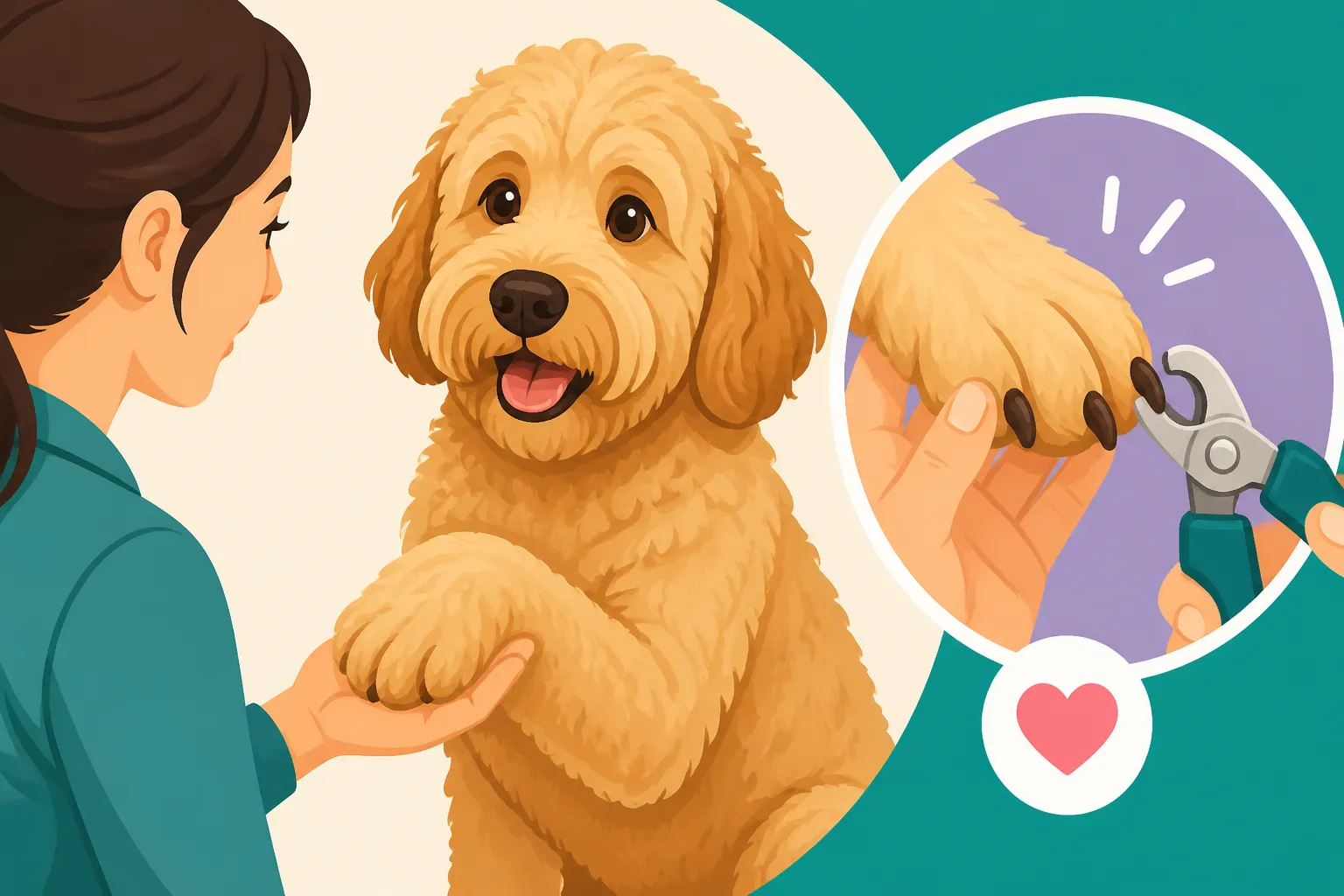
Teaching a Labradoodle to Give a Foot for Nails
For many Labradoodle owners, the mere mention of nail trims can bring a sigh of resignation, or even dread. It's a task that often turns into a wrestling match, leaving both you and your beloved furry friend stressed and frustrated. This guide is here to change that, offering a comprehensive, empathetic, and step-by-step approach to teach your Labradoodle to not just tolerate, but willingly offer a paw for their nail care, transforming a dreaded chore into a cooperative routine.
Why Nail Trims Are Such a Struggle for Labradoodles and Their Owners
It’s completely understandable why nail trims can feel like an impossible feat. You're not alone in this struggle; it's one of the most common complaints I hear from fellow Labradoodle parents. There are several intertwined reasons why this seemingly simple task can become such a battle.
The Fear Factor: Past Negative Experiences
Imagine for a moment being completely reliant on someone else to perform a procedure on you, and that procedure has, in the past, caused pain or discomfort. Even just one "quick" that was accidentally cut too short, sending a jolt of pain through their sensitive paw, can create a lasting negative association for a Labradoodle. They're smart, and they remember. This isn't just a fleeting memory; it builds. Each subsequent attempt, if not handled with immense care and positive reinforcement, layers another brick onto the wall of their apprehension. Over time, that apprehension can morph into active resistance, fear, or even a defensive reaction. The memory of pain, or even just the uncomfortable sensation of being held against their will, can trigger a full-body shutdown or frantic struggle, making the next attempt even harder for everyone involved.
The Labradoodle's Unique Sensitivities and Coat
Labradoodles, delightful as they are, often inherit a blend of sensitivities from their Poodle and Labrador lineages. Their paws, in particular, can be quite delicate and prone to becoming a "no-go" zone for handling. The dense, often curly or woolly coat that makes them so endearing can also be a practical challenge. It can easily obscure their nails, making it surprisingly difficult to accurately see the quick—the pink, blood-filled part of the nail that causes pain if cut. This anatomical reality, combined with their inherent tactile sensitivity, can make them incredibly wary of having their feet handled, let alone manipulated for a trim. The very hair that gives them their signature look can also create problems, as the hair between their pads can grow long, making it even harder to isolate the nails and potentially trapping moisture, which adds to discomfort. Addressing this involves careful grooming, as discussed in Whether a Labradoodle's Foot Hair Traps Moisture.
Owner Anxiety and Its Impact
Let’s be honest: who enjoys trimming dog nails? For many of us, it’s a chore we dread, precisely because we anticipate the struggle, or worse, accidentally hurting our dog. Our own anxiety about the process is palpable, and our Labradoodles, being incredibly attuned to our emotions, pick up on it immediately. If you’re tense, holding your breath, or gripping the clippers with white knuckles, your dog senses that stress. This creates a negative feedback loop: your anxiety makes them anxious, their anxiety makes them resist, and their resistance amplifies your anxiety. It's a vicious cycle that can escalate quickly. The goal isn't just to teach your dog, but also to manage your own emotional state, ensuring you approach the task with a calm, confident, and positive demeanor.
The Foundation: Building Trust and Positive Associations
Before you even think about bringing out the nail clippers, it's crucial to lay a solid foundation of trust and positive association. This isn't about quick fixes; it's about building a relationship where your Labradoodle feels safe and comfortable during handling.
Desensitization: Making Feet Non-Threatening
Desensitization is key. It's about gradually introducing your Labradoodle to the idea of having their paws touched and handled, making it a routine, non-threatening, and even enjoyable experience. Start small, really small. When your Labradoodle is relaxed—perhaps dozing on the couch next to you or enjoying a quiet chew toy—gently touch their leg, then their paw. Don't grab it; just a light touch. Immediately follow this with a high-value treat and soft praise. The moment your hand touches their paw, a delicious reward appears.
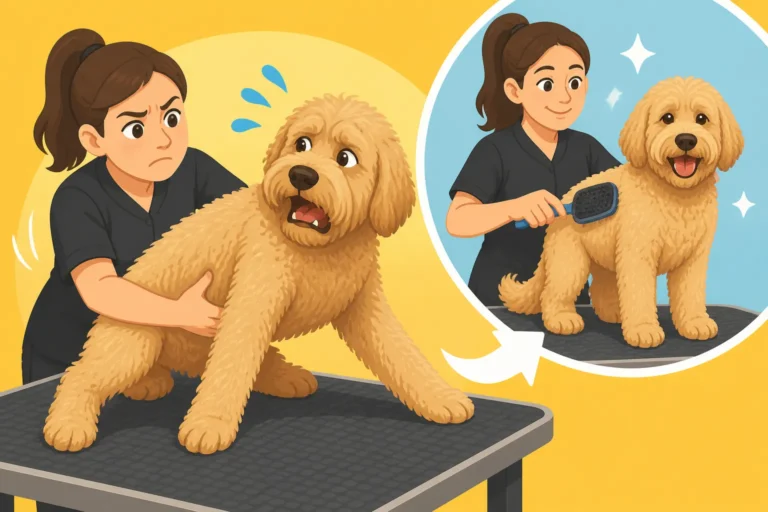
Repeat this many times a day, for just a few seconds at a time. Don't push it if they pull away; just end the session calmly and try again later. The goal is to build up to being able to gently hold their paw, touch their pads, and even gently separate their toes, all while they remain relaxed and happy, associating these touches with positive outcomes. Think of it as preparing them for a long grooming session, similar to the techniques used in Teaching a Labradoodle to Lie on Its Side for Line Brushing.
Positive Reinforcement: The Power of Treats and Praise
Positive reinforcement is your most powerful tool. This means rewarding desired behaviors, rather than punishing unwanted ones. For nail trims, every single step where your Labradoodle cooperates, no matter how small, should be lavishly rewarded. High-value treats are non-negotiable here. Think tiny pieces of cooked chicken, cheese, or specialized training treats they absolutely adore. The reward needs to be immediate (within 1-2 seconds) so they clearly understand what they are being rewarded for.
Combine the treat with enthusiastic verbal praise ("Good paw!" or "Yes!"). The more positive the association, the more likely they are to offer that behavior again. BAXTER & Bella, for example, emphasizes positive reinforcement in their training philosophies, and it’s a method that works wonders with intelligent and sensitive dogs like Labradoodles. This isn't bribery; it's communication, teaching them that cooperating with nail care leads to wonderful things.
Introducing the Tools Gradually
Once your Labradoodle is comfortable with having their paws handled, it's time to introduce the dreaded tools – the clippers or grinder. And by "introduce," I mean just show them. Place the clippers on the floor a few feet away. If your dog glances at them without reacting negatively, toss a treat. Gradually move the clippers closer. Let them sniff the tools. When they do, reward. Don't even pick them up yet.
The next step is to pick up the clippers. If your Labradoodle remains calm, reward. Then, gently touch the closed clippers to their paw, without attempting to cut. Reward. Repeat this many times over several sessions. The idea is to completely desensitize them to the sight, sound, and feel of the tools before they are ever used for their intended purpose. If you're using a grinder, turn it on in another room so the sound becomes normal, then gradually bring it closer, rewarding calmness at each step. This process is similar to how you would approach desensitizing them to other grooming tools, as outlined in The Clipper, Blade and Dryer a Labradoodle Owner Buys or Desensitizing a Labradoodle to the Clipper Vibration.
Step-by-Step: Teaching "Give Paw" for Nail Care
Now that your Labradoodle is more comfortable with paw handling and the sight of the tools, we can start teaching a specific command that encourages cooperation during nail trims.
The Initial "Paw" Command
Teaching "give paw" is a classic trick, and it's incredibly useful for nail care because it prompts your dog to willingly offer their foot. Here’s how to teach it:
- Get their attention: Sit on the floor with your Labradoodle in a quiet, low-distraction environment. Have those high-value treats ready.
- Lure the paw: Hold a treat in a closed fist. Present your fist to your dog's nose. They will likely sniff it, then perhaps try to lick it. Wait.
- Capture the behavior: The moment they lift a paw to try and get the treat from your hand (even if it's just a slight lift), immediately say "Yes!" or "Paw!" and open your hand to give them the treat.
- Repeat: Do this several times. Your dog will quickly realize that lifting their paw is the key to getting the delicious reward.
- Add the verbal cue: Once they are consistently pawing at your hand, start saying "Paw!" just before they lift their paw. This helps them associate the word with the action.
- Fade the lure: Gradually reduce how much you rely on the treat to get them to paw. Instead of holding the treat in your fist, just hold your flat hand out. When they paw it, reward. The goal is for them to offer their paw when you present your open hand and say "Paw!"
This basic "paw" command forms the cornerstone of cooperative nail care. Ensuring your Labradoodle learns basic commands like this by a certain age is vital for overall training, as highlighted in What a Labradoodle Should Know by Six Months.
Progressing to Holding the Paw
Once your Labradoodle offers their paw reliably on command, the next step is to get them comfortable with you holding it for longer periods.
- Initiate "Paw": Ask your Labradoodle to "Paw!"
- Gentle Hold: When they place their paw in your hand, gently cup it and hold it for just a second longer than usual before rewarding.
- Increase Duration Gradually: Over many sessions, slowly increase the amount of time you hold their paw. Start with 2-3 seconds, then 5 seconds, then 10 seconds, and so on. Always reward generously for calm compliance. If they try to pull their paw away, immediately release it without comment, wait a moment, and try again. The idea is that they decide to let you hold it, and they are rewarded for doing so.
- Manipulate Toes: Once they are comfortable with you holding their paw for a good duration, start gently touching and separating their toes while you're holding it. Again, short durations, immediate rewards. This gets them used to the kind of manipulation needed to expose individual nails. Remember, slow and steady wins the race. Building a Labradoodle Up to a Long Grooming Session discusses similar gradual progression for other grooming tasks.
Simulating the Nail Trim
This is where all your foundational work truly comes together. We're going to introduce the actual sensation of a nail trim without necessarily cutting a nail right away.
- Position and Command: Get into a comfortable position with your Labradoodle, and ask them to "Paw!"
- Hold and Manipulate: Gently take their paw and hold it, touching their pads and toes.
- Clipper/Grinder Touch: Bring the (still closed, or off) clippers or grinder into contact with one nail. Just a touch. Immediately reward if they remain calm. Repeat this for each nail, one touch at a time, with rewards in between.
- The "Snip" Sound (or Grinder On): For clippers, gently touch the clippers to a nail, but instead of cutting that nail, quickly "snip" the air next to it, making the sound without touching the dog. Immediately reward. This helps them get used to the sound without the sensation. For a grinder, briefly turn it on near the paw (not touching), reward, then turn it off. Gradually work up to touching the off grinder to the nail, then briefly touching the on grinder to a nail for a split second.
- The Tiny Trim: When your Labradoodle is completely calm with all the previous steps, pick one nail (usually a dewclaw, if they have one, as it's often easier to isolate and less sensitive) and clip off a tiny, tiny sliver of the very tip. Just enough to make a sound and show them what it feels like, but not enough to risk the quick. Immediately follow with a jackpot of treats and praise. One nail, then stop for the day. Repeat this process over many days, gradually doing more nails as their comfort level increases. Patience here is paramount.
Troubleshooting Common Hurdles and Maintaining Progress
Even with the best intentions and consistent training, you might hit some bumps in the road. It's normal, and it doesn't mean you've failed!
When Your Labradoodle Pulls Away or Nips
If your Labradoodle pulls their paw away, tries to nip, or shows any signs of discomfort (lip licking, yawning, turning head away, stiffening body), it’s a clear signal that you've gone too fast. Do not punish them for this. Instead, immediately stop the interaction. Release their paw, put the tools away, and take a break.
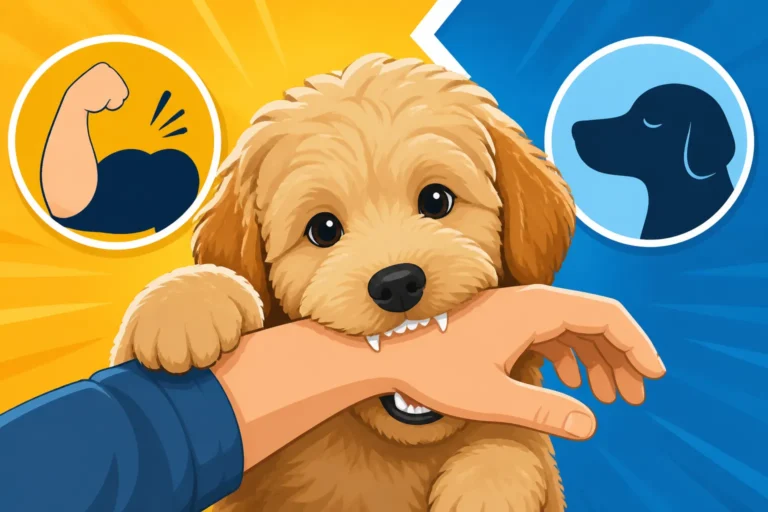
Go back to an easier step where they were comfortable. Perhaps they need more desensitization to just paw touches, or more positive association with the clippers just being in the room. This is where understanding dog body language is crucial. Your Labradoodle is telling you they're not ready for that particular step yet. Think of it as a form of "consent" in training – they need to feel safe and in control. Increase the value of your rewards, too. Sometimes, a higher-value treat can make all the difference. If nipping becomes a consistent issue, it might be a sign of deeper anxiety or fear, and techniques similar to those used to address A Labradoodle That Mouths Children's Hands might be helpful, focusing on redirecting and understanding the underlying cause.
Consistency and Patience: The Long Game
Teaching your Labradoodle to willingly participate in nail trims isn't a one-and-done kind of training. It's an ongoing process that requires immense consistency and patience. Short, frequent sessions (5 minutes, a few times a day) are far more effective than one long, stressful session once a week. Incorporate paw handling and tool exposure into your daily routine, even when you're not planning a full trim. Just a quick "Paw!" and a treat, a gentle touch of the clippers to a nail, then done. This maintains the positive association and prevents regression.
Remember, Labradoodles thrive on routine and consistency. Their intelligence means they learn quickly, but they also learn bad habits if not handled consistently. Think of it like brushing their coat; it's a regular maintenance task that benefits from a consistent, positive approach, as detailed in How Long Brushing a Labradoodle Takes Each Week.
Seeking Professional Help When Needed
There's no shame in admitting you need help. If you've tried everything, and your Labradoodle continues to be severely distressed, aggressive, or uncooperative during nail trims, it's time to seek professional guidance. A certified professional dog trainer specializing in fear-based behaviors or a veterinary behaviorist can assess the situation, identify underlying anxieties, and develop a tailored training plan. They might use different techniques, tools, or even recommend specific calming aids or, in very rare and extreme cases, discuss medication or sedation with your veterinarian, as explored in Whether Sedation Is Ever Right for Grooming a Labradoodle. Sometimes, having a professional groomer do the trims regularly while you work on desensitization at home can also provide a valuable bridge. Many owners find resources and support for these services through platforms like Amazon, offering a variety of training aids and books.
| Training Stage | Primary Action | Goal for Your Labradoodle | Key Reinforcement Strategy |
|---|---|---|---|
| 1. Desensitization | Gentle, brief touches to leg, then paw | Comfort and relaxation with handling | High-value treats, soft praise |
| 2. Introduce Tools | Show clippers/grinder (closed/off) near paw | Neutrality, then positive association with tools | Treats for calm observation |
| 3. "Paw" Command | Lure paw with treat in fist, then flat hand | Voluntarily offers paw on cue | Treats, enthusiastic praise |
| 4. Holding the Paw | Gradually increase duration of paw hold | Comfortable with sustained paw handling | Treats for calm compliance |
| 5. Simulating Trim | Touch tool to nail, make sound (air snip) | Acceptance of tool contact and sound | Treats for no negative reaction |
| 6. Actual Trim | Clip tiny tip of one nail, then stop | Tolerates the actual cutting sensation | Jackpot treats, vocal praise |
Disclaimer
This article is for general informational purposes only and does not constitute professional advice. Laws, prices and regulations vary by location and change over time. Consult a qualified professional for guidance on your specific situation.