Whether a Labradoodle Puppy Bites Harder Than Most
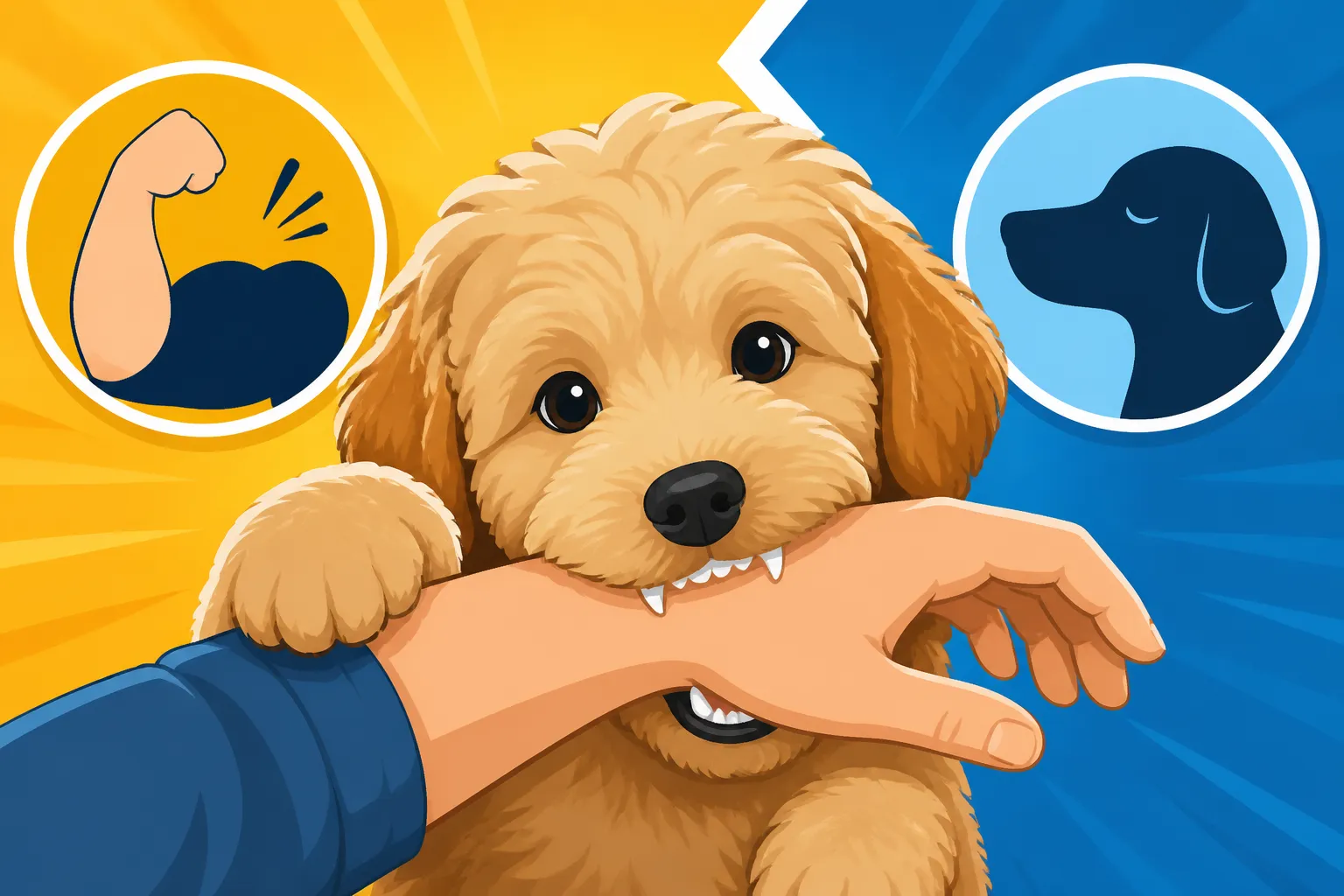
One of the most common, and frankly, painful, experiences new Labradoodle puppy owners face is the relentless nipping and biting. It’s not just a little playful nibble; sometimes it feels like your adorable fluffball has a mouth full of tiny, razor-sharp needles determined to turn your hands and ankles into pin cushions. If you're wondering if your Labradoodle puppy bites harder or more frequently than other breeds, and you're desperate for solutions to save your skin (literally!), this guide will walk you through understanding why they do it and how to effectively manage this challenging phase.
Understanding Labradoodle Puppy Nipping and Biting
Bringing home a new Labradoodle puppy is often a whirlwind of joy, snuggles, and, let’s be honest, a lot of sharp puppy teeth. This intense mouthing behavior is a natural part of puppy development, but with a Labradoodle, it can sometimes feel amplified due to their specific breed characteristics and inherent exuberance. It’s crucial to understand the roots of this behavior to address it effectively and turn your little land shark into a polite, gentle companion.
The 'Mouthing' Stage: A Natural Puppy Behavior
All puppies go through a mouthing stage, where they use their mouths to explore the world around them, much like human toddlers use their hands. They investigate new objects, textures, and even people by putting them in their mouths. This is also how they learn about their environment and interact with their littermates. When they play with siblings, a bite that is too hard elicits a yelp, teaching them about bite inhibition – how much pressure they can apply without causing pain.
For Labradoodles, this stage can sometimes feel more intense. While it might not be that they inherently bite "harder" in terms of jaw strength, their persistence, energy, and the sheer sharpness of their puppy teeth can certainly make it feel that way. They are highly intelligent and often very playful, which means they might engage in more active, mouthy games than a more sedate breed. As they grow, their developing strength means that even playful nips can become quite forceful if not properly managed, transforming from a minor annoyance into a significant concern.
The Influence of Parent Breeds: Labrador and Poodle
To understand a Labradoodle's propensity for mouthing, we need to look at their parent breeds: the Labrador Retriever and the Poodle. Both contribute unique traits that can influence a puppy's biting behavior, creating a complex mix in the Labradoodle.
The Labrador Retriever side brings a strong retrieving drive, which means they are naturally inclined to carry things in their mouths. They often use their mouths to interact with the world, and this can translate into a tendency to mouth people's hands or clothing during play or excitement. This isn't aggression; it's an instinctual way they engage. The Poodle, on the other hand, contributes high intelligence and a certain sensitivity. While often elegant, Poodles can also be quite playful and sometimes use their mouths in play, especially when they are puppies. The combination in a Labradoodle often results in an eager-to-please, highly energetic, and intelligent dog who loves to play, and for puppies, that often means playing with their mouths. This potent mix can mean that a Labradoodle puppy has both the instinctual drive to mouth and the cleverness to try it repeatedly.
Recognizing the Difference Between Play Biting and Aggression
It’s crucial for owners to differentiate between normal puppy play biting and genuine aggressive behavior, as the approach to each is vastly different. Most Labradoodle puppy biting falls into the category of play, even when it feels painful.
Play biting typically involves a loose, wiggly body, a wagging tail, and an overall relaxed demeanor. The puppy might pounce, nip, then quickly release, often inviting more play. They might growl, but it will be a low, playful rumble, not a hard, warning growl. If you remove your hand, they might come back for more, but without any stiffness or intense focus. This is a puppy being a puppy, learning boundaries. However, if you observe a stiff body, rigid tail, hard stare, deep warning growls, or if the puppy holds on and shakes, that’s a red flag. These are signs of genuine aggression or resource guarding, which needs immediate professional intervention. It’s rare in young puppies unless they’ve had traumatic experiences, but it's important to know the distinction. For most Labradoodles, their biting comes from boundless energy and a lack of understanding boundaries, which is a much easier problem to solve.
Why Labradoodle Puppies Might Seem to Bite "Harder"
It’s a common complaint among new Labradoodle owners: "My puppy bites so hard!" While it's easy to assume your Labradoodle puppy is uniquely vicious, it's usually a combination of physical factors, their inherent zest for life, and a lack of specific training that makes their nipping feel particularly impactful.
The "Needle Teeth" Effect
Let's be honest, puppy teeth are no joke. They are tiny, incredibly sharp, and feel like a thousand needles pricking your skin every time your Labradoodle puppy connects with your hand or ankle. This isn't because they're applying immense pressure; it's simply the nature of their deciduous teeth. These "needle teeth" are designed for tearing and shredding food from their mother and for play with littermates where quick, painful nips get a reaction.
So, while your Labradoodle puppy might not actually have a stronger bite force than another breed of similar size at this age, the sensation of those sharp teeth can be excruciating. This painful experience often leads owners to believe their puppy is biting "harder" when in reality, it's just the unfortunate physics of puppy dentition. Add to this the discomfort of teething, where the puppy is constantly seeking relief by chewing and mouthing anything and everything, and you have a recipe for what feels like aggressive biting, even when it's just a normal (albeit painful) developmental stage. This phase typically lasts until their adult teeth come in around 4-6 months, but training bite inhibition is paramount long before that.
High Energy and Exuberance
Labradoodles are known for their lively, energetic personalities. They are often described as playful, intelligent, and brimming with enthusiasm. While these traits make them wonderful companions, they can also contribute to the perception of "harder" biting in puppyhood. A highly excited or overstimulated Labradoodle puppy often expresses that energy through vigorous play, which, unfortunately for our hands, often involves a lot of mouthing.
Imagine a puppy that hasn't had enough appropriate exercise or mental stimulation. That pent-up energy has to go somewhere, and often it comes out as frantic, mouthy play. They might jump, grab, and nip with an intensity that can be overwhelming. This isn't malicious; it's simply an overflow of youthful vigor. Ensuring your Labradoodle puppy gets sufficient physical activity, like short, supervised play sessions and controlled walks, can significantly reduce the frenzied, mouthy moments. The Exercise a Labradoodle Needs Before It Behaves is a crucial piece of the puzzle here, helping them burn off steam in constructive ways.
Lack of Bite Inhibition Training
Perhaps the most critical factor in why a Labradoodle puppy might seem to bite "harder" is a lack of proper bite inhibition training. Puppies naturally learn bite inhibition from their mother and littermates. When a puppy bites a sibling too hard, the bitten puppy yelps and stops playing, teaching the aggressor about acceptable bite pressure. If a puppy is removed from its litter too early, or if its littermates weren't good teachers, it can miss out on these vital lessons.
As humans, it's our job to continue this education. If we don't consistently teach them that human skin is fragile and sensitive, they won't understand. A puppy that hasn't learned bite inhibition will continue to bite with full force, not realizing the pain they are causing. It's not that they want to hurt you, but rather they don't know any better. This is why early and consistent training is so vital. It's about teaching them to control the force of their bite, rather than stopping biting entirely (which isn't realistic for a puppy). Without this training, their naturally sharp teeth combined with their energetic play can quickly lead to what feels like unacceptably hard biting.
Effective Strategies to Manage Labradoodle Puppy Biting
Dealing with a mouthy Labradoodle puppy can be frustrating, but with consistent effort and the right techniques, you can guide them towards more appropriate behavior. The goal isn't to stop them from ever using their mouths (that's unrealistic for a dog), but to teach them bite inhibition and to redirect their natural chewing instincts onto acceptable items.
Consistent Bite Inhibition Training
Teaching bite inhibition is paramount. This means teaching your Labradoodle puppy how much pressure is too much when their teeth touch human skin. It’s a process, not a one-time fix, and it requires consistency from everyone in the household.
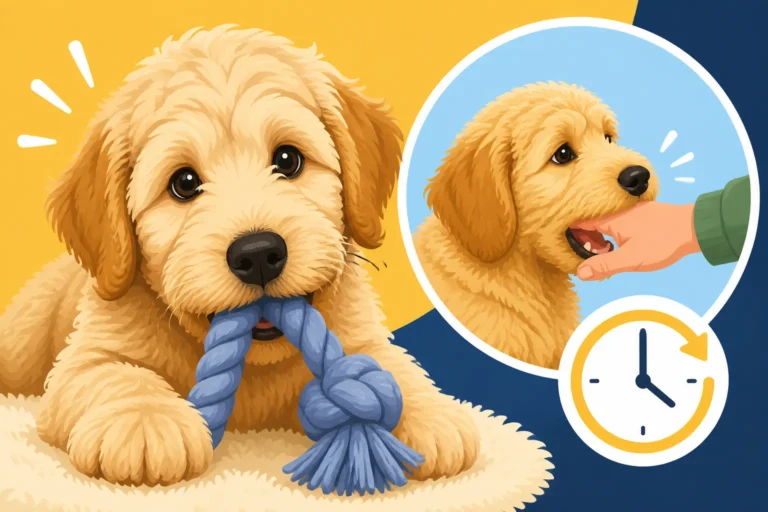
The "yelp" method is a classic starting point. When your puppy bites too hard, let out a high-pitched "ouch!" or "yelp!" just like a littermate would. Immediately withdraw your hand and stop playing for a few seconds. This signals to your puppy that the game stops when the biting hurts. If the puppy pauses but then comes back for another hard bite, escalate the response: stand up, turn your back, and completely disengage for 15-30 seconds. If they persist, calmly lead them to a brief "timeout" area (like a crate or playpen) for a minute or two. The key is that the fun stops instantly when biting is too intense. Consistency is crucial; if one family member allows hard biting while another corrects it, the puppy will become confused. Over time, as the puppy learns to apply less pressure, you can then start to teach them that any teeth on skin means the fun stops. This process can be challenging, especially when you're thinking, "My Labradoodle puppy bites harder than any dog I've ever had!", but stick with it.
Redirection and Appropriate Chewing
Puppies have a natural, undeniable urge to chew, especially when they are teething or overstimulated. Trying to eliminate this urge entirely is a losing battle. Instead, the most effective strategy is redirection: provide your Labradoodle puppy with plenty of appropriate, appealing chew toys and teach them to use those instead of your hands, clothing, or furniture.
Keep a variety of chew toys readily available. When your puppy starts to mouth your hands, firmly say "no" or "leave it," then immediately offer a suitable toy. Praise them enthusiastically when they take the toy in their mouth and start chewing on it. Look for toys with different textures and durability – rubber chew toys, rope toys, or even frozen Kongs stuffed with peanut butter or plain yogurt can provide lasting satisfaction. For stronger chewers, durable options found on platforms like Amazon, such as Nylabones or Benebones, can be excellent choices. Regularly rotate their toys to keep them interesting. The more desirable you make their toys, the less tempting your hands will be. Remember, a bored Labradoodle puppy is often a destructive, mouthy Labradoodle puppy, so making sure they have appropriate outlets for their chewing is essential.
Managing Energy Levels and Mental Stimulation
A tired Labradoodle is usually a well-behaved Labradoodle. These dogs are intelligent and energetic, inheriting both brains and brawn from their Labrador and Poodle ancestors. If their physical and mental needs aren't met, that excess energy often manifests as unwanted behaviors, including excessive and intense biting.
Ensure your puppy gets adequate, age-appropriate exercise. This means short, structured walks, supervised playtime in a secure yard, and games of fetch. Avoid over-exercising a young puppy, which can harm their developing joints, but ensure they have outlets for their energy. Beyond physical activity, mental stimulation is equally important. Puzzle toys that dispense treats, short daily training sessions, and even scent games can tire their brains and make them less prone to mouthy mischief. Consider online training programs, such as those offered by BAXTER & Bella, which often provide excellent resources and structured lessons for managing puppy behaviors, including biting. A mentally stimulated puppy is less likely to engage in frantic, attention-seeking biting. Think about it: a puppy that’s spent 15 minutes working on a puzzle toy or learning new commands will be much calmer than one that’s been left to its own devices all day. Whether a Labradoodle Needs a Job to Settle really hits home here – they thrive on having something to do.
| Behavior Type | Characteristics of Normal Puppy Nipping | Characteristics of Concerning Biting Behavior |
|---|---|---|
| Body Language | Loose, wiggly, playful bow, wagging tail, relaxed posture. | Stiff, rigid, frozen posture, direct hard stare, hackles raised. |
| Bite Intensity | Varies in pressure, often lessens with a yelp, may "soft mouth." | Consistent hard pressure, bruising/puncture wounds, no response to yelp. |
| Motivation | Play, exploration, teething relief, seeking attention. | Fear, pain, resource guarding (food, toys, space), territoriality, anxiety. |
| Context | During play, greetings, when excited or overstimulated. | When approached while eating/chewing, when startled, when trying to move them. |
| Response to Yelp | Puppy usually pauses, might look surprised, may stop or mouth gently. | Puppy ignores yelp, continues biting, may bite harder or growl. |
| Goal | To interact, learn boundaries, relieve discomfort. | To make you back off, protect something, escape a perceived threat. |
When to Seek Professional Guidance
While most Labradoodle puppy biting is a normal, albeit frustrating, phase that can be managed with consistent training, there are times when professional help is not just beneficial, but necessary. Recognizing these signs early can prevent more serious behavioral issues from developing down the line.
Persistent, Unmanageable Biting
You've tried all the techniques: the yelping, the timeouts, the redirection to appropriate toys. You've been consistent, every family member is on board, and your Labradoodle puppy is getting plenty of exercise and mental stimulation. Yet, the biting persists, it's still hard, or it seems to be getting worse instead of better. This is a clear indicator that it might be time to call in a professional.
If your puppy’s biting is causing frequent injuries, drawing blood consistently, or if you feel genuinely afraid of your puppy’s mouth, these are not normal puppy behaviors. While The Mouthing a Labradoodle Puppy Does Longest can be persistent, it shouldn't be escalating or causing fear. A qualified professional can assess the situation, identify underlying causes that you might be missing, and provide a tailored training plan. They can observe your interactions, point out subtle cues, and teach you advanced techniques to communicate more effectively with your specific puppy. Sometimes, an outside, experienced eye is exactly what’s needed to break through a plateau in training.
Aggressive Behaviors and Resource Guarding
It's absolutely vital to distinguish between normal puppy nipping and true aggressive behaviors. As discussed earlier, play biting is generally loose and comes with an invitation to play. Aggression, however, is a serious concern that demands immediate professional intervention.
Signs of aggression include a stiff body, growling (not a playful rumble, but a hard, warning growl), snarling, lunging, snapping, or biting that is intended to cause harm and doesn't release quickly. Resource guarding, where a puppy becomes aggressive when approached while eating, chewing a toy, or resting in a certain spot, is another form of aggression that must be addressed promptly. If your Labradoodle puppy exhibits any of these behaviors, it’s beyond the scope of general puppy training articles. This is not about your Labradoodle puppy biting "harder"; it’s about a deeper behavioral issue that could become dangerous as they grow. Don't delay in seeking help, as early intervention dramatically improves the chances of successful rehabilitation.
Finding a Qualified Trainer or Behaviorist
If you find yourself needing professional guidance, choosing the right expert is crucial. Not all dog trainers are created equal, and for complex or aggressive behaviors, you need someone with specific qualifications and experience.
Look for a certified professional dog trainer (CPDT-KA) or, for more serious aggression or anxiety issues, a veterinary behaviorist (DACVB). These professionals have extensive education and experience in animal behavior. When interviewing potential trainers, ask about their philosophy – they should primarily use positive reinforcement, force-free methods. Avoid any trainer who suggests harsh corrections, punitive tools like shock collars, or methods that instill fear. Ask if they have experience with Labradoodles or similar active, intelligent breeds. A good trainer will often start with an in-home consultation to observe your puppy in its natural environment, discuss your concerns in detail, and create a comprehensive plan. They should also be transparent about their methods and goals. Investing in a knowledgeable professional is an investment in your Labradoodle's future and your peace of mind.
Disclaimer
This article is for general informational purposes only and does not constitute professional advice. Laws, prices and regulations vary by location and change over time. Consult a qualified professional for guidance on your specific situation.