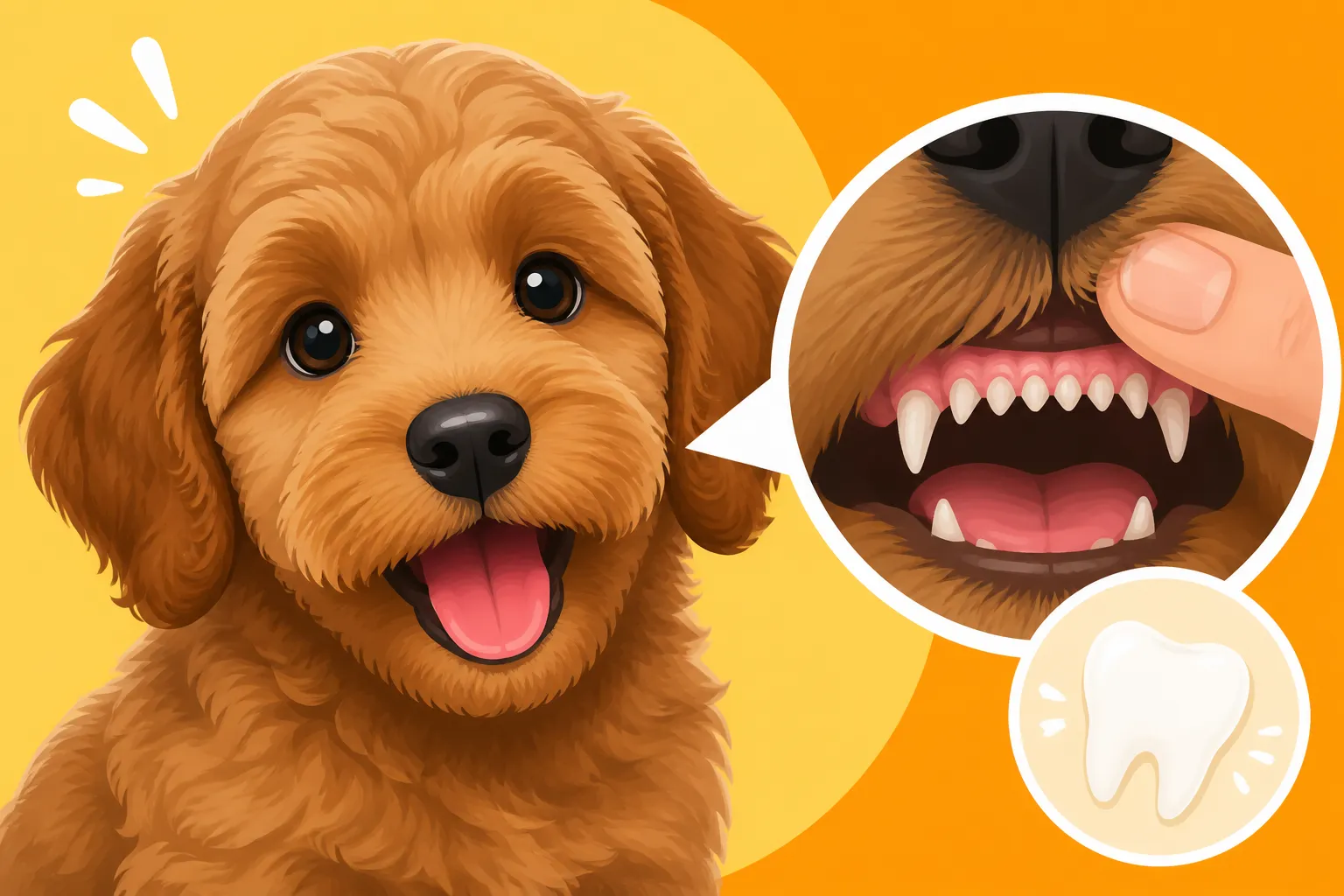
When a Labradoodle Puppy’s Needle Teeth Come Out
One of the first things new Labradoodle puppy owners often discover is just how sharp those tiny puppy teeth are! It’s an undeniable rite of passage – those little nips and tugs, especially during playtime, can feel like a thousand little needles. But don't despair; this guide is here to walk you through the normal timeline of your Labradoodle puppy losing those needle-sharp baby teeth and what you can do to make this phase as smooth as possible for both of you.
The Arrival of Those Tiny, Sharp Teeth
Before they even start to lose their teeth, puppies spend a few short weeks wielding some seriously sharp dentistry. These are often affectionately (or perhaps not so affectionately, depending on whose fingers are involved!) called "needle teeth" or "milk teeth," and they are your Labradoodle's first set of pearly whites.
What are Puppy Teeth and Why Are They So Sharp?
A Labradoodle puppy, like all puppies, is born without teeth. But it doesn't take long for those tiny teeth to make their appearance. Typically, the incisors (front teeth) and canines (fangs) will start to erupt when your puppy is around two to three weeks old. By about six to eight weeks, all 28 deciduous, or "baby," teeth will usually be in. These teeth are incredibly sharp, almost like miniature razors, and there’s a very good reason for that: they are designed to help the puppies nurse from their mother. That sharpness helps them grip, but it also means that by the time they come home with you, usually around eight to ten weeks, they're ready to make their presence felt during play.
It’s completely normal for a Labradoodle puppy to use its mouth to explore the world around it. This mouthing behavior is how they learn about textures, boundaries, and how hard they can bite. When those teeth are still in, even a gentle exploratory nip can be quite painful, leading many new owners to wonder if their beloved fuzzy friend is destined to be a land shark. Rest assured, this is a universal puppy experience, and it's a phase that passes relatively quickly. Understanding this natural instinct is the first step in helping your puppy learn appropriate mouth manners.
The Lifecycle of Your Puppy's First Set of Teeth
So, your Labradoodle puppy arrives, full of beans and sharp teeth. You might spend a few weeks learning to cope with the surprising intensity of their playful nips. This initial phase, from roughly 6-8 weeks until about 12-16 weeks, is when your puppy is fully equipped with its deciduous teeth. During this time, they’re exploring everything with their mouths, from your fingers and toes to furniture legs and anything else within reach. It's a crucial period for starting bite inhibition training, teaching them that human skin is fragile, and redirecting their chewing to appropriate toys.
It’s common for owners to feel a bit overwhelmed by the constant nipping and chewing, wondering if it will ever end. Every time your Labradoodle clamps down, you might be thinking, "Will these teeth ever dull?" The good news is, nature has a plan, and those sharp little teeth are soon to be replaced by their more robust, yet thankfully less needle-like, adult counterparts.
The Grand Transition: When Puppy Teeth Start to Fall Out
This is the big moment most Labradoodle owners eagerly anticipate: the shedding of those tiny, razor-sharp puppy teeth. It’s a significant developmental milestone, marking the transition from a nursing baby to a growing adolescent.
The Timeline for Losing Puppy Teeth
For most Labradoodle puppies, the process of losing their needle teeth typically begins around 12 to 16 weeks of age, which is roughly three to four months old. This isn't a sudden event where all teeth fall out overnight; it's a gradual process that continues for several weeks. The timing can vary slightly from one puppy to another, even within the same litter, but this is the general window you should expect.
The first teeth to go are usually the incisors (the small teeth at the very front of the mouth). You might find these tiny, rice-grain-sized teeth on the floor, in their bedding, or even stuck in a chew toy. More often than not, though, your puppy will simply swallow them as they come loose, which is perfectly normal and causes no issues. After the incisors, the canines (the longer, pointed teeth) will typically fall out, followed by the pre-molars. By the time your Labradoodle is usually around six to seven months old, they should have a full set of 42 adult teeth. This means that a lot of intense chewing, drooling, and mild discomfort will be happening during this period. It's a busy time for their little mouths!
What to Expect During the Teething Period
As those puppy teeth loosen and adult teeth push through, your Labradoodle puppy will experience varying degrees of discomfort. Just like human babies, teething puppies often feel an urge to chew to relieve pressure and soreness in their gums. This increased chewing desire is instinctual and completely natural. You might notice your puppy:
- Increased Chewing: This is the most obvious sign. They'll want to chew on everything – their toys, your shoes, chair legs, hands, anything to massage those sore gums. This is where a good supply of appropriate chew toys becomes absolutely essential.
- Drooling: Some puppies might drool a bit more than usual as their gums become irritated.
- Reduced Appetite (occasionally): While less common, some puppies might have a slightly reduced appetite for a day or two if their gums are particularly sore. If this lasts longer or is accompanied by other symptoms, always consult your vet.
- Finding Tiny Teeth: As mentioned, you might discover tiny puppy teeth around the house. They are surprisingly small!
- Slight Bleeding: It’s not uncommon to see a tiny speck of blood on a chew toy or notice a faint reddish tinge to their saliva, especially after a vigorous chewing session. This is generally nothing to worry about unless it's excessive or continuous.
This period can be challenging, but remember it's temporary. Your patience and preparedness with suitable chew alternatives are key to navigating it successfully. Many of the behaviors you observe are simply your puppy trying to alleviate its discomfort, and understanding this helps you respond with empathy and effective management strategies.
Surviving the Teething Phase with Your Labradoodle Puppy
Navigating the teething phase with a Labradoodle puppy requires a combination of management, appropriate tools, and consistent training. The goal is to redirect their natural chewing instincts towards acceptable items and away from your precious belongings (or your hands!).
Essential Teething Toys and Chews
Having a variety of safe, durable, and appealing chew toys on hand is paramount. Different textures and temperatures can provide different types of relief for sore gums.
- Rubber Chew Toys: Brands like Kong offer durable rubber toys that can be stuffed with treats or peanut butter and then frozen, providing a soothing, long-lasting chew. The cold helps numb the gums.
- Rope Toys: These can be great for chewing and tugging, but always supervise your puppy to ensure they don't ingest loose strands, which can cause digestive issues.
- Nylon Chews: These are very durable and come in various shapes and flavors, offering a satisfying chewing experience.
- Edible Chews: Look for dental chews specifically designed for puppies. Always choose products appropriate for your puppy's size and age, and supervise them to prevent choking hazards.
When you're looking for durable teething toys, a quick browse on Amazon will show you a vast array of options, from classic Kongs to innovative frozen chew solutions. It’s a great way to experiment and find what your Labradoodle likes best. Rotate toys to keep your puppy interested, and always remove any toy that becomes too small or damaged. A frozen carrot or a frozen damp washcloth can also be surprisingly satisfying for teething puppies, offering both coolness and a safe chewing outlet.
Managing Nipping and Biting
Despite a mountain of chew toys, your Labradoodle puppy will inevitably try to nip at your hands, feet, or clothing. This is not aggression; it's puppy play behavior and an attempt to communicate or relieve gum discomfort. The key is consistent redirection.
- "Yelp" Method: When your puppy nips too hard, let out a high-pitched yelp, immediately withdraw your hand, and ignore them for a few seconds. This mimics how littermates communicate when play gets too rough. Once they calm down, re-engage with a toy.
- Redirect to Toys: Always have a suitable chew toy ready. When your puppy mouths you, immediately offer the toy as an alternative. Praise them enthusiastically when they chew on the toy instead. This reinforces the idea that toys are for chewing, not human skin. For those really struggling with persistent puppy nipping and need comprehensive guidance, online training platforms like BAXTER & Bella offer fantastic resources and virtual coaching that can provide structured approaches to managing this behavior effectively. Their consistent methodologies can make a huge difference in teaching your Labradoodle appropriate mouth manners.
- Short Play Sessions: Keep playtime sessions short and positive. If your puppy gets overstimulated and starts to bite more, end the session and let them calm down before resuming.
- Enforced Naps: Often, excessive nipping is a sign of an overtired puppy. Just like toddlers, puppies need a lot of sleep. A designated "quiet time" in their crate can work wonders for an overstimulated, bitey pup. Understanding The Mouthing a Labradoodle Puppy Does Longest can provide additional context and strategies for this challenging period.
Consistency is vital. Everyone in the household needs to be on the same page with these strategies. Remember, you're not punishing your puppy; you're teaching them vital life skills about how to interact gently with humans.
| Teething Toy Type | Benefits | Considerations |
|---|---|---|
| Rubber Toys | Durable, can be frozen, soothing | Ensure appropriate size for safety |
| Rope Toys | Good for tugging, dental stimulation | Supervise to prevent ingestion of strands |
| Nylon Chews | Long-lasting, various shapes/flavors | Can be hard for very young puppies, monitor wear |
| Edible Chews | Satisfies urge, can aid dental health | Choose age/size appropriate, supervise for choking |
| Frozen Veggies | Natural, soothing, healthy | Can be messy, some veggies aren't safe |
The Emergence of Adult Teeth and What Comes Next
Once your Labradoodle puppy has shed all its deciduous teeth, the final stage of their dental development begins: the eruption of their permanent, adult teeth. This marks a shift in care and attention to their long-term oral health.
The Full Set of Adult Teeth
By around six to seven months of age, your Labradoodle should have replaced all 28 puppy teeth with a full set of 42 adult teeth. These teeth are much larger, stronger, and less pointed than their predecessors, designed for a lifetime of chewing, tearing, and crunching. The adult set includes additional molars that puppy teeth don't have, contributing to their powerful bite. This is when you truly see the full potential of their adult mouth, ready for all sorts of The Treats a Labradoodle Trains Best For and regular meals.
It's a huge milestone, and while the intense teething discomfort usually subsides, the importance of good dental hygiene only grows. Many owners find that once the adult teeth are in, the intense, almost frantic chewing of the teething phase lessens, replaced by more deliberate chewing of appropriate items. This is a great time to evaluate your puppy's continued need for durable chews and incorporate them into their daily routine.
Checking for Retained Puppy Teeth
One important aspect of this transition, especially for breeds like Labradoodles which are a mix of two different head and jaw structures (Labrador and Poodle), is to check for retained puppy teeth. Sometimes, a puppy tooth doesn't fall out when the adult tooth begins to erupt. If two teeth try to occupy the same space, it can lead to several problems:
- Crowding: This can misalign the bite and trap food particles, leading to plaque buildup, tartar, and eventually gum disease. Whether a Miniature Labradoodle Has Crowded Teeth can be a concern due to their smaller jaw structure.
- Damage to Adult Teeth: The retained puppy tooth can push the adult tooth into an incorrect position, causing wear and tear on adjacent teeth or even damage to the enamel.
- Pain and Infection: Food trapped between the overcrowded teeth can cause inflammation and infection of the gums.
During your puppy's regular vet visits, especially around the 5-7 month mark, your veterinarian will usually check for retained puppy teeth. If found, they might recommend extraction, often at the same time as spaying or neutering, which requires anesthesia. This is a common and usually straightforward procedure that can prevent significant dental problems down the line. Don't hesitate to ask your vet to specifically check their mouth.
Lifelong Dental Care for Your Labradoodle
Once your Labradoodle has its full set of adult teeth, your job isn't over – it's just beginning a new chapter! Lifelong dental care is crucial for your Labradoodle's overall health and longevity. Dental disease is incredibly common in dogs and can lead to serious health issues, including heart and kidney problems, if left untreated.
- Regular Brushing: The gold standard of canine dental care is daily tooth brushing. Start early, even with puppy teeth, to get your Labradoodle accustomed to having its mouth handled and a toothbrush in its mouth. Use a dog-specific toothbrush and toothpaste (never human toothpaste). Brushing a Labradoodle's Teeth regularly can dramatically reduce plaque and tartar buildup.
- Dental Chews and Toys: While not a substitute for brushing, high-quality dental chews and appropriate chew toys can help scrape away plaque and massage gums. Look for products with the Veterinary Oral Health Council (VOHC) seal of approval.
- Professional Dental Cleanings: Just like humans, dogs benefit from professional dental cleanings under anesthesia, where plaque and tartar are thoroughly removed, and any dental issues are addressed. Your vet can advise you on how frequently your Labradoodle might need these.
By paying attention to your Labradoodle's dental health from puppyhood through adulthood, you're not just ensuring a bright smile; you're contributing significantly to their overall well-being and a happy, healthy life by your side. A healthy mouth contributes to their ability to enjoy their food, interact with toys, and avoid painful conditions that can significantly impact their quality of life.
Disclaimer
This article is for general informational purposes only and does not constitute professional advice. Laws, prices and regulations vary by location and change over time. Consult a qualified professional for guidance on your specific situation.