Whether a Labradoodle Needs a Sport to Be Manageable
Many Labradoodle owners find themselves scratching their heads, wondering why their seemingly sweet and good-natured dog turns into a furry whirlwind of mischief the moment they let their guard down. The truth is, while Labradoodles are incredibly intelligent and often eager to please, they come from two working breeds with a lot of energy and brains. This guide will delve into whether formal dog sports are truly necessary to channel that boundless enthusiasm, or if there are other, more accessible ways to keep your Labradoodle a happy, well-behaved member of the family.
The Energetic Minds of Labradoodles: More Than Just a Cute Face
It’s easy to be charmed by a Labradoodle’s goofy grin and soft, curly coat, but beneath that adorable exterior lies a dog with a powerful genetic blueprint for activity and mental engagement. Both the Labrador Retriever and the Poodle, the foundation breeds for the Labradoodle, were developed for demanding jobs, and those traits don't just disappear in the mix.
The Poodle and Labrador Mix: A High-Octane Combination
Let's talk about the parents first, because understanding where your Labradoodle comes from is key to understanding their needs. The Labrador Retriever is, first and foremost, a retrieving machine. They were bred to work long hours in the field, often in cold water, bringing back game. This means they possess incredible stamina, a strong drive to carry things in their mouth, and an unshakeable desire to please their handler. They thrive on having a purpose, a "job" to do. On the other side, we have the Poodle, a dog often misunderstood as merely a show dog. Historically, Poodles were water retrievers, highly intelligent and agile hunters. They are incredibly smart, often ranking among the most intelligent dog breeds, which means they learn quickly – for better or worse – and need a lot of mental stimulation to prevent boredom.
When you combine these two, you get a Labradoodle: a dog that often inherits the Labrador's enthusiasm for fetching and physical exertion, coupled with the Poodle's sharp mind and problem-solving abilities. This isn't a dog designed to be a couch potato all day, every day. They have a deep-seated need to move, to explore, and to use their brains. If these needs aren't met, that energy and intelligence often get redirected in ways we owners really don't appreciate. Many people don't realize this until their sweet puppy hits adolescence and suddenly has seemingly endless energy and a knack for getting into trouble.
Beyond Physical Exercise: The Need for Mental Engagement
It's a common misconception that simply throwing a ball for half an hour or going for a long walk is enough to tire out a Labradoodle. While physical exercise is absolutely crucial, it's only half the battle. Imagine spending all day at the gym but never reading a book or solving a puzzle – your body might be tired, but your mind would be buzzing. It's the same for a Labradoodle. Their Poodle heritage, especially, means they have minds that crave challenges. They are thinkers, strategists, and problem-solvers.
Mental stimulation can be anything from learning new tricks, working on advanced obedience commands, playing hide-and-seek with toys, or engaging with puzzle feeders. Without this mental workout, even a physically exhausted Labradoodle can still be a handful. They might invent their own "jobs," which often involve things like reorganizing your laundry basket, counter surfing for snacks, or creating intricate chew patterns on your furniture. For instance, my neighbor’s Labradoodle, Leo, once meticulously dismantled a stack of magazines, leaving a perfect trail of shredded paper from the living room to the kitchen, simply because he was bored while his owner was on a long conference call. It’s not malicious; it’s simply a smart, energetic dog finding a way to entertain himself. Engaging their minds is just as important as exercising their bodies for a truly manageable and happy dog.
When a Labradoodle Doesn't Get Enough: The Downside
If you've ever lived with an under-stimulated Labradoodle, you know the drill. It’s not just a little extra energy; it can escalate into a whole host of behaviors that make daily life challenging and can strain the bond between you and your dog. It's easy to feel frustrated, but it's important to remember that these behaviors are often a cry for help – a dog saying, "I'm bored and I don't know what else to do!"
Problem Behaviors Stemming from Boredom and Excess Energy
When a Labradoodle isn't getting adequate physical and mental outlets, their natural instincts find less desirable ways to express themselves. Chewing is a big one. They're exploring their world with their mouths, and if you haven't given them appropriate chew toys and outlets, your shoes, furniture, or even walls might become targets. This isn't defiance; it's often a manifestation of pent-up energy and a lack of stimulating alternatives. You might find yourself constantly replacing items or coming home to unexpected "decorations."
Excessive barking can also be a sign of boredom or frustration. A Labradoodle might bark at every squirrel, every leaf, or just at the general quiet of the house, simply because they're looking for something to engage with. Digging, especially for those with access to a yard, is another common outlet. They might dig craters in your prize-winning rose garden, not out of malice, but because digging is inherently satisfying for many dogs and a great way to burn energy. They might also jump on every visitor, steal food off counters, or refuse to settle, making it incredibly difficult to have a calm household. It’s truly a cycle where the more energy they have, the more problematic their behavior becomes, leading to more frustration for you. This is why addressing the root cause – their need for activity – is so critical. What a Labradoodle Destroys When Left Alone explores this problem in more detail.
The Cycle of Frustration for Both Dog and Owner
It's a vicious cycle: your Labradoodle exhibits unwanted behaviors because they're bored or under-exercised, you get frustrated, and that frustration can lead to less positive interaction or even less desire to engage in the very activities that would help them. This can create a wedge between you and your dog. Owners might start to think their Labradoodle is "stubborn" or "misbehaving on purpose," when in reality, the dog is simply trying to fulfill its innate needs. This misunderstanding can lead to less patience, less training, and ultimately, a less happy dog and owner.
For the dog, this leads to chronic stress and a feeling of not being understood. They might escalate their behaviors, becoming even more destructive or vocal in an attempt to get attention or release energy. For the owner, it can feel like a constant battle, eroding the joy of having a companion. You might dread coming home, or feel overwhelmed by the constant need to manage their energy. I've heard countless stories from owners who felt completely defeated by their Labradoodle's seemingly endless energy, only to find peace once they implemented a structured routine that included both physical and mental stimulation. The good news is, breaking this cycle is entirely possible, and often starts with a willingness to try new activities. Telling an Anxious Labradoodle From an Under Exercised One can offer more insights into identifying the cause of your dog's distress.
Dog Sports and Structured Activities: A Solution for Manageability
So, does your Labradoodle need a formal dog sport to be manageable? Not necessarily every Labradoodle, but many certainly thrive on the challenge and structure they provide. These activities tap into their natural instincts and abilities, providing both physical exertion and crucial mental stimulation, turning potential "problem behaviors" into focused, productive energy.
Popular Sports That Suit the Labradoodle's Strengths
Labradoodles are versatile dogs, inheriting a wide range of aptitudes from their parent breeds. This means there's a good chance you can find a dog sport that perfectly suits your dog's individual personality and strengths.
- Agility: This is fantastic for a Labradoodle's athleticism, intelligence, and desire to work with you. Running through tunnels, weaving poles, and jumping hurdles provides a full-body workout and serious mental engagement as they learn sequences. Many Labradoodles excel at agility because they're agile, quick learners, and love to please. You can even start with beginner agility kits from retailers like Amazon for backyard fun before committing to classes.
- Obedience/Rally Obedience: While not as physically demanding as agility, these sports require immense focus and precision, making them excellent for mental stimulation. Rally obedience, in particular, is a great entry point, involving a course of stations with different commands to perform. It builds a strong working relationship and reinforces good manners, which is invaluable for manageability. Whether a Labradoodle Passes the AKC Good Citizen Test is a related read.
- Dock Diving: If your Labradoodle loves water – and many do, thanks to their Labrador heritage – dock diving is an exhilarating sport. It involves dogs running down a dock and leaping into a pool of water to retrieve a toy. It’s a fantastic way to burn off physical energy and satisfy their retrieving drive. Introducing a Labradoodle to Water covers the basics of getting started.
- Scent Work/Nose Work: This is where their amazing noses come into play. Dogs are trained to find specific scents hidden in various environments. It's incredibly mentally stimulating and can be done by almost any dog, regardless of age or physical condition. For a Labradoodle, it provides a "job" that engages their natural hunting instincts in a controlled and fun way. It’s amazing to watch how focused they become.
- Canicross/Bikejoring: For the truly high-energy Labradoodle and an active owner, these sports involve the dog pulling a human either running (canicross) or cycling (bikejoring). It's a wonderful way to exercise together, tapping into their strength and stamina. This requires specific harness equipment and careful training to ensure safety for both dog and human.
Choosing a sport that aligns with your Labradoodle's natural inclinations will make the experience more enjoyable and rewarding for both of you.
Everyday Activities to Keep Your Labradoodle Engaged
While formal dog sports are fantastic, they aren't the only answer. Many owners find success by integrating structured activities into their daily routine, using common household items and a little creativity. These activities still provide that crucial blend of physical and mental stimulation without the commitment of weekly classes or competitions.
- Advanced Obedience and Trick Training: Dedicate 10-15 minutes a day to teaching new commands or fun tricks. Labradoodles love to learn, and mastering something new gives them a sense of accomplishment. Think beyond sit and stay: teach them to "fetch" specific items, "put away" their toys, or even weave through your legs. Online training platforms, like BAXTER & Bella, offer extensive libraries of tricks and advanced obedience lessons that you can work on at your own pace.
- Puzzle Toys and Snuffle Mats: These are brilliant for mental stimulation, especially when you need your Labradoodle to settle down indoors. Fill a puzzle toy with part of their meal or some healthy treats, and let them figure out how to get the goodies. This engages their problem-solving skills and can keep them occupied for a surprising amount of time. You can find a wide variety of these on Amazon.
- Hide-and-Seek: This simple game is a favorite for many Labradoodles. Have your dog stay in one room while you hide in another (or hide a favorite toy), then call them to "find me!" or "find your toy!" It's great for reinforcing recall and using their nose.
- Structured Walks with Purpose: Instead of just a casual stroll, make your walks more engaging. Practice loose-leash walking, incorporate obedience commands at different points, or play "find it" by scattering treats in the grass. Vary your routes to offer new smells and sights. A long line can be particularly useful for practicing recalls in a safe, open space. Long Line Work for a Labradoodle That Bolts After Birds is a useful guide.
These daily activities might not sound as glamorous as agility, but they consistently provide the mental enrichment and physical exertion that keeps a Labradoodle happy and manageable.
Integrating Training Programs for Ongoing Mental Work
For many Labradoodle owners, the solution isn't just about intense physical exercise, but about consistent, ongoing mental work. This is where structured training programs really shine, even if you never intend to compete. They provide a framework for teaching, learning, and strengthening the bond between you and your dog.
Think about a good online training academy. Programs like BAXTER & Bella offer comprehensive courses that go beyond basic puppy training, delving into advanced obedience, manners, and even behavior modification. These programs often include video tutorials, live Q&A sessions, and a supportive community, allowing you to continually challenge your Labradoodle's mind from the comfort of your home. It’s like having a personal trainer for your dog’s brain! This kind of continuous learning keeps their minds sharp and focused, reducing the likelihood of them inventing their own, less desirable, forms of entertainment.
Even if you completed puppy classes years ago, revisiting training with new goals can reinvigorate your dog's interest and provide that essential mental workout. A Labradoodle that is consistently learning and being challenged is generally a more content and easier-to-live-with dog. It allows them to use their natural intelligence in a constructive way, making them feel like they have a job, even if that job is simply "being the best house dog ever." Remember, a tired dog is a good dog, but a mentally tired dog is often an even better dog.
Finding the Right Balance for Your Labradoodle and Lifestyle
Ultimately, whether your Labradoodle needs a formal sport or a more casual approach depends on a blend of factors: your dog's individual personality, your lifestyle, and your commitment to meeting their needs. There’s no one-size-fits-all answer, but understanding these elements will help you create a plan for a happy, manageable Labradoodle.
Assessing Your Dog's Individual Needs and Temperament
Not all Labradoodles are created equal. Even within the breed, you'll find variations in energy levels and drive. Some will be boundless bundles of energy, always ready for the next adventure, while others might be a bit more mellow. Observe your own dog carefully. Do they pace when bored? Are they constantly seeking out things to chew or explore? Do they bounce off the walls if they miss a walk? These are clues to their individual needs.
Consider their "zoomie" frequency, how quickly they settle after a vigorous play session, and their overall demeanor. A Labradoodle with a very high retrieve drive might naturally gravitate towards activities like fetch or dock diving, while a more sensitive but intelligent one might thrive in scent work or complex obedience. Don't force them into a sport they don't enjoy. The goal is to provide an outlet that they find fulfilling, not just one you think they should do. If you have an F1 Labradoodle, their traits can be particularly varied, so observation is key. Whether an F1 Labradoodle Trains Differently is a good read on this.
The Commitment Required for Formal Dog Sports
Embarking on a formal dog sport journey requires a significant commitment of time, effort, and often, money. You'll likely be attending regular classes, practicing at home, and potentially traveling for competitions. This isn't a casual endeavor.
| Dog Sport | Primary Benefits | Time Commitment (Classes/Practice) | Equipment Needs | Suitable Labradoodle Traits |
|---|---|---|---|---|
| Agility | Physical exercise, mental challenge | Moderate to High | Jumps, tunnels (initial) | Athletic, quick, loves puzzles |
| Obedience/Rally | Mental focus, manners, teamwork | Moderate | Leash, collar, treats | Intelligent, eager to please |
| Dock Diving | Intense physical exercise, water fun | Low to Moderate | Floating toys, access to water | Loves water, strong retrieve drive |
| Scent Work | Mental stimulation, natural instincts | Moderate | Scent kits, boxes | Curious, good nose, focused |
| Canicross/Bikejoring | High-energy physical workout | Moderate to High | Harness, belt, bike attachment | Strong, high endurance, enjoys pulling |
Before diving in, consider your own schedule and resources. Are you able to dedicate a few hours each week to classes and daily practice? Can you afford the equipment and entry fees? If the answer is no, that's perfectly fine! There are many other ways to keep your Labradoodle happy, but it's important to be realistic about the demands of formal sports. It's better to choose a path you can sustain consistently than to start something ambitious and then have to drop it.
Creative Ways to Keep Your Labradoodle Happy Without High-Level Competition
If formal dog sports aren't your jam, don't despair! Your Labradoodle can still lead a rich, stimulating life. The key is to be creative and consistent with your approach to enrichment.
- Daily "Brain Games": Rotate puzzle toys, hide treats around the house, or play interactive games like "find the kibble." Even 15-20 minutes of dedicated brain work can make a huge difference.
- Long, Varied Walks: Explore new walking trails, local parks, or even different neighborhoods. New sights and smells provide immense mental stimulation. Allow your dog time to sniff and explore – it's their way of "reading the newspaper."
- Socialization: Regular, positive interactions with other well-behaved dogs can be a great way for your Labradoodle to burn energy and practice social skills. Dog parks (if safe and appropriate for your dog), playdates with friends' dogs, or even doggy daycare a few times a week can be beneficial.
- Consistent Training Reinforcement: Even if you're not competing, constantly reinforcing basic obedience and teaching new commands keeps their minds active. Use positive reinforcement methods and make training fun. Whether Clicker Work Suits a Labradoodle is a great method to explore.
- "Job" Around the House: Teach your Labradoodle to carry in groceries, bring you specific items, or help with chores. Giving them a "job" can be incredibly fulfilling for their working dog instincts.
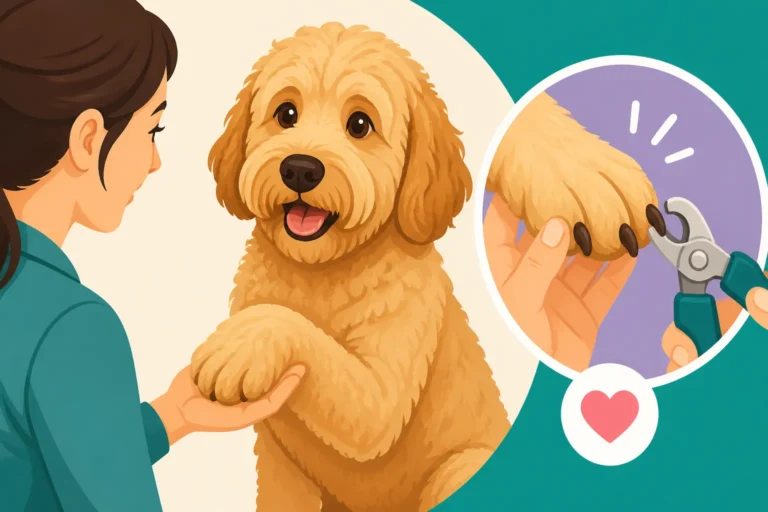
- Grooming Training: For a Labradoodle, even grooming can be a structured activity. Teaching them to lie calmly for brushing, to tolerate nail trims, and to stand still for clipping requires training and patience, turning a potential chore into a cooperative exercise. Teaching a Labradoodle to Lie Still for a Ninety Minute Groom covers this in depth.
Ultimately, a Labradoodle needs engagement – a sense of purpose and outlets for their natural intelligence and energy. Whether that comes from the precision of competitive obedience or the joy of finding hidden treats in a snuffle mat, the goal is the same: a content, well-adjusted companion. The manageable Labradoodle is the one whose physical and mental needs are consistently met, no matter how you choose to meet them.
Disclaimer
This article is for general informational purposes only and does not constitute professional advice. Laws, prices and regulations vary by location and change over time. Consult a qualified professional for guidance on your specific situation.