What a prcd-PRA Test Costs on a Labradoodle
One of the most heart-wrenching things to witness as a pet parent is your beloved companion slowly losing their sight. For Labradoodle owners, the genetic condition known as progressive retinal atrophy, or prcd-PRA, is a very real concern. This guide will walk you through what prcd-PRA is, why testing for it is so crucial, and what you can expect in terms of the cost to get your Labradoodle tested, giving you the power to protect your furry friend's future vision.
Understanding prcd-PRA in Labradoodles: More Than Just a "Doodle" Problem
When you bring a Labradoodle into your home, you're embracing a wonderful mix of two intelligent, often energetic breeds: the Labrador Retriever and the Poodle. Both of these parent breeds, unfortunately, carry genetic predispositions to certain health conditions, and progressive retinal atrophy (PRA) is one that has found its way into Labradoodle lines. It's not just a "doodle" problem; it's a specific genetic challenge rooted in their heritage that responsible owners need to understand.
What is Progressive Retinal Atrophy (PRA) and prcd-PRA?
Progressive Retinal Atrophy (PRA) is a blanket term for a group of inherited eye diseases that affect the retina, the light-sensitive tissue at the back of the eye. Think of the retina like the film in an old camera – it's what captures the images. In dogs with PRA, the cells in the retina (photoreceptors) gradually degenerate, leading to progressive vision loss, eventually resulting in blindness. It usually starts with night blindness, as the rods (responsible for low-light vision) are affected first, before progressing to daytime blindness as the cones (responsible for bright-light and color vision) also degenerate.
The most common form of PRA affecting Labradoodles is called progressive rod-cone degeneration (prcd-PRA). This isn't something that happens overnight, but rather a slow, insidious process. Imagine your dog's world getting dimmer and blurrier over months or even years. It's a cruel condition, not just for the dog, but for the family watching them adapt. This specific form of PRA is caused by a recessive gene mutation. This means a dog must inherit two copies of the mutated gene—one from each parent—to be affected by the disease. A dog inheriting only one copy is a "carrier" and won't develop the disease itself but can pass the gene to its offspring. This is why testing both parents is absolutely vital in preventing affected puppies. You can learn more about The Progressive Retinal Atrophy Labradoodles Are Tested For.
Why Labradoodles are at Risk
The risk for prcd-PRA in Labradoodles stems directly from their genetic blueprint, pulled from both the Poodle and Labrador Retriever sides of their family tree. Both Standard Poodles and Labrador Retrievers are known carriers of the prcd-PRA gene mutation. When two carriers are bred together, there's a 25% chance with each puppy that it will inherit two copies of the problematic gene and develop the condition. There's also a 50% chance it will be a carrier, and a 25% chance it will be completely clear.
This is precisely why, for conscientious breeders and informed pet owners, DNA testing is not just a recommendation but a necessity. Without testing, a breeder might unknowingly pair two carrier dogs, leading to a litter where some puppies are destined to go blind. It’s a gamble that no responsible breeder should be willing to take, and no prospective owner should unwittingly accept. Understanding this genetic inheritance pattern helps underscore the critical importance of seeking out breeders who perform comprehensive health screenings, including specific DNA tests for prcd-PRA. This proactive approach significantly reduces the likelihood of encountering this heartbreaking condition in your cherished Labradoodle. Knowing The prcd-PRA Test Both Labradoodle Parents Need is key.
Breaking Down the Cost of the prcd-PRA Test
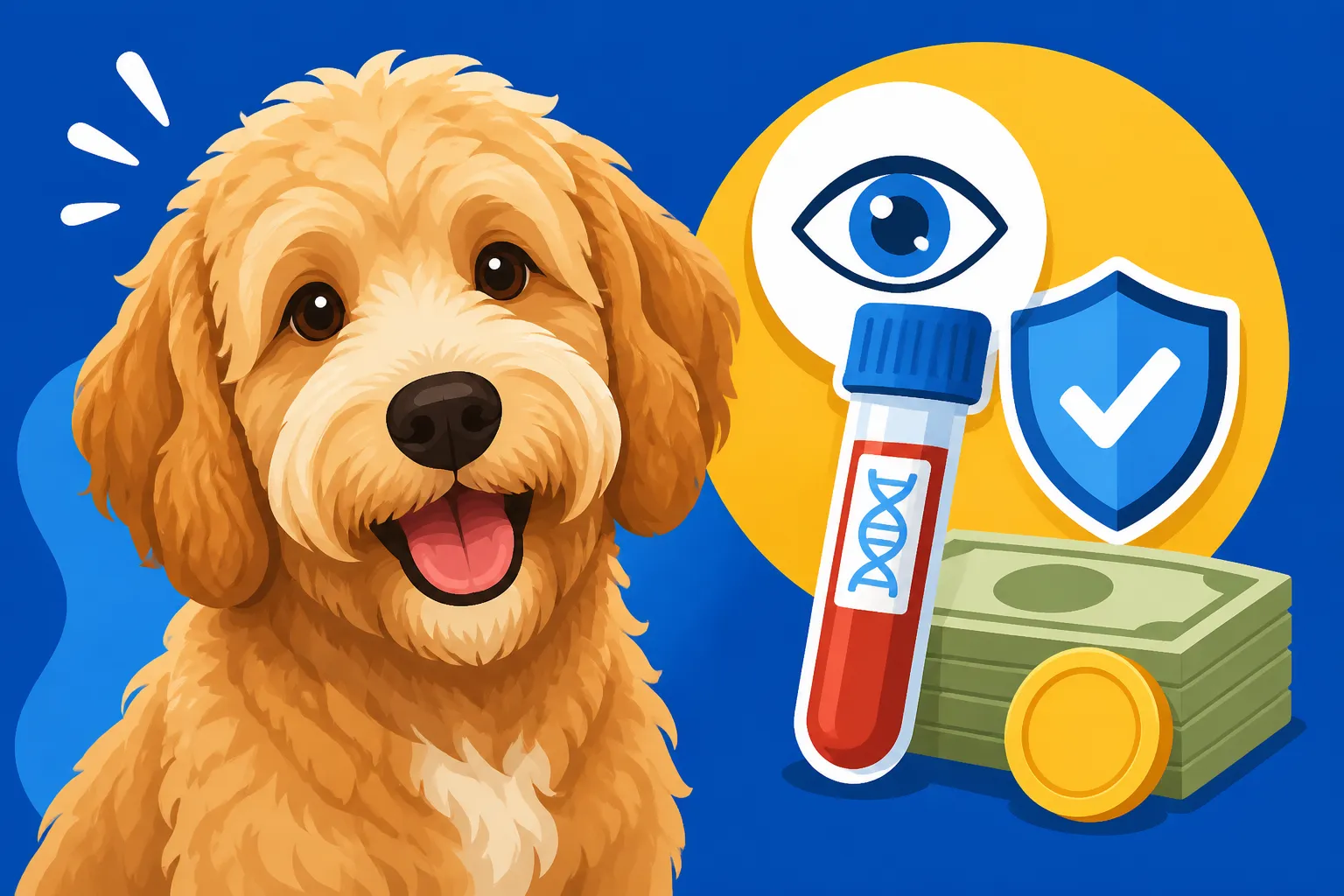
When considering the cost of a prcd-PRA test for your Labradoodle, it's important to understand that you're not just paying for a simple blood draw. You're investing in genetic insight, peace of mind, and ultimately, the health and well-being of your dog. The cost can vary, but generally, it's an accessible price point when weighed against the potential emotional and financial burden of caring for a dog that goes blind.
Typical Price Range for DNA Testing
The price of a prcd-PRA DNA test can fluctuate based on several factors, including the laboratory you choose, whether it's part of a larger genetic health panel, and if you opt for veterinary assistance in sample collection. Generally, a standalone prcd-PRA test might fall into a moderate price bracket. If you're looking at a comprehensive genetic health panel that includes prcd-PRA alongside other common conditions like von Willebrand's Disease or Exercise Induced Collapse and the Labradoodle's Labrador Half, the total cost will naturally be higher, but the per-test cost might be slightly less than if you ordered each test individually.
Think of it like buying groceries: a single apple has one price, but a large bag of mixed fruit offers more variety and sometimes a better overall value per piece. Many reputable companies offer these genetic panels, allowing breeders and owners to screen for multiple inherited diseases simultaneously. This comprehensive approach is often recommended, especially for breeding dogs, to ensure a thorough understanding of their genetic makeup.
Factors Affecting the Price
Several elements can influence the final bill for a prcd-PRA test:
- Single Test vs. Panel: As mentioned, choosing to test for prcd-PRA as a standalone condition will have one price, whereas including it in a multi-panel test for various genetic diseases will have a different, usually higher, total cost but potentially better value for the number of conditions screened.
- Laboratory Choice: Different genetic testing laboratories have their own pricing structures. Some are well-known, like Embark and Wisdom Panel, and offer various packages. It's worth comparing their offerings and prices to find one that suits your needs and budget. The reputation and accuracy of the lab are paramount.
- Veterinary Involvement: While many DNA tests can be done at home with a simple cheek swab, some owners prefer their veterinarian to collect the sample to ensure proper technique and chain of custody, especially for breeding purposes or official registrations. If your vet collects the sample, they may charge a collection fee on top of the lab fee. This is usually a small amount, but it's an extra consideration.
- Location: While most genetic testing is done through mail-in kits, the base costs can sometimes subtly vary depending on your geographical location due to local operating costs for associated vet services or shipping.
It's always a good idea to check the specific pricing directly on the laboratory's website or consult with your veterinarian for a current quote. Don't be shy about asking if they have relationships with specific labs that might offer discounts or streamlined processes.
Cost for Breeders vs. Individual Owners
For individual pet owners, the cost is typically a one-off expense for their beloved companion. If you're purchasing a puppy, a responsible breeder should already have performed these tests on the parent dogs and be able to provide you with clear documentation. Never hesitate to ask a breeder for these certificates; it's a critical part of doing your due diligence. For existing pets, it's an investment in understanding their genetic health.
For breeders, the costs can accumulate, as they test all their breeding stock. However, many labs offer breeder programs, volume discounts, or specific panels designed for breeding animals that might offer a more economical price per test when multiple dogs are being screened. These breeders understand that this is a fundamental part of responsible breeding and is factored into the overall cost of raising healthy puppies. They are often proactive about testing, knowing that it not only safeguards the health of their future litters but also enhances their reputation. If you're asking a breeder for Labradoodle Eye Certificates, expect them to have invested in these tests.
The Process of Getting Your Labradoodle Tested
Getting your Labradoodle tested for prcd-PRA is thankfully a straightforward process, thanks to advancements in veterinary genetics. You don't usually need a complex procedure or a hospital visit. Most of the time, it involves a simple, non-invasive method that you can even perform from the comfort of your own home.
Collecting a Sample at Home
The most common method for DNA collection for genetic tests like prcd-PRA is a buccal swab, or a cheek swab. This is incredibly easy to do. When you order a test kit from a genetic testing company, they'll send you a package that typically includes:
- Sterile cotton swabs or specialized brushes.
- Instructions that are usually very clear and easy to follow.
- Collection tubes or envelopes for the samples.
- A pre-paid return envelope.
To collect the sample, you simply open your dog's mouth and firmly swab the inside of their cheek and gums for about 10-15 seconds. The goal is to collect cells, not just saliva. It's important to make sure your dog hasn't eaten or drunk anything for at least an hour before the swab, as food particles can contaminate the sample and potentially lead to inconclusive results. You also want to use a separate swab for each dog if you're testing multiple animals to avoid cross-contamination.
Once you've collected the sample, you'll air dry the swab for a bit before placing it into the provided collection tube or envelope. It's a quick, painless process for your dog, much like a quick scratch inside their mouth.
Veterinary Assistance for Sample Collection
While home collection is perfectly viable and widely used, there are times when you might want or need your veterinarian to collect the sample. This could be for a few reasons:
- Official Documentation: If you're a breeder and need official verification of the sample's origin for certain registries or health certifications, having a vet collect it ensures a strict chain of custody. They can attest that the sample came from the specific dog.
- Difficulty with Collection: Some dogs, especially those that are particularly mouth-shy or reactive, might make home collection challenging. Your vet or a trained veterinary technician has the experience and tools to safely and efficiently collect the sample, minimizing stress for your dog and ensuring a good sample.
- Concerns about Contamination: If you're worried about accidental contamination or improper technique, a professional can provide reassurance.
If you choose to have your vet collect the sample, be aware that they will likely charge a small fee for their time and supplies, in addition to the cost of the DNA test kit itself. It's always best to call ahead and ask about their specific fees for this service. This extra cost can be worth it for the peace of mind and the assurance of a correctly taken sample.
Sending the Sample to the Lab
Once the sample is collected, whether by you or your vet, the next step is to mail it back to the genetic testing laboratory. The kits usually come with clear instructions on how to package and send your sample, often including a pre-addressed and sometimes pre-paid return envelope.
After the lab receives your sample, the waiting game begins. The turnaround time for results can vary significantly between laboratories and depends on whether it's a single test or a comprehensive panel. Some labs provide results in a few weeks, while others might take a month or more. Most labs will notify you via email when your results are ready and will provide them through an online portal. The results will clearly indicate whether your Labradoodle is "Clear" (not carrying the gene), a "Carrier" (carrying one copy, not affected), or "Affected" (carrying two copies, will develop the disease). This information is gold, especially when considering breeding decisions, as outlined in Whether One Clear Parent Is Enough for a Labradoodle.
The Long-Term Value of prcd-PRA Testing
Investing in a prcd-PRA test for your Labradoodle might seem like just another expense, but in reality, it's one of the most valuable investments you can make. The immediate cost is minimal compared to the long-term benefits for your dog's health, your peace of mind, and even your wallet. It's a proactive step that resonates through your dog's entire life and beyond.
Peace of Mind and Responsible Breeding
For breeders, genetic testing for prcd-PRA is a non-negotiable aspect of ethical practice. Knowing the genetic status of your breeding dogs for prcd-PRA means you can make informed pairing decisions to ensure that no affected puppies are ever produced. A "Clear" dog can be bred to a "Carrier" without producing affected puppies, though some puppies might be carriers themselves. Breeding two "Clear" dogs guarantees a "Clear" litter. The key is never to breed two "Carrier" dogs together. This commitment to testing provides immense peace of mind, not just for the breeder but for every family that welcomes one of their puppies home. It means they're getting a dog with the best possible start, reducing the heartbreak of preventable genetic diseases. This is a foundational element of Whether Health Tested Parents Add Years to a Labradoodle.
For prospective pet owners, being able to see clear prcd-PRA certificates for both parents of a puppy should be a fundamental expectation. It's your guarantee that the breeder has taken the necessary steps to prevent this condition. Without this verification, you are essentially taking a significant risk. If a breeder cannot provide proof of testing, you might be considering a Labradoodle From Untested Parents Is a Risk, which could lead to unforeseen health challenges down the line.
Saving on Future Veterinary Bills
While the cost of the test itself is relatively low, the potential veterinary bills associated with managing an affected dog can be substantial. Imagine needing to take your dog to veterinary ophthalmologists for specialized exams, medications to manage secondary issues (though there's no cure for PRA itself), or even making significant modifications to your home to help a blind dog navigate. These costs can quickly add up over years.
Furthermore, if your dog's vision deteriorates significantly, you might face tough decisions about their quality of life, which can also incur emotional and financial costs. While general pet insurance might help with some unexpected illnesses, pre-existing genetic conditions can sometimes complicate coverage, or if the disease is diagnosed early, a waiting period might apply. Some pet insurance providers, like Healthy Paws, focus on comprehensive coverage, but it's always wise to understand their terms regarding genetic conditions. Being proactive with genetic testing helps you avoid these scenarios entirely, or at least be prepared, saving you a considerable amount in the long run.
Impact on Labradoodle Lifespan and Quality of Life
While prcd-PRA itself isn't a fatal disease, the blindness it causes profoundly impacts a dog's quality of life. Imagine a once-active, playful Labradoodle, who loves to retrieve and explore, slowly losing their ability to see their world. They might become more anxious, bump into furniture, lose confidence in new environments, or struggle with navigation. While dogs adapt remarkably well to blindness, it still requires significant adjustments from both the dog and the owner.
The onset of symptoms for prcd-PRA often begins in middle age, typically between 3-5 years old, though it can vary. This means a significant portion of your dog's adult life could be spent with diminishing vision. The Age prcd-PRA Takes a Labradoodle's Night Vision can be a slow, heartbreaking progression. Early diagnosis, even if it confirms affected status, allows you to prepare and make necessary adjustments to your home and routine to support your dog. You can start introducing voice commands for navigation, maintain a consistent furniture layout, and ensure their safety in and out of the house. You might even find specialized toys and accessories on sites like Chewy that cater to visually impaired dogs.
By choosing parents who are clear of prcd-PRA, you're not just preventing blindness; you're preserving your Labradoodle's ability to live a full, unhindered life, filled with all the joy and activity that makes the breed so special. This commitment ensures your dog can enjoy every day to the fullest, seeing the world with bright, healthy eyes for as long as possible. Many owners look to high-quality food, like that offered by Ollie, to support overall health, but genetic health testing is the real foundation for a long, happy life free from preventable conditions like prcd-PRA.
| Test Type | Description | Typical Cost Factor | Benefits | Considerations |
|---|---|---|---|---|
| Single prcd-PRA | Specific DNA test for the progressive rod-cone degeneration gene. | Moderate | Targeted screening for a known risk. | Only covers one condition; may miss other genetic risks. |
| Genetic Health Panel | Includes prcd-PRA along with multiple other common genetic diseases. | Higher total, better per-test value | Comprehensive overview of genetic health. | More expensive upfront; some tests may not be relevant to your specific dog. |
| Home Collection | Owner collects cheek swab, mails to lab. | No additional fee | Convenient, cost-effective. | Risk of improper collection or contamination if not careful. |
| Vet Collection | Veterinarian collects and sometimes mails the sample. | Small additional fee | Ensures proper technique, official chain of custody for breeders. | Adds to the overall cost. |
Disclaimer
This article is for general informational purposes only and does not constitute professional advice. Laws, prices and regulations vary by location and change over time. Consult a qualified professional for guidance on your specific situation.