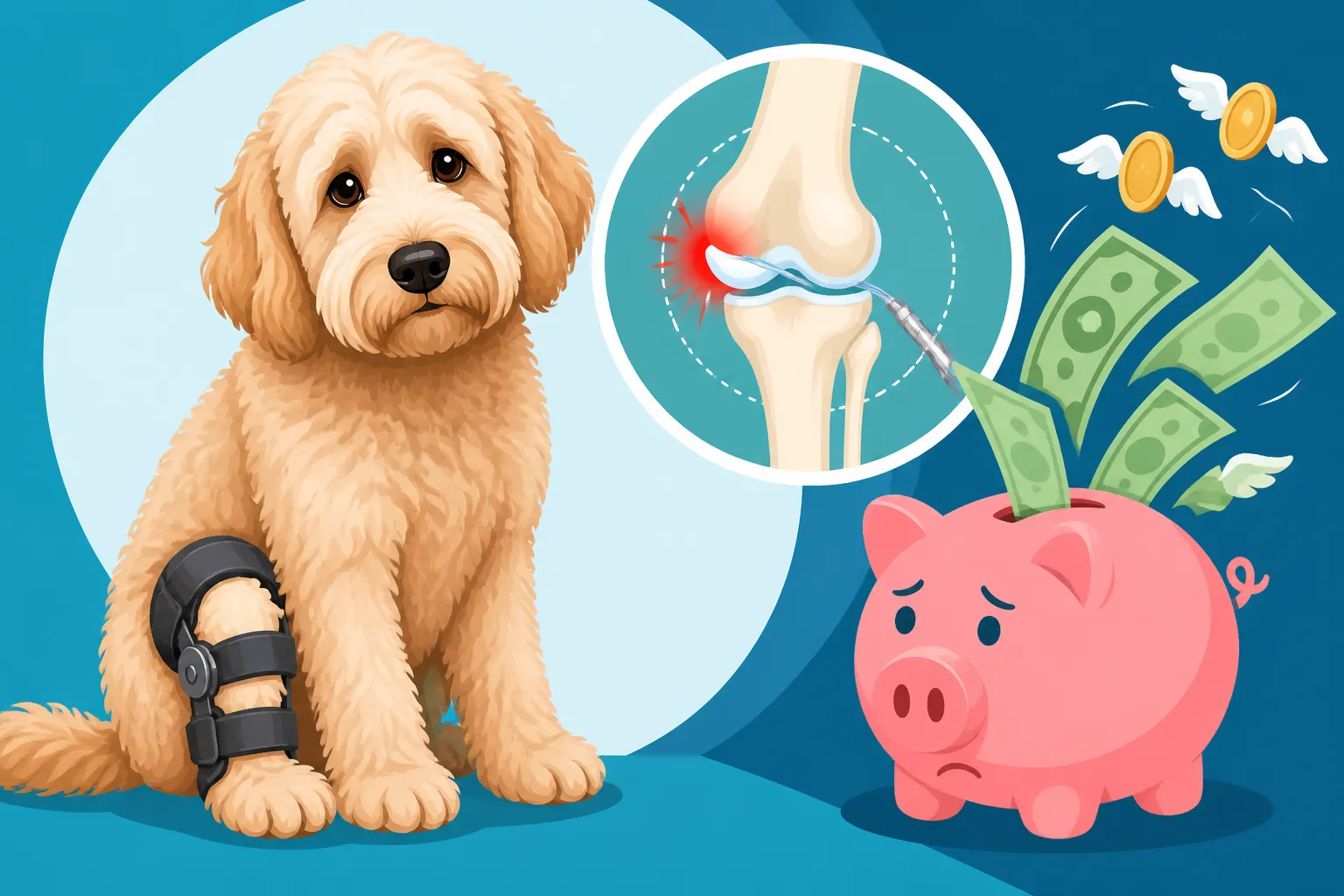
The Price of Cruciate Surgery on a Labradoodle
It’s a heart-stopping moment for any Labradoodle owner: one minute your bouncy, joyful dog is tearing across the yard, the next they let out a yelp, come up lame, and start holding a leg gingerly. When that happens, and the veterinarian delivers the news of a torn cruciate ligament, your mind immediately jumps to two things: "Is my dog going to be okay?" and "How much is this going to cost?" The financial aspect of cruciate surgery can feel incredibly overwhelming, especially when you're already worried sick about your furry family member. This guide is here to walk you through what to expect when faced with cruciate surgery for your beloved Labradoodle, from understanding the injury itself to navigating the financial maze of treatment and recovery.
Understanding Cruciate Ligament Injuries in Labradoodles
The cranial cruciate ligament (CCL), often simply called the cruciate ligament, is a vital structure inside your dog's knee joint, similar to the anterior cruciate ligament (ACL) in humans. Its main job is to prevent the shin bone (tibia) from sliding forward past the thigh bone (femur) and to limit excessive internal rotation of the joint. When this ligament tears, it leads to instability and pain, making it difficult for your Labradoodle to put weight on the affected leg.
Labradoodles, being a mix of Labrador Retrievers and Poodles, inherit traits from both breeds, including their propensities for certain health conditions. Both parent breeds can be prone to orthopedic issues, and unfortunately, cruciate ligament tears are quite common across many active, medium-to-large dog breeds. The deep chest and active nature of a Labradoodle means they often love to run, jump, and play hard, which can sometimes put their knees under considerable strain.
Why Cruciate Injuries Happen
Cruciate ligament injuries aren't always dramatic, sudden accidents, though those certainly occur. Often, it's a degenerative process, meaning the ligament weakens over time, little by little, until even a minor twist or jump can cause it to completely tear. Imagine tiny threads fraying on a rope; eventually, the whole rope snaps. This gradual weakening can be influenced by genetics, body weight, activity levels, and even joint conformation.
For active dogs like Labradoodles, quick stops, sharp turns, or landing awkwardly after a jump can be the straw that breaks the camel's back for an already compromised ligament. Sometimes, it's just plain bad luck. You might have a Labradoodle who loves to chase squirrels or leap for a frisbee, and one wrong move leads to a torn cruciate. Factors like obesity can also put immense stress on joints, accelerating the degeneration process. Ensuring your Labradoodle maintains The Weight a Labradoodle Should Hold is a key preventative measure.
Recognizing the Signs of a Cruciate Tear
Spotting a cruciate tear can sometimes be tricky, as the signs can vary from subtle to obvious. In a sudden, complete tear, your Labradoodle will likely exhibit acute lameness, often holding the affected leg up and refusing to put any weight on it. This is usually accompanied by pain and swelling around the knee.
However, if it's a partial tear or a slow, degenerative process, the signs might be more intermittent. You might notice your Labradoodle has a slight limp after exercise, or they might seem stiff when getting up after a nap. They might shift their weight, avoiding putting full pressure on the affected leg. Some owners describe a "toe-touching" gait, where the dog just barely touches their toes to the ground. Swelling might be less noticeable, and your dog might even seem to improve for a few days before regressing. Don't ignore these subtle hints, as addressing the issue early can sometimes lead to better outcomes. It’s also important to differentiate this from other joint issues, such as Slipping Kneecaps in a Miniature Labradoodle or general arthritis, especially if you have an older dog.
Types of Cruciate Ligament Repair Surgery
Once a cruciate ligament injury is diagnosed, surgery is almost always the recommended course of action, especially for larger, active breeds like Labradoodles. Leaving it untreated can lead to chronic pain, severe arthritis, and a high likelihood of the other knee eventually tearing due to compensatory strain. The type of surgery chosen significantly impacts the overall cost and recovery process. Your vet will discuss the best option based on your dog's size, age, activity level, and the extent of the injury.
TPLO (Tibial Plateau Leveling Osteotomy)
TPLO is one of the most common and highly recommended surgical procedures for larger dogs with cruciate tears, including many standard-sized Labradoodles. This technique involves surgically altering the angle of the top of the shin bone (tibial plateau) to neutralize the forces that cause the tibia to slide forward when the dog bears weight. Essentially, it eliminates the need for the torn cruciate ligament by redesigning the knee joint's mechanics.
The procedure involves making a curved cut in the tibia, rotating the bone segment, and then securing it with a bone plate and screws. This creates a stable platform, allowing the dog to use their leg without the shin bone shifting. TPLO typically has a very high success rate, and dogs often recover excellent function. However, it is a complex orthopedic surgery, which translates to a higher cost due to the specialized equipment, training, and surgical expertise required.
TTA (Tibial Tuberosity Advancement)
Another advanced surgical technique, TTA, also aims to change the biomechanics of the knee joint to achieve stability. Instead of rotating the tibial plateau like in TPLO, TTA involves cutting the front part of the tibia (tibial tuberosity) and moving it forward. A cage, plate, and screws are then used to hold the advanced section in its new position. This advancement changes the angle of the patellar tendon, which then helps to prevent the tibia from sliding forward during weight-bearing.
TTA is often considered for medium to large breeds and can offer a good alternative to TPLO for suitable candidates. Like TPLO, it requires specialized equipment and expertise, meaning it also falls into the higher cost bracket for cruciate repair surgeries. Both TPLO and TTA are known for providing excellent long-term stability and function, making them popular choices despite the price tag.
Extracapsular Repair (Lateral Suture)
The extracapsular repair, often referred to as the lateral suture technique, is a more traditional and generally less expensive surgical option. This procedure aims to mimic the function of the torn cruciate ligament by placing a strong suture material (usually nylon or similar) around the outside of the knee joint, connecting the femur and tibia. This suture provides temporary stability while the natural fibrous tissue around the joint thickens and scar tissue forms, creating new long-term stability.
This method is frequently used for smaller dogs or those with less active lifestyles, but it can also be an option for Labradoodles, especially miniature ones or those with more conservative owners. While often effective, especially in smaller or less active dogs, it may not provide the same level of long-term stability as TPLO or TTA in larger, more athletic Labradoodles. It's less invasive than bone-cutting procedures, which contributes to its lower cost, but it's important to discuss with your vet if it's the right choice for your particular Labradoodle and their expected activity level.
Factors Influencing the Cost of Cruciate Surgery
The price tag on cruciate surgery for a Labradoodle isn't a fixed number; it's a spectrum influenced by many variables. It's not just the surgical technique itself, but a whole host of other elements that contribute to the final bill. Understanding these factors can help you better prepare for the financial commitment involved.
Geographic Location and Veterinary Clinic
Just like real estate prices, veterinary costs can fluctuate significantly based on where you live. A procedure performed in a major metropolitan area or a high-cost-of-living state will almost certainly cost more than the same procedure in a rural area. The cost of living for staff, clinic overheads, and specialized equipment all factor into regional pricing differences.
Furthermore, the type of veterinary clinic plays a huge role. If your general practice veterinarian offers cruciate surgery, it might be at a different price point than a board-certified orthopedic surgeon at a specialized veterinary referral hospital. While a specialist might command a higher fee, they also bring a wealth of experience and potentially more advanced equipment or techniques to the table. For a complex procedure like a TPLO or TTA, seeking out a specialist is often recommended, even if it means a higher initial cost. You might find you're making difficult choices when it comes to Whether a Labradoodle's Knee Needs Operating.
Severity of Injury and Dog's Size
The extent of the cruciate tear itself can affect the surgical approach and, thus, the cost. A partial tear, while still needing intervention, might be less complicated than a complete rupture with additional damage to the meniscus (a C-shaped cartilage in the knee). If the meniscus also needs to be repaired or removed during the surgery, it adds to the surgical time and complexity.
Your Labradoodle's size also matters immensely. A standard Labradoodle weighing 50-65 pounds requires more extensive anesthesia, larger implants (plates, screws, sutures), and more robust surgical techniques compared to a miniature Labradoodle weighing 20-30 pounds. This difference in size directly impacts the cost of materials and resources used. Hips and Elbows in a Sixty Pound Labradoodle highlights how larger size often correlates with more intensive and costly orthopedic care.
Pre-Operative Diagnostics and Post-Operative Care
The surgery itself is only one part of the equation. There are essential costs before and after the procedure that you need to account for.
Pre-operative diagnostics typically include:
- Initial Exam & Consultation: Your vet's assessment of the injury.
- Radiographs (X-rays): These are crucial to assess the knee joint, look for signs of arthritis, rule out other conditions, and plan the surgical approach. Multiple views are often taken.
- Bloodwork: Pre-anesthetic blood tests are vital to ensure your Labradoodle is healthy enough for surgery and to minimize anesthetic risks.
- Pain Medications: Often prescribed before and after surgery.
Post-operative care is equally critical for a successful recovery:
- Hospital Stay: Depending on the surgery and your dog's recovery, a short overnight stay might be recommended.
- Medications: Pain relief, anti-inflammatories, and sometimes antibiotics are essential during the recovery period.
- E-Collar/Cone: To prevent your Labradoodle from licking or chewing at the incision site.
- Follow-up Visits & X-rays: Multiple check-ups are needed to monitor healing, assess progress, and confirm bone healing (for TPLO/TTA) or suture integrity (for lateral suture). These might include additional X-rays.
All of these components add up, so when you're quoted a price for "surgery," always ask what it includes to avoid sticker shock.
The Financial Reality: What to Expect
Let's talk numbers, but with the understanding that these are estimates and can vary widely. When a veterinarian quotes you a price for cruciate surgery, they're typically bundling many of the services we just discussed. It's not just the surgeon's time, but the anesthesiologist, the veterinary technicians, the facility, medications, and aftercare.
Breaking Down the Typical Bill
For a standard Labradoodle needing TPLO or TTA surgery, you could generally expect the total cost to be in the multiple thousands of dollars. An extracapsular repair would likely be on the lower end of that range, while TPLO or TTA would be on the higher end, especially if performed by a specialist in a major urban center.
Here's a generalized breakdown to give you an idea:
| Cost Component | Typical Contribution to Total Bill (Estimate) |
|---|---|
| Initial Exam & X-rays | Moderate |
| Pre-anesthetic Bloodwork | Moderate |
| Anesthesia (including monitoring) | Significant |
| Surgical Procedure (TPLO/TTA) | High |
| Surgical Procedure (Lateral Suture) | Moderate to High |
| Implants (Plates, Screws, Suture) | Significant |
| Hospitalization (1-2 days) | Moderate |
| Post-op Medications (Pain, Anti-inflammatories) | Moderate |
| E-collar/Cones | Low |
| Follow-up Exams & X-rays | Moderate to Significant |
| Total Estimated Cost | Varies widely, often several thousands of dollars |
Remember, these figures are general and will change based on your specific location, chosen clinic, and the details of your dog's condition. Always ask for a detailed estimate from your veterinary team.
Exploring Payment Options and Financial Aid
The cost can be daunting, but you're not alone. Many resources exist to help manage these unexpected expenses.
- Pet Insurance: If you have pet insurance, this is where it truly shines. Policies can cover a significant portion of unexpected surgical costs. However, it's crucial to understand your policy's deductible, reimbursement percentage, and if there are any exclusions for pre-existing conditions. Many companies, like Healthy Paws, offer comprehensive coverage that can be a lifesaver in these situations. The key is to have it before an injury occurs. If you're considering a Labradoodle, looking into Insuring a Labradoodle Before Anything Is On Record can save you a lot of heartache later.
- Payment Plans: Many veterinary clinics understand the financial strain and offer in-house payment plans or work with third-party financing companies like CareCredit. These allow you to pay off the balance over time, often with low or no interest if paid within a promotional period.
- Emergency Funds: For those without insurance, having an emergency fund specifically for pet care is invaluable.
- Veterinary Assistance Programs: Organizations like The Pet Fund, RedRover, and regional humane societies sometimes offer financial assistance to pet owners who meet certain criteria. It's worth researching what's available in your area.
- Crowdfunding: Platforms like GoFundMe can also be an option for those with a strong support network.
Don't let the cost deter you from seeking the best care for your Labradoodle. Open communication with your vet about your financial situation is key; they often have resources or alternative solutions to explore.
Recovery and Rehabilitation Costs
The journey doesn't end when your Labradoodle leaves the surgical suite. The recovery period is just as, if not more, critical to the long-term success of the surgery, and it comes with its own set of costs.
The Importance of Post-Surgical Rehab
Proper rehabilitation after cruciate surgery is paramount for optimal recovery, regaining strength, and preventing re-injury or injury to the other knee. Without it, your Labradoodle might develop compensatory issues, muscle atrophy, and a reduced range of motion.
Rehabilitation often involves:
- Strict Rest & Leash Walks: For the first few weeks, activity is severely restricted. This means short, controlled leash walks only, no running, jumping, or rough play.
- Physical Therapy (Rehab): This is a game-changer for many dogs. A certified canine rehabilitation therapist can guide you through exercises like passive range of motion, therapeutic exercises, hydrotherapy (underwater treadmill), and massage. While these sessions add to the overall cost, they can significantly improve your Labradoodle's recovery speed and quality of life.
- Ongoing Medications: Pain management and anti-inflammatory medications will continue for some time after surgery.
- Supplements: Joint supplements, often containing glucosamine, chondroitin, and MSM, are frequently recommended long-term to support joint health. You can find many reputable options at pet supply retailers like Chewy. This is part of Keeping a Labradoodle Sound Into Its Teens.
The timeline for recovery is typically several months, with full recovery sometimes taking 6-12 months. This is a significant time commitment, both for you and your Labradoodle, and the financial implications of ongoing physical therapy sessions should be factored into your budget.
Managing Long-Term Care
Even after your Labradoodle is fully recovered and cleared by the vet, ongoing management is crucial. The knee that underwent surgery will likely be more prone to arthritis as they age, and the other knee will always be at a higher risk of developing a cruciate tear due to the initial compensatory strain. This means lifelong vigilance and proactive care.
Long-term care costs can include:
- Joint Supplements: As mentioned, these can be a daily expense. Looking into Whether a Labradoodle Needs a Joint Supplement Early might be a good idea for prevention.
- Weight Management: Maintaining a healthy weight is perhaps the single most important thing you can do to protect all of your Labradoodle's joints. This might mean investing in high-quality, portion-controlled food or fresh food options like Ollie, which can be precisely tailored to their caloric needs.
- Controlled Exercise: While your Labradoodle should eventually return to a good level of activity, it's often advised to avoid activities that put extreme stress on the knees, like excessive jumping or sudden starts and stops. Consistent, moderate exercise is key, as discussed in Exercise for a Stiff Old Labradoodle.
- Regular Veterinary Check-ups: Keeping up with yearly exams helps monitor joint health and catch any new issues early.
A cruciate ligament injury is a major event in a Labradoodle's life, and while the initial surgery cost can be substantial, the commitment to their recovery and long-term joint health is equally important. It's a journey, but with proper care, most Labradoodles go on to live full, active lives after surgery.
Disclaimer
This article is for general informational purposes only and does not constitute professional advice. Laws, prices and regulations vary by location and change over time. Consult a qualified professional for guidance on your specific situation.