Whether Bloat Surgery Is Covered on a Labradoodle Policy
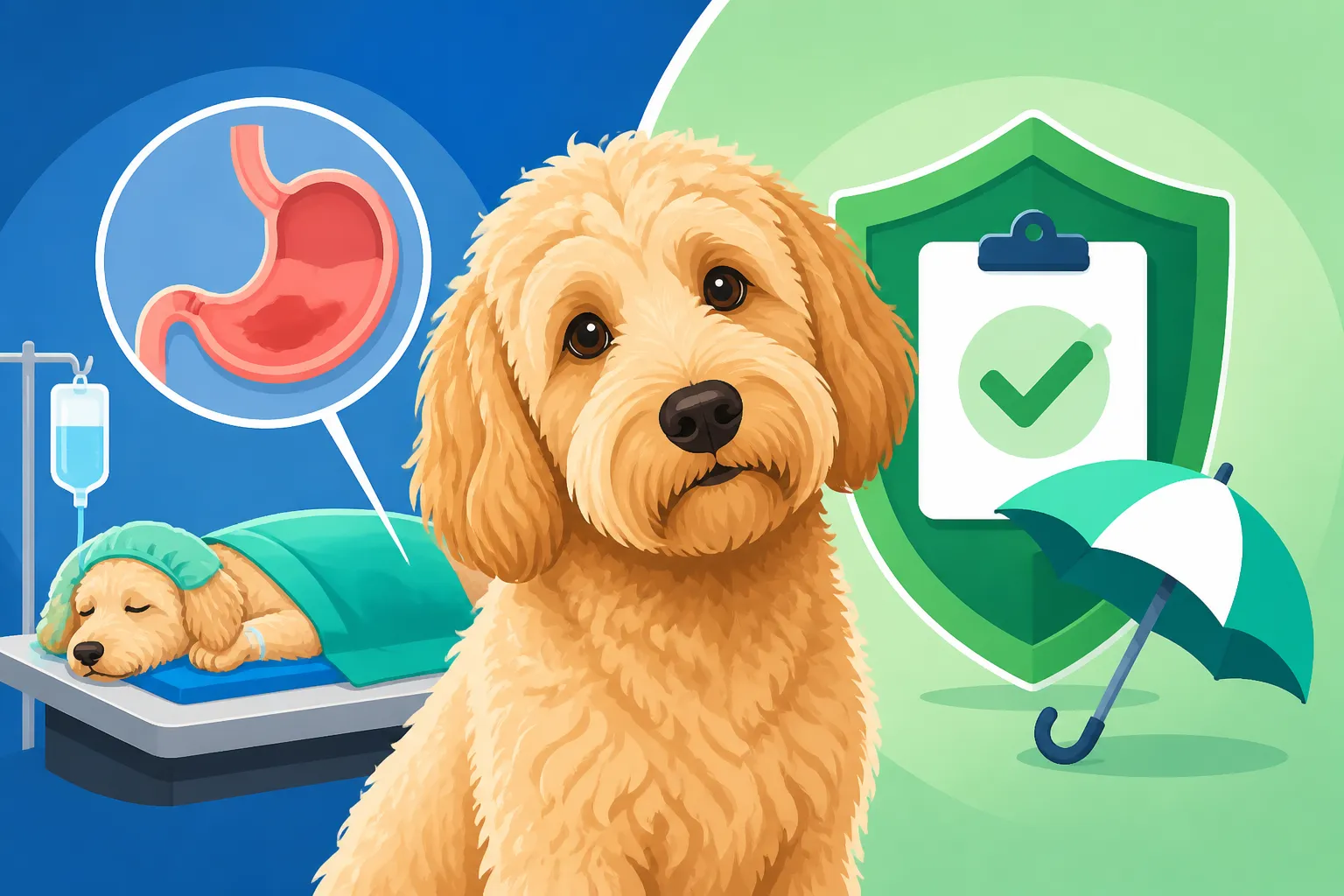
The terrifying reality of bloat, medically known as Gastric Dilatation-Volvulus (GDV), is a nightmare no Labradoodle owner ever wants to face. It strikes suddenly, often without warning, and can be fatal within hours. When your beloved companion's life hangs in the balance, the last thing you want to worry about is the astronomical cost of emergency surgery. This guide is here to shed light on whether bloat surgery, and the crucial care surrounding it, is typically covered by pet insurance policies, helping you understand what to look for and how to prepare.
The Terrifying Reality of Bloat in Labradoodles
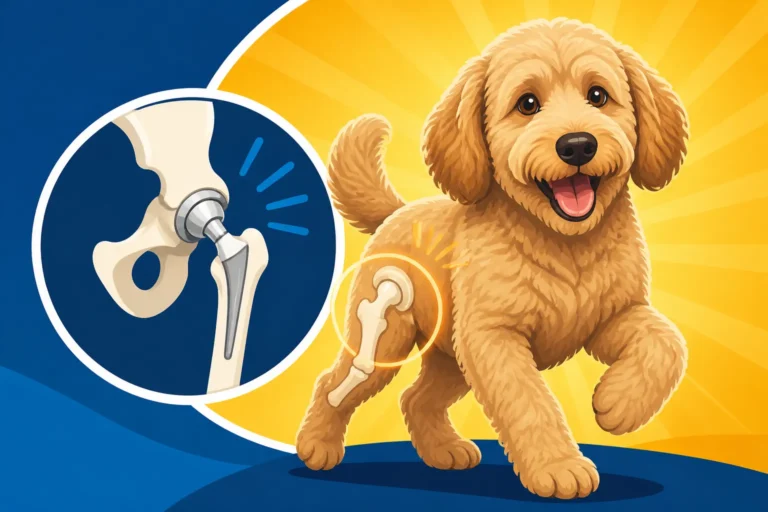
As a Labradoodle parent, you might already know about the specific health concerns that can crop up with our beloved companions. One of the most frightening and time-sensitive emergencies is bloat, or Gastric Dilatation-Volvulus (GDV). It's not just a bad tummy ache; it's a condition where your dog's stomach fills with gas, food, or fluid (dilatation) and then twists on itself (volvulus). This twisting cuts off blood supply to the stomach and other organs, and it can become fatal very quickly if not addressed.
Our Labradoodles, with their Poodle heritage, often inherit a deep, narrow chest conformation. This physical characteristic, while part of their charm, unfortunately puts them at a higher risk for developing GDV. The Deep Chest a Labradoodle Gets From the Poodle is a significant factor. It’s a silent threat that can transform a happy, energetic dog into a critical patient in a matter of minutes. Imagine your Labradoodle, who was just playing in the yard, suddenly pacing, drooling, trying to vomit without success, and showing a visibly distended abdomen. That's the terrifying onset of bloat.
The urgency cannot be overstated. There's no "wait and see" with bloat. If you suspect it, it's a race against time to get to an emergency veterinary clinic. Every minute counts. Prevention is often discussed, and for some high-risk dogs, a prophylactic gastropexy—a surgery where the stomach is tacked to the abdominal wall to prevent it from twisting—is an option. This is something many owners consider, especially if they understand Whether a Labradoodle Should Have a Preventive Gastropexy. However, for those instances where bloat strikes unexpectedly, immediate surgical intervention is the only viable treatment.
Pet Insurance: A Lifeline for Unexpected Veterinary Bills
The emotional toll of a pet emergency is immense, but the financial burden can be equally staggering. This is where pet insurance steps in as a potential lifeline. For many of us, our Labradoodles aren't just pets; they're cherished family members, and we want to provide them with the best care possible, no matter the cost. However, veterinary bills, especially for emergency surgeries like bloat, can quickly run into the thousands.
Pet insurance works much like human health insurance, with a few key differences. You typically pay a monthly premium, and in return, the insurance company helps cover a portion of your eligible veterinary expenses. Most policies are generally categorized as accident-only or accident and illness. Accident-only plans cover injuries from unforeseen events like broken bones or poison ingestion, while accident and illness plans offer more comprehensive coverage for a wider range of issues, including illnesses, infections, and yes, emergencies like bloat.
The absolute critical factor when considering pet insurance is timing. Policies almost universally have clauses regarding pre-existing conditions. This means if your Labradoodle has already exhibited symptoms of a condition or been diagnosed with it before your policy starts or before the waiting period ends, that condition will likely be excluded from coverage. This is why getting your Labradoodle insured when they are young and healthy is highly recommended. You don't want to be in a situation where your dog needs emergency surgery for bloat, only to find it's not covered because the policy wasn't active or the waiting period hadn't passed. Companies like Healthy Paws are well-known for their comprehensive accident and illness plans, but they, like all insurers, adhere to these fundamental principles regarding pre-existing conditions and waiting periods. When researching options, remember to inquire specifically about Insuring a Labradoodle Against Bloat as a primary concern. Understanding these details upfront can save you a world of stress and financial hardship down the line.
Decoding Bloat Surgery Coverage in Your Labradoodle's Policy
Let's get right to the heart of the matter: does pet insurance cover bloat surgery for your Labradoodle? For the vast majority of comprehensive accident and illness pet insurance policies, the answer is generally yes. Bloat (GDV) is considered a sudden, unexpected emergency that requires immediate veterinary attention, making it a classic example of an "accident" or "illness" that these types of policies are designed to cover.
However, the devil, as they say, is in the details of your specific policy. When you're reviewing insurance options, or checking your existing plan, you'll want to pay close attention to several key components:
- Deductible: This is the amount you need to pay out of pocket before your insurance coverage kicks in. Deductibles can vary widely, from a few hundred dollars to over a thousand.
- Reimbursement Percentage: After your deductible is met, this is the percentage of the remaining eligible veterinary bill that your insurance company will pay. Common percentages range from 70% to 90%.
- Annual Limit: Many policies have an annual maximum amount they will pay out in a policy year. For a major surgery like bloat, which can easily incur bills of several thousand dollars, it's crucial to have a high enough annual limit to cover potential costs.
- Waiting Periods: As mentioned, there's typically a waiting period (e.g., 14 days for illnesses, shorter for accidents) after you purchase the policy before coverage for certain conditions begins. This is why securing insurance early is so important.
It's also essential to distinguish between emergency bloat surgery and a preventative gastropexy. While emergency surgery for bloat is typically covered, a planned, prophylactic gastropexy might fall under a different category. Some insurers may cover it if deemed medically necessary by your vet, or if it's offered as an add-on wellness benefit. Always check with your provider directly on how they classify preventative procedures versus emergency treatments.
Pre-existing conditions are the biggest hurdle. If your Labradoodle has a history of gastrointestinal issues that could be linked to bloat, or has already experienced an episode of bloat prior to coverage, it’s highly probable that future bloat-related claims will be denied. This is a standard industry practice across nearly all pet insurance providers, including those like Healthy Paws, which are otherwise excellent for comprehensive coverage. Even if your dog only had vague signs that could be related to a future bloat episode, some policies might interpret that as a pre-existing condition, underscoring the importance of enrolling your Labradoodle while they are truly young and healthy. Make sure you read the fine print on what exactly constitutes a pre-existing condition in their terms. Knowing What Emergency Bloat Surgery Costs a Labradoodle Owner can help you determine if your policy's limits are sufficient for such a severe medical event.
Navigating Claims and Maximizing Your Coverage
When the unthinkable happens and your Labradoodle needs emergency bloat surgery, the last thing you'll want to deal with is insurance paperwork. However, being prepared and knowing the process can make a world of difference during a stressful time.
First and foremost, if you suspect bloat, get to an emergency vet immediately. Do not delay to call your insurance company; their primary concern will be your pet's health. Once your Labradoodle is receiving care, you or the veterinary staff can then contact your insurer to understand the claims process specific to your policy. Many emergency clinics are well-versed in working with pet insurance providers, and some may even be able to submit claims directly on your behalf or provide pre-approval for costly procedures.
Documenting the Emergency and Submitting Your Claim
To ensure a smooth claims process, meticulous documentation is key. Your vet will provide detailed invoices for the examination, diagnosis, surgery, medications, and any follow-up care. Keep all these records organized. When submitting your claim, you'll typically need to fill out a claim form provided by your insurer and attach these itemized invoices and your pet’s medical records. Be thorough and provide all requested information to avoid delays.
For instance, if your Labradoodle experiences any complications, such as internal bleeding or prolonged recovery, Whether a Labradoodle Bleeds Longer After Surgery could be a factor, and all associated costs should be part of your claim. This is where an accident and illness policy truly shines, as it should cover these unforeseen medical needs that arise from the covered event.
Understanding Your Policy's Terms and Conditions
It's a good idea to familiarize yourself with your policy's fine print before an emergency strikes. Understand your deductible, your reimbursement percentage, and any annual or per-incident limits. Some policies might also have specific requirements for emergency care, such as requiring treatment at a licensed veterinary emergency hospital. Knowing these details upfront allows you to make informed decisions quickly when faced with a crisis.
When it comes to ongoing care and prevention, while not directly tied to bloat surgery coverage, managing your Labradoodle's overall health can indirectly support your insurance claims by showing proactive care. For example, ensuring your Labradoodle maintains a healthy weight with quality food, perhaps through a subscription service like Ollie, or using products from Chewy for appropriate slow-feeder bowls, can contribute to their well-being. These lifestyle choices, combined with regular The Yearly Screening a Labradoodle Should Get at your vet, demonstrate responsible pet ownership.
What if a Claim is Denied?
Occasionally, a claim might be denied. This could be due to a waiting period not being met, a pre-existing condition clause, or insufficient documentation. If this happens, don't panic. Carefully review the denial letter, understand the reason, and if you believe it's an error or you can provide further supporting documentation, appeal the decision. Most insurance companies have an appeals process. It's tough when you're already stressed, but advocating for your Labradoodle's care and your coverage is important. In the most heartbreaking scenarios, when a Labradoodle's condition is beyond help, knowing The Point a Labradoodle's Owner Has to Decide is a decision no one should make while also battling financial stress. Insurance, ideally, lessens that burden.
| Policy Aspect | General Coverage for Bloat Surgery | Considerations for Labradoodle Owners |
|---|---|---|
| Accident & Illness Plans | Typically YES | Essential for comprehensive emergency coverage |
| Accident-Only Plans | Usually YES, if considered an accident | Check policy definition of "accident" carefully |
| Preventative Gastropexy | Varies by provider; often NOT unless add-on | May be covered under wellness plan or specific rider |
| Deductible | Must be met before reimbursement | Choose a deductible you're comfortable paying upfront |
| Reimbursement Rate | 70-90% common | Higher percentage means less out-of-pocket |
| Annual Limit | Caps total payout per year | Ensure it's high enough for major emergencies like bloat |
| Waiting Periods | Standard for most policies | Enroll early to avoid exclusions for sudden issues |
| Pre-existing Conditions | Excluded | Critical to insure before any symptoms or diagnosis |
| Post-Op Complications | Generally YES (if related to covered event) | Important for conditions like Whether Anesthesia Is Safe for an Addisonian Labradoodle and general recovery |
Ultimately, having pet insurance that covers emergency procedures like bloat surgery can provide immense peace of mind. While we hope our Labradoodles never experience such a terrifying ordeal, knowing you have a financial safety net in place allows you to focus solely on their recovery should the worst happen.
Disclaimer
This article is for general informational purposes only and does not constitute professional advice. Laws, prices and regulations vary by location and change over time. Consult a qualified professional for guidance on your specific situation.