What Hip Replacement Runs on a Sixty Pound Labradoodle
Watching your beloved sixty-pound Labradoodle struggle with hip pain is heartbreaking. The limp, the difficulty rising, the reluctance to play fetch – it all points to a deeper issue, and for many, that issue is hip dysplasia. When the conversation turns to something as serious and potentially life-changing as hip replacement, the financial implications can feel overwhelming, adding immense stress to an already difficult situation. This guide aims to pull back the curtain on what hip replacement truly entails for a larger Labradoodle, from understanding the condition to the nitty-gritty of surgical costs and recovery.
The Shadow of Hip Dysplasia: Understanding the Condition in Labradoodles
Hip dysplasia is a condition that no dog owner ever wants to hear their vet say. It’s a developmental disorder of the hip joint, where the ball and socket don't fit together perfectly. Instead of a smooth, congruent fit, the joint is loose, causing friction and instability. Over time, this leads to degenerative joint disease, often manifesting as arthritis, discomfort, and a significant reduction in mobility. For a sixty-pound Labradoodle, whose joy often comes from bouncing through fields or splashing in puddles, this can be a devastating diagnosis.
Inherited Tendencies: Why Labradoodles Are Prone
You might think that because Labradoodles are a mixed breed, they're somehow immune to the common ailments of their parent lines. Unfortunately, that's not always the case. Both the Labrador Retriever and the Standard Poodle, the foundation breeds for most Labradoodles, carry a genetic predisposition to hip dysplasia. This means that a Labradoodle puppy, regardless of how cute and clumsy it is, can inherit genes that make it more likely to develop this condition. It's a cruel twist of genetics, and it’s why breeders are often encouraged to perform health screenings like OFA (Orthopedic Foundation for Animals) evaluations on their breeding stock. Knowing Whether Both Labradoodle Parents Need OFA Hips is crucial information for any prospective puppy owner. Even with careful breeding, sometimes genetics still play a hand.
The varying degrees of hip dysplasia mean that some dogs might live their entire lives with mild discomfort managed with medication, while others face severe pain and debilitating lameness early on. The size and activity level of your Labradoodle can also influence how quickly the symptoms progress and how severely they impact your dog's quality of life. A larger, more active dog, like a sixty-pound Labradoodle, might show symptoms more dramatically or experience more rapid joint deterioration simply due to the forces acting on those compromised joints.
The Silent Struggle: Recognizing Subtle Signs
Sometimes, the signs of hip dysplasia aren't as dramatic as a full-blown limp right out of the gate. Often, it begins with subtle changes that, as a dedicated owner, you might dismiss as just "getting older" or "overdoing it." Your Labradoodle might seem a little stiffer after waking up, or struggle to get up from a lying position. You might notice them favoring one leg slightly, or bunny-hopping when they run, where both hind legs move together. They might also show a reluctance to jump into the car, climb stairs, or even engage in their favorite games of fetch as enthusiastically as before.
These subtle cues are your Labradoodle's way of telling you something is wrong. They can’t verbalize their pain, so their behavior becomes their communication. Sometimes, the muscle mass in their hindquarters might even start to decrease because they're not using those muscles as effectively, or conversely, their front legs might bulk up as they compensate for the weakness behind. If you're noticing any changes in how your Labradoodle moves or acts, especially if they are around the age where Arthritis in a Labradoodle at Ten might be setting in, it's really important to get them to the vet for a thorough check-up. Early detection, even of these vague signs, can sometimes make a world of difference in managing the condition.
Unraveling the Mystery: Diagnosing Hip Issues
The journey to understanding your Labradoodle’s hip pain often starts with a creeping suspicion, followed by a visit to your trusted veterinarian. It’s a relief to finally seek professional help, but the diagnostic process can still feel like a maze, especially when you're anxious about your furry friend.
The Initial Vet Visit and Physical Examination
When you bring your Labradoodle in, your vet will perform a comprehensive physical examination. This isn't just a quick once-over; they'll carefully palpate your dog's hips, feeling for any looseness, grinding, or pain when the joints are manipulated. They might try to elicit a "Ortolani sign," which is a specific maneuver to check for laxity in the hip joint. They’ll observe your Labradoodle's gait, how they stand, and how they transition from sitting to standing. They'll also ask you a lot of questions about your dog's activity levels, any changes in behavior you’ve noticed, and how long these symptoms have been present.
This initial examination is critical because it helps the vet narrow down the possibilities. Hip dysplasia isn't the only cause of hind leg lameness, after all. There could be muscle strains, nerve issues, or other orthopedic problems at play. Your vet will take all your observations and their findings into account to decide on the next diagnostic steps, ensuring that they're targeting the right area before moving onto more invasive or costly procedures.
Peering Inside: X-rays and Advanced Imaging
To truly confirm hip dysplasia and assess its severity, X-rays are usually the next step. Your Labradoodle will likely need to be sedated for these X-rays. This isn't just for comfort; it's essential to get accurate, reproducible images. A sedated dog can be positioned precisely, allowing the vet to get clear views of the hip joints without muscle tension or movement distorting the image. These X-rays will show the shape of the femoral head (the ball), the acetabulum (the socket), and how well they fit together. They can also reveal signs of secondary osteoarthritis, such as bone spurs or remodeling of the joint.
In some cases, especially if the diagnosis is ambiguous or if surgery is being considered, your vet might recommend more advanced imaging like CT scans or MRI. These can provide even more detailed views of the bones, cartilage, and surrounding soft tissues. While these advanced diagnostics add to the overall cost, they can be invaluable for a precise diagnosis and for planning the most effective treatment course. It’s a lot to take in, but remember, each step is about getting a clearer picture so you can make the best decision for your beloved Labradoodle.
Beyond Surgery: Exploring Non-Operative Management
While total hip replacement can sound like the ultimate solution, it's not always the first or only option, especially for Labradoodles with less severe forms of hip dysplasia or those who aren't ideal candidates for surgery. Non-surgical management focuses on pain control, reducing inflammation, and improving joint function through various conservative approaches.
Easing the Pain: Medication and Supplements
When your Labradoodle is experiencing pain and inflammation, medication is often a crucial first line of defense. Non-steroidal anti-inflammatory drugs (NSAIDs) are commonly prescribed to reduce both pain and swelling, helping your dog feel more comfortable and mobile. Your vet will guide you on the right dosage and monitor for any side effects. These medications can offer significant relief, transforming a dog that was limping and struggling into one that can enjoy walks and interact more freely.
Beyond prescription medications, many owners turn to joint supplements. Ingredients like glucosamine, chondroitin, and MSM are widely used to support cartilage health and reduce inflammation. These aren't quick fixes, but over time, they can contribute to overall joint well-being. You might wonder Whether Glucosamine Helps a Labradoodle's Joints, and for many dogs, it certainly can be a beneficial addition to their regimen. Brands like Chewy often carry a wide array of trusted joint supplements, making it easy to find what your vet recommends. Omega-3 fatty acids, often found in fish oil, are also known for their anti-inflammatory properties and can be a great addition.
Strengthening and Supporting: Physical Therapy and Lifestyle Changes
Medication alone is rarely enough. A comprehensive non-surgical plan usually includes physical therapy and significant lifestyle adjustments. Physical therapy, including hydrotherapy (swimming or underwater treadmill), specific exercises, and massage, can help strengthen the muscles surrounding the hip joint, improve range of motion, and reduce pain. A certified canine rehabilitation therapist can develop a tailored program for your Labradoodle. These sessions can be incredibly beneficial, not just for physical recovery but also for your dog's mental well-being as they regain confidence in their movement.
Perhaps one of the most critical lifestyle changes is weight management. Excess weight puts immense stress on already compromised joints, exacerbating pain and accelerating degeneration. Ensuring your sixty-pound Labradoodle maintains The Weight a Labradoodle Should Hold is paramount. This might mean adjusting their food intake, increasing appropriate exercise, and being mindful of treats. Slowing down enthusiastic play, avoiding high-impact activities like jumping, and using ramps for cars or stairs can also protect their joints from further damage.
Dietary Considerations for Joint Health
Nutrition plays a surprisingly large role in managing hip dysplasia. Beyond just weight control, the quality and type of food can impact inflammation and overall joint health. Many commercial dog foods now offer "joint support" formulas, enriched with ingredients like glucosamine, chondroitin, and Omega-3 fatty acids, which can complement oral supplements. These specialized diets aim to provide the building blocks for healthy cartilage and reduce systemic inflammation.
For some Labradoodles, a fresh food diet might be beneficial, as these often contain higher quality, less processed ingredients and can be easier to customize for specific needs. Brands like Ollie offer fresh, human-grade meal plans that can be tailored to your dog's age, activity level, and specific health concerns, including weight management. This can be especially helpful if your Labradoodle needs to shed a few pounds to reduce strain on their hips. Always discuss any significant dietary changes with your veterinarian to ensure your Labradoodle is getting all the nutrients they need, especially when managing a condition like hip dysplasia.
The Definitive Fix: Total Hip Replacement Surgery
When non-surgical options no longer provide adequate relief, or in cases of severe dysplasia, Total Hip Replacement (THR) becomes the gold standard. It’s a major surgery, but for many Labradoodles, it offers the best chance at a pain-free, active life.
What the Procedure Entails: A New Lease on Life
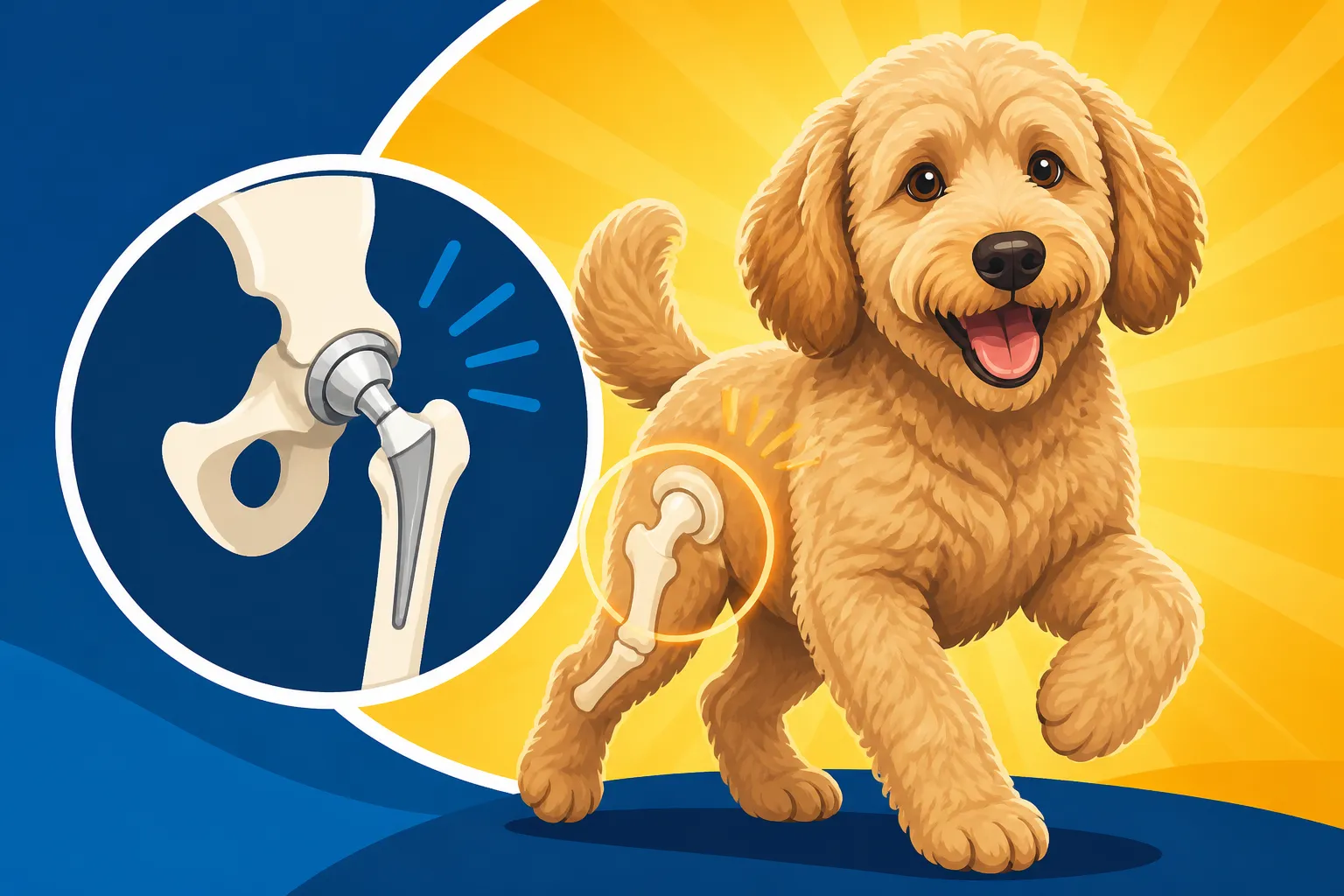
Total hip replacement surgery involves replacing the damaged ball-and-socket joint with prosthetic implants. The surgeon removes the diseased femoral head (the "ball") and replaces it with a metal implant, and replaces the damaged acetabulum (the "socket") with a plastic or metal cup. Think of it like a human hip replacement – it's designed to restore normal, pain-free function to the joint. The goal is to eliminate the grinding and discomfort caused by the dysplastic joint, allowing your Labradoodle to move freely again.
This procedure requires incredible skill and precision, as the implants must be perfectly fitted and aligned. For a sixty-pound Labradoodle, the implants used will be appropriately sized for their bone structure. While it's a significant undertaking, the success rates for THR are very high, often leading to a dramatic improvement in quality of life. It can feel like a daunting prospect, but for dogs in severe pain, it truly offers a new lease on life. This is a very different procedure than what might be considered for a smaller dog, such as Whether an FHO Suits a Miniature Labradoodle, which is a femoral head ostectomy.
The Expertise You Need: Choosing a Board-Certified Surgeon
Because THR is a complex orthopedic procedure, it's not something every general practice veterinarian performs. You'll typically be referred to a board-certified veterinary orthopedic surgeon. These specialists have undergone extensive additional training and certification beyond veterinary school, focusing specifically on bone, joint, and muscle issues. They have the expertise, experience, and specialized equipment necessary to perform such intricate surgery safely and effectively.
Choosing the right surgeon and facility is paramount. Don't hesitate to ask about their experience with THR, their success rates, and what their post-operative care protocol looks like. You'll want a team that not only excels at the surgery itself but also provides compassionate and thorough care throughout the entire process. This might mean traveling to a specialized veterinary hospital, but the peace of mind knowing your Labradoodle is in the most capable hands is priceless. They will also provide detailed instructions for the immediate recovery period, which is just as critical as the surgery itself.
The Long Road Back: Post-Operative Care and Commitment
The surgery itself is only part of the equation; the post-operative recovery period is just as, if not more, critical for a successful outcome. This is a commitment of time and effort from you, the owner. Immediately after surgery, your Labradoodle will require strict crate rest and limited activity for several weeks to allow the surgical site to heal and the implants to integrate with the bone. This means no jumping, no running, and leash walks only for bathroom breaks.
As healing progresses, a gradual rehabilitation program will begin, often involving physical therapy sessions, controlled exercises, and careful monitoring of their progress. This entire period can last several months, and it requires immense patience and dedication. It's a journey, not a destination, but with consistent care, your Labradoodle can regain significant mobility and enjoy a much-improved quality of life. It’s a challenging time, but seeing your dog slowly get back to their old self, free from pain, is incredibly rewarding.
The Financial Landscape: What a Labradoodle Hip Replacement Really Costs
Let's be realistic: a total hip replacement for a sixty-pound Labradoodle is a significant financial undertaking. It's not just the surgery itself, but a cascade of costs from diagnosis to long-term rehabilitation. Understanding these components can help you mentally and financially prepare for what lies ahead.
Breaking Down the Bill: Pre-Surgery to Post-Op Meds
The cost of a total hip replacement isn't a single lump sum, but rather an accumulation of various stages. It starts with the diagnostic phase: initial vet consultations, X-rays (often requiring sedation), and potentially more advanced imaging like CT scans, which can run into several hundred dollars or more. These initial costs are necessary to confirm the diagnosis and determine if THR is the right path.
Then comes the surgical procedure itself. This is where the bulk of the cost lies. It includes the surgeon's fee, anesthesia, the cost of the prosthetic implants (which are specialized for a dog of your Labradoodle's size), operating room time, and hospitalization. Given the complexity and duration of the procedure, this portion alone is a substantial investment. After surgery, there are costs for pain medication, antibiotics, and follow-up veterinary visits to monitor healing. Often, several weeks or months of physical rehabilitation are needed, which can involve multiple sessions with a certified canine therapist, potentially adding hundreds to thousands more depending on the program. When you consider The Full Cost of Fourteen Years With a Labradoodle, a major surgery like this is often one of the highest single expenses.
| Cost Component | Description |
|---|---|
| Diagnostic Phase | Initial exams, sedation, X-rays, potential CT/MRI scans |
| Surgical Procedure | Surgeon's fee, anesthesia, implants, operating room, hospitalization |
| Immediate Post-Operative | Pain medication, antibiotics, follow-up vet checks |
| Rehabilitation | Physical therapy, hydrotherapy, home exercise equipment, follow-up therapist visits |
| Long-Term Management | Ongoing joint supplements, specialized food, occasional vet checks |
The Lifesaver You Might Not Have: Pet Insurance
For many owners, pet insurance can be an absolute lifesaver when facing a major expense like hip replacement surgery. If you've had a policy for your Labradoodle before the diagnosis, it could cover a significant portion of the surgical costs, diagnostic tests, and even rehabilitation. However, it's crucial to understand how pet insurance works. Most policies have waiting periods, and pre-existing conditions (meaning any illness or injury your dog had before you got coverage or before the waiting period ended) are typically not covered.
This is why getting pet insurance early, when your Labradoodle is a puppy and seemingly healthy, is often recommended. Providers like Healthy Paws are popular options, but each policy is different, with varying deductibles, reimbursement percentages, and annual limits. It’s worth checking your policy details carefully or exploring options if you don’t have one. While it won't cover pre-existing conditions, a policy could still be valuable for future unexpected health issues or even for the other hip if only one is replaced initially. Knowing Whether a Labradoodle Claims More on Insurance Than Labradors might even factor into your decision-making.
Finding Support: Payment Plans and Financial Assistance
If pet insurance isn't an option or doesn't cover enough, the financial burden of a hip replacement can feel crushing. But please know you're not alone, and there are resources that can help. Many veterinary specialty hospitals offer payment plans directly or work with third-party financing companies like CareCredit, which provides credit cards specifically for health expenses, often with deferred interest options. These plans can break down the large sum into more manageable monthly payments.
Beyond financing, various charitable organizations exist that offer financial aid for pet owners facing expensive veterinary treatments. While specific funds may vary by location and availability, it’s always worth researching local and national programs. Sometimes, even crowdfunding through platforms dedicated to pet care can provide much-needed support from a caring community. Don't be afraid to have an honest conversation with your veterinary team about your financial concerns; they are often well-versed in options and resources available to help you give your Labradoodle the care they need.
Life After Surgery: Nurturing Your Recovering Labradoodle
The moment your Labradoodle comes home after hip replacement surgery is a mix of immense relief and new responsibilities. The recovery period is a critical phase that requires commitment, patience, and a bit of creativity to ensure the best possible outcome.
Creating a Healing Haven: Home Adjustments
Your home needs to become a sanctuary for healing. For a sixty-pound Labradoodle, strict confinement is paramount initially. This usually means crate rest in a comfortable, quiet area where they can’t jump, run, or try to climb furniture. Ensure their crate is large enough for them to stand and turn comfortably, but not so big that they can try to play. Non-slip rugs or runners are essential on hard floors to prevent slips and falls, which could severely compromise the surgical repair. Even a small skid could cause major setbacks.
You might need to invest in ramps to help them get into and out of the car, or even for a few steps if they’re unavoidable. Consider modifying furniture or providing a supportive dog bed that’s easy to get in and out of. Their immediate environment should be calm and free from exciting stimuli like other pets or boisterous children. Think about Ramps and Steps for an Aging Labradoodle as these items become crucial during this delicate recovery phase, not just for aging dogs. Every effort you make to minimize strain on the new hip will contribute to a smoother, more successful recovery.
The Marathon, Not a Sprint: Ongoing Care and Emotional Support
Recovering from a total hip replacement is a marathon, not a sprint. The physical rehabilitation program will gradually increase in intensity, helping your Labradoodle rebuild muscle, improve flexibility, and regain strength. This might include regular vet checks, physical therapy appointments, and a dedicated exercise regimen at home. You’ll be their personal trainer, encourager, and nurse, all rolled into one. It’s important to stick to the plan your vet and physical therapist outline, resisting the urge to push your Labradoodle too quickly, even if they seem to be feeling better.
Beyond the physical, there’s an emotional aspect to recovery. Your Labradoodle might be confused or frustrated by their limitations. Provide plenty of gentle affection, mental stimulation through puzzle toys (available on platforms like Chewy), and short, calm interactions. Celebrate every small victory – a more confident step, a wagging tail, a flicker of their old playful spirit. The goal is not just to fix the hip but to restore their joy and vitality, helping them get back to Keeping a Labradoodle Sound Into Its Teens. With dedicated care, most Labradoodles go on to live a full, pain-free life after THR, running, playing, and enjoying all the things they love. It’s an investment, not just of money, but of time, love, and effort, that truly pays off in the long run.
Disclaimer
This article is for general informational purposes only and does not constitute professional advice. Laws, prices and regulations vary by location and change over time. Consult a qualified professional for guidance on your specific situation.