The Two Parent Breeds a Labradoodle Policy Has to Cover
The world of pet insurance can feel like navigating a labyrinth, especially when you have a wonderful, goofy Labradoodle whose genetic tapestry is woven from two distinct purebred lines. Many owners find themselves scratching their heads, wondering if a single policy can truly account for the diverse health risks inherited from both their Labrador Retriever and Poodle ancestors. This comprehensive guide aims to unravel that complexity, offering clarity on how pet insurance policies approach the unique health considerations of your beloved Labradoodle.
Understanding the Labradoodle's Unique Genetic Makeup
Bringing a Labradoodle into your life is an absolute joy, but it also means embracing a blend of traits and, yes, potential health predispositions from both sides of the family tree. Unlike a purebred dog with a more predictable set of inherited conditions, a Labradoodle is a fascinating mix, carrying the genetic possibilities of both the robust Labrador Retriever and the elegant Standard Poodle. This genetic mosaic is precisely why understanding pet insurance for your Labradoodle requires a slightly different lens. It’s not just about covering a dog; it’s about covering this specific combination.
The Concept of Hybrid Vigor and Its Limitations
Many people are drawn to Labradoodles, and other "designer dogs," because of the often-touted concept of "hybrid vigor." The idea is that mixing two distinct breeds reduces the likelihood of inheriting breed-specific genetic diseases, as the gene pools are broader. While there's certainly some truth to the general principle of hybrid vigor reducing the incidence of some recessive conditions that might be prevalent in highly inbred purebred lines, it's not a magical shield. Your Labradoodle still carries genes from both parents, meaning they are still susceptible to conditions common in both Poodles and Labradors. It's a roll of the genetic dice, and while the odds might shift slightly, they don't disappear. This is why a good insurance policy needs to be broad enough to encompass a wide range of potential issues. For a deeper dive into this topic, you might want to read about Whether Hybrid Vigor Is Real in a Labradoodle.
How Pedigree and Generation Influence Health Risks
The specific generation of your Labradoodle can also play a role in their genetic blueprint. An F1 Labradoodle, for example, is a direct cross between a purebred Labrador and a purebred Poodle. This first generation often has the most unpredictable mix of traits and potentially the widest range of inherited health issues from both sides. As you move into F1b (Labradoodle bred back to a Poodle) or multi-generational (Multigen) Labradoodles, breeders often aim to stabilize certain traits like coat type or temperament, but they are also working with a smaller, more refined gene pool over time. This can sometimes concentrate certain predispositions even while trying to avoid others. Regardless of generation, responsible breeders should be performing extensive health testing on their breeding stock, and knowing those results can offer some peace of mind. However, even with health-tested parents, unexpected issues can arise, highlighting the ongoing need for robust insurance coverage.
The Poodle's Contributions to a Labradoodle's Health Profile
The Poodle side of your Labradoodle's ancestry brings with it a specific set of health considerations that any comprehensive pet insurance policy needs to address. Poodles, especially Standard Poodles, are known for their intelligence and elegance, but also for several hereditary conditions that can be costly to manage. When you're looking at insurance, you'll want to ensure these potential Poodle-derived issues aren't excluded as "breed-specific" or "pre-existing" if symptoms haven't yet emerged.
Addison's Disease: A Silent Threat
One of the most significant conditions Labradoodles can inherit from their Poodle lineage is Addison's Disease, also known as hypoadrenocorticism. This is a tricky condition because its symptoms are often vague and can mimic other illnesses, leading to delays in diagnosis. Dogs with Addison's don't produce enough cortisol and sometimes aldosterone, essential hormones for managing stress and regulating electrolytes. An Addisonian crisis can be life-threatening and requires immediate veterinary intervention. Symptoms can include lethargy, vomiting, diarrhea, loss of appetite, and sometimes shaking or collapse. The diagnostic process can be involved, often requiring an ACTH stimulation test, and lifelong medication is usually necessary. Imagine your dog suddenly becoming weak and vomiting repeatedly, and the worry of what it could be. Without insurance, the costs for diagnostics and ongoing treatment, like monthly injections of Zycortal or daily oral medications like fludrocortisone, can quickly become substantial. Many owners find themselves grappling with these bills, realizing just how valuable a good policy is. You can learn more about Addison's Disease a Labradoodle Inherits From the Poodle.
Bloat (Gastric Dilatation-Volvulus) Risk
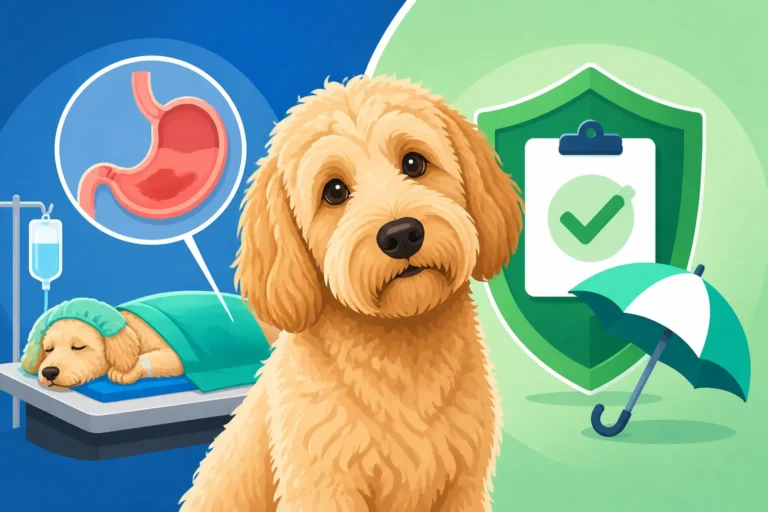
Another serious concern inherited from the deeper-chested Poodle side is Gastric Dilatation-Volvulus (GDV), commonly known as bloat. This is an acute, life-threatening condition where the stomach fills with gas and often twists, cutting off blood supply. It's a terrifying emergency that can progress rapidly and requires immediate surgery. While it can happen to any dog, deep-chested breeds like Standard Poodles (and thus, many Labradoodles) are at a higher risk. The signs can include a distended abdomen, unproductive retching, restlessness, and excessive drooling. The fear of bloat is a very real one for many Labradoodle owners, as the emergency surgery can easily run into thousands of dollars. Having a policy that covers emergency care and surgical procedures is absolutely crucial. Some owners even consider a preventive gastropexy, which tacks the stomach to the abdominal wall to prevent twisting, often performed at the same time as spaying or neutering. This preventative measure might or might not be covered by insurance, depending on the policy, but the emergency surgery almost always is if it's not a pre-existing condition. For more information, check out Bloat Risk in a Standard Poodle Bred Labradoodle.
Eye Conditions: Progressive Retinal Atrophy
Poodles are also predisposed to certain eye conditions, particularly Progressive Retinal Atrophy (PRA). This is a group of genetic diseases that cause the retina to degenerate over time, eventually leading to blindness. One common form is prcd-PRA, and responsible breeders will test their Poodle lines (and therefore, their Labradoodles) for this. The disease often starts with night blindness and gradually progresses to full blindness. While there's no cure, early diagnosis can help owners prepare and adapt their homes for a visually impaired dog. The cost of veterinary ophthalmologist visits, specialized diagnostics, and potential genetic testing can add up. A pet insurance policy should ideally cover specialist consultations and diagnostic tests for such inherited conditions, as these can be a significant part of managing your dog's health. Understanding The Progressive Retinal Atrophy Labradoodles Are Tested For is vital for prospective owners.
The Labrador Retriever's Influence on a Labradoodle's Health Risks
Just as the Poodle brings its own set of genetic predispositions, the Labrador Retriever side of your Labradoodle contributes another layer of potential health concerns. Labradors are known for their friendly demeanor and robust nature, but like all purebreds, they have their Achilles' heel when it comes to certain conditions. These are the kinds of issues you need to factor into your insurance considerations, ensuring that your policy is broad enough to cover this half of the genetic equation.
Hip and Elbow Dysplasia: Joint Concerns
Hip and elbow dysplasia are unfortunately common in larger, active breeds like Labradors, and can therefore affect Labradoodles. These are developmental conditions where the hip or elbow joints don't form correctly, leading to instability, pain, and eventually arthritis. Imagine your energetic Labradoodle puppy, full of life, suddenly showing a subtle limp after a run. It's heartbreaking. The signs can vary from mild lameness to severe pain and difficulty moving. Diagnosing these conditions typically involves X-rays, often under sedation, and treatment can range from pain management and physical therapy to expensive surgical interventions like Femoral Head Ostectomy (FHO) or Total Hip Replacement. These surgeries can easily cost thousands per joint, making pet insurance an invaluable resource. When you're looking at policies, scrutinize how they cover orthopedic conditions, especially if they are deemed "developmental." Many policies will cover them as long as symptoms weren't present before enrollment. For a detailed look at joint health, consider reading Hips and Elbows in a Sixty Pound Labradoodle.
Exercise Induced Collapse (EIC): A Hereditary Neurological Condition
Another condition that Labradors can pass down, and thus Labradoodles may inherit, is Exercise Induced Collapse (EIC). This is a genetic neurological disorder that causes affected dogs to lose control of their hind legs and sometimes collapse after intense exercise, particularly in warm weather or during periods of high excitement. It's incredibly scary for an owner to witness their dog, full of zest one moment, suddenly unable to move properly. The episode usually lasts 5-20 minutes, and the dog typically recovers fully. While not painful, it requires careful management of exercise intensity and environment. A simple DNA test can identify if a dog is affected or a carrier. While EIC itself doesn't typically incur high treatment costs after diagnosis (management is key), the initial diagnostic work-up to rule out other causes of collapse can be significant. Insurance can help with these diagnostic costs, ensuring you get a definitive answer without a crushing bill.
Obesity Tendencies: The Ever-Hungry Labradoodle
Labradors are notorious for their love of food, a trait that often carries over to Labradoodles. They are often described as "always hungry" and can be quite adept at counter-surfing or begging. This strong appetite, coupled with some Labradors (and by extension, Labradoodles) carrying a specific gene mutation (POMC gene) linked to increased hunger and obesity, makes weight management a lifelong challenge. While obesity isn't an acute medical emergency, it's a significant health risk factor, contributing to conditions like arthritis, diabetes, heart disease, and a shortened lifespan. Pet insurance typically doesn't cover diet food for weight loss or preventative measures like specialized treats. However, it will cover the conditions that arise because of obesity, such as diabetes or exacerbation of joint issues. This means while your daily decisions about food and exercise are paramount, insurance acts as a safety net for the downstream health consequences. It highlights the importance of proactive care and knowing Whether a Labradoodle Carries the Labrador Obesity Gene.
Navigating Common Health Conditions in Labradoodles and Insurance Coverage
Beyond the specific predispositions from each parent breed, Labradoodles are, like all dogs, susceptible to general health issues that can affect any canine. The mixed heritage can sometimes make diagnosis a bit more complex, as vets consider a broader differential diagnosis. A robust pet insurance policy should offer comprehensive coverage for these common ailments, regardless of their specific genetic origin.
Ear Infections: A Persistent Battle
Labradoodles with their adorable drop ears and often hairy ear canals, are unfortunately prone to ear infections. That lovely, floppy ear creates a warm, moist environment perfect for yeast and bacteria to thrive. Couple that with some Labradoodles inheriting the Poodle's tendency for excessive hair growth deep inside the ear canal, and you've got a recipe for recurring issues. Signs often include head shaking, ear scratching, redness, a foul odor, or discharge. Anyone who has dealt with a persistent ear infection knows the routine: vet visit, ear cytology, prescription ear drops, follow-up visits. If it becomes chronic, it might involve allergy testing or even more advanced diagnostics. These repeated vet visits and medications can really add up, turning a seemingly minor problem into a significant expense. Most insurance policies cover treatment for ear infections, provided they weren't present before coverage started. It's a common claim for many Labradoodle owners. Understanding Ear Infections Built Into a Labradoodle's Drop Ear can help you be proactive.
Allergies and Skin Issues: The Itch Factor
Labradoodles often inherit sensitive skin and a propensity for environmental or food allergies. This can manifest as chronic itching, skin redness, hot spots, recurrent ear infections (as mentioned above), or even paw licking. It's incredibly frustrating to watch your dog constantly scratch or chew at themselves. Diagnosing allergies can be a long and expensive process, involving elimination diets, blood tests, or dermatology specialist visits. Treatment can range from antihistamines and medicated shampoos to more advanced therapies like Apoquel or Cytopoint injections, which provide significant relief but come at a cost. Many pet insurance plans will cover the diagnosis and treatment of allergies, including specialist consultations and medications, as long as it's not a pre-existing condition. Some pet parents turn to specific food brands, like Ollie, known for their fresh, limited-ingredient diets, hoping to alleviate food-related sensitivities. While these specialized foods aren't typically covered, the medical treatment for the symptoms would be.
Dental Disease: More Than Just Bad Breath
Dental disease is one of the most common health problems in dogs, affecting a vast majority by the age of three. It’s not just about bad breath; it can lead to pain, tooth loss, and even systemic health issues if bacteria from infected gums enter the bloodstream. Labradoodles, especially those with slightly crowded teeth (a common trait in some Poodle lines), can be particularly susceptible. Regular dental care at home, like brushing, is important, but professional dental cleanings under anesthesia are often necessary. These procedures, which can include scaling, polishing, and extractions, are costly. Imagine finding out your dog needs multiple extractions, and the bill for one cleaning could easily hit several hundred to over a thousand dollars. Many pet insurance plans offer coverage for dental disease treatment, though typically not for routine cleanings unless an add-on wellness plan is purchased. It's crucial to understand these distinctions when choosing a policy.
Choosing the Right Pet Insurance for Your Labradoodle
Selecting a pet insurance policy for your Labradoodle requires careful consideration of their unique blended health risks. You're not just looking for any policy; you're looking for one that truly understands and covers the genetic lottery your wonderful companion embodies. It’s about finding that sweet spot between comprehensive coverage and an affordable premium.
Understanding Policy Types: Accident & Illness vs. Wellness
The pet insurance landscape primarily offers two main types of policies:
- Accident & Illness Plans: These are the most common and comprehensive plans. They cover unexpected injuries (like a torn cruciate ligament from a joyful skid) and illnesses (such as the onset of Addison's disease or a sudden bloat episode). This is where the real financial protection lies for major, unforeseen veterinary expenses. Most accident and illness plans also cover diagnostic tests (bloodwork, X-rays, ultrasounds), surgeries, hospitalization, prescription medications, and specialist visits. When considering a Labradoodle, these plans are essential for covering the inherited conditions discussed earlier.
- Wellness Plans (or Routine Care Add-ons): These are usually optional additions to an accident and illness policy, or sometimes offered as standalone plans. They help cover the costs of routine preventative care, such as annual exams, vaccinations, heartworm medication, and sometimes even dental cleanings. While not covering the big, catastrophic events, these plans can help manage the predictable costs of keeping your Labradoodle healthy year-round. While not typically covering premium food options like Ollie, they can help offset regular vet visits.
For a Labradoodle, given their potential inherited health challenges, a robust accident and illness plan is highly recommended, with a wellness plan as a valuable supplement if your budget allows.
Key Factors to Compare Across Providers
When you're comparing pet insurance providers like Healthy Paws, it’s not just about the monthly premium. There are several critical factors you need to scrutinize to ensure the policy truly meets your Labradoodle's potential needs:
- Deductible: This is the amount you pay out-of-pocket before your insurance kicks in. Options typically range from $100 to $1,000. A lower deductible means higher monthly premiums, but you pay less if a claim arises.
- Reimbursement Rate: This is the percentage of eligible vet bills the insurance company will pay back to you after your deductible is met. Common rates are 70%, 80%, or 90%. Opting for a higher reimbursement rate means less out-of-pocket for you on large bills.
- Annual Limit: Some policies have a maximum amount they will pay out in a policy year. This can range from a few thousand dollars to unlimited. For chronic conditions like Addison's or major surgeries like hip replacement, an unlimited or very high annual limit provides the best peace of mind.
- Waiting Periods: All policies have waiting periods – a period of time after you purchase the policy before certain conditions are covered. These vary by company and condition (e.g., 14 days for illness, 6 months for orthopedic conditions). It's crucial to understand these and ideally enroll your Labradoodle when they are young and healthy to avoid conditions being deemed pre-existing.
- Customer Service and Claim Process: Look for reviews on how easy it is to file a claim and how quickly reimbursements are processed. A smooth, efficient process can make a huge difference during a stressful time.
Making Sense of Policy Exclusions and Limitations
Even the best pet insurance policies come with exclusions and limitations. Understanding these fine print details before your Labradoodle gets sick is paramount to avoiding frustrating surprises later on. This is where many owners feel let down, especially if they haven't thoroughly reviewed their policy.
Pre-Existing Conditions: The Biggest Hurdle
This is perhaps the most critical exclusion. A "pre-existing condition" is any illness or injury that your Labradoodle had symptoms of, or was diagnosed with, before your policy began or before the end of your waiting periods. No pet insurance policy covers pre-existing conditions. For a Labradoodle, this means if they showed signs of hip lameness before you enrolled them, subsequent treatment for hip dysplasia might be excluded. If they had a history of ear infections, future ear infections might be excluded. This is why enrolling your Labradoodle as a puppy, before any health issues arise, is the absolute best strategy. It significantly broadens what your policy will cover over their lifetime. Even a minor limp or a single bout of vomiting recorded in vet notes could potentially be used to label a later, more severe condition as pre-existing, so timing is everything. For more, read about Insuring a Labradoodle Before Anything Is On Record.
Hereditary and Congenital Conditions Coverage
Many of the Poodle and Labrador-derived conditions we've discussed – Addison's, PRA, hip and elbow dysplasia, EIC – are considered hereditary or congenital (present from birth, though not always immediately obvious). The good news is that most reputable pet insurance policies do cover these conditions, provided they are not pre-existing. This is a crucial distinction. It means that if your Labradoodle develops Addison's disease at age three, and there were no symptoms or diagnoses before your policy started, the condition would typically be covered. However, if the policy has specific waiting periods for orthopedic conditions, for example, and your dog develops hip dysplasia within that period, it might not be covered. Always confirm how hereditary conditions are handled by any policy you consider, as this is a major area of concern for Labradoodle owners.
Bilateral Conditions and Policy Caps
Some conditions are "bilateral," meaning they can affect both sides of the body, such as hip dysplasia or cruciate ligament tears. Some policies might treat the second occurrence of a bilateral condition (e.g., a tear in the second knee after the first was treated) as a continuation of the same condition, subject to the same deductible and annual limits. Others might have specific clauses. Also, be mindful of any per-condition caps. While many plans offer unlimited annual coverage, some older or more budget-friendly plans might have a maximum payout for a specific condition over the dog's lifetime. For a Labradoodle facing chronic issues or multiple surgeries, such caps could quickly be exhausted, leaving you with significant out-of-pocket costs. This is an important detail to clarify when comparing policies, especially with major providers like Healthy Paws.
Proactive Health Management and Its Impact on Insurance
While pet insurance is a financial safety net, it's not a substitute for proactive health management. In fact, consistently taking steps to keep your Labradoodle healthy can, in an indirect way, optimize your insurance experience by minimizing claims for preventable issues and ensuring conditions are caught early. This holistic approach is key to a long, happy, and hopefully less costly life with your dog.
Regular Veterinary Check-ups and Screenings
Annual veterinary check-ups are non-negotiable for keeping your Labradoodle in top shape. These visits allow your vet to catch subtle changes that you might miss, such as dental issues, early signs of joint pain, or changes in weight or coat quality. Early detection often means less invasive and less costly treatments. For instance, if your vet identifies early signs of thyroid failure in a Labradoodle, initiating medication promptly can prevent the condition from worsening and leading to more severe complications. Many insurance policies will require annual check-ups to remain valid or to process certain claims. Plus, these regular visits create a documented health history, which can be helpful if you ever need to prove a condition was not pre-existing when filing a claim. For an older Labradoodle, these check-ups become even more crucial. For more information, consider The Yearly Screening a Labradoodle Should Get.
Diet, Exercise, and Weight Management
A balanced diet, appropriate exercise, and maintaining a healthy weight are foundational to your Labradoodle's overall health and longevity. As discussed, Labradoodles can be prone to obesity, which exacerbates joint problems and increases the risk of other diseases like diabetes. Feeding high-quality food, carefully managing portion sizes, and providing consistent, appropriate exercise can prevent many health issues. For example, Chewy offers a wide range of premium dog foods and nutritional supplements that can support your Labradoodle's health needs. While insurance won't cover your monthly food bill, preventing obesity through good management means you're less likely to file claims for conditions like knee injuries (which are more common in overweight dogs) or the medical management of canine diabetes. It’s an investment in preventative health that pays dividends down the line.
Understanding Your Labradoodle's Specific Needs
Every Labradoodle is an individual, and understanding your specific dog's quirks, energy levels, and any known genetic predispositions from their parents can help you tailor their care. For example, if you know your Labradoodle comes from lines with a history of Exercise Induced Collapse, you'll be extra vigilant about managing their exercise. If they have a wool coat, consistent grooming is vital to prevent matting and associated skin issues. Being informed and proactive about your Labradoodle's unique needs, based on both their Poodle and Labrador heritage, allows you to address potential issues before they escalate. This kind of attentive care can make a significant difference in their quality of life and potentially reduce the frequency and cost of future insurance claims. For example, ensuring proper grooming around their ears can help prevent recurrent Whether a Labradoodle's Ear Hair Causes Its Infections.
Long-Term Cost Considerations for Labradoodle Health
Owning a Labradoodle is a long-term commitment, and their health costs will naturally evolve over their lifetime. From their energetic puppy years through their calm senior stage, different expenses will arise. Understanding these long-term financial implications, and how pet insurance fits into the broader picture, is crucial for responsible ownership.
The Lifespan Journey: Puppy to Senior Years
Labradoodles generally have a good lifespan, often living The Twelve to Fifteen Years a Labradoodle Lives. During their puppyhood and adolescence, costs might focus on vaccinations, spay/neuter surgery, and perhaps addressing any minor injuries from exuberant play. As they move into middle age (around 5-8 years), you might start seeing the onset of chronic conditions like allergies, arthritis, or the development of hereditary issues like Addison's Disease or certain eye conditions. This is often when pet insurance proves its worth the most, as conditions requiring ongoing medication or specialist care can be incredibly costly. As your Labradoodle reaches their senior years (typically after 8 years of age), costs can increase again, with more frequent vet visits, management of age-related arthritis, potential cancer screenings, and supportive care for declining mobility or cognitive function. Having insurance in place for the long haul means you won't have to make difficult financial decisions during these emotionally challenging times.
The Financial Burden of Chronic Conditions
If your Labradoodle develops a chronic condition, such as Addison's Disease, thyroid issues, or severe arthritis, the costs can be relentless. These aren't one-time expenses but rather ongoing monthly or quarterly bills for medication, special diets, follow-up blood work, and sometimes physical therapy. For instance, Life on Daily Medication for an Addisonian Labradoodle is a reality for many owners, and those monthly injections or pills can add up to hundreds of dollars each month. Over several years, these costs can easily reach tens of thousands. This is precisely where pet insurance shines. A good accident and illness policy will cover these ongoing treatments, allowing you to focus on your Labradoodle's comfort and well-being rather than the accumulating bills. Without insurance, many owners face severe financial strain, sometimes having to choose between extensive treatment and quality of life for their beloved pet.
Making End-of-Life Decisions Without Financial Strain
While it's a topic no pet owner wants to dwell on, eventually, we all face the difficult decisions surrounding our pet's end-of-life care. This might involve palliative care to keep an old or sick Labradoodle comfortable, advanced diagnostics to determine quality of life, or eventually, humane euthanasia and cremation services. These deeply personal decisions should be made with your pet's best interest at heart, free from the added burden of financial stress. Pet insurance can play a role here by covering palliative care, consultations, and diagnostics right up to the very end, allowing you to prioritize your Labradoodle's comfort and dignity without worrying about the bill. It's a final, compassionate benefit that can provide immense relief during a heartbreaking time.
| Condition | Likely Parent Origin | Common Symptoms | Typical Treatment Costs (Uninsured) | Insurance Coverage Notes |
|---|---|---|---|---|
| Addison's Disease | Poodle | Lethargy, vomiting, diarrhea, weakness | $500 (diagnosis) + $50-200/month (meds) | Covered if not pre-existing, includes diagnostics & meds. |
| Bloat (GDV) | Poodle | Distended abdomen, retching, restlessness | $3,000 – $8,000+ (emergency surgery) | Covered for emergency, often includes diagnostics & surgery. |
| Hip Dysplasia | Labrador Retriever | Lameness, pain, difficulty rising | $1,500 – $7,000+ per hip (surgery) | Covered if not pre-existing; watch orthopedic waiting periods. |
| Elbow Dysplasia | Labrador Retriever | Lameness, stiffness in front legs | $1,000 – $4,000+ per elbow (surgery) | Covered if not pre-existing; watch orthopedic waiting periods. |
| Progressive Retinal Atrophy (PRA) | Poodle | Night blindness, gradual vision loss | $200-500 (specialist exam) + genetic testing | Covered for diagnostics & specialist visits if not pre-existing. |
| Exercise Induced Collapse (EIC) | Labrador Retriever | Collapse after intense exercise, weakness | $300-800 (diagnostics) + genetic testing | Covered for diagnostics to rule out other causes. |
| Chronic Ear Infections | Both (ear structure, hair) | Head shaking, scratching, discharge | $100-300 per episode (vet visit, meds) | Covered if not pre-existing; can become tricky if chronic before enrollment. |
| Allergies (Skin/Food) | Both | Itching, redness, hot spots, paw licking | $300-800 (diagnosis) + $50-200/month (meds) | Covered for diagnostics, medications, specialist visits if not pre-existing. |
| Dental Disease | Both | Bad breath, pain, tooth loss | $500 – $1,500+ (cleaning + extractions) | Covered for treatment of disease; routine cleaning often requires wellness add-on. |
Disclaimer
This article is for general informational purposes only and does not constitute professional advice. Laws, prices and regulations vary by location and change over time. Consult a qualified professional for guidance on your specific situation.