Whether a Miniature Labradoodle Has Crowded Teeth
One of the trickiest things about bringing a Miniature Labradoodle into your life, beyond figuring out their boundless energy or that adorable "doodle grin," is often wondering about their little mouths. Many prospective owners, and even those who've already welcomed a smaller Labradoodle into their homes, find themselves asking if these charming compact companions are predisposed to crowded teeth, and what that might mean for their long-term health and comfort. This guide is here to unravel that specific concern, offering a realistic look at dental health in our smaller doodle friends.
Understanding Canine Dental Anatomy
When you gaze into your dog's mouth, whether it's a tiny Chihuahua or a massive Great Dane, you're looking at a carefully designed set of tools meant for a lifetime of chewing, tearing, and sometimes, playfully tugging on your favorite sock. But just like us, not all dogs have perfectly aligned chompers. The structure of their mouth, specifically the size and shape of their jaw relative to the number and size of their teeth, plays a huge role in how those pearly whites fit together.
The Basics of Dog Teeth
A healthy adult dog typically boasts an impressive set of 42 permanent teeth. This includes incisors for nibbling, formidable canines for grasping and tearing, and molars and premolars for grinding and crushing. Puppies, like human babies, start with fewer, sharper deciduous (or "baby") teeth—usually 28—which are gradually replaced by their adult set as they mature, generally by around six months of age.
The crucial part is that these 42 teeth are designed to fit precisely within the jaw. Each tooth has its designated spot, ensuring proper bite alignment (called occlusion) and efficient chewing. When everything is in harmony, food is processed effectively, and there are fewer nooks and crannies for plaque and tartar to accumulate. However, when things get out of balance, that's when dental issues can start to creep in, and crowded teeth are a prime example of this imbalance.
How Skull Shape Impacts Dental Spacing
The architectural blueprint of a dog's skull has a profound impact on its dental health. You see this most dramatically when you compare breeds with vastly different head shapes. For instance, breeds with long, narrow muzzles (dolichocephalic breeds like Greyhounds or Collies) tend to have more space for their teeth, making crowding less common. Their jaws are typically long enough to accommodate all 42 teeth without much fuss.
On the flip side, brachycephalic breeds, those with the wonderfully squished faces like French Bulldogs or Pugs, often face significant dental challenges. Their short, broad skulls mean their jaws are considerably compressed, yet they still have the same number of teeth trying to fit into a much smaller space. This often leads to severe crowding, rotation, and even impacted teeth that struggle to erupt properly. It's a bit like trying to fit a full set of adult human teeth into a child's mouth—it just doesn't work without some serious overcrowding.
The Labradoodle, being a mixed breed, inherits a blend of these skull characteristics from its parent breeds, the Labrador Retriever and the Poodle. This genetic lottery means their dental layout can vary quite a bit, but when you introduce the "miniature" aspect, the equation changes significantly.
The Miniature Labradoodle's Unique Dental Landscape
Now, let's talk about our charming Miniature Labradoodle. Unlike their larger Standard Labradoodle cousins, these smaller versions are often specifically bred for their reduced size. This reduction in overall body size naturally extends to their skull and jaw structure. While they still carry the genetic programming to develop the full complement of 42 adult teeth, the physical space available for those teeth might be significantly diminished.
The Poodle and Labrador Influence on Jaw Structure
The Labrador Retriever typically has a broad, well-defined muzzle with plenty of room for all its teeth. Dental issues related to crowding are not usually a primary concern for the breed, although like any dog, they can experience them. On the other hand, Poodles, especially Miniature and Toy Poodles, sometimes present with more delicate jaw structures and a higher predisposition to dental crowding. While not as extreme as the brachycephalic breeds, the Poodle's refined muzzle can sometimes lead to issues.
When you blend these two, particularly in a Miniature Labradoodle, you're essentially taking the dental genetics of a Labrador and a Poodle, and then shrinking the overall canvas. The goal is to get the best of both worlds – the friendly temperament and intelligent nature – but sometimes, the teeth don't quite get the memo about downsizing proportionally. What often happens is that the jaw size shrinks, but the tooth size doesn't reduce quite as much, or the number of teeth remains the same, leading to a tighter fit.
This means a Miniature Labradoodle is more likely to inherit a jaw that is smaller than that of a Standard Labradoodle or a purebred Labrador, but still needs to accommodate the same number of teeth. It's a common dilemma in many smaller breeds and crosses, and it's something responsible breeders and diligent owners need to be aware of.
Why Crowding Is More Common in Smaller Dogs
It's a biological quirk: smaller dog breeds, including many miniature versions of larger breeds or crossbreeds, are statistically more prone to dental crowding. The fundamental reason, as touched upon, is disproportionate growth. While the overall body, including the jawbone, is scaled down, the teeth often retain a size more akin to their larger ancestors.
Imagine a puzzle: all the pieces are the same size, but suddenly the board you're trying to fit them onto has shrunk. Some pieces just won't fit perfectly anymore. In a dog's mouth, this leads to teeth being pushed together, rotated, or even overlapping. This isn't just an aesthetic concern; it creates significant health problems.
Crowded teeth are a nightmare for oral hygiene. Those tight spaces become magnets for food particles, plaque, and tartar. Brushing becomes incredibly difficult, if not impossible, in those packed areas. This accelerated buildup can quickly lead to gingivitis (gum inflammation), periodontal disease (infection of the tissues supporting the teeth), and eventually, tooth loss. Moreover, the constant pressure and abnormal alignment can cause discomfort and make chewing less efficient. So, yes, it's fair to say that a Miniature Labradoodle does have a higher likelihood of experiencing crowded teeth compared to a Standard Labradoodle due to their miniaturized jaw structure.
Recognizing Signs of Crowded Teeth in Your Miniature Labradoodle
Being proactive about your Miniature Labradoodle's dental health starts with observation. These dogs can be incredibly stoic about discomfort, so it's up to us, their human companions, to spot the subtle clues that something might be amiss in their mouth. Catching crowded teeth early, and understanding the potential implications, can save your furry friend a lot of pain and prevent costly veterinary procedures down the line.
Visual Cues of Dental Misalignment
When you lift your Labradoodle's lips and gently inspect their teeth, here's what you should be looking for if you suspect crowding:
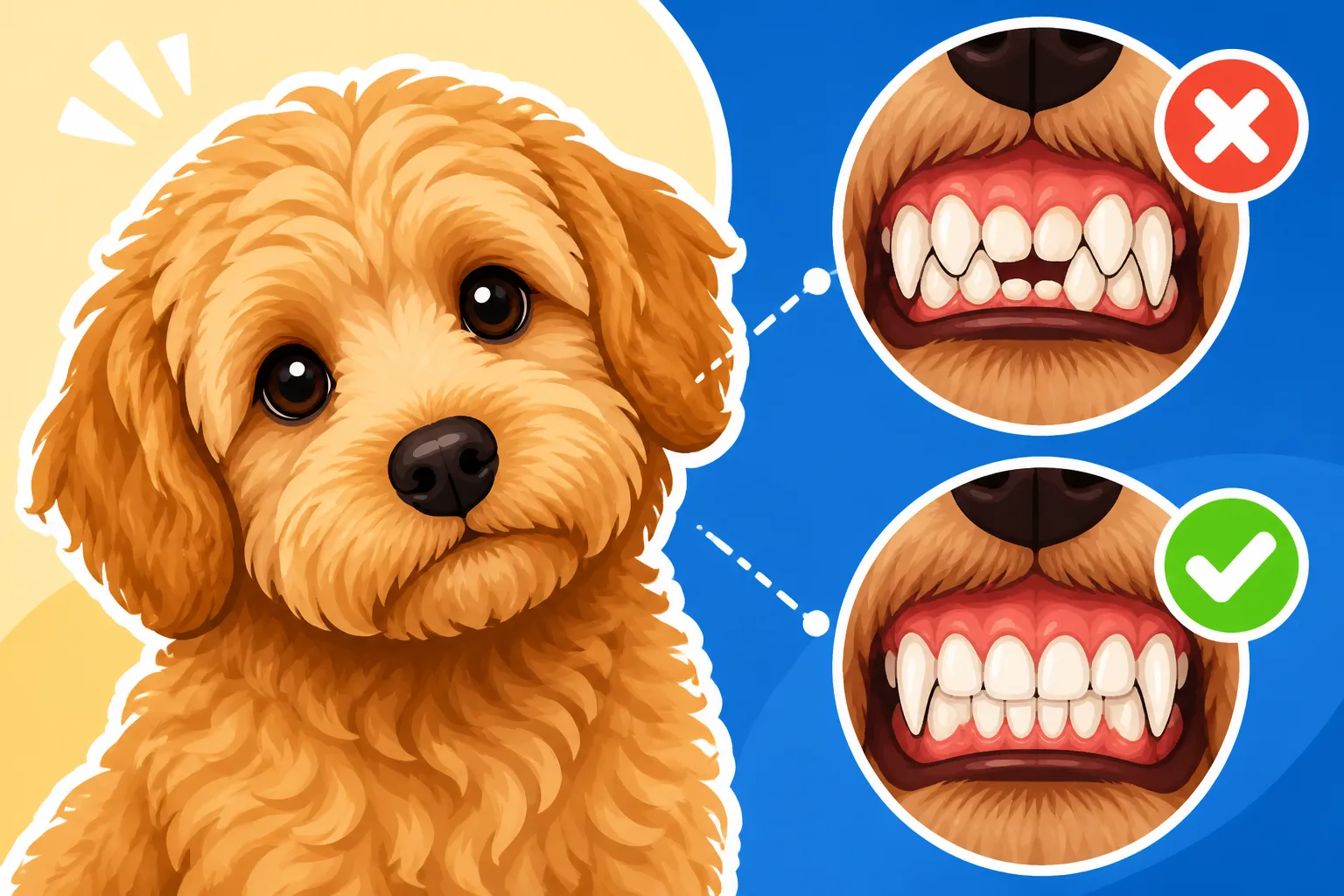
- Overlapping or Rotated Teeth: This is the most obvious sign. Instead of each tooth having its clear, distinct space, you might see teeth literally growing on top of each other, or turned at odd angles. This is particularly common with the incisors at the front of the mouth and the premolars further back.
- Persistent Puppy Teeth: Sometimes, crowded conditions mean that the adult teeth don't have enough room to erupt properly, and they push against the baby teeth. This can prevent the puppy teeth from falling out naturally, leading to a condition called retained deciduous teeth. You might see two teeth (a puppy tooth and an adult tooth) occupying the same spot. This is a significant issue that absolutely requires veterinary intervention, as it exacerbates crowding and traps more debris.
- Red, Swollen Gums: Even if you don't see obvious crowding, persistent inflammation around the gum line can be a red flag. Crowded teeth make it incredibly difficult to clean effectively, leading to plaque and tartar buildup which irritates the gums.
- Discolored Teeth: Yellow or brown stains near the gum line are indicative of tartar. While any dog can get tartar, it tends to accumulate faster and more aggressively in areas of crowding where saliva and food particles get trapped.
- Bad Breath (Halitosis): While every dog has "dog breath" to some extent, truly foul odor often points to bacterial overgrowth in the mouth, usually due to plaque and tartar from poor cleaning.
It’s a good idea to get into the habit of performing regular at-home dental checks. Make it a positive experience with treats and praise, gradually getting your Labradoodle comfortable with you examining their mouth.
Behavioral Indicators and Oral Health Concerns
Sometimes, your Miniature Labradoodle will give you clues through their behavior before you even look inside their mouth. These can be more subtle, but equally important indicators of dental problems stemming from crowded teeth:
- Reluctance to Chew Hard Foods or Toys: If your typically enthusiastic chewer suddenly shies away from their favorite kibble, hard treats, or chew toys, it could be due to pain or discomfort in their mouth. The pressure on crowded, sensitive teeth or inflamed gums can make chewing painful.
- Dropping Food: While eating, they might try to chew but then drop food from their mouth, indicating difficulty manipulating it or pain when pressure is applied.
- Paw at the Mouth or Rub Face: Excessive pawing at their muzzle, rubbing their face on furniture or the carpet, or even showing sensitivity when their face is touched can all be signs of oral discomfort.
- Changes in Appetite or Weight Loss: If the pain is severe enough, or if they struggle to eat efficiently due to discomfort from crowded teeth, they might eat less or even start to lose weight. This is a more advanced sign and requires immediate veterinary attention.
- Irritability or Lethargy: Just like humans, dogs in chronic pain can become grumpy, withdrawn, or less active. If your usually bouncy Labradoodle seems off, dental pain could be a contributing factor.
Ignoring these signs can lead to serious oral health issues, including advanced periodontal disease, painful tooth root abscesses, and even systemic infections when bacteria from the mouth enter the bloodstream. This is why paying attention to those crowded teeth is so important.
Addressing and Preventing Crowded Teeth Issues
Discovering your Miniature Labradoodle has crowded teeth isn't the end of the world, but it definitely means it's time to get proactive. A combination of professional veterinary care and diligent at-home maintenance is crucial to manage this common issue and ensure your furry friend lives a comfortable, healthy life.
Professional Dental Care and Interventions
Your veterinarian is your best partner in tackling crowded teeth. Regular check-ups are essential, and if crowding is observed, they may recommend specific interventions.
- Comprehensive Oral Health Assessment and Treatment (COHAT): This is far more than just a "teeth cleaning." A COHAT is performed under anesthesia, allowing the vet to thoroughly examine every tooth, probe for gum pockets, and take full mouth dental X-rays. These X-rays are critical because often, the most significant problems with crowded teeth lie beneath the gum line, invisible to the naked eye.
- Extractions: For severely crowded, rotated, or overlapping teeth, or for retained puppy teeth, extraction is often the best course of action. While it might sound drastic, removing problematic teeth can relieve pain, create space, and significantly improve the overall oral health and comfort of your Labradoodle. Imagine trying to live with a tooth constantly grinding against another; removing it brings immense relief.
- Orthodontic Treatment (Less Common): In some specific cases, veterinary orthodontics might be considered to realign teeth, particularly if the crowding is causing direct trauma to other teeth or soft tissues. However, this is typically reserved for functional issues rather than purely cosmetic concerns and is a specialized, often costly, treatment.
- Regular Follow-ups: After any intervention, your vet will likely recommend a schedule for follow-up cleanings and examinations. Dogs with crowded teeth often require more frequent professional cleanings to keep plaque and tartar at bay, perhaps yearly or even every six months, depending on the severity and how well at-home care is maintained.
When considering the costs associated with these treatments, having pet insurance like Healthy Paws can be incredibly beneficial. Dental disease treatments, including extractions and advanced periodontal care, can rack up significant bills, and a good policy can help mitigate that financial stress, ensuring your Miniature Labradoodle gets the best care possible.
At-Home Dental Hygiene Practices
Professional cleanings are vital, but they are only one part of the equation. What you do at home, every single day, makes the biggest difference in managing crowded teeth and preventing rapid plaque buildup.
- Daily Brushing: This is the gold standard for at-home dental care. It might seem daunting at first, especially with crowded teeth, but consistency is key. Use a soft-bristled dog toothbrush (finger brushes work well for smaller mouths) and dog-specific toothpaste (never human toothpaste, as it contains xylitol which is toxic to dogs). Focus on the outside surfaces of the teeth, aiming to get into those tight spots as much as possible. If a particular area is too crowded to brush, gently massage the gums around it. Starting this when your Labradoodle is a puppy makes it much easier to integrate into their routine. You can learn more about how to Brushing a Labradoodle's Teeth by reading our in-depth guide.
- Dental Chews and Toys: Not all dental chews are created equal. Look for VOHC (Veterinary Oral Health Council) approved products, which have been scientifically proven to reduce plaque and tartar. Chews with a unique shape or texture can help scrape away buildup, but they are not a substitute for brushing. Always supervise your dog with chews to prevent choking or broken teeth.
- Water Additives and Dental Wipes: These can be supplementary tools. Dental water additives can help reduce bacteria in the mouth, while dental wipes offer a quick way to wipe away surface plaque, especially useful for areas that are hard to reach with a brush. Again, these are best used in conjunction with brushing, not instead of it.
- Dietary Considerations: While special dental diets exist, their effectiveness can vary. Some kibbles are designed with larger, fibrous pieces that help scrape teeth as the dog chews. Discuss specific dietary recommendations with your veterinarian, especially if your Miniature Labradoodle has a history of rapid plaque buildup.
Remember, the goal with at-home care for crowded teeth is to slow down the accumulation of plaque and tartar as much as possible between professional cleanings. Consistent effort can make a world of difference in your Miniature Labradoodle's long-term oral health and overall well-being. A solid pet insurance plan, like one from Healthy Paws, can also give you peace of mind that you're covered if more intensive dental interventions become necessary due to crowded teeth leading to periodontal disease.
Here's a quick comparison of dental considerations between Standard and Miniature Labradoodles:
| Feature | Standard Labradoodle | Miniature Labradoodle |
|---|---|---|
| Jaw Size | Generally larger, spacious | Smaller, more compact |
| Tooth Size | Proportionate to jaw | May be disproportionate to smaller jaw |
| Risk of Crowding | Lower | Higher |
| Common Areas of Crowding | Less frequent, usually minor | Incisors, premolars, retained puppy teeth |
| Ease of Brushing | Generally easier access | More challenging to reach tight spaces |
| Frequency of Vet Dentals | Standard yearly check-ups, dentals as needed | May require more frequent professional cleanings |
| Impact of Parent Breeds | More influence from Labrador's spacious jaw | Stronger influence from Poodle's refined, smaller jaw |
Being a responsible owner of a Miniature Labradoodle means understanding their unique needs, and their dental health is certainly one area where a little extra attention can go a long way. With regular checks, consistent home care, and professional veterinary support, your little companion can enjoy a lifetime of healthy, comfortable smiles. Don't forget that having a robust pet insurance policy, perhaps from a provider like Healthy Paws, can make managing these specific health needs much less stressful.
Disclaimer
This article is for general informational purposes only and does not constitute professional advice. Laws, prices and regulations vary by location and change over time. Consult a qualified professional for guidance on your specific situation.